
The question “Where are Florida Gators from?” might immediately conjure images of the vibrant University of Florida campus and its iconic Gator Nation. However, to truly answer this, we must delve beyond the academic institution and explore the rich tapestry of the state that gives these creatures their name and habitat. This exploration will reveal that the “Florida Gator” is intrinsically linked to the unique ecosystems and cultural heritage of the Sunshine State.
The Natural Habitat: A Swampy Sanctuary
The American alligator, Alligator mississippiensis, is a keystone species in the southeastern United States, and its presence is most profoundly felt in the diverse aquatic environments of Florida. These majestic reptiles are not just a symbol of the state; they are an integral part of its ecological balance. Understanding where they thrive is fundamental to appreciating their origins.

Everglades National Park: The Alligator’s Realm
Perhaps the most renowned habitat for Florida Gators is the sprawling Everglades National Park. This vast, subtropical wetland is a mosaic of sawgrass marshes, mangrove forests, and cypress swamps, providing an ideal environment for alligators to hunt, nest, and reproduce. The unique “river of grass” is teeming with the fish, birds, and mammals that form the alligator’s diet. Visitors to the park can often spot these ancient predators basking on muddy banks or subtly submerged in the brackish waters. The park’s sheer scale and biodiversity make it a critical stronghold for the alligator population.
Other Aquatic Havens
Beyond the Everglades, Florida Gators inhabit a multitude of other water bodies across the state. They are found in:
- Freshwater Marshes and Swamps: Throughout central and northern Florida, extensive freshwater marshes and cypress swamps, like those found in the Big Cypress National Preserve, offer ample hunting grounds and nesting sites. These areas are crucial for maintaining healthy alligator populations away from the coastal influences.
- Rivers and Lakes: Major river systems such as the St. Johns River and numerous lakes, including Lake Okeechobee, are significant alligator habitats. These larger bodies of water provide extensive territories and diverse food sources.
- Coastal Wetlands and Estuaries: While primarily freshwater creatures, Florida Gators can also tolerate brackish water and are found in coastal marshes and estuaries. Areas around Tampa Bay and the Florida Keys, while less common, can still host these resilient reptiles.
The ubiquitous nature of water in Florida directly correlates with the widespread distribution of its most famous reptilian resident.
A Symbol of Floridian Identity
The “Florida Gator” is more than just a biological entity; it has become a powerful symbol deeply ingrained in the state’s culture and identity. This symbolism extends beyond the natural world into the realms of sports, education, and popular imagination.
The University of Florida’s Iconic Mascot
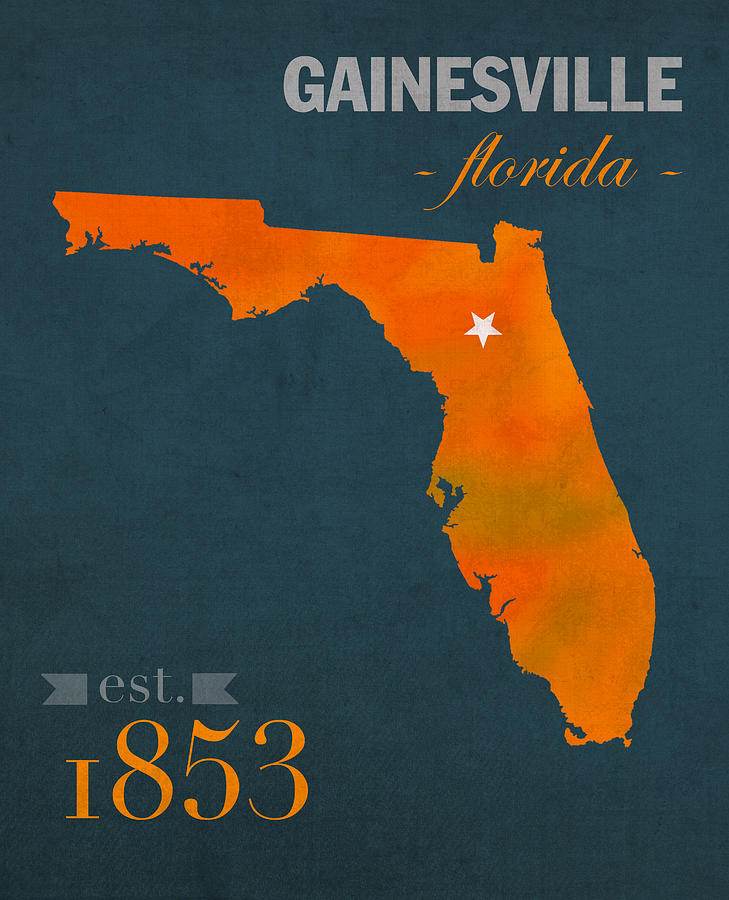
The most prominent association of “Florida Gators” is with the athletic teams of the University of Florida in Gainesville. The Florida Gators are a nationally recognized collegiate sports program, and their mascot, Albert the Alligator, is a beloved figure. The fierce competitiveness and success of these teams have amplified the alligator’s presence in the public consciousness, making it synonymous with Florida pride. The moniker “Gator Nation” encapsulates the vast community of alumni, students, and fans who identify with this powerful symbol.
Alligators in Folklore and Tourism
Historically, alligators have played a role in the folklore and local legends of Florida. Early settlers coexisted with these creatures, leading to a mix of fear and respect. Today, the alligator is a significant draw for tourism. Many visitors come to Florida specifically to witness these animals in their natural habitats, through airboat tours in the Everglades, visits to wildlife refuges, or even at specialized alligator farms and educational centers. This fascination contributes to the perception of the alligator as an indigenous and defining feature of the state.
Conservation and the Future of Florida’s Gators
The origin of Florida Gators is also tied to their conservation status and the efforts made to ensure their survival. Once facing severe threats, these animals have made a remarkable comeback, a testament to dedicated conservation initiatives.
From Endangered to Thriving
In the mid-20th century, the American alligator population in Florida and across its range was critically endangered due to overhunting for their hides and meat, as well as habitat destruction. However, with the passage of protective legislation, such as the Endangered Species Act, and robust conservation programs managed by agencies like the Florida Fish and Wildlife Conservation Commission, the alligator population has rebounded significantly. They were removed from the endangered species list and are now managed as a species of least concern, though continued vigilance is necessary.
Habitat Protection: A Shared Responsibility
The continued existence of Florida Gators is directly dependent on the preservation of their natural habitats. Protecting wetlands, managing water resources, and mitigating human-wildlife conflict are crucial for their long-term survival. Organizations and individuals across Florida are actively involved in habitat restoration and conservation education. The future of these magnificent reptiles is intrinsically linked to the state’s commitment to preserving its unique natural heritage.
Therefore, when asking “Where are Florida Gators from?”, the answer is multifaceted. They originate from the very swamps, marshes, and waterways that define the natural landscape of Florida. They are a product of this unique environment and have, in turn, become an indelible symbol of the state’s vibrant spirit and enduring natural legacy. From the depths of the Everglades to the roar of the crowd at a University of Florida football game, the Florida Gator is a true native son of the Sunshine State.
LifeOutOfTheBox is a participant in the Amazon Services LLC Associates Program, an affiliate advertising program designed to provide a means for sites to earn advertising fees by advertising and linking to Amazon.com. Amazon, the Amazon logo, AmazonSupply, and the AmazonSupply logo are trademarks of Amazon.com, Inc. or its affiliates. As an Amazon Associate we earn affiliate commissions from qualifying purchases.