
The journey between Amherst, a quintessential Western Massachusetts college town, and Boston, the vibrant capital of Eastern Massachusetts, is a common route for students, academics, residents, and visitors alike. Understanding the distance, travel time, and various transportation options is crucial for anyone planning to navigate this corridor. While not a short hop, the approximately 90 to 100-mile stretch is highly manageable with proper planning, offering travelers a seamless transition between two distinct yet equally captivating regions of New England. This guide delves into the specifics of this popular route, providing an insightful overview for a smooth and enjoyable travel experience.
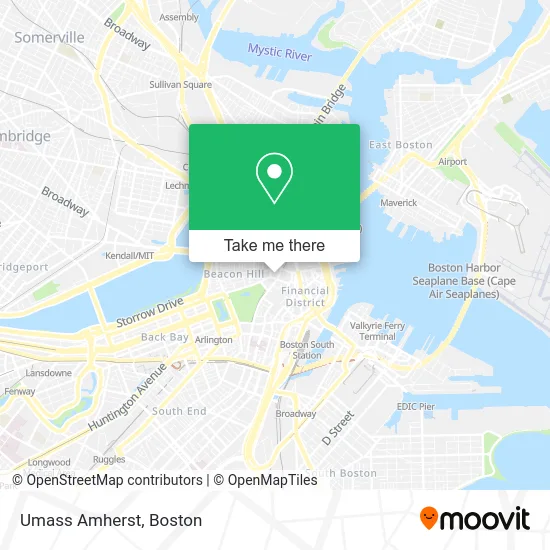
The Geographic Relationship: Unpacking the Distance
The distance separating Amherst and Boston is a primary consideration for any traveler. While a straight-line measurement offers a theoretical understanding, the practical driving distance, influenced by major roadways and urban layouts, is what truly dictates travel planning. This section breaks down the actual mileage and typical time commitments involved in traversing this corridor.
Straight-Line vs. Road Distance
When considering the pure geographical separation, the direct, “as the crow flies” distance between the town of Amherst and the city of Boston is roughly 80 miles (approximately 129 kilometers). However, this figure is rarely useful for actual travel planning, as roads do not follow a perfectly straight path. The realistic road distance, which accounts for the curvature and layout of the interstate highway system, generally falls between 90 and 100 miles (145-161 kilometers), depending on the specific starting and ending points within each area and the particular route chosen.
This difference of 10-20 miles might seem negligible, but it can influence overall travel time, especially when factoring in variables like traffic congestion and the need for optimal routing. On average, a direct drive under ideal conditions (minimal traffic, good weather, and steady speeds) typically takes between 1 hour and 45 minutes to 2 hours. This timeframe can, of course, fluctuate significantly based on various external factors.
Key Routes and Interstate Highways
The most common and efficient route connecting Amherst to Boston primarily involves two major interstate highways. Travelers typically begin by heading south from Amherst on I-91 North (though it’s labelled North, it curves around Springfield to connect effectively) or a local route that quickly connects to I-90 West, famously known as the Massachusetts Turnpike (often abbreviated as the Mass Pike). Once on the Mass Pike, the journey is a relatively straightforward eastward drive directly into the heart of Boston.
The Mass Pike is a well-maintained, multi-lane toll road that forms the backbone of East-West travel across Massachusetts. It offers a reliable, if sometimes busy, corridor. An alternative, more scenic, but considerably longer and slower route involves taking Route 2 (the Mohawk Trail for part of its length) which winds through charming small towns and rural landscapes of central Massachusetts. While Route 2 is not recommended for time-sensitive travel, it can be an appealing option for those with leisure and a desire to experience the region’s natural beauty. It’s important to remember that tolls apply on the Mass Pike, and these costs should be factored into any travel budget. Most toll plazas in Massachusetts are now cashless, relying on EZ-Pass transponders or mail-billed license plate scans.
Navigating the Journey: Transportation Options
Travelers have several viable options for making the trip between Amherst and Boston, each offering distinct advantages in terms of cost, convenience, and travel time. The choice often depends on individual preferences, budget, and the specific needs of the trip.
Driving: The Most Common Choice
Driving remains the most popular method for traveling between Amherst and Boston due to its unparalleled flexibility and convenience. Having a personal vehicle allows travelers to depart and arrive on their own schedule, make spontaneous stops, and carry luggage without restrictions. For those flying into Boston, car rental services are readily available at Logan International Airport and throughout the city, providing an easy transition.
However, driving also comes with its considerations. Traffic congestion, particularly during peak commuter hours around Boston or on Friday afternoons heading west out of the city, can significantly extend travel times. Parking in Boston can be notoriously expensive and challenging to find, especially in downtown areas. Fuel costs and tolls on the Mass Pike are additional expenses to factor in. To mitigate traffic woes, it is advisable to drive during off-peak hours, such as mid-morning, early afternoon, or late at night. Utilizing GPS navigation systems with real-time traffic updates is highly recommended for optimizing the route and avoiding unexpected delays.
Public Transportation: Bus Services
For those without a car or who prefer to avoid the stresses of driving and parking, bus services offer a reliable and cost-effective alternative. Peter Pan Bus Lines and Greyhound are the primary operators on this route, providing multiple daily departures. In Amherst, buses typically depart from the UMass Transit Center or other designated stops. In Boston, services generally arrive and depart from Boston’s South Station, a major transportation hub with connections to local subway (MBTA), commuter rail, and other bus services.
Bus travel time is usually longer than driving, averaging around 2.5 to 3 hours, due to scheduled stops along the way and adherence to speed limits. Despite the longer duration, buses offer a comfortable experience with amenities like Wi-Fi, power outlets, and reclining seats, allowing passengers to relax, work, or enjoy the scenery. Ticket prices are generally affordable, especially if booked in advance, making it an excellent option for budget-conscious travelers or students. It also presents an environmentally friendly choice compared to individual car travel.
Train Travel: Limited but Possible
While Massachusetts boasts an extensive rail network, direct train service between Amherst and Boston is not available. Travelers seeking a train experience would need to undertake a more complex journey involving connections. This typically involves taking local transportation from Amherst to Springfield, where Amtrak offers routes like the Lake Shore Limited or the Vermonter to Boston’s South Station.
This multi-leg journey significantly extends travel time and involves the inconvenience of transfers, making it a less practical option compared to direct bus service or driving. While train travel offers a unique experience, with more space and the ability to move around, for the Amherst to Boston route, it’s usually considered only if other specific travel plans align with Springfield or if there’s a strong preference for rail.
Ridesharing and Carpooling
Ridesharing services like Uber and Lyft are available, but for a distance of 90-100 miles, the cost can be prohibitively expensive, often exceeding several hundred dollars. These services are generally more suited for shorter distances. However, carpooling remains a viable and often cost-effective option, particularly within the university communities of Amherst, such as University of Massachusetts Amherst, Amherst College, and Hampshire College. Many students and faculty regularly travel between these areas, and online forums or university ride boards can be excellent resources for finding shared rides, significantly reducing both cost and environmental impact.

Planning Your Trip: Factors to Consider
A successful and stress-free journey between Amherst and Boston hinges on careful planning. Several key factors can influence travel time, comfort, and overall experience, regardless of the chosen mode of transportation. Being aware of these elements allows travelers to make informed decisions and prepare adequately.
Traffic Patterns and Peak Hours
Traffic is arguably the most significant variable impacting travel time, particularly when driving. The metropolitan area surrounding Boston experiences heavy congestion during morning and evening rush hours. Typically, heading into Boston between 7:00 AM and 9:30 AM on weekdays, and leaving the city between 3:30 PM and 6:30 PM, can add substantial delays to your journey. Similarly, Friday afternoons often see increased traffic volume as people begin weekend travels, and Sunday evenings can be busy as weekenders return to the city. During these peak times, what should be a two-hour drive can easily stretch to three or even four hours. It’s also worth noting that special events, such as major sporting events at Fenway Park or TD Garden, concerts, or large conferences in Boston, can create localized gridlock, further impacting travel.
Weather Conditions
New England weather is famously unpredictable and can drastically affect travel conditions. Winters can bring snow, ice, and freezing rain, which reduce visibility and make roads slippery, necessitating slower speeds and extended travel times. Major snowstorms can even lead to road closures or significant delays for both private vehicles and public transport. Summers, while generally pleasant, can experience sudden thunderstorms. Always check the weather forecast before departing, especially during the colder months, and adjust travel plans if severe weather is anticipated. Allowing extra time and ensuring your vehicle is equipped for winter driving (e.g., proper tires, emergency kit) is prudent.
Cost Analysis
Understanding the total cost of your journey involves more than just the initial ticket price or gas expense. For drivers, this includes fuel consumption for approximately 180-200 miles round trip, tolls on the [Mass Pike](https://lifeoutofthebox.com/mass-pike] (which can add up, especially if using a pay-by-plate system), and potentially expensive parking fees in Boston. Car rental costs, if applicable, also need to be factored in. For bus travelers, the ticket price is usually the main expense, although incidentals like snacks or public transport connections within Boston should be considered. Train travel, if chosen, would include the cost of bus/taxi to Springfield plus the Amtrak fare. Comparing these overall costs can help determine the most economical option for your specific circumstances.
Why Make the Journey? Exploring Both Destinations
Despite the travel logistics, the journey between Amherst and Boston is frequently undertaken because both destinations offer unique and compelling experiences. Whether traveling for education, leisure, culture, or business, the distinct charm of each location makes the trip worthwhile.
The Allure of Amherst and the Pioneer Valley
Amherst is a picturesque town renowned for its academic prowess and vibrant intellectual community. It is home to three prestigious institutions: the University of Massachusetts Amherst, Amherst College, and nearby Hampshire College. This trifecta infuses the town with youthful energy, diverse perspectives, and a rich calendar of cultural events, lectures, and performances. Beyond its academic reputation, Amherst serves as a gateway to the broader Pioneer Valley, a region characterized by rolling hills, fertile farmlands, and the meandering Connecticut River. Outdoor enthusiasts flock to the area for hiking, cycling, and kayaking. The town itself boasts a charming downtown with independent bookstores, unique boutiques, and a burgeoning culinary scene that emphasizes local, seasonal ingredients. Visitors can explore the Emily Dickinson Museum, enjoy craft breweries, or simply soak in the laid-back, intellectual atmosphere.
Boston: A Hub of History, Culture, and Innovation
Boston, in stark contrast, is a bustling metropolis brimming with centuries of history and cutting-edge innovation. As one of America’s oldest cities, Boston offers an immersive journey through pivotal moments in US history. Visitors can walk the famous Freedom Trail, a 2.5-mile red-lined path that winds through 16 historically significant sites, including Faneuil Hall, the Old North Church, and the Paul Revere House. The city is also a cultural powerhouse, boasting world-class museums like the Museum of Fine Arts and the exquisite Isabella Stewart Gardner Museum, alongside vibrant performing arts venues and a thriving theatre district.
Sports enthusiasts will find plenty to cheer about, with iconic venues like Fenway Park, home of the Boston Red Sox, and TD Garden, where the Boston Celtics and Boston Bruins play. Boston’s diverse neighborhoods, from the historic North End with its authentic Italian cuisine to the chic boutiques of Newbury Street, offer endless opportunities for dining, shopping, and exploration. Moreover, Boston’s proximity to other New England attractions, such as the beaches of Cape Cod or the mountains of New Hampshire, makes it an ideal base for regional adventures.
Tips for a Smooth Journey
To ensure your trip between Amherst and Boston is as smooth and enjoyable as possible, consider these practical tips, applicable whether you’re driving or using public transport.
Best Time to Travel
For drivers, the golden rule is to avoid peak commuter hours. Traveling mid-week, during mid-morning (after 9:30 AM) or early afternoon (before 3:00 PM), typically offers the clearest roads. If weekend travel is unavoidable, Sunday mornings are often less congested than Friday afternoons or Sunday evenings. Public transport users should also note that buses can be busier during peak university travel times (e.g., beginning and end of semesters, holiday breaks), so booking tickets well in advance is advisable during these periods. For visiting attractions, traveling during the off-season (late fall or early spring) can mean fewer crowds and potentially better deals on accommodations in Boston.
Essential Packing Considerations
Regardless of your mode of transport, a few packing essentials can enhance your journey. If driving, ensure you have a reliable GPS or smartphone with a mapping application, along with a car charger. Pack snacks and drinks, especially for longer drives or bus journeys. A good book, headphones, or other forms of entertainment are vital for public transport. Given New England’s varied climate, pack layers of clothing, no matter the season, to be prepared for fluctuating temperatures. During winter, a warm coat, hat, gloves, and waterproof footwear are essential.

Pre-Trip Checks
Before embarking on your journey, a few quick checks can prevent headaches. If driving, ensure your vehicle is in good working order, with adequate fuel, tire pressure, and fluid levels. Verify that your EZ-Pass is properly mounted or that your license plate is registered for cashless tolls. For bus or train travel, double-check your departure and arrival times, and confirm any connection details. Always monitor local traffic reports and weather forecasts just before you leave to anticipate any potential delays and adjust your plans accordingly. Booking accommodations, particularly in Boston, well in advance is also recommended, especially during peak tourist seasons or major event dates.
LifeOutOfTheBox is a participant in the Amazon Services LLC Associates Program, an affiliate advertising program designed to provide a means for sites to earn advertising fees by advertising and linking to Amazon.com. Amazon, the Amazon logo, AmazonSupply, and the AmazonSupply logo are trademarks of Amazon.com, Inc. or its affiliates. As an Amazon Associate we earn affiliate commissions from qualifying purchases.