
The Cultural Significance of Boston Butt in Regional Cuisine
The humble Boston Butt, or pork shoulder, stands as an undisputed icon of American BBQ, particularly throughout the American South. For culinary tourists embarking on a gastronomic journey through the region, understanding and savoring a perfectly cooked Boston Butt is not merely about eating; it’s an immersion into a rich cultural tradition. This cut of pork, renowned for its marbling and connective tissues, transforms into succulent, pull-apart tenderness through the magic of low-and-slow cooking. It forms the foundation of legendary pulled pork sandwiches, a staple from roadside shacks in North Carolina to upscale eateries in Texas. Each state, sometimes even each pitmaster, boasts a unique approach, a secret rub, or a distinctive smoking wood, but the core principle remains: patient heat application. Exploring the nuances of how this cut is prepared reveals much about local culinary identity, making the quest for the ideal cooking temperature a gateway to appreciating Southern American heritage. From the vinegary tang of Eastern North Carolina sauce to the richer, tomato-based styles prevalent in other parts of the South, the Boston Butt is a canvas for regional flavors, an essential experience for any discerning food traveler.
Mastering the Art: Key Temperatures for Boston Butt Perfection
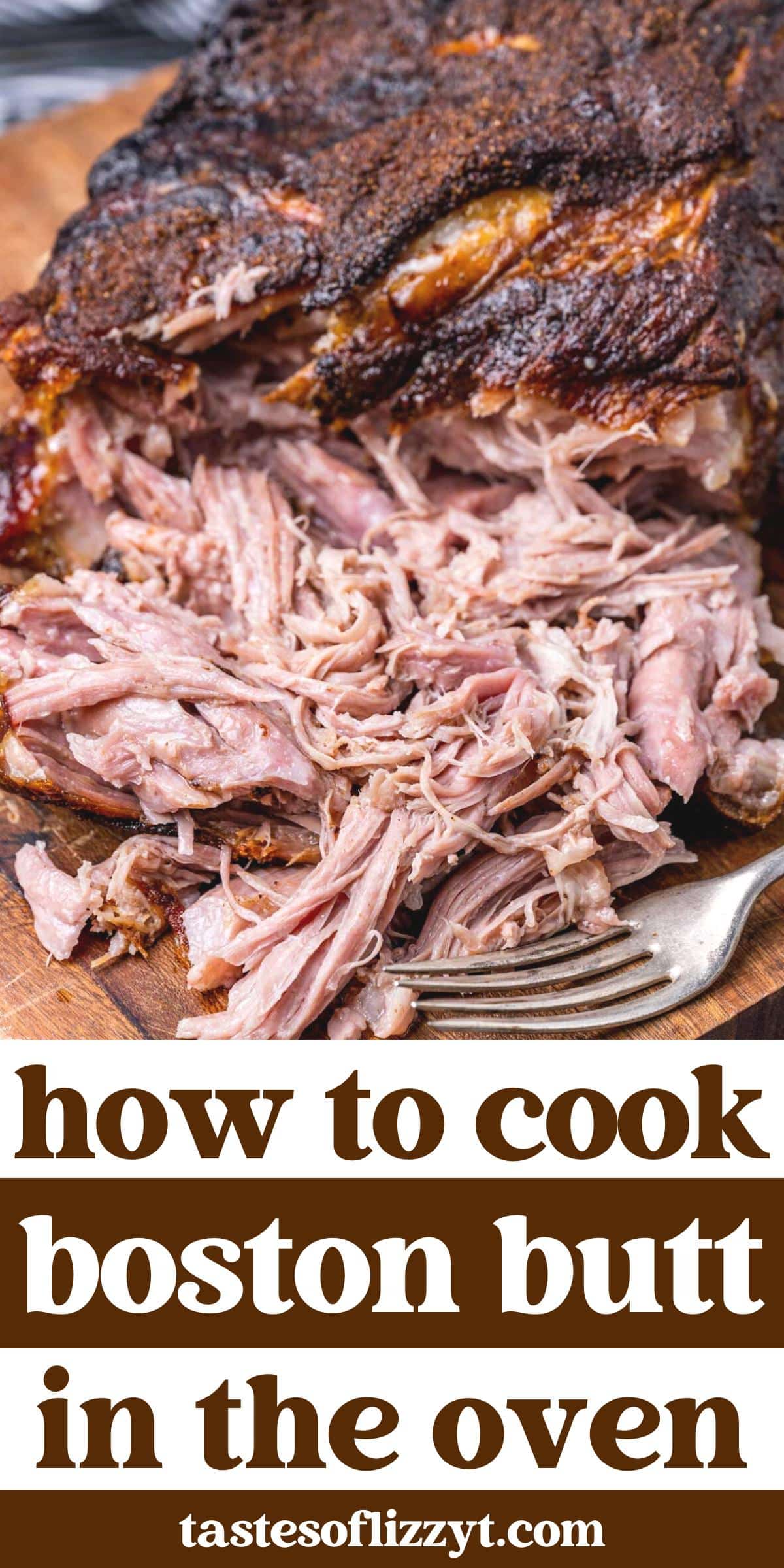
Achieving the legendary tenderness and profound smoky flavor of a traditional Boston Butt is a precise culinary art, heavily reliant on temperature control. For those seeking to replicate this iconic Southern American dish or simply understand the meticulous process behind it, mastering the internal temperature progression is paramount. The journey from a raw, tough cut to fall-off-the-bone succulence is a marathon, not a sprint, guided by specific thermal milestones that dictate the breakdown of collagen and render the fat.
The Initial Smoke/Roast: Setting the Foundation
The initial cooking temperature is critical for establishing the bark and infusing the pork with smoke flavor. Most pitmasters recommend a consistent smoker or oven temperature range of 225°F to 275°F (107°C to 135°C). Within this range, collagen begins its slow transformation into gelatin, a process essential for tenderness. Temperatures on the lower end, around 225°F, typically result in a more pronounced smoke ring and a longer cooking time, allowing for deeper flavor penetration. Higher temperatures, closer to 275°F, will expedite the process slightly while still allowing for proper collagen breakdown. The internal temperature of the Boston Butt during this phase will gradually climb, but the focus here is on the ambient temperature of your cooking vessel. This stage can last anywhere from 6 to 10 hours, depending on the size of the butt and the ambient temperature chosen, until the bark is well-formed and the internal temperature reaches approximately 150°F (65°C).
Navigating the Stall: Patience is a Virtue
One of the most perplexing, yet completely normal, phenomena in slow-cooking a Boston Butt is “the stall.” This occurs when the internal temperature of the meat plateaus, often between 150°F and 170°F (65°C and 77°C), for several hours. Many novice cooks mistake this for a problem, but it’s a natural result of evaporative cooling as moisture from the surface of the meat evaporates and cools it down, much like sweating. Experienced pitmasters understand that patience is key here. For the culinary tourist observing or participating in a traditional cookout, witnessing this phase firsthand offers a glimpse into the unhurried philosophy of Southern BBQ. Some choose to “crutch” the meat by wrapping it tightly in foil or butcher paper at this stage to power through the stall, which steams the meat and prevents further evaporative cooling, effectively accelerating the cook. Others prefer to let it ride, believing the unwrapped approach yields a superior bark and more intense smoke flavor. The decision often comes down to personal preference or the specific BBQ tradition being followed.
The Finishing Temperature: Achieving Pull-Apart Tenderness
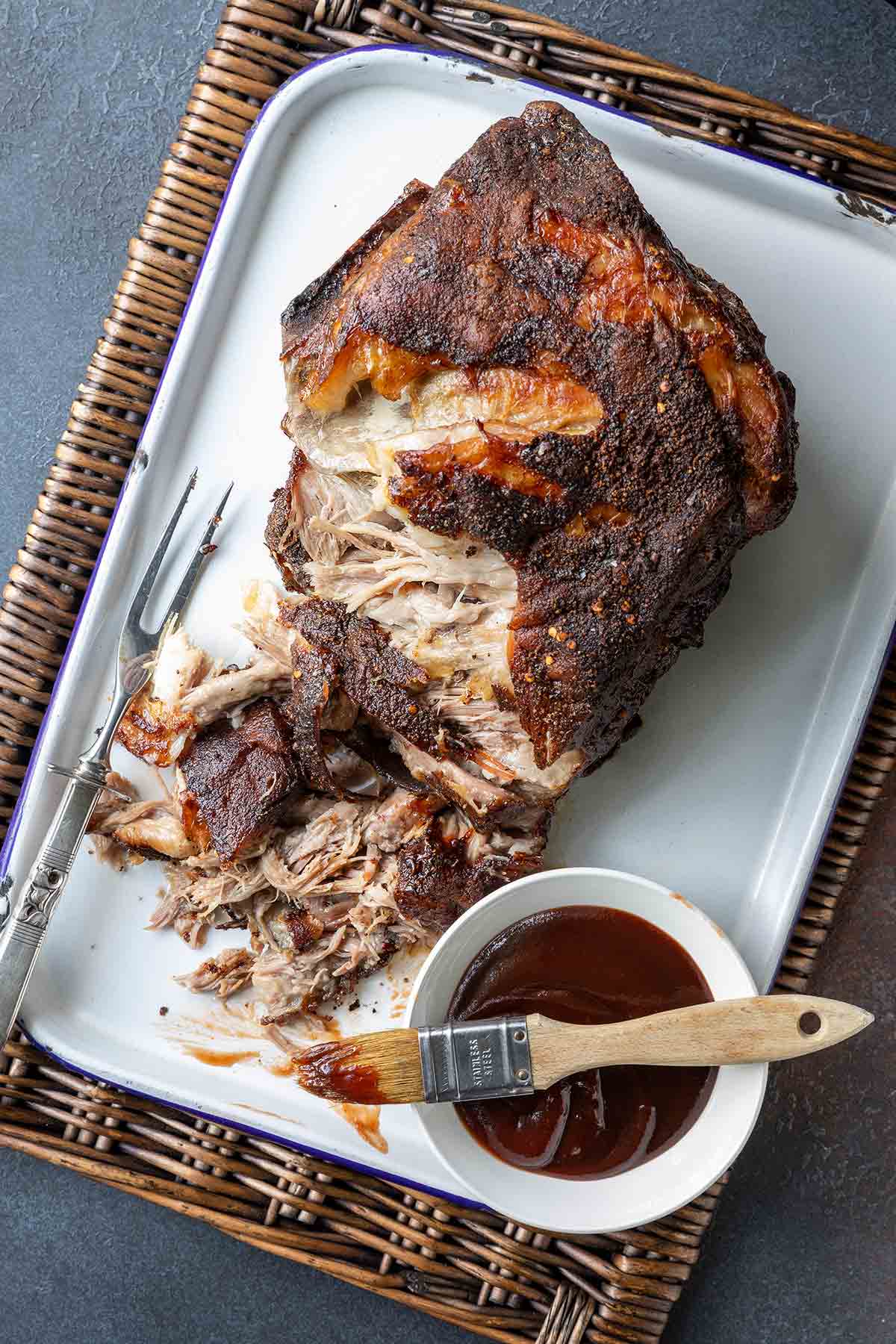
The ultimate goal for a Boston Butt is an internal temperature that allows it to be easily pulled apart, signifying that the connective tissues have completely broken down into luscious gelatin. This magical number typically falls between 195°F and 205°F (90°C and 96°C). Unlike other cuts of meat where precise temperature is critical for doneness (e.g., steak), with pulled pork, it’s more about “probe tenderness.” A reliable meat thermometer should slide into the thickest part of the meat with minimal resistance, feeling like it’s entering softened butter. While 195°F is often the minimum, allowing it to reach 200-205°F often ensures optimal shreddability. The precise temperature within this range can vary slightly depending on the individual butt and how well the collagen has rendered. This final stage can take several more hours after the stall, bringing the total cooking time for a standard 8-10 pound Boston Butt to 12-18 hours, sometimes even longer. The extended duration at these temperatures ensures all the tough collagen has dissolved, leaving behind a moist, flavorful, and incredibly tender result, the true mark of a masterfully cooked Boston Butt that every culinary traveler hopes to encounter.
Beyond the Heat: Essential Techniques for a Memorable Culinary Experience
While temperature is the backbone of a perfectly cooked Boston Butt, several other techniques and considerations contribute significantly to the overall culinary experience. These elements are deeply intertwined with the regional traditions of Southern American cuisine and offer further insights for those exploring its depths.
Rubs and Mops: Flavor Profiles of the South
Before any heat is applied, the Boston Butt receives its initial layer of flavor through a dry rub. These intricate spice blends are often closely guarded secrets of pitmasters and form a key part of regional BBQ identity. A typical rub might include brown sugar, paprika, garlic powder, onion powder, cayenne pepper, and salt, creating a balance of sweet, savory, and spicy notes that develop into the flavorful “bark” during cooking. Tourists can discover an incredible diversity in rub compositions across the American South, from simple salt-and-pepper forward blends in Texas to more complex, sugary concoctions prevalent in other states. Furthermore, “mopping” or “basting” the meat during the long cook is another time-honored tradition. A mop sauce, typically a thin, vinegary liquid with spices, is applied periodically to keep the surface moist and add layers of flavor, preventing the bark from drying out and enhancing the overall depth of taste. This practice is particularly common in North Carolina BBQ, where the tangy mop complements the rich pork.
Resting Period: The Unsung Hero
Perhaps one of the most overlooked, yet crucial, steps after achieving the ideal internal temperature is the resting period. Immediately after being removed from the heat source, the Boston Butt should be loosely tented with foil or wrapped in butcher paper and allowed to rest for at least 1-2 hours, sometimes longer for larger cuts. During this time, the internal temperature may even climb a few degrees (known as carryover cooking), but more importantly, the muscle fibers relax, allowing the juices to redistribute evenly throughout the meat. Cutting into the pork too soon will result in a dry product as the released juices simply run out. A proper rest ensures maximum moisture retention, leading to a significantly more tender and succulent final product. For those experiencing Southern BBQ, a rest is non-negotiable, embodying the patience and dedication inherent in this culinary tradition.
Equipment and Fuel: Traditional vs. Modern Approaches
The choice of cooking equipment and fuel also plays a pivotal role in the character of a cooked Boston Butt. Traditional Southern American BBQ often involves offset smokers fueled by wood, such as hickory, oak, or pecan, which impart distinct smoky flavors. Each type of wood contributes a unique aromatic profile, influencing the final taste of the pulled pork. Hickory, for instance, offers a strong, bacon-like flavor, while pecan provides a milder, nutty sweetness. For the home cook or aspiring pitmaster, various modern alternatives exist, including pellet grills, electric smokers, or even conventional ovens, which can yield excellent results, albeit with slight variations in smoke intensity. While the romance of an offset smoker burning logs is undeniable for a true cultural experience, the underlying principles of temperature control and patience remain universal, regardless of the chosen method. Understanding these distinctions allows a culinary traveler to appreciate the diverse techniques and dedication behind every plate of delicious pulled pork.
Embracing the Boston Butt Experience: A Culinary Journey
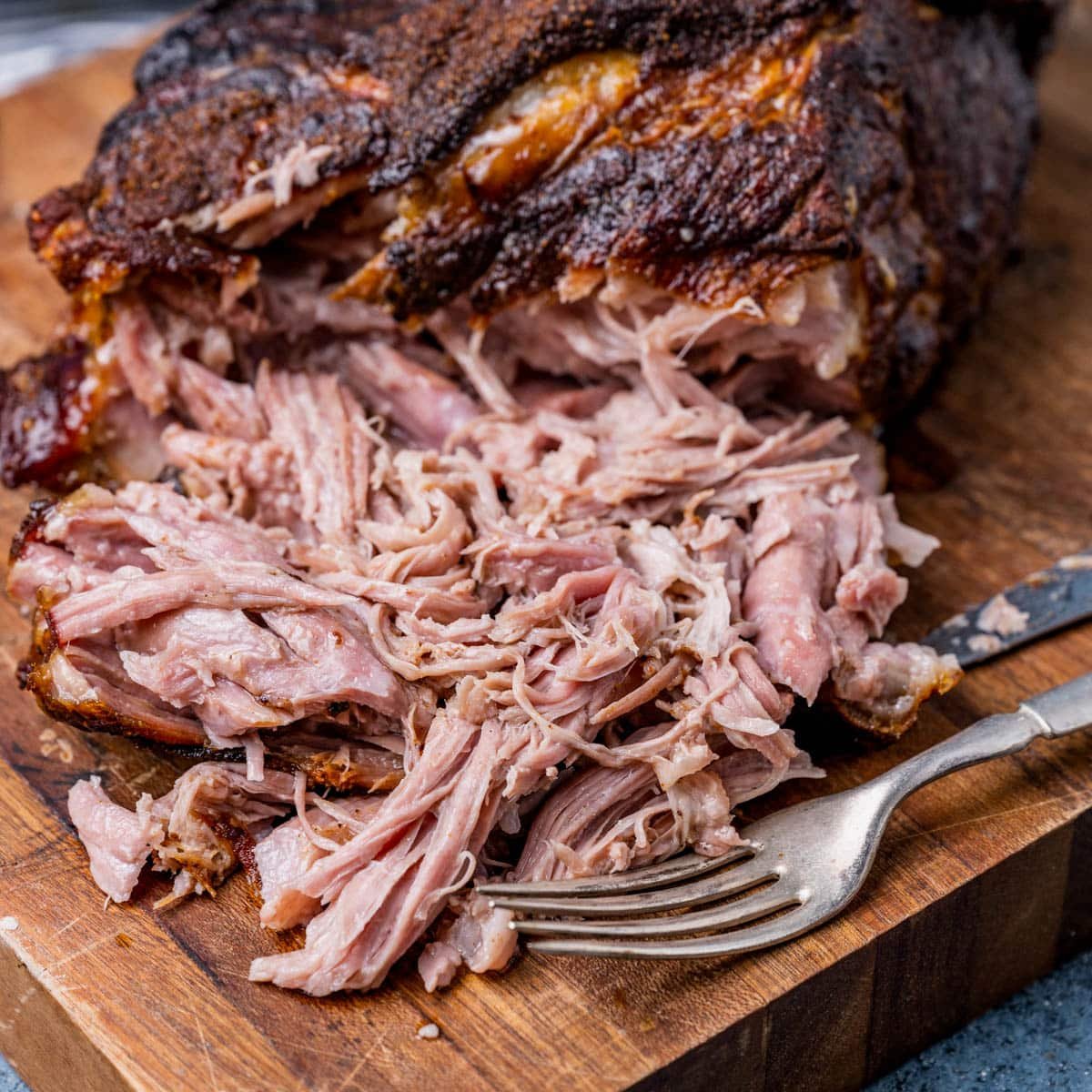
To fully appreciate the cultural and gastronomic depth of Southern American cuisine, one must embrace the journey of the Boston Butt. It’s more than just a cut of meat; it’s a narrative of slow food, community, and regional pride. From understanding the precise temperatures required to break down tough connective tissues into melt-in-your-mouth gelatin, to appreciating the artistry of a perfectly balanced rub and the patience of a long rest, every step contributes to an unforgettable culinary experience. Whether you’re sampling authentic pulled pork at a local festival in Memphis, learning from a seasoned pitmaster in Kansas City, or attempting to replicate the magic in your own backyard, the Boston Butt offers a profound connection to a vital part of American heritage. Seek out those places where the smoke billows and the aromas linger, for they are the true epicenters of this delectable tradition. The quest for the ideal temperature to cook a Boston Butt ultimately leads to a deeper understanding of the soul of Southern BBQ and an enriching experience for any traveler dedicated to exploring food as culture.
LifeOutOfTheBox is a participant in the Amazon Services LLC Associates Program, an affiliate advertising program designed to provide a means for sites to earn advertising fees by advertising and linking to Amazon.com. Amazon, the Amazon logo, AmazonSupply, and the AmazonSupply logo are trademarks of Amazon.com, Inc. or its affiliates. As an Amazon Associate we earn affiliate commissions from qualifying purchases.