
The allure of the Southwest USA is undeniable, with its vast, rugged landscapes, vibrant cities, and unique cultural experiences. For many travelers, a trip to Las Vegas, Nevada, serves as a thrilling gateway to this remarkable region. But what if you’re looking to extend your adventure beyond the bright lights of the Strip? A common question that arises is, “How far is Arizona from Las Vegas?” The answer is not only “not far at all” but also “surprisingly diverse,” offering a spectrum of unforgettable journeys ranging from quick day trips to expansive road trip explorations.

Arizona is immediately adjacent to Nevada, meaning that the border is just a short drive from the heart of Las Vegas. This geographical proximity makes Arizona an incredibly accessible destination for those seeking to immerse themselves in stunning natural wonders, rich history, and vibrant desert cities. From the awe-inspiring grandeur of the Grand Canyon to the red rock mystique of Sedona and the urban sophistication of Phoenix and Scottsdale, Arizona presents a striking contrast to the bustling energy of its Nevada neighbor. This article will delve into the distances, travel options, must-see landmarks, and essential tips for planning your perfect Arizona escapade from Las Vegas.
The Proximity and the Pathways: Getting from Las Vegas to Arizona
The journey from Las Vegas to Arizona is more than just a drive; it’s an introduction to some of the Southwest’s most iconic landscapes. Understanding the various routes and travel times will help you tailor your itinerary, whether you’re looking for a quick escape or a comprehensive exploration.
Understanding the Geographical Relationship
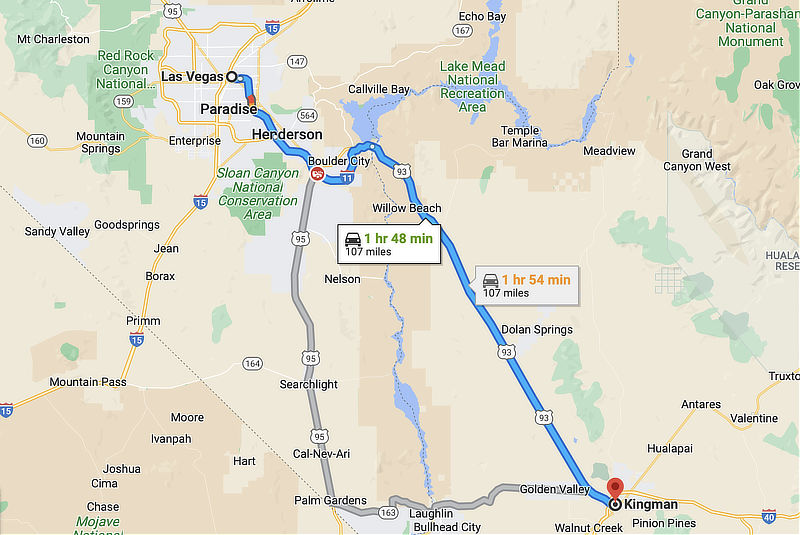
Arizona shares a long border with Nevada, primarily defined by the mighty Colorado River. This means that once you leave Las Vegas, you’re often just an hour or two away from entering the “Grand Canyon State.” The immediate border region offers fascinating attractions that bridge the two states, most notably the colossal Hoover Dam. Crossing the dam literally takes you from Nevada into Arizona, making it a popular first stop for many travelers.
From there, the gateway cities of Arizona such as Kingman and Lake Havasu City become accessible, opening up a world of desert adventures and water sports. This close proximity means that even a brief visit to Arizona is entirely feasible, transforming your Las Vegas trip into a multi-state travel experience.
Driving Distances to Key Arizona Destinations
Driving is, without a doubt, the most popular and flexible way to explore Arizona from Las Vegas. The well-maintained interstate highways and scenic routes make for an enjoyable journey, revealing stunning desert vistas and geological marvels along the way.
-
Short Trips (Within 2-3 hours):
- Hoover Dam / Lake Mead National Recreation Area: Approximately 30-45 minutes. These are virtually on the doorstep of Las Vegas and are perfect for a half-day or full-day excursion. The Hoover Dam offers fascinating engineering tours, while Lake Mead provides opportunities for boating, kayaking, and hiking.
- Kingman: About 1 hour 45 minutes. This historic town on Route 66 is a great stop for a dose of classic Americana.
- Grand Canyon West Rim: Around 2 hours to 2 hours 30 minutes. Home to the famous Grand Canyon Skywalk, this is the closest part of the Grand Canyon to Las Vegas and makes for an excellent day trip, especially for those short on time.
- Lake Havasu City: Approximately 2 hours 30 minutes. Known for the relocated London Bridge and abundant water sports, it’s a popular spot for relaxation and outdoor activities.
-
Mid-Range Trips (4-6 hours):
- Sedona: Around 4-5 hours. This spiritual hub, famous for its vibrant red rock formations and vortex energy, offers incredible hiking, art galleries, and spa experiences. It’s a prime example of Arizona’s unique lifestyle offerings.
- Flagstaff: About 4 hours 30 minutes. A charming mountain town offering a cooler climate, historic downtown, and proximity to the Grand Canyon, it also boasts attractions like the Lowell Observatory.
- Grand Canyon South Rim: Approximately 4 hours 30 minutes to 5 hours. While further than the West Rim, the South Rim offers the most expansive and iconic views of the Grand Canyon National Park, with numerous viewpoints and hiking trails like the Bright Angel Trail.
-
Longer Trips (6+ hours):
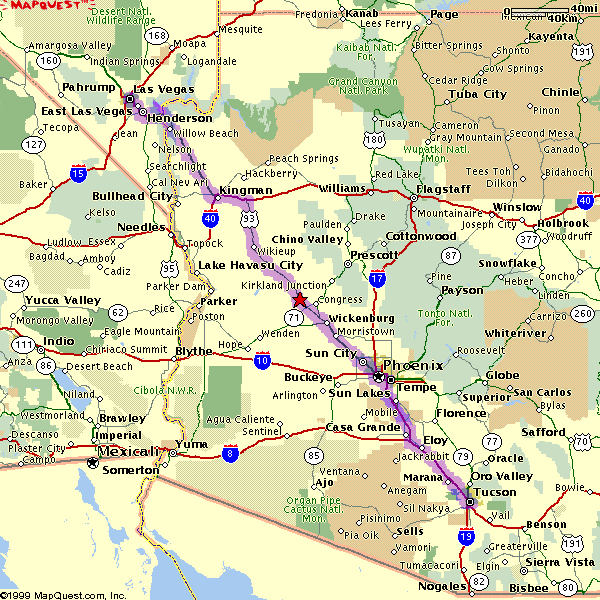
- Phoenix / Scottsdale: Around 4 hours 30 minutes to 5 hours 30 minutes. The state capital and its upscale neighbor offer a bustling urban experience with world-class resorts, dining, and cultural attractions like the Desert Botanical Garden and Musical Instrument Museum. While reachable within 5 hours, to truly experience these cities, an overnight stay is highly recommended.
- Tucson: Approximately 7-8 hours. A bit of a stretch for a direct drive, Tucson offers a distinct Sonoran Desert experience, with attractions like Saguaro National Park, historic missions, and a vibrant arts scene. This typically warrants a multi-day itinerary.
These travel times are estimates and can vary based on traffic, road conditions, and the number of stops you make. Planning your route and factoring in breaks for fuel, food, and sightseeing is crucial for a smooth journey.
Alternative Transportation Options
While driving is king, other options exist for reaching Arizona from Las Vegas, especially for longer distances or those who prefer not to drive.
-
Flights: For destinations like Phoenix or Tucson, flying can significantly cut down travel time. McCarran International Airport (now Harry Reid International Airport) in Las Vegas offers frequent direct flights to Phoenix Sky Harbor International Airport, typically lasting just over an hour. This is an excellent option for business travelers or those focused purely on urban exploration in Arizona’s major cities, bypassing the desert drive entirely. From Phoenix, you can rent a car to explore the surrounding areas or take a connecting flight to Tucson.
-
Buses: Companies like Greyhound offer bus services from Las Vegas to various Arizona cities, including Kingman, Flagstaff, and Phoenix. While generally more affordable, bus travel is slower and less flexible than driving. It can be a good budget travel option for solo travelers or those not keen on navigating unfamiliar roads.
-
Guided Tours: Many tour operators in Las Vegas offer day trips or multi-day excursions to the Grand Canyon (both West and South Rims) and Hoover Dam. These tours often include transportation, a guide, and sometimes meals, providing a hassle-free way to see these major landmarks. This is ideal for those who prefer not to drive, seek expert commentary, or simply want to relax and enjoy the scenery.
Iconic Stops and Scenic Detours Between Nevada and Arizona
The journey itself from Las Vegas to Arizona is rich with captivating sights, offering a chance to break up your drive and immerse yourself in the natural and historical fabric of the region.
Marveling at Engineering and Nature’s Grandeur
-
The Hoover Dam & Lake Mead National Recreation Area: This monumental engineering feat is often the first stop on any journey from Las Vegas into Arizona. Beyond its impressive scale, the dam offers fascinating visitor center exhibits and guided tours that delve into its history and construction. Overlooking the vast expanse of Lake Mead, the nation’s largest reservoir, the area is ripe for outdoor recreation, from boating and fishing to hiking and picnicking. It’s a spectacular testament to human ingenuity against a backdrop of raw natural beauty, a truly unique landmark.
-
Historic Route 66: For those heading towards the Grand Canyon South Rim or Flagstaff, a detour onto the historic stretches of Route 66 in Arizona is a must. From Kingman, you can follow the “Mother Road” through charming ghost towns like Oatman, where wild burros roam freely, and stop at quirky roadside attractions like the Hackberry General Store. This journey offers a nostalgic glimpse into America’s past, embodying a distinct tourism experience.
The Wonders of the Grand Canyon
No discussion of Arizona from Las Vegas would be complete without highlighting the magnificent Grand Canyon. Its sheer scale and breathtaking vistas make it one of the world’s most renowned natural landmarks.
-
Grand Canyon West Rim: Operated by the Hualapai Indian Reservation, the West Rim is the closest and most accessible part of the canyon for a day trip from Las Vegas. Its main draw is the Grand Canyon Skywalk, a horseshoe-shaped glass bridge extending 70 feet out over the rim, offering a thrilling perspective 4,000 feet above the canyon floor. Other viewpoints like Eagle Point and Guano Point provide stunning panoramic views. Activities often include helicopter tours and pontoon boat rides on the Colorado River. Accommodation here is more limited but offers unique stays like the Hualapai Ranch.
-
Grand Canyon South Rim: This is the more iconic and frequently visited part of the Grand Canyon National Park, renowned for its expansive, postcard-perfect views. With numerous scenic overlooks like Mather Point, Yavapai Point, and Hopi Point, visitors can spend days exploring. The Grand Canyon Village offers services, restaurants, and historical buildings like Kolb Studio. For hikers, the Bright Angel Trail and Kaibab Trail descend into the canyon, with overnight stays at Phantom Ranch for the adventurous. Hotels within the park, such as El Tovar Hotel and Bright Angel Lodge, offer convenient access to the views, though booking far in advance is essential due to high demand.
Planning Your Arizona Adventure from Las Vegas
Embarking on a journey from Las Vegas to Arizona requires thoughtful planning to maximize your experience. Considering your interests, budget, and the time you have available will ensure a memorable travel experience.
Choosing Your Destination and Trip Type
Arizona’s diverse landscape means you can tailor your trip to your preferences:
- Day Trip: For a quick escape, the Hoover Dam and Grand Canyon West Rim are ideal. They offer stunning views and unique experiences without requiring an overnight stay, perfect for fitting into a busy Las Vegas itinerary. Many operators offer convenient day tours.
- Weekend Getaway: If you have 2-3 days, you can comfortably explore the Grand Canyon South Rim, Sedona, or Flagstaff. This allows for deeper exploration of trails, local culture, and a relaxed pace. Consider staying overnight in a lodge near the canyon or a charming hotel in Sedona.
- Extended Road Trip: With 4 or more days, you can combine multiple destinations. Imagine a loop that includes the Grand Canyon South Rim, Sedona, Flagstaff, and even Phoenix and Scottsdale. This allows you to experience the full spectrum of Arizona’s natural beauty, vibrant cities, and unique cultural offerings, from desert landscapes to pine forests.
Accommodation and Amenities
Arizona offers a wide array of accommodation options to suit every budget and lifestyle.
- Luxury Resorts: Scottsdale and Phoenix are renowned for their world-class resorts, featuring lavish spas, championship golf courses, and exquisite dining. These are perfect for those seeking a luxurious escape with premium amenities.
- Boutique Hotels & Spas: Sedona is home to numerous boutique hotels and wellness resorts that emphasize relaxation, natural beauty, and spiritual renewal, often with stunning red rock views.
- National Park Lodges: For an immersive experience at the Grand Canyon South Rim, staying at one of the historic lodges like El Tovar Hotel or Yavapai Lodge provides unparalleled access to the canyon’s edge. Be sure to book these far in advance, especially during peak seasons.
- Budget-Friendly Options: Cities like Flagstaff and Kingman offer a range of standard hotels, motels, and vacation rentals that cater to more budget-conscious travelers. Camping within the national parks or surrounding national forests is also a popular and economical choice for outdoor enthusiasts.
When booking your stay, consider the tourism activities you plan to do. For example, if you’re focused on hiking, staying close to the trails can save significant commuting time. If you’re exploring urban attractions, a centrally located hotel or apartment can be most convenient.
Essential Travel Tips
- Best Time to Visit: Spring (March-May) and Fall (September-November) offer the most pleasant weather for exploring most of Arizona. Summer can be extremely hot in the desert regions (Phoenix, Scottsdale, Tucson), while Northern Arizona (Grand Canyon, Flagstaff) experiences colder winters and occasional snow.
- What to Pack: Dress in layers, as temperatures can fluctuate dramatically between day and night, especially in the desert. Sun protection (hat, sunglasses, high SPF sunscreen) is crucial. Comfortable walking or hiking shoes are a must. If visiting in winter, pack warm clothing, even for the desert, as evenings can be chilly.
- Car Rental: A rental car offers the most flexibility for exploring Arizona’s diverse attractions. Book in advance, especially during peak seasons. Ensure your rental includes unlimited mileage if you plan extensive driving.
- Hydration: The dry desert climate requires constant hydration. Always carry plenty of water, especially if hiking or spending time outdoors.
- Permits and Reservations: For popular attractions like Antelope Canyon or certain Grand Canyon activities, reservations are often required months in advance. Similarly, national park entrance fees or permits might be necessary.
- Time Zones: Be aware that most of Arizona does not observe Daylight Saving Time, except for the Navajo Nation. This means during certain parts of the year, Arizona might be an hour behind Las Vegas or on the same time. Check local times before you travel.
Beyond the Horizon: Exploring Arizona’s Diverse Charms
While the Grand Canyon is undoubtedly Arizona’s crown jewel, the state offers a treasure trove of other experiences, appealing to every kind of traveler, from luxury seekers to outdoor adventurers.
Desert Oasis and Urban Sophistication
-
Phoenix & Scottsdale: These twin cities form a vibrant metropolitan area, famous for their luxurious resorts, upscale dining, and thriving arts scenes. In Phoenix, explore the Desert Botanical Garden, hike Camelback Mountain, or visit the Musical Instrument Museum and Heard Museum for cultural insights. Scottsdale beckons with its historic Old Town Scottsdale, art galleries, high-end shopping, and rejuvenating spa resorts. It’s a prime example of a sophisticated desert lifestyle.
-
Tucson: Further south, Tucson offers a distinct Sonoran Desert experience with a strong Southwestern and Mexican cultural influence. Explore Saguaro National Park, home to the iconic saguaro cacti forests, hike in Sabino Canyon, or visit the historic Mission San Xavier del Bac. The city is also a UNESCO City of Gastronomy, promising incredible culinary adventures. For history buffs, a drive to the historic mining towns of Bisbee and Tombstone is a fascinating detour.
Northern Arizona’s Natural Wonders
Beyond the Grand Canyon, Northern Arizona is a hub of geological marvels and outdoor activities.
-
Sedona: This enchanting town is famous for its towering red rock formations, believed to be spiritual vortexes. It’s a paradise for hikers, mountain bikers, and those seeking wellness retreats. Sedona’s vibrant arts community and unique shops add to its charm. Explore trails like Devil’s Bridge or Cathedral Rock for breathtaking views. The nearby Verde Valley offers wine tasting and charming old mining towns like Jerome and Cottonwood.
-
Flagstaff: Nestled amidst the world’s largest ponderosa pine forest, Flagstaff provides a refreshing change of scenery and climate. It’s a popular base for exploring the Grand Canyon and surrounding national monuments like Walnut Canyon National Monument, Wupatki National Monument, and Sunset Crater Volcano National Monument. In winter, Arizona Snowbowl offers skiing, while year-round the Lowell Observatory provides a stellar experience.
-
Page and Beyond: If your journey takes you further northeast, the town of Page is the gateway to some of Arizona’s most photographed landmarks. Antelope Canyon (Upper and Lower) offers mesmerizing slot canyon formations bathed in ethereal light, while Horseshoe Bend presents a stunning U-shaped meander of the Colorado River. Further afield, the iconic vistas of Monument Valley and the ancient cliff dwellings of Canyon de Chelly National Monument await, offering profound cultural and natural tourism experiences. And don’t forget the petrified logs and painted desert landscapes of Petrified Forest National Park, a vibrant geological wonderland.
In conclusion, the question “How far is Arizona from Las Vegas?” quickly transforms from a simple query about distance into an exciting proposition for diverse travel and unparalleled exploration. The proximity of Arizona to Las Vegas makes it an ideal complement to a Nevada vacation, offering everything from a quick day trip to the iconic Grand Canyon West Rim to an extended road trip encompassing the desert’s most stunning vistas and vibrant urban centers. Whether you seek the thrill of adventure, the tranquility of nature, or the indulgence of luxury accommodation and resorts, Arizona presents an incredible array of possibilities, all within a reasonable distance from the lively Las Vegas Strip. So pack your bags, plan your route, and prepare to discover the enchanting charm of the Grand Canyon State.
LifeOutOfTheBox is a participant in the Amazon Services LLC Associates Program, an affiliate advertising program designed to provide a means for sites to earn advertising fees by advertising and linking to Amazon.com. Amazon, the Amazon logo, AmazonSupply, and the AmazonSupply logo are trademarks of Amazon.com, Inc. or its affiliates. As an Amazon Associate we earn affiliate commissions from qualifying purchases.