
Finding the perfect hotel at the right price is often the cornerstone of a successful trip. Whether you’re planning a luxurious escape, a budget-friendly adventure, a memorable family vacation, or a crucial business stay, securing a great deal on accommodation can significantly impact your overall travel experience and financial well-being. In a world brimming with diverse travel destinations, from the bustling streets of New York City to the serene beaches of Bali, understanding how to navigate the complex landscape of hotel bookings is an invaluable skill. This comprehensive guide will equip you with the strategies and insights needed to consistently find excellent hotel deals, ensuring your next journey is both comfortable and cost-effective. We’ll delve into the nuances of booking windows, smart search tactics, and maximizing value beyond the nightly rate, transforming you into a savvy traveler who always gets more for less.

Timing is Everything: Strategic Booking for Savings
The price of a hotel room is rarely static. It fluctuates based on demand, seasonality, special events, and how far in advance you book. Mastering the art of timing your reservation can unlock significant savings, regardless of whether you’re eyeing a cozy guesthouse or a sprawling luxury resort.
The Early Bird Catches the Worm (Sometimes): Booking in Advance
For popular travel destinations, peak seasons, or major events, booking your hotel well in advance — typically three to six months out — is often your best bet for securing better rates and ensuring availability. This is especially true for highly sought-after locations like Paris during the summer or Kyoto during cherry blossom season, or for specific properties like boutique hotels with limited rooms. Many hotels, especially major chains like Marriott or Hilton, offer early bird discounts or flexible cancellation policies that make pre-planning appealing. Booking early allows you to compare a wider range of options, from spacious suites to charming apartments, giving you ample time to read reviews and select the perfect accommodation that aligns with your travel style and needs. It’s also beneficial for travelers with specific requirements, such as those needing accessible rooms or looking for particular amenities. However, remember that “sometimes” means this strategy isn’t foolproof; if demand unexpectedly drops, later prices might be lower.
Last-Minute Deals: High-Stakes Savings
While early booking offers peace of mind, the thrill of a last-minute deal can lead to substantial savings, particularly for flexible travelers. Hotels often slash prices for unsold rooms a few days or even hours before check-in to avoid losing revenue entirely. This strategy is more effective for spontaneous trips or when traveling to destinations with an abundance of accommodation options. Mobile apps and specialized websites like HotelTonight excel in finding these fleeting offers. Major cities such as London or Rome often have hotels looking to fill empty rooms, making them prime candidates for last-minute bargains. This approach carries a higher risk, as availability can be limited, and you might not get your first-choice property or a specific room type like a premium suite. It’s best suited for solo travelers, couples, or those without stringent requirements for their accommodation.
Off-Peak Travel: Unlocking Seasonal Discounts
One of the most effective ways to save on hotels is to travel during the off-peak or “shoulder” seasons. This means avoiding major holidays, school breaks, and the most popular months for a given destination. For instance, visiting a beach destination in the Caribbean during early December before the holiday rush, or exploring European cities in late autumn or early spring, can yield significantly lower prices on hotels, flights, and activities. Not only are hotel rates reduced, but you’ll also encounter fewer crowds at famous landmarks like the Eiffel Tower in Paris or the Colosseum in Rome. Many resorts in popular holiday spots like Cancun or Phuket offer attractive packages, including complimentary amenities, during these quieter periods. Be mindful of the weather, as off-peak might coincide with less ideal conditions, but often the trade-off for better deals and a more relaxed experience is well worth it.
Smart Searching and Savvy Strategies
The digital age has revolutionized how we find and book hotels, offering an array of tools and tactics to uncover the best deals. Beyond just timing, how and where you search can make a significant difference in the price you pay for your accommodation.
Leverage Comparison Websites and OTAs
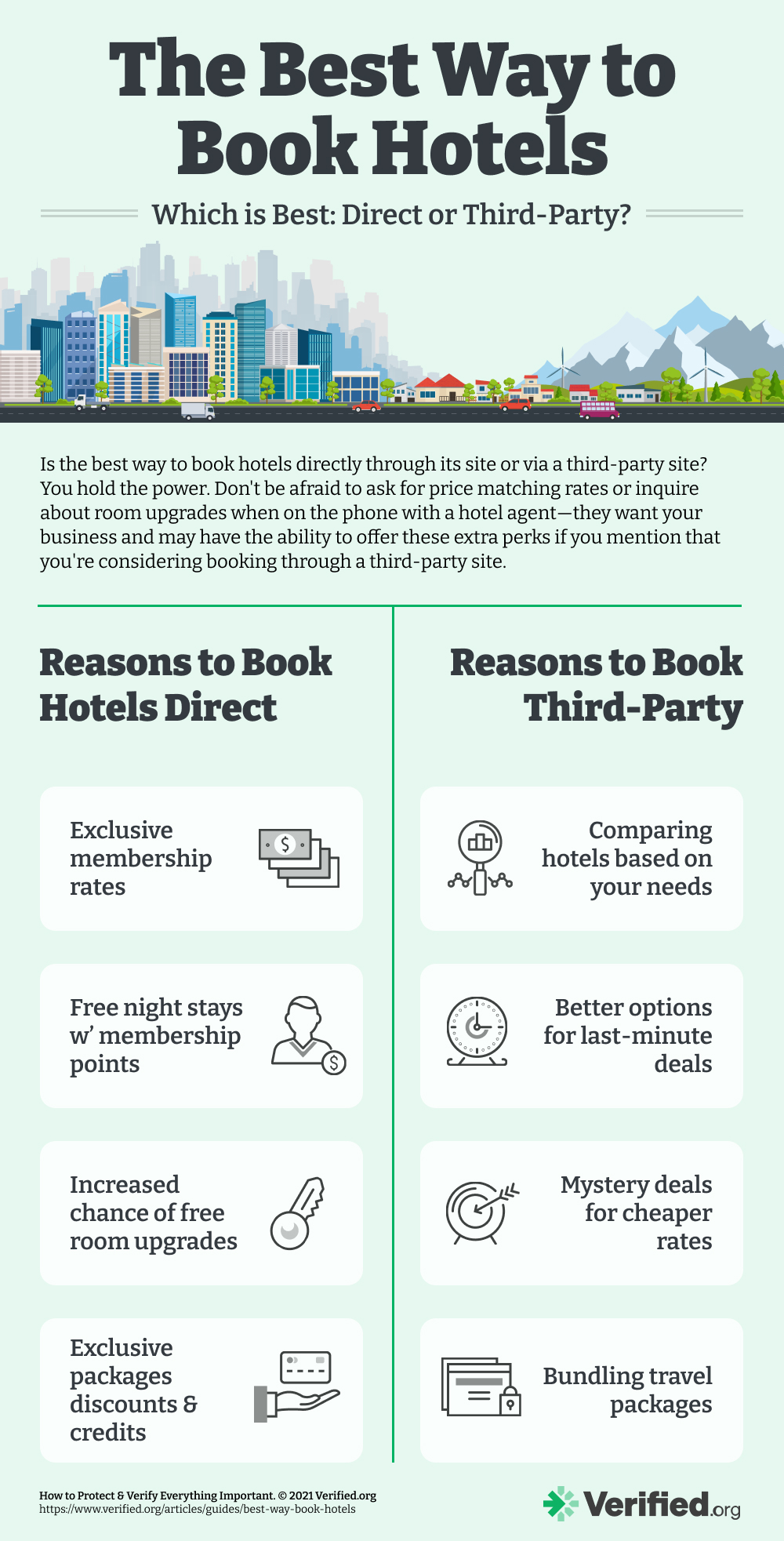
Online Travel Agencies (OTAs) and hotel comparison websites are powerful tools for getting an overview of available prices across various hotels and booking platforms. Sites like Booking.com, Expedia, Kayak, and Agoda aggregate information from thousands of hotels, allowing you to filter by price, location, amenities, and user reviews. They often feature deals, discounts, and even loyalty programs that can save you money. However, it’s crucial to remember that these sites sometimes add service fees, and the prices displayed might not always be the absolute lowest available. Use them as a starting point to get a sense of the market, identify potential hotels, and then cross-reference with other sources. Look for flexible booking options, especially when planning far in advance, to adapt to any changes in your travel itinerary.
Go Direct: Booking Through Hotel Websites

Once you’ve identified a few potential hotels, always check their official websites directly. Many hotel chains, including Hyatt, IHG, and Wyndham, offer “best rate guarantees,” promising to match or beat any lower price you find elsewhere. Furthermore, booking directly often comes with exclusive perks not available through OTAs, such as complimentary breakfast, free Wi-Fi, resort credits, or late check-out. These direct bookings are also the gateway to earning loyalty points with the hotel’s own rewards program, which can accumulate into free nights, room upgrades, or other valuable benefits down the line. Direct bookings can also be advantageous for business travelers who need specific corporate rates or require a streamlined invoicing process.
Consider Alternative Accommodations
While traditional hotels, resorts, and suites offer a familiar experience, expanding your search to alternative accommodation types can often lead to unique stays and significant savings. Websites like Airbnb allow you to book apartments, villas, and even unique homes directly from local hosts, providing a more authentic experience and often better value, especially for longer stays or for families needing extra space and kitchen facilities. Hostels, particularly boutique hostels, are no longer just for backpackers; many offer private rooms with en-suite bathrooms at a fraction of hotel prices, often with excellent social atmospheres. For truly budget-conscious travelers, guesthouses and bed & breakfasts can offer charming, personalized experiences. Even considering a long-term stay in a service apartment can prove more economical than a hotel for extended trips, offering the comforts of home while still providing essential amenities.
Bundle Deals and Package Savings
Many travel providers offer tempting package deals that combine flights, hotels, and sometimes car rentals or activities. These bundles can result in considerable savings compared to booking each component separately. OTAs like Expedia and Priceline are well-known for their package options, often displaying opaque pricing where you don’t know the exact hotel until after booking, but the discounts can be substantial. For a family trip to a theme park like Disneyland or a ski vacation in the Alps, these packages simplify planning and often include added value like park tickets or lift passes. Always compare the bundled price against booking each element individually to ensure you’re truly getting a deal, as sometimes the perceived savings can be misleading if one component (like the flight) is inflated.
Maximizing Value Beyond the Price Tag
A “good deal” isn’t solely about the lowest price; it’s about the best value for your money. Beyond the initial booking cost, understanding how to leverage loyalty programs, identify hidden fees, and even negotiate can significantly enhance your hotel experience without breaking the bank.
Loyalty Programs and Membership Perks
Joining hotel loyalty programs is a no-brainer for frequent travelers. Programs like Marriott Bonvoy, Hilton Honors, and World of Hyatt offer points for every stay, which can be redeemed for free nights, room upgrades, or other travel perks. As you accrue stays, you can climb the elite status ladder, unlocking benefits such as complimentary breakfast, executive lounge access, late check-out, and even guaranteed room availability. These perks can save you hundreds of dollars over time, especially at high-end properties like a Ritz-Carlton or St. Regis. Many programs also partner with credit cards, allowing you to earn points faster or receive elite status simply by holding the card. Even for less frequent travelers, signing up for free is worthwhile to receive member-exclusive rates and offers.
Hidden Costs and What to Watch For
The advertised nightly rate isn’t always the final price. Be vigilant for hidden costs that can quickly inflate your bill. Resort fees are a common culprit, particularly in destinations like Las Vegas or Hawaii, covering amenities like Wi-Fi and pool access, but often mandatory and non-negotiable. Parking fees can be exorbitant in major cities. Breakfast might not be included, and dining at hotel restaurants can be pricey. Always check the fine print or use filtering options on booking sites to see what’s included and what’s extra. If travelling internationally, be aware of local tourist taxes or service charges. For luxury travelers, spa services, minibar items, and premium Wi-Fi can add up quickly. Understanding these potential add-ons beforehand allows you to budget accurately and factor them into your overall “deal” assessment.
Negotiating and Asking for Upgrades
While it might seem old-fashioned, a polite request can sometimes lead to unexpected perks. If you’re celebrating a special occasion like a birthday or anniversary, mention it during booking or at check-in; hotels are often eager to make your stay memorable with a complimentary upgrade or a small amenity. For longer stays, especially during off-peak times, it’s not unreasonable to ask if a better rate or a complimentary upgrade is available. If you find a slightly lower price on another website after booking directly, contact the hotel; they might match it or offer an incentive. At check-in, a friendly inquiry about a complimentary room upgrade can often yield positive results, especially if the hotel isn’t fully booked. The worst they can say is no, and the potential reward of a larger room or a better view at a Grand Hyatt or similar establishment is well worth the effort.
The Power of Reviews and Location
A cheap hotel isn’t a good deal if it compromises your safety, comfort, or convenience. Thoroughly read recent reviews on platforms like TripAdvisor or Google Reviews to get an unbiased perspective on cleanliness, service quality, noise levels, and the actual condition of the facilities. Pay attention to comments about amenities, such as the pool, gym, or the quality of Wi-Fi. The hotel’s location is also paramount. A seemingly cheap hotel far from attractions might incur high transportation costs and waste valuable vacation time, making it a worse deal in the long run. Use mapping tools to assess proximity to public transport, restaurants, and the main attractions or business districts relevant to your trip. Whether you’re seeking a quiet retreat or proximity to local culture and food, the right location ensures your “good deal” truly enhances your overall travel experience.
In conclusion, securing good deals on hotels is a multifaceted endeavor that combines strategic planning, savvy searching, and an understanding of value. By mastering the art of timing your bookings, exploring various booking channels, considering alternative accommodations, and leveraging loyalty programs, you can significantly reduce your travel expenses without sacrificing quality or comfort. Remember that the best deal isn’t always the cheapest; it’s the one that offers the most value, perfectly aligning with your travel lifestyle, whether that involves luxury travel, budget adventures, family trips, or essential business stays. With these strategies in hand, you’re well-prepared to unlock exceptional hotel deals and make your next journey an unforgettable one.
LifeOutOfTheBox is a participant in the Amazon Services LLC Associates Program, an affiliate advertising program designed to provide a means for sites to earn advertising fees by advertising and linking to Amazon.com. Amazon, the Amazon logo, AmazonSupply, and the AmazonSupply logo are trademarks of Amazon.com, Inc. or its affiliates. As an Amazon Associate we earn affiliate commissions from qualifying purchases.