
The allure of Las Vegas, Nevada, draws millions of visitors annually, and for many in the neighboring state of Arizona, it represents a convenient and exciting getaway. Understanding the distances and travel times between various points in Arizona and this vibrant desert metropolis is crucial for effective planning. Whether you’re embarking on a spontaneous road trip or meticulously scheduling a vacation, knowing the geographical relationship between the Grand Canyon State and the Entertainment Capital of the World will shape your travel experience. This guide delves into the distances, optimal travel routes, and considerations for your journey from Arizona to Las Vegas.

Driving Distances and Times from Major Arizona Cities
The vastness of Arizona means that the travel time to Las Vegas can vary significantly depending on your starting point. Here’s a breakdown of distances and estimated driving times from some of the most popular cities in Arizona. These figures are approximate and can fluctuate based on traffic, road conditions, and your chosen route.
Phoenix to Las Vegas
As the capital and most populous city in Arizona, Phoenix is a common starting point for many travelers heading to Las Vegas.
- Distance: Approximately 300 miles (483 kilometers).
- Estimated Driving Time: 4.5 to 5 hours.
The most direct route from Phoenix to Las Vegas typically involves taking U.S. Route 93 North (US-93 N). This highway offers scenic views as you traverse the desert landscape. A notable landmark along this route is the Hoover Dam, which presents an excellent opportunity for a brief stop and a chance to admire its engineering marvel. Traffic can be heavier during peak travel times, especially as you approach the Las Vegas metropolitan area.
Tucson to Las Vegas
Located in southern Arizona, Tucson is a considerable distance from Las Vegas, making it a longer but still manageable drive.
- Distance: Approximately 430 miles (692 kilometers).
- Estimated Driving Time: 6.5 to 7 hours.
The journey from Tucson to Las Vegas usually involves heading north on Interstate 10 (I-10 W) before connecting with US-93 N. This route takes you through the heart of Arizona, passing through areas like Phoenix and the charming town of Wickenburg. You will eventually merge onto the highway that leads directly to Las Vegas. Consider breaking up this longer drive with an overnight stay in Phoenix or a smaller town along the way to make the trip more comfortable.
Flagstaff to Las Vegas
For those starting in northern Arizona, particularly near the majestic Grand Canyon National Park, Flagstaff offers a closer proximity to Las Vegas.
- Distance: Approximately 250 miles (402 kilometers).
- Estimated Driving Time: 3.5 to 4 hours.
The most common route from Flagstaff to Las Vegas involves taking I-40 West to Kingman, Arizona, and then connecting to US-93 North. This route is generally well-maintained and offers a relatively straightforward drive through diverse landscapes. If you’re visiting the Grand Canyon, you can easily incorporate a stop in Flagstaff on your way to or from Las Vegas, as it’s a natural junction for these destinations.
Sedona to Las Vegas
The picturesque red rock country of Sedona provides a unique starting point for a trip to Las Vegas.
- Distance: Approximately 280 miles (450 kilometers).
- Estimated Driving Time: 4.5 to 5 hours.
Travelers from Sedona will typically head north to connect with I-40 West, similar to those departing from Flagstaff. You’ll then proceed to Kingman, AZ, and pick up US-93 North towards Las Vegas. The initial drive out of Sedona itself is incredibly scenic, winding through stunning canyons before reaching the highway.
Other Arizona Locations
For travelers originating from smaller towns or more remote areas of Arizona, consult a reliable GPS or mapping service for the most accurate routes and estimated travel times. Generally, the principle remains the same: head north or northwest towards the Nevada border, aiming for major highways that connect to Las Vegas, such as US-93 N.
Alternative Travel Methods
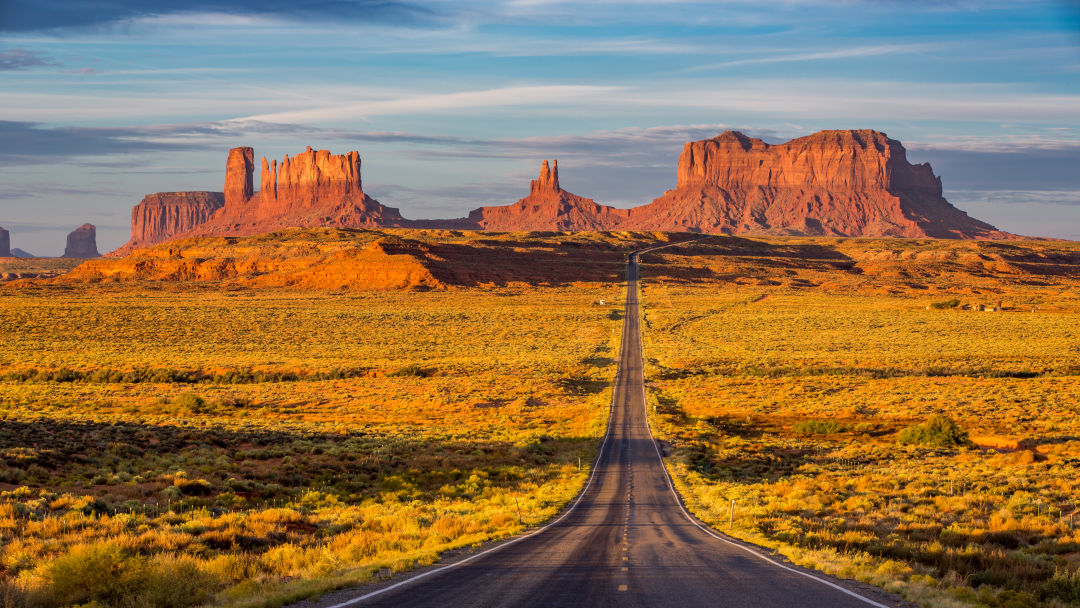
While driving is the most popular and flexible way to travel from Arizona to Las Vegas, other options are available, each with its own set of advantages.
Flying
For those seeking to minimize travel time, flying is a viable option.
- Airports: The primary airports serving this route are Phoenix Sky Harbor International Airport (PHX) and Tucson International Airport (TUS) in Arizona, connecting to McCarran International Airport (LAS) in Las Vegas.
- Flight Duration: Direct flights are typically short, around 1 hour to 1 hour and 15 minutes.
- Considerations: While significantly faster in terms of air time, remember to factor in the time required for travel to and from airports, check-in, security, and baggage claim. The overall door-to-door time might be comparable to driving for certain routes, but it eliminates the need for overnight stops on longer journeys and the fatigue associated with driving long distances. Flights can also be more expensive than driving, especially for groups traveling together.
Bus Travel
For budget-conscious travelers, bus services offer an economical way to reach Las Vegas from various points in Arizona.
- Providers: Companies like Greyhound and others operate routes connecting major Arizona cities to Las Vegas.
- Travel Time: Bus journeys are generally longer than driving, often taking 6 to 10 hours or more, depending on the starting point and the number of stops.
- Pros: This option can be very cost-effective, especially for solo travelers. It also allows you to relax and avoid the stress of driving.
- Cons: The extended travel time and limited flexibility are significant drawbacks. Luggage restrictions may also apply.
Planning Your Trip: Key Considerations
Regardless of your chosen mode of transportation, thorough planning will ensure a smoother and more enjoyable journey from Arizona to Las Vegas.
Route Optimization
When driving, utilizing GPS navigation apps is highly recommended. These services provide real-time traffic updates, suggest alternative routes if issues arise, and can help you find the quickest way to your destination. Consider downloading offline maps in case of areas with poor cellular service.
Vehicle Maintenance and Preparation
For those driving, ensure your vehicle is in good condition. Check tires, brakes, fluids, and air conditioning, especially if traveling during the warmer months. Carry essential emergency supplies, such as water, snacks, a first-aid kit, jumper cables, and a spare tire.
Time Zones
It’s important to note that Arizona (except for the Navajo Nation) does not observe Daylight Saving Time, while Nevada does. This means that during the periods when Daylight Saving Time is active, Las Vegas will be one hour ahead of most of Arizona. Always be mindful of this time difference when making plans or appointments.
Stopovers and Attractions
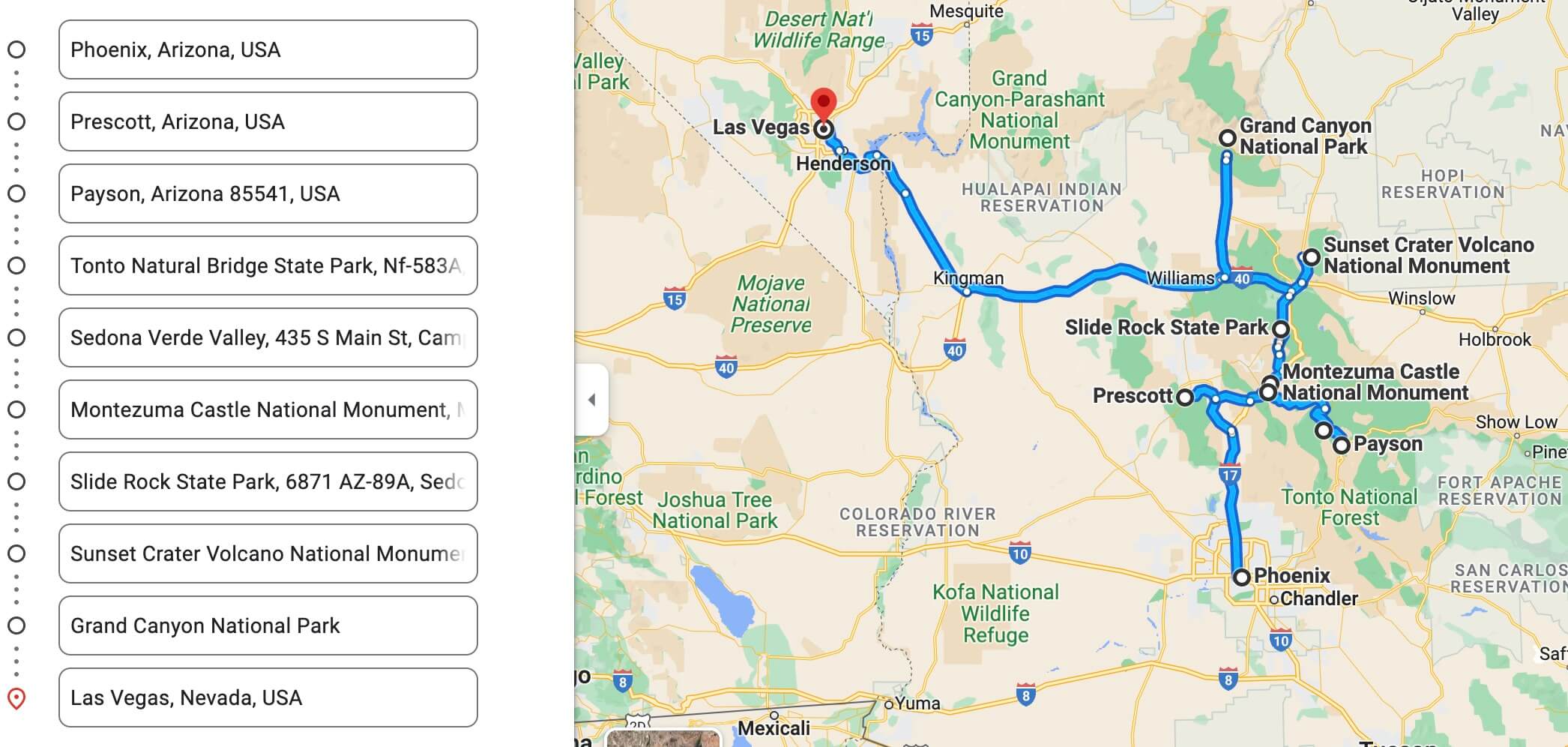
The drive from Arizona to Las Vegas passes through diverse landscapes and offers opportunities to explore unique attractions.
- Hoover Dam: As mentioned, this engineering marvel is a popular stop along the US-93 route and offers tours and stunning views.
- Kingman, Arizona: Known as the “Heart of Historic Route 66,” Kingman offers a glimpse into the golden age of American road travel with its Route 66 Museum.
- Seligman, Arizona: Another historic Route 66 town, Seligman is often cited as the inspiration for the town of Radiator Springs in the Disney/Pixar film “Cars.” It’s a charming place to experience nostalgic Americana.
- Grand Canyon National Park: For those starting further north or planning a longer trip, a detour to the awe-inspiring Grand Canyon is a must. The South Rim is accessible from Flagstaff and offers unparalleled vistas.
Accommodation and Booking
Once you’ve determined your travel method and duration, securing accommodation in Las Vegas is the next step. The city offers an extensive range of options, from luxurious resorts on the Las Vegas Strip like the Bellagio and Wynn Las Vegas, to more budget-friendly hotels and off-Strip options. Booking in advance, especially during major events or holidays, is highly recommended to secure the best rates and availability.
Weather Considerations
Arizona and Nevada are desert states, and temperatures can be extreme, particularly during summer. Be prepared for high heat, especially if traveling by car. Ensure your vehicle’s air conditioning is in working order, and stay hydrated. Winter months can bring cooler temperatures, and higher elevations in Arizona may experience snow. Always check the weather forecast before your departure.
In conclusion, the distance from Arizona to Las Vegas is a manageable undertaking for most travelers. By understanding the specific distances from major cities, considering various travel methods, and planning effectively for route optimization, vehicle preparation, and potential attractions along the way, your journey to the vibrant heart of Nevada can be an integral and enjoyable part of your travel experience.
LifeOutOfTheBox is a participant in the Amazon Services LLC Associates Program, an affiliate advertising program designed to provide a means for sites to earn advertising fees by advertising and linking to Amazon.com. Amazon, the Amazon logo, AmazonSupply, and the AmazonSupply logo are trademarks of Amazon.com, Inc. or its affiliates. As an Amazon Associate we earn affiliate commissions from qualifying purchases.