
When planning a southern road trip through the heart of the United States, understanding the geographical relationship between Arkansas and Louisiana is essential. These two states share a border that acts as a gateway between the rugged, mountainous terrain of the Ozarks and the lush, swampy bayous of the Deep South. Whether you are driving for business or seeking a leisurely vacation that spans the diverse landscapes of the Mississippi River Valley, knowing the travel logistics is the first step toward a successful journey.
Geographical Proximity and Travel Times
The distance between these two states is remarkably manageable, making a cross-border excursion a favorite for regional travelers. Because the two states share a direct land border, the “distance” depends entirely on your specific point of departure and your final destination.

Driving from Little Rock to Shreveport
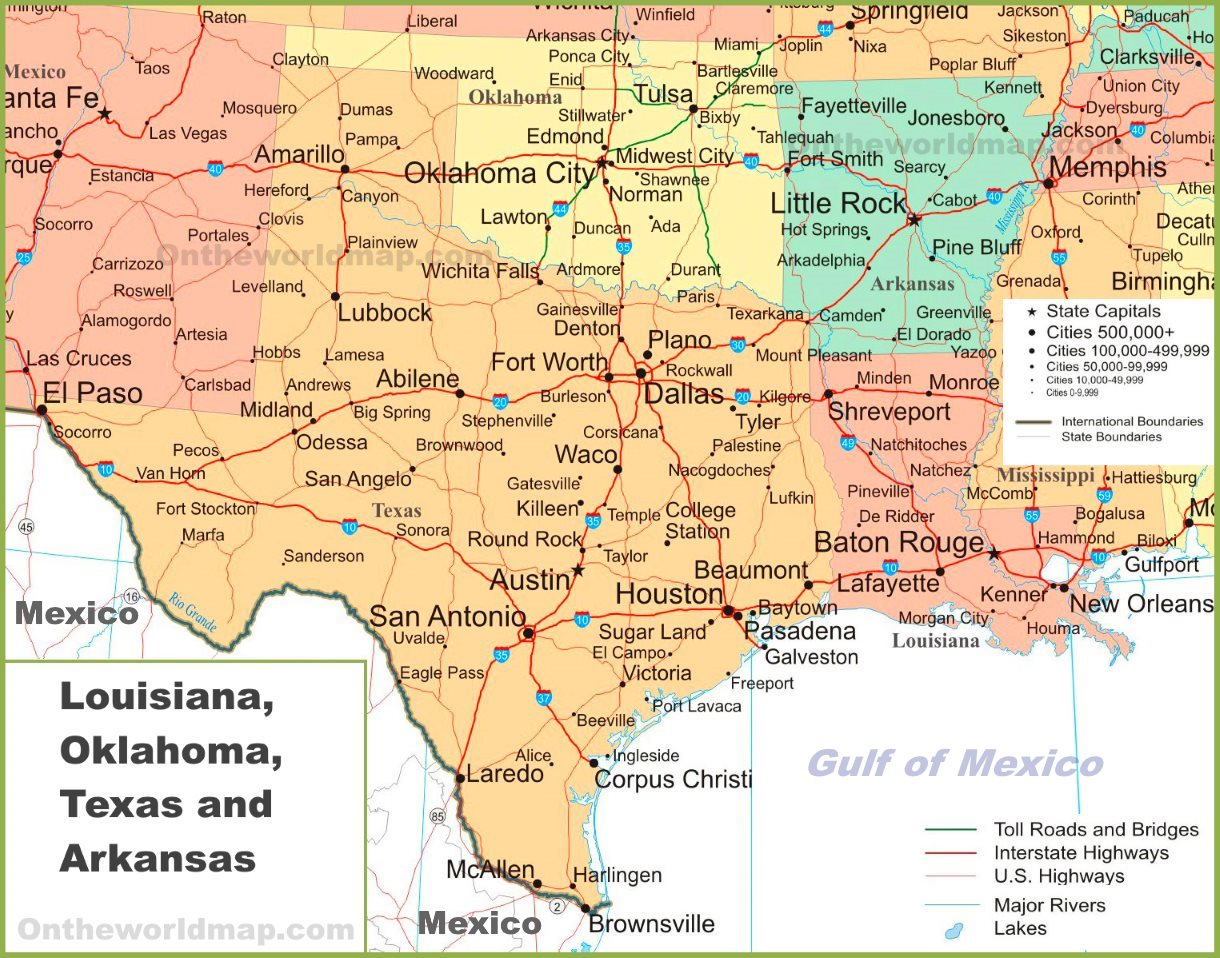
If your journey begins in Little Rock, the capital of Arkansas, and you are heading toward Shreveport, Louisiana, you are looking at a drive of approximately 180 miles. Taking Interstate 49 South, most travelers can make this trip in roughly two and a half to three hours, depending on traffic conditions and how many stops you make along the way. This route is a popular corridor for those looking to swap the pine forests of the north for the cultural hubs of the south.
The Delta Route: From Pine Bluff to Monroe
For those traveling along the eastern side of the states, the route from Pine Bluff to Monroe offers a different perspective. Following U.S. Highway 65, the drive covers about 130 miles. This journey takes you through the heart of the Mississippi Delta, a region famous for its fertile soil, blues music history, and agricultural heritage. It is a shorter, more intimate drive that usually takes about two hours, providing a glimpse into the rural life that defines much of the border region.
Choosing the Best Route for Your Road Trip
Not all travel is measured in miles; sometimes, it is measured by the quality of the scenery and the attractions along the path. Depending on whether you prefer modern interstate highways or scenic byways, your experience moving between these two states can vary significantly.
The Interstate Advantage
Interstate 49 is the primary artery connecting the two states. It is the most efficient choice for travelers who value time and predictability. By staying on this highway, you maintain a consistent speed and pass through several major hubs, making it easy to find fuel, dining options, and lodging. If you are hauling gear for a family vacation or are on a strict schedule for a business meeting in Baton Rouge or Fayetteville, the interstate system is your best ally.
The Scenic Byway Experience
If you have the luxury of time, consider eschewing the highways for state routes that hug the rivers and pass through smaller, historic towns. Traveling through El Dorado on your way into northern Louisiana allows for a slower pace. These backroads often feature unique local diners, historical markers detailing Civil War history, and natural vistas that are bypassed by the faster, more industrial routes.
Top Destinations to Visit on Your Journey
To truly appreciate the transition between these two states, one must plan stops that highlight the unique character of both regions. The journey itself should be as rewarding as the destination.
The Cultural Shift from the Ozarks to the Bayous
As you travel southward, the geography undergoes a fascinating transformation. You begin in the elevation of the Ouachita Mountains, characterized by deep forests and rocky outcrops. As you cross into Louisiana, the topography flattens, the humidity rises, and the landscape is dominated by river deltas and cypress swamps.
- Hot Springs: Start your trip in Hot Springs, a historic resort town in Arkansas known for its thermal waters and stunning national park.
- Natchitoches: Once you cross the border into Louisiana, a stop in Natchitoches is highly recommended. As the oldest permanent settlement in the Louisiana Purchase, its architecture and history offer a perfect transition point for your travel.
Wildlife and Natural Reserves
Both states are home to incredible outdoor experiences. Before leaving Arkansas, consider visiting the White River National Wildlife Refuge, which offers world-class bird watching and fishing. Once in Louisiana, exploring the Atchafalaya Basin provides a starkly different, yet equally captivating, outdoor experience. The proximity of these two natural wonders allows for a diverse itinerary that appeals to any nature enthusiast.
Planning Tips for a Seamless Trip
Traveling between Arkansas and Louisiana requires more than just a GPS. To ensure your trip is smooth and enjoyable, keep these logistical tips in mind:
- Monitor Weather Patterns: Both states are prone to intense thunderstorms, particularly in the spring and summer. Check local forecasts before departing, as visibility can drop quickly during heavy downpours.
- Plan for Fuel Stops: While major routes are well-populated with gas stations, some of the more scenic, rural routes can have long stretches without services. Keep your tank at least half-full when traveling off the beaten path.
- Cultural Readiness: Remember that you are transitioning from the “Natural State” to the “Pelican State.” The culinary landscape will shift from heavy influences of soul food and comfort cooking to the unique Creole and Cajun flavors of the south. Be prepared to stop for authentic gumbo or crawfish when you arrive in towns like Lafayette.

Final Considerations for the Cross-Border Traveler
The distance between these two neighbors is small, but the variety of experiences they offer is vast. Whether you are traveling for a long weekend, a family road trip, or a professional commitment, the drive across the state line is an opportunity to see how the Southern United States blends geography, history, and culture.
Whether you are heading north to experience the outdoor adventure of Fort Smith or driving south to enjoy the vibrant jazz and culinary scene of New Orleans, the journey between Arkansas and Louisiana is a quintessential American road trip. By understanding the routes, planning your stops, and embracing the change in environment, you can turn a simple transit into a memorable part of your travel story. Always remember to pack appropriately for the shifting climate and remain flexible enough to pull off the road when you see an interesting sign or a local landmark worth exploring. Safe travels on your journey through this beautiful corner of the country.
LifeOutOfTheBox is a participant in the Amazon Services LLC Associates Program, an affiliate advertising program designed to provide a means for sites to earn advertising fees by advertising and linking to Amazon.com. Amazon, the Amazon logo, AmazonSupply, and the AmazonSupply logo are trademarks of Amazon.com, Inc. or its affiliates. As an Amazon Associate we earn affiliate commissions from qualifying purchases.