
Entering into a co-tenancy agreement for a long-term rental in New Mexico is a significant commitment. Whether you are splitting an apartment in Albuquerque or sharing a villa in Santa Fe, understanding your legal standing is essential for protecting your interests. In the context of long-term accommodation, cotenancy refers to a situation where two or more individuals sign a single lease agreement with a landlord, assuming joint and several liability for the obligations of that lease.
Understanding Joint and Several Liability
In the realm of long-term residential leasing, “joint and several liability” is the cornerstone of the cotenancy relationship. This legal concept means that while you and your roommates may have an informal agreement to split the rent equally, the landlord views you as a single, unified entity.
The Financial Implications for Roommates
When you sign a lease as a cotenant in New Mexico, you are collectively responsible for the total rent amount. If one roommate fails to pay their share, the landlord has the legal right to pursue any or all of the remaining cotenants for the full balance. This is why it is vital to vet potential roommates thoroughly before entering into a binding contract for a property in hubs like Las Cruces. Your landlord is not typically obligated to mediate internal disputes regarding who owes what; they are only concerned with the timely payment of the full monthly rent.
Lease Terminations and Renewals
Joint liability often extends to lease termination protocols. If the lease is structured such that all tenants must provide notice, one individual generally cannot unilaterally terminate the lease for the entire unit. Understanding how your lease addresses “holdover” periods or automatic renewals is critical. If your co-tenants decide to vacate while you wish to stay, you may find yourself in a precarious position regarding the security deposit and the potential for a new lease negotiation.
Security Deposit Rights and Distribution
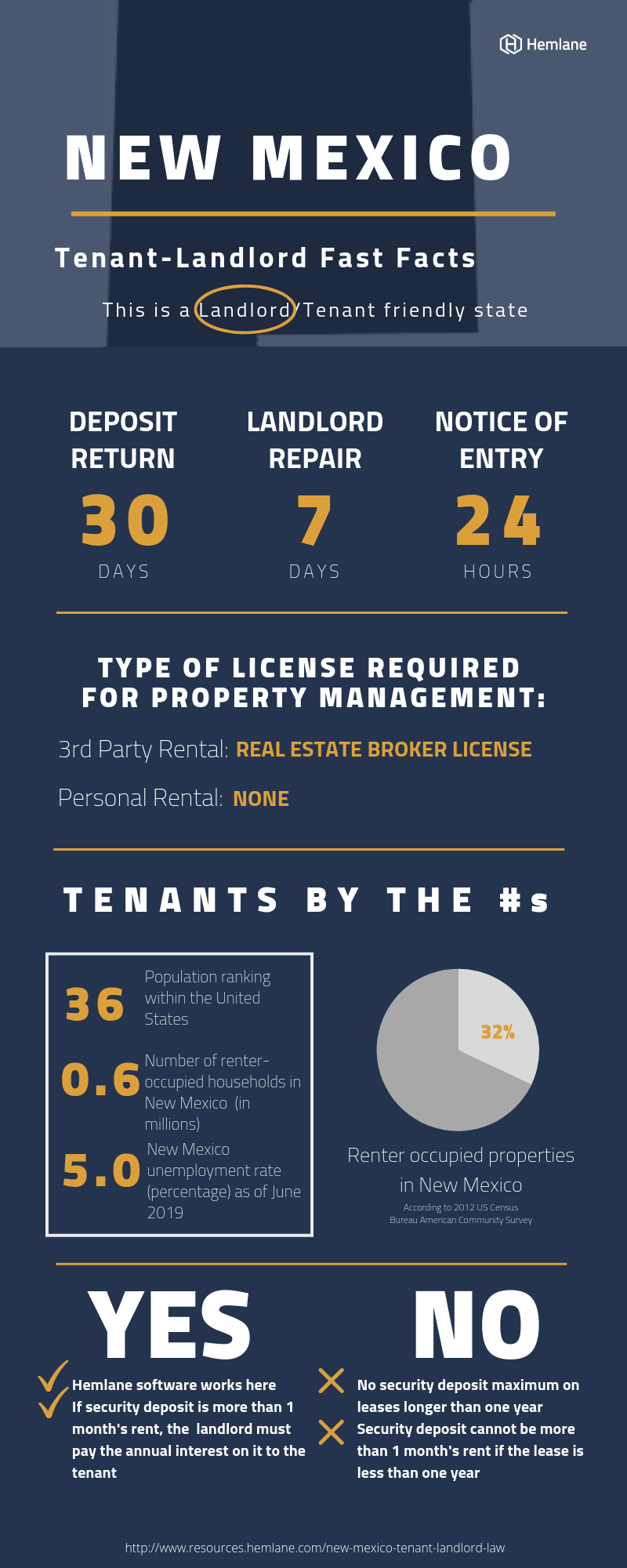
The security deposit is often the most contentious aspect of a long-term lease. Under New Mexico law, the landlord holds the deposit as collateral against damages, unpaid rent, or lease violations.
The “One Deposit” Rule
Most landlords in New Mexico view the security deposit as a single, indivisible fund. When a tenant moves out before the others, the landlord is rarely required to perform a partial refund. Typically, the deposit is returned only after all tenants have vacated the premises at the end of the lease term.
Documenting Condition Upon Move-In
To protect your rights, cotenants should conduct a thorough walkthrough of the property upon move-in. Whether you are living near Taos Pueblo or in a modern development in Rio Rancho, ensure that every existing scratch, stain, or broken fixture is documented in writing. Because you are joint tenants, you could potentially be held liable for damage caused by a roommate if that damage is not clearly attributed to their specific bedroom or common area use before you move out.

Managing Subletting and Roommate Changes
Life circumstances often change during a long-term lease, leading to a desire to sublet or replace a cotenant. In New Mexico, your rights to sublet are almost entirely dictated by the language of your lease agreement.
Restrictions on Subletting
Many standard lease agreements include clauses that strictly prohibit subletting or assigning the lease without prior written consent from the landlord. If you are residing in a managed property like a Marriott extended-stay facility or a private residential complex, the management may require a formal application process for any new roommate. Always review your original contract before attempting to swap roommates; failing to notify the landlord can be considered a breach of contract, providing grounds for eviction.
The “Roommate Addendum”
When a roommate moves out and a new one moves in, the best practice is to execute a roommate addendum. This document updates the lease with the landlord and ensures the new tenant is officially bound by the terms of the agreement. This protects the original cotenants from being solely responsible for the new person’s conduct or financial contributions. It also helps in clearly defining the start and end dates of each tenant’s responsibility within the broader framework of the lease.
Conflict Resolution and Legal Protections
Living with others requires a degree of diplomacy, but it is important to know where the law draws the line regarding your rights as a resident.
Right to Quiet Enjoyment
Regardless of who pays what portion of the rent, every tenant on the lease has an equal right to the “quiet enjoyment” of the premises. This means that a co-tenant does not have the right to harass, intimidate, or unreasonably restrict your access to common areas like the kitchen or living room. If a roommate’s behavior interferes with your ability to reside in the property, you may have legal recourse, though this is often difficult to enforce through the landlord alone.
Disputes Between Cotenants
Internal disputes between roommates are usually considered civil matters rather than landlord-tenant issues. If one roommate refuses to pay their share of the rent or utilities, your primary remedy may be to bring an action in small claims court. While this is a lengthy and stressful process, it is sometimes the only way to recover funds. To mitigate this risk, many successful co-tenants in cities like Santa Fe draft a private “Roommate Agreement”—a side contract that outlines rules for cleaning, chores, guest policies, and how to handle financial shortfalls.

Essential Documentation
Always keep a paper trail of all communications with your landlord and your roommates. If a dispute arises regarding a security deposit or a request for repairs, having dated records can be the difference between a successful resolution and a forfeited claim. Whether you are navigating the rental market in Albuquerque or finding a long-term home in a quiet rural corner of New Mexico, being proactive about your rights and responsibilities will ensure a much smoother living experience.
Remember that while your lease serves as the definitive legal document governing your relationship with the landlord, your relationship with your cotenants is best managed through clear, written agreements. By understanding the implications of joint liability and maintaining meticulous records, you can safeguard your interests throughout the duration of your stay.
LifeOutOfTheBox is a participant in the Amazon Services LLC Associates Program, an affiliate advertising program designed to provide a means for sites to earn advertising fees by advertising and linking to Amazon.com. Amazon, the Amazon logo, AmazonSupply, and the AmazonSupply logo are trademarks of Amazon.com, Inc. or its affiliates. As an Amazon Associate we earn affiliate commissions from qualifying purchases.