
Aspen, Colorado, renowned for its world-class skiing, vibrant cultural scene, and unparalleled luxury, beckons travelers from across the globe. Many visitors begin their journey in the bustling city of Denver, the Mile High City, which serves as a major transportation hub for the Rocky Mountain region. Understanding the distance and travel time between Denver and Aspen is crucial for planning a seamless and enjoyable trip to this iconic mountain destination. This guide delves into the various aspects of traversing this popular route, offering insights for different travel preferences and needs.
Driving to Aspen: Routes and Road Conditions
The most common and often the most scenic way to reach Aspen from Denver is by car. The journey typically takes between 3.5 to 4.5 hours, depending on traffic, weather conditions, and the specific route chosen. Two primary routes are available, each offering distinct experiences and considerations.
The I-70 West Corridor
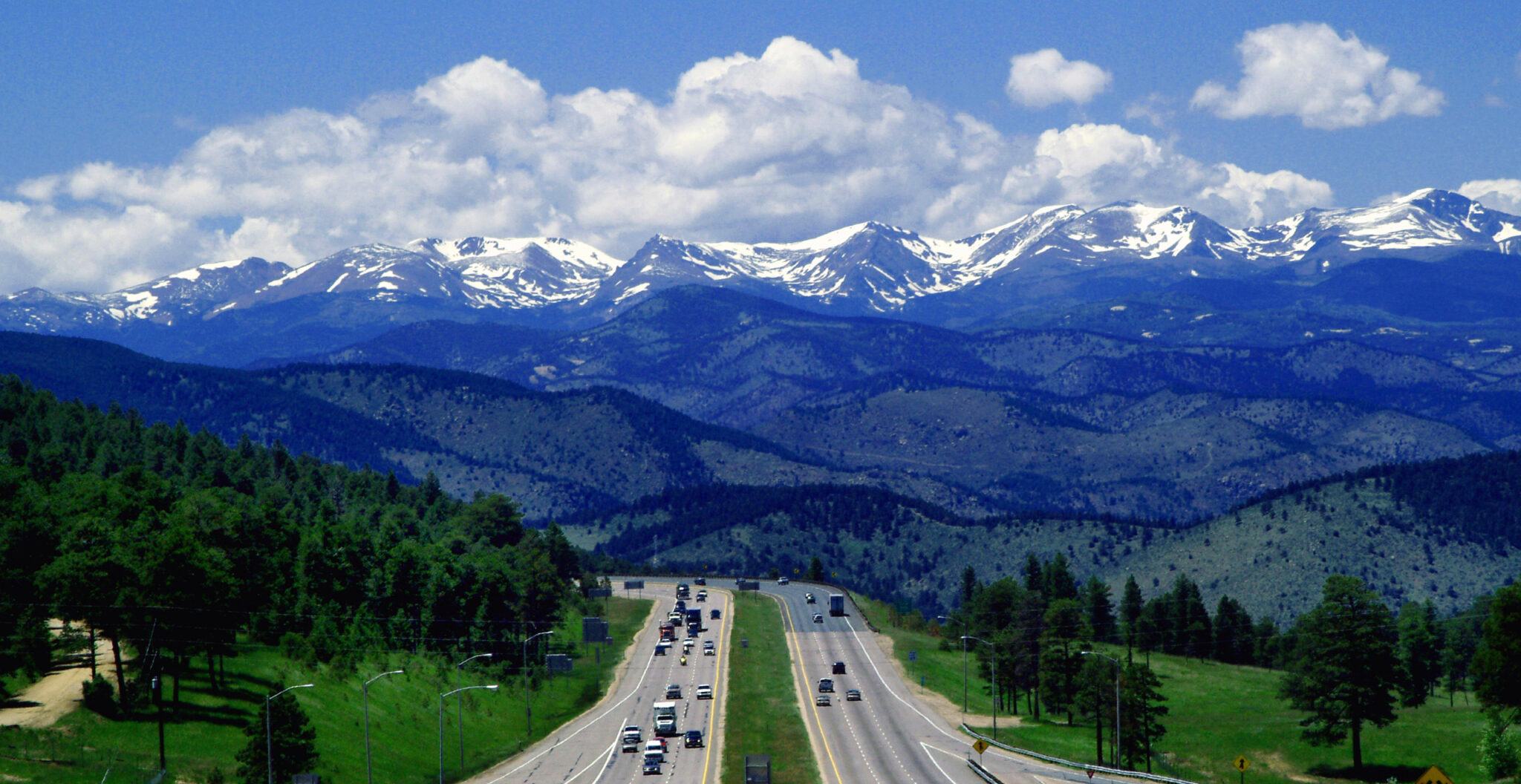
The most direct and frequently used route is via Interstate 70 West. This highway winds through the heart of the Colorado Rockies, providing breathtaking vistas of snow-capped peaks, dense evergreen forests, and dramatic canyons.
-
The Path: From Denver, you’ll head west on I-70. The drive ascends rapidly into the mountains, passing through towns like Golden and Georgetown. A significant portion of the journey involves traversing the Eisenhower Tunnel, one of the highest vehicular tunnels in the world. After the tunnel, you’ll continue through Vail and Avon before reaching the turn-off for Aspen. The exit is typically Exit 163, leading you onto Colorado State Highway 82 East towards Aspen.
-
Distance: This route spans approximately 200 miles.
-
Travel Time: Under ideal conditions, the drive is around 3.5 to 4 hours. However, traffic congestion, especially during peak ski season weekends and holidays, can significantly extend this time. Construction projects, which are common during warmer months, can also cause delays.
-
Road Conditions and Advisories: Winter driving on I-70 requires careful attention. Chain laws can be enacted during severe snowstorms, mandating that vehicles carry or use snow tires and chains. It is imperative to check Colorado Department of Transportation (CDOT) advisories for real-time road conditions, closures, and weather forecasts before setting out. High mountain passes can experience sudden and drastic weather changes.
The Independence Pass Route (Seasonal)
For those seeking a more dramatic and historically significant drive, the Independence Pass route offers unparalleled scenic beauty. However, this route is only accessible during the summer months due to heavy snowfall in winter.
-
The Path: This route also begins on I-70 West from Denver. Instead of continuing on I-70 past Twin Lakes, you will take Colorado State Highway 82 South. Highway 82 then ascends to the summit of Independence Pass, which is the highest paved mountain pass in North America, reaching an elevation of 12,095 feet. The descent into the Roaring Fork Valley is steep and winding, offering spectacular views before leading directly into Aspen.
-
Distance: This route is slightly shorter in distance, approximately 180 miles.
-
Travel Time: The drive is typically around 3.5 to 4 hours, assuming good weather and no significant stops. The challenging nature of the road, with its hairpin turns and steep inclines, often means a slower pace is necessary.
-
Seasonality and Advisories: Independence Pass is usually closed from late October or November through late May or early June, depending on snow accumulation. When open, it provides a stunning, albeit adventurous, alternative to the I-70 route. Drivers should be prepared for narrow roads, steep drop-offs, and potential encounters with cyclists and hikers. This route is not recommended for large RVs or trailers due to its tight turns.
Flying to Aspen: Airports and Flight Options
For travelers prioritizing speed and convenience, flying into Aspen/Pitkin County Airport (ASE) is the most direct option. Denver International Airport (DEN) is the primary gateway for many seeking to reach Aspen.
Flights from Denver International Airport (DEN) to Aspen/Pitkin County Airport (ASE)
While direct flights between Denver and Aspen are not consistently offered by major carriers year-round, they do exist, particularly during the busy winter ski season.
-
Airlines: United Airlines is a primary carrier that operates flights to Aspen/Pitkin County Airport from Denver. These flights are often on smaller aircraft suited for the mountain airport’s runway.
-
Flight Duration: The flight time itself is very short, typically around 45 minutes to an hour.
-
The Experience: Flying into Aspen/Pitkin County Airport is an experience in itself. The airport is nestled in a valley, and the approach can be dramatic, offering spectacular aerial views of the surrounding Colorado Mountains. Pilots require special training to land at ASE due to the challenging terrain and runway conditions.
-
Booking and Alternatives: It’s advisable to book flights well in advance, especially during peak seasons, as availability can be limited and prices can rise sharply. If direct flights from Denver are unavailable or too costly, travelers can fly into larger regional airports such as Eagle County Regional Airport (EGE) or Grand Junction Regional Airport (GJT), and then arrange for ground transportation to Aspen. This will add significantly to the overall travel time.

Ground Transportation from Aspen/Pitkin County Airport (ASE)
Upon arrival at Aspen/Pitkin County Airport, you will find various options for reaching your accommodation in Aspen.
-
Taxis and Ride-Sharing: Taxis are readily available at the airport. Ride-sharing services may also operate, though availability can vary.
-
Shuttles: Many hotels and resorts in Aspen offer complimentary shuttle services for their guests. It’s recommended to confirm this with your accommodation provider in advance. Private shuttle services can also be booked.
-
Rental Cars: Rental car agencies are located at the airport for those who prefer the flexibility of driving themselves. However, parking in Aspen can be challenging and expensive, especially during peak season. Many visitors find that once in Aspen, they can rely on the town’s excellent public transportation and walking accessibility.
Bus and Shuttle Services: A Convenient Alternative
For those who prefer not to drive or fly, several bus and shuttle services offer reliable transportation between Denver and Aspen. These services are particularly popular for their affordability and convenience, allowing passengers to relax and enjoy the scenery.
Major Shuttle Operators
Several companies specialize in providing comfortable and frequent shuttle services.
-
Companies: Leading providers include Colorado Mountain Express (CME), which is now part of Epic Mountain Express, and other independent shuttle operators. These services typically run from Denver International Airport and various locations within Denver directly to Aspen.
-
Travel Time: The bus journey generally mirrors the driving time, ranging from 3.5 to 4.5 hours, depending on the route and traffic.
-
Booking and Amenities: Booking in advance is highly recommended, especially during busy periods. Most shuttles offer comfortable seating, ample luggage space, and often Wi-Fi. Some may offer stops at other mountain towns along the way, providing opportunities for brief breaks.
Advantage of Shuttle Services
Opting for a shuttle service eliminates the stress of navigating mountain roads, dealing with potential winter driving hazards, or finding parking in Aspen. It allows passengers to fully appreciate the stunning mountain landscapes without the responsibility of driving. This is an excellent option for solo travelers, couples, or groups who want a hassle-free transfer.
Considerations for Your Journey
When planning your trip from Denver to Aspen, several factors can influence your choice of transportation and the overall experience.
Time of Year and Weather
The season plays a significant role. Winter travel demands careful preparation, with potential for road closures and the need for winter tires or chains. Summer offers more driving options, including the scenic Independence Pass, but can still experience afternoon thunderstorms. Spring and fall are shoulder seasons, often offering fewer crowds and more moderate weather, but requiring vigilance for unpredictable mountain conditions.
Budget
Flying into Aspen/Pitkin County Airport is generally the most expensive option. Driving yourself allows for cost control, especially if traveling with multiple passengers to share fuel and potential lodging costs. Shuttle services offer a mid-range option that balances cost with convenience.
Travel Companions and Luggage
If you are traveling with a family or a group with a lot of ski equipment, renting a car or van might be the most practical choice. Solo travelers or couples might find shuttle services or flights more appealing. Consider the amount of luggage you will be bringing, as this can impact the comfort and cost of your chosen mode of transport.

Flexibility and Experience
For those who enjoy the freedom of spontaneous stops and exploring off-the-beaten-path locations, driving is the clear winner. If your priority is to reach Aspen quickly and without the responsibilities of driving, flying or taking a shuttle are ideal. Ultimately, understanding the distance, travel time, and available options will help you choose the journey that best suits your Aspen adventure.
LifeOutOfTheBox is a participant in the Amazon Services LLC Associates Program, an affiliate advertising program designed to provide a means for sites to earn advertising fees by advertising and linking to Amazon.com. Amazon, the Amazon logo, AmazonSupply, and the AmazonSupply logo are trademarks of Amazon.com, Inc. or its affiliates. As an Amazon Associate we earn affiliate commissions from qualifying purchases.