
For many travelers across the Southeastern United States, the journey between Atlanta, Georgia, and Orlando, Florida, represents a gateway to either bustling urban landscapes or sun-drenched theme park adventures. Whether you’re a business traveler connecting major economic hubs or a family embarking on a highly anticipated vacation, understanding the distance and the various travel options available is crucial for seamless planning. This comprehensive guide will delve into the geographical realities, explore different modes of transportation, and offer valuable insights to help you navigate this popular route efficiently and enjoyably.
Understanding the Distance: Atlanta to Orlando
The first step in planning any trip is to grasp the fundamental logistics of the journey, primarily the distance involved and the time it will take to cover it. The path between Atlanta and Orlando is a well-traveled corridor, linking two of the region’s most dynamic cities.

The Straight Line vs. Driving Distance
When looking at a map, the “as the crow flies” or straight-line distance between Atlanta and Orlando is approximately 345 miles (555 kilometers). This metric is useful for understanding the general proximity but holds little practical value for ground travel. For those planning to drive, the actual road distance is considerably longer due to the winding nature of highways and necessary deviations. The typical driving distance ranges from about 435 to 450 miles (700 to 725 kilometers), depending on the specific route taken and starting/ending points within each metropolitan area.
Key Geographical Considerations
The route primarily traverses through Georgia and then down through the heart of Florida. While the terrain is generally flat, especially once you enter Florida, factors such as major cities along the way (like Macon or Jacksonville) can influence traffic patterns and travel times. Southern Georgia offers stretches of scenic, open highway, while central Florida is characterized by citrus groves and sprawling urban developments leading into Orlando.
General Travel Time Estimates
The time it takes to travel from Atlanta to Orlando can vary significantly based on your chosen mode of transport:
- Driving: Without significant stops, a direct drive typically takes between 6.5 to 8 hours. This duration can easily extend to 9-10 hours or more with traffic, meal breaks, and fuel stops.
- Flying: A direct flight usually clocks in at around 1 hour and 15 minutes to 1 hour and 30 minutes. However, when accounting for airport check-in, security, boarding, and deplaning, the total door-to-door travel time will be much longer, often ranging from 4 to 6 hours.
- Bus: Bus journeys are the longest, typically taking between 9 to 12 hours, sometimes more, due to multiple stops and potential transfers.
- Train: Amtrak routes are often circuitous and include layovers, making train travel a considerably longer option, often exceeding 12-15 hours.
Understanding these baseline estimates is fundamental to selecting the best travel method for your specific needs and schedule.
Driving the Route: A Detailed Journey
For many, the road trip is the preferred method of travel, offering flexibility, cost savings for groups, and the opportunity to explore sights along the way. The drive from Atlanta to Orlando is relatively straightforward, primarily following major interstates.
Primary Driving Routes (I-75 and I-95)
The most common and efficient driving route involves a combination of two major interstates:
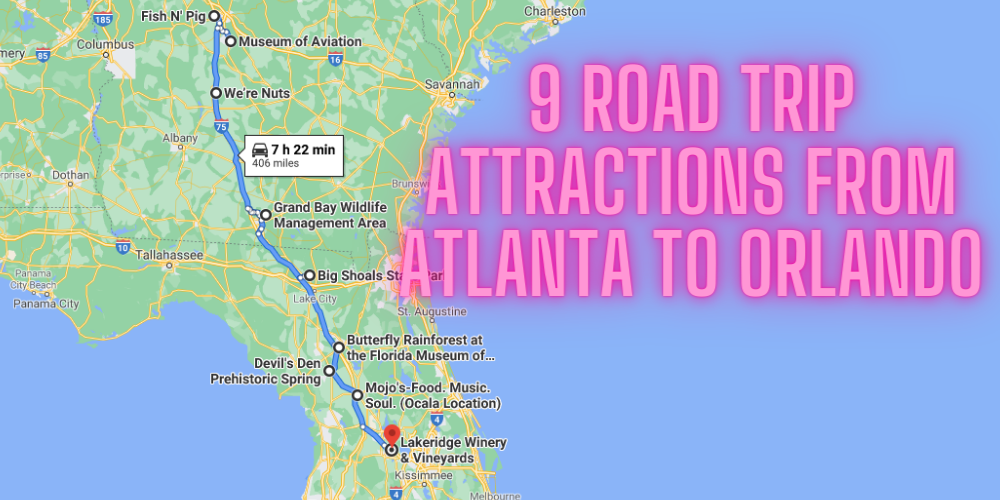
- I-75 South to I-10 East to I-95 South (then I-4): From Atlanta, you’ll head south on I-75 through Macon. Near Valdosta, Georgia, you’ll veer southeast to connect with I-10 East, which you’ll follow briefly until you reach Jacksonville, Florida. From Jacksonville, take I-95 South towards Daytona Beach and then connect to I-4 West, which leads directly into Orlando. This route is roughly 435-450 miles and is often preferred for its clear interstate navigation.
- I-75 South (through central Florida): An alternative, slightly shorter in mileage but sometimes not in time, involves staying on I-75 south through Gainesville and Ocala, then connecting to various state routes or the Florida Turnpike (a toll road) to reach Orlando. While this cuts out the eastern loop through Jacksonville, traffic and tolls on the Turnpike can sometimes negate the mileage advantage.
Expected Driving Duration and Factors
As mentioned, expect 6.5 to 8 hours of pure driving time. However, several factors can influence this:
- Traffic: Both Atlanta and Orlando are major metropolitan areas prone to rush hour congestion. Departures outside peak hours (early morning or late evening) can save significant time. Traffic around Jacksonville can also be a factor.
- Weather: Heavy rain, fog, or severe storms, particularly common in the Southeastern United States, can slow down travel considerably.
- Construction: Roadwork is an ongoing reality on major interstates. Check the Georgia Department of Transportation and Florida Department of Transportation websites for real-time updates.
- Stops: Fuel, food, and restroom breaks are essential. Factor in at least 1-2 hours for these necessary pauses.
Recommended Stopovers and Attractions Along the Way
Breaking up the drive can make the journey more enjoyable.
- Macon, Georgia: Located about 1.5 hours south of Atlanta on I-75, Macon offers a convenient first stop for fuel and a stretch. You can explore its historic district or grab a quick bite.
- Jacksonville, Florida: If taking the I-95 route, Jacksonville is roughly halfway. It’s a large city with numerous dining options and serves as a good overnight stop if you’re splitting the drive over two days.
- St. Augustine, Florida: Just south of Jacksonville on I-95, St. Augustine is the nation’s oldest continuously inhabited European-established settlement. It’s a fantastic detour for history buffs, offering the Castillo de San Marcos and a charming historic downtown.
- Gainesville or Ocala, Florida: If opting for the central Florida I-75 route, these cities offer plenty of amenities for a stop. Ocala is particularly known for its horse country.
Tips for a Smooth Road Trip
- Tolls: Be aware that some routes in Florida, particularly the Turnpike, are toll roads. Consider purchasing a SunPass or similar transponder if you plan to frequently use toll roads in Florida, or ensure you have cash or a compatible credit card. Some rental cars come with toll transponders.
- Traffic Apps: Utilize navigation apps like Google Maps, Waze, or Apple Maps for real-time traffic updates and alternative route suggestions.
- Vehicle Check: Before departing, ensure your vehicle is in good condition: check tire pressure, fluid levels, and brakes.
- Entertainment: Prepare playlists, podcasts, or audiobooks for entertainment, especially during long stretches of highway.
- Snacks and Drinks: Pack a cooler with water and snacks to minimize stops and save money.
Flying Between the Cities: Speed and Convenience
For those prioritizing speed and convenience, flying is undoubtedly the quickest way to travel between Atlanta and Orlando. Both cities host major international airports, offering frequent connections.
Major Airports
- Hartsfield-Jackson Atlanta International Airport (ATL): Consistently ranked among the busiest airports in the world, ATL serves as a major hub for Delta Air Lines and offers extensive domestic and international connections.
- Orlando International Airport (MCO): The gateway to Central Florida’s theme parks, Orlando International Airport is one of the busiest in Florida, served by a vast array of airlines.
Flight Duration and Frequency
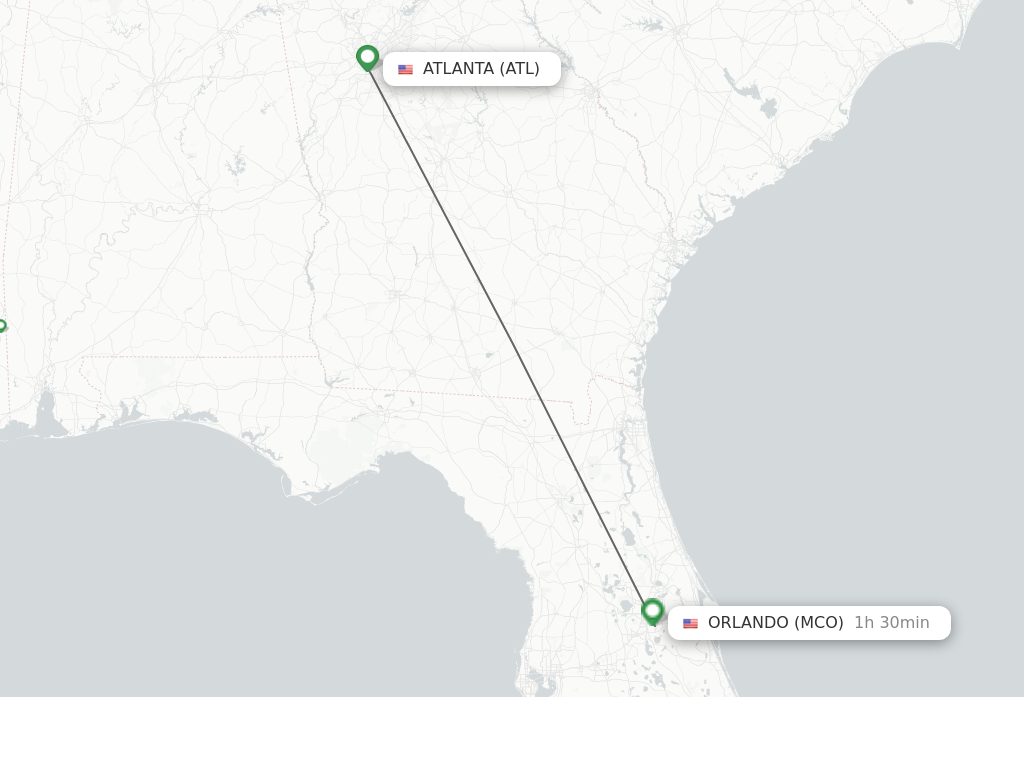
Direct flights between ATL and MCO typically last between 1 hour and 15 minutes to 1 hour and 30 minutes. Given the high demand for this route, there are numerous flights daily, especially through carriers like Delta Air Lines. This high frequency offers flexibility in choosing departure times.
Airlines and Cost Considerations
Several airlines operate on the Atlanta-Orlando route, catering to different budgets and preferences:
- Full-service Carriers: Delta Air Lines and Southwest Airlines offer multiple daily flights, often with more amenities and flexible ticketing options, though typically at a higher price point.
- Budget Airlines: Spirit Airlines and Frontier Airlines provide more economical options, especially if you travel light and don’t require many additional services. Be mindful of baggage fees and other add-ons that can increase the total cost.
Airfare prices fluctuate significantly based on booking time, season, and demand. Booking several weeks or months in advance often yields better deals.
Airport Transfers in Atlanta and Orlando
Upon arrival, consider your ground transportation options:
- Atlanta: From Hartsfield-Jackson Atlanta International Airport, MARTA (Metropolitan Atlanta Rapid Transit Authority) offers direct rail service to downtown and various parts of the city, making it a cost-effective choice. Taxis, ride-sharing services, and rental cars are also readily available.
- Orlando: Orlando International Airport has several options for reaching your final destination, particularly the theme parks. These include taxis, ride-sharing, shuttle services (many hotels and resorts offer this), and rental cars. Orlando’s Lynx bus service connects to various parts of the city, and the SunRail commuter rail system can take you further north or south in the Orlando metro area from a transfer point.
Alternative Travel Options: Bus and Train
While driving and flying are the most popular choices, bus and train services offer viable alternatives for budget-conscious travelers or those who prefer not to drive or fly.
Bus Services (Greyhound, Megabus) – Pros and Cons
- Providers: Major operators like Greyhound and Megabus offer routes between Atlanta and Orlando.
- Pros: Generally the most economical option, especially if booked in advance. You don’t have to worry about driving, parking, or navigation.
- Cons: Significantly longer travel times (9-12+ hours), often with multiple stops and potential delays. Comfort levels are typically lower than other modes, and amenities like Wi-Fi or power outlets might be unreliable. Bus stations are sometimes located in less convenient areas.
Train Travel (Amtrak) – Scenic, but Longer
- Providers: Amtrak operates service that connects Atlanta to Orlando, usually involving a transfer in Jacksonville.
- Pros: Offers a more relaxed and scenic journey compared to bus travel, with more spacious seating and the ability to move around. It’s an environmentally friendlier option.
- Cons: The longest travel time, often exceeding 12-15 hours due to indirect routes and layovers. It can be more expensive than bus travel and sometimes even comparable to budget flights, especially if you don’t book well in advance. Frequency is also lower than flights or buses.
Comparing Costs and Comfort
When considering bus or train, weigh the trade-offs:
- Cost: Bus travel is almost always the cheapest. Train fares can be competitive with flights if booked early, but typically cost more than buses.
- Comfort: Train travel generally offers superior comfort to bus travel, with more legroom, dining cars, and a smoother ride.
- Time: Both are considerably slower than flying or driving directly, making them less ideal for those with tight schedules.
Planning Your Trip: Making the Right Choice
Deciding how to travel from Atlanta to Orlando depends on a combination of personal preferences, budget, and time constraints.
Factors Influencing Your Decision
- Budget: If cost is your primary concern, bus travel or a well-planned road trip (especially with multiple passengers to split fuel costs) will likely be the most economical. Budget airlines can be cheap but factor in baggage fees.
- Time: Flying is the fastest option for door-to-door travel, minimizing transit time. Driving offers flexibility in departure but is a full-day commitment. Bus and train journeys are the slowest.
- Experience: A road trip provides the freedom to explore and make spontaneous stops. Train travel offers a unique, leisurely perspective. Flying is efficient but less eventful.
- Number of Travelers: Driving becomes more cost-effective per person with larger groups. Solo travelers might find flying or bus travel more convenient.
- Luggage: Flying has strict baggage restrictions and fees. Driving allows for more luggage flexibility.
Best Time to Travel
- Avoid Peak Season: High travel seasons (e.g., school holidays, summer, major theme park events) will see higher prices for flights and accommodations, and heavier traffic on the roads.
- Consider Off-Peak Hours: For driving, departing very early in the morning or later in the evening can help avoid rush hour traffic in and around both cities and major stops like Jacksonville.
- Weather: Fall and spring generally offer pleasant weather for driving in Georgia and Florida. Summer brings heat and frequent afternoon thunderstorms, while hurricane season (June-November) warrants checking weather forecasts closely.
Combining Modes of Transport
For some, a hybrid approach might be appealing. For instance, flying into Orlando and then renting a car for local exploration, or driving to a midway point and then taking a regional flight if available (though less common for this specific route).
Essential Packing Considerations for Your Journey
Regardless of your chosen mode of transport, a few packing tips can enhance your journey:
- Snacks and Hydration: Always useful for any journey length.
- Entertainment: Books, headphones, tablets, or portable gaming devices, especially for longer bus or train rides.
- Power Bank: Keep your devices charged, as outlets may not always be available or reliable, particularly on buses or older trains.
- Comfort Items: A neck pillow, blanket, or comfortable shoes can make a big difference on extended journeys.
- Documents: Keep your ID, tickets, and booking confirmations easily accessible.
- Emergency Kit: For drivers, a basic emergency kit, jumper cables, and a first-aid kit are prudent.
The journey from Atlanta, Georgia, to Orlando, Florida, offers a range of options to suit every traveler’s needs and preferences. By understanding the distances, travel times, and specific considerations for each mode of transport, you can plan a trip that is not only efficient but also enjoyable, setting the stage for a memorable experience in either of these vibrant Southeastern United States destinations. Whether you’re heading to Walt Disney World Resort, Universal Orlando Resort, or the Kennedy Space Center Visitor Complex, or simply exploring the charm of Atlanta, a well-planned journey is the first step towards a successful adventure.
LifeOutOfTheBox is a participant in the Amazon Services LLC Associates Program, an affiliate advertising program designed to provide a means for sites to earn advertising fees by advertising and linking to Amazon.com. Amazon, the Amazon logo, AmazonSupply, and the AmazonSupply logo are trademarks of Amazon.com, Inc. or its affiliates. As an Amazon Associate we earn affiliate commissions from qualifying purchases.