
Embarking on a transatlantic journey from the vibrant heart of the American Midwest to the enchanting shores of Ireland is an exciting prospect for many travelers. A common and crucial question that arises in the planning stages is, naturally, “How long is the flight?” While the simple answer often hovers around the 7 to 8-hour mark for a direct flight, the reality is nuanced, influenced by a myriad of factors from specific departure and arrival airports to the complexities of global air traffic and prevailing weather conditions. Understanding these variables is key to setting realistic expectations and effectively planning your adventure across the Atlantic. This guide delves into the specifics of flight durations, common routes, and essential considerations for your journey from Chicago to the Emerald Isle.
Understanding the Direct Flight Duration
For travelers prioritizing efficiency and minimal travel time, a direct, non-stop flight is invariably the preferred option. These direct routes offer the most straightforward path across the Atlantic, connecting major aviation hubs without the interruption of layovers.
Non-stop Journeys: The Gold Standard
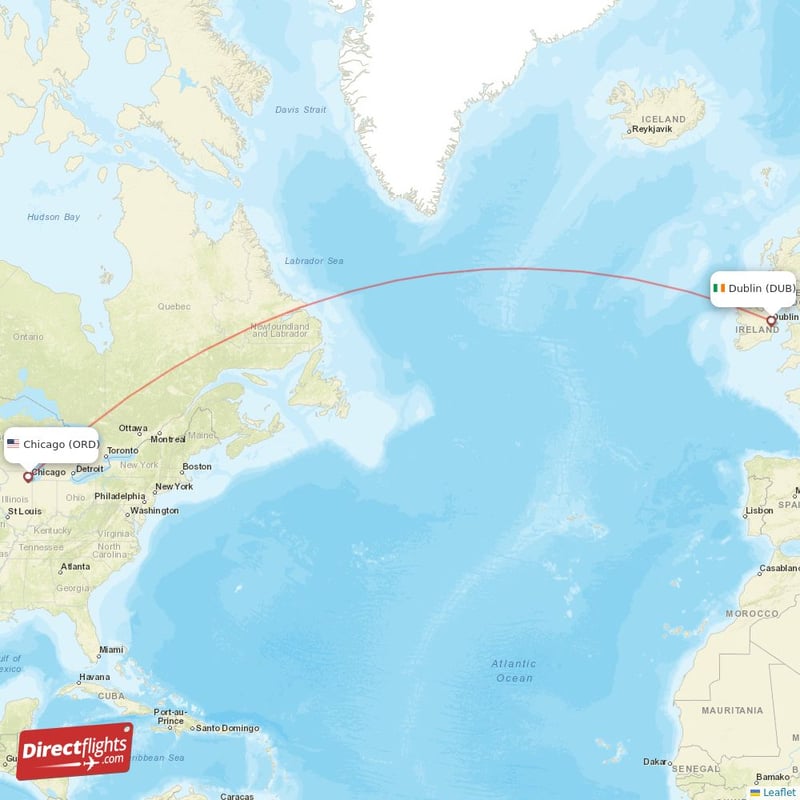
When flying directly from Chicago to Ireland, the journey typically originates from O’Hare International Airport (ORD), one of the busiest airports in the world. Direct flights from ORD usually land at either Dublin Airport (DUB) or Shannon Airport (SNN), Ireland’s primary international gateways.
The average flight time for a direct flight from Chicago to Dublin is approximately 7 hours and 15 minutes to 7 hours and 45 minutes. This duration can fluctuate slightly based on the specific airline, the aircraft model used, and real-time atmospheric conditions. Flights to Shannon, being slightly further west, might shave off a few minutes, typically ranging from 6 hours and 50 minutes to 7 hours and 20 minutes. These timings represent the airborne journey, excluding crucial pre-flight procedures like check-in, security, and boarding, as well as post-landing processes such as deplaning, immigration, and baggage claim. For a smoother experience, always factor in an additional 3-4 hours on either end of your flight for these necessary airport processes.
Factors Influencing Direct Flight Times
Even on a direct route, several elements can subtly alter the actual flight duration:
- Jet Stream: The most significant natural factor influencing eastbound transatlantic flights is the powerful North Atlantic jet stream. This high-altitude, fast-flowing air current, which generally moves from west to east, can act as a natural tailwind, significantly boosting ground speed and shortening flight times by 30-60 minutes or even more. Conversely, westbound flights face headwinds, extending their journey.
- Aircraft Type: Modern aircraft like the Boeing 787 Dreamliner or Airbus A330 are designed for fuel efficiency and optimal cruising speeds, contributing to consistent flight times. Older aircraft types, while still reliable, might operate at slightly different speeds.
- Air Traffic Control (ATC) and Route Optimization: Air traffic controllers continuously monitor and guide aircraft to avoid congestion and adverse weather. Slight deviations from the planned flight path to accommodate other traffic or to circumvent turbulence can add marginal minutes to a flight.
- Specific Route and Flight Path: While direct, there are still slight variations in the exact flight path taken. These can be due to various reasons, including optimizing for the jet stream, avoiding restricted airspace, or minimizing fuel consumption.
Navigating Flights with Layovers
While direct flights are ideal, connecting flights often present a more economical option or may be necessary depending on your travel dates or desired arrival airport within Ireland. Understanding how layovers impact your total travel time is crucial for planning.
The Reality of Connecting Flights
A flight with one or more layovers will, by its very nature, extend your total journey considerably. The “flight time” component remains similar for each segment, but the layover itself adds non-flying hours to your trip. Travelers opting for connecting flights often do so due to cost savings, greater flexibility in departure times, or the ability to reach smaller regional airports in Ireland that don’t have direct service from Chicago.
Total travel time for a connecting flight encompasses the duration of each flight segment plus the time spent on the ground during layovers. A short layover can be as brief as 1.5 to 2 hours, while longer ones might stretch for 5-8 hours or even overnight, transforming a significant portion of your travel day into waiting time at an airport.
Common Layover Hubs
Connecting flights from Chicago to Ireland typically involve a stopover in either a major US hub or a prominent European gateway.
- US Hubs: Common layover points within the United States include John F. Kennedy International Airport (JFK) in New York, Newark Liberty International Airport (EWR) in Newark, Boston Logan International Airport (BOS) in Boston, or Washington Dulles International Airport (IAD) in Washington D.C.. A flight from Chicago to one of these hubs might be 2-3 hours, followed by a 6-7 hour transatlantic leg.
- European Hubs: Alternatively, some itineraries route through major European airports before reaching Ireland. Popular choices include Heathrow Airport (LHR) in London, Schiphol Airport (AMS) in Amsterdam, or Charles de Gaulle Airport (CDG) in Paris, or Frankfurt Airport (FRA) in Frankfurt. Flying from Chicago to one of these cities could be 7-9 hours, followed by another 1-2 hour flight to Ireland.
Calculating Total Travel Time

When planning with a layover, the calculation for total travel time is:
(Flight Segment 1 Duration) + (Layover Duration) + (Flight Segment 2 Duration) + …
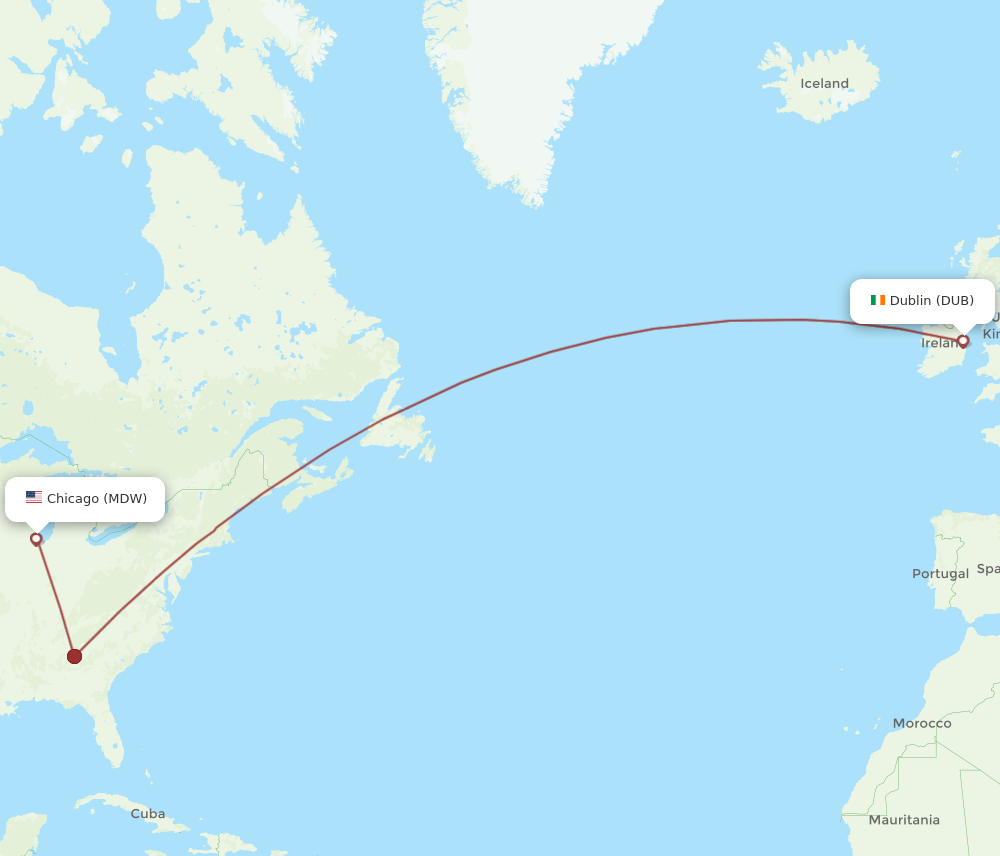
For instance, a flight from Chicago to New York (2.5 hours), with a 3-hour layover, followed by a flight from New York to Dublin (6.5 hours), would result in a total travel time of approximately 12 hours. This is a significant increase compared to a 7.5-hour direct flight, highlighting the importance of considering layover length in your decision-making process.
Key Factors That Impact Your Flight Experience
Beyond the raw numbers of flight duration, several other elements contribute to the overall experience and perceived length of your journey. Being aware of these can help you manage expectations and prepare more effectively.
Aircraft Type and Configuration
As mentioned, the specific aircraft model can influence flight speed, but it also heavily impacts passenger comfort. Modern long-haul aircraft are designed with passenger well-being in mind, featuring improved cabin pressure, humidity levels, and noise reduction, which can make a 7-8 hour flight feel less arduous. Furthermore, the seating configuration (e.g., seat pitch, width) varies by airline and aircraft, directly affecting your comfort. A more comfortable cabin environment can psychologically shorten the perceived length of the flight.
Weather Conditions and Air Traffic Control
While the jet stream typically aids eastbound flights, severe weather systems, either along the route or at the departure/arrival airports, can cause delays or necessitate diversions. Headwinds, even outside the strong jet stream influence, will invariably slow down an aircraft. Similarly, high air traffic volume, especially around busy hubs like O’Hare International Airport or Dublin Airport, can lead to holds on the ground or in the air, adding minutes to your flight time. These are often unpredictable elements, and airlines factor in a buffer to their scheduled times to account for such possibilities.
Seasonal Variations
The strength and position of the North Atlantic jet stream fluctuate throughout the year. It tends to be stronger and more consistently positioned during the winter months, leading to potentially faster eastbound flights. In summer, the jet stream can be weaker and more variable, which might result in slightly longer average flight times for eastbound transatlantic routes. When booking, keep in mind that seasonal weather patterns can play a subtle role in your flight duration.
Preparing for Your Transatlantic Journey
A long-haul flight demands a certain level of preparation to ensure a comfortable and smooth travel experience. Beyond knowing the flight duration, consider these tips for your journey to Ireland.
Choosing the Right Time to Fly
When selecting your flight, consider not just the departure time but also the arrival time in Ireland and the impact of the time difference. Ireland operates on Greenwich Mean Time (GMT), which is typically 6 hours ahead of Chicago’s Central Standard Time (CST). Arriving in the morning in Ireland allows you to push through the day, staying awake until a reasonable local bedtime, which can aid in combating jet lag. Conversely, arriving late in the evening might mean going straight to bed, but you’ll still have to adjust to a new sleep cycle.
Comfort on Long-Haul Flights
Making the most of your 7-8 hour flight means prioritizing comfort and well-being.
- Hydration: Drink plenty of water and avoid excessive alcohol and caffeine, which can contribute to dehydration and exacerbate jet lag.
- Movement: Get up and walk around the cabin every couple of hours to improve circulation and prevent stiffness. Perform simple stretches in your seat.
- Entertainment: Load your devices with movies, TV shows, music, podcasts, or e-books. Don’t rely solely on in-flight entertainment, as options can vary.
- Sleep Aids: A neck pillow, eye mask, and earplugs can be invaluable for resting on the plane.
- Comfortable Clothing: Wear loose, comfortable layers that allow for temperature adjustments.
Navigating Arrival in Ireland
Upon landing at Dublin Airport or Shannon Airport, you’ll proceed through immigration and customs. As a US citizen, you typically receive a 90-day tourist visa upon arrival. Ensure you have your passport, return ticket details, and accommodation information readily accessible. From the airport, onward travel options such as buses, taxis, or car rentals are readily available to take you to your final destination in Ireland. Having these logistics pre-planned will significantly reduce stress after a long flight.
In conclusion, a direct flight from Chicago to Ireland will typically range from 7 to 8 hours. However, factoring in variables like connecting flights, layover durations, and even the natural phenomenon of the jet stream, your total travel time can extend significantly. By understanding these dynamics and preparing adequately, your journey across the Atlantic will be a smooth and enjoyable prelude to the incredible experiences awaiting you in Ireland.
LifeOutOfTheBox is a participant in the Amazon Services LLC Associates Program, an affiliate advertising program designed to provide a means for sites to earn advertising fees by advertising and linking to Amazon.com. Amazon, the Amazon logo, AmazonSupply, and the AmazonSupply logo are trademarks of Amazon.com, Inc. or its affiliates. As an Amazon Associate we earn affiliate commissions from qualifying purchases.