
The journey from Atlanta, Georgia, to Miami, Florida, is a classic American road trip, connecting two vibrant cities with distinct cultures and attractions. Whether you’re planning a quick flight or an adventurous drive, understanding the distance and travel implications is crucial for a smooth and enjoyable experience. This comprehensive guide will break down the various ways to travel, the time commitments involved, and what to expect along the way.
The Geographic Distance and Travel Time
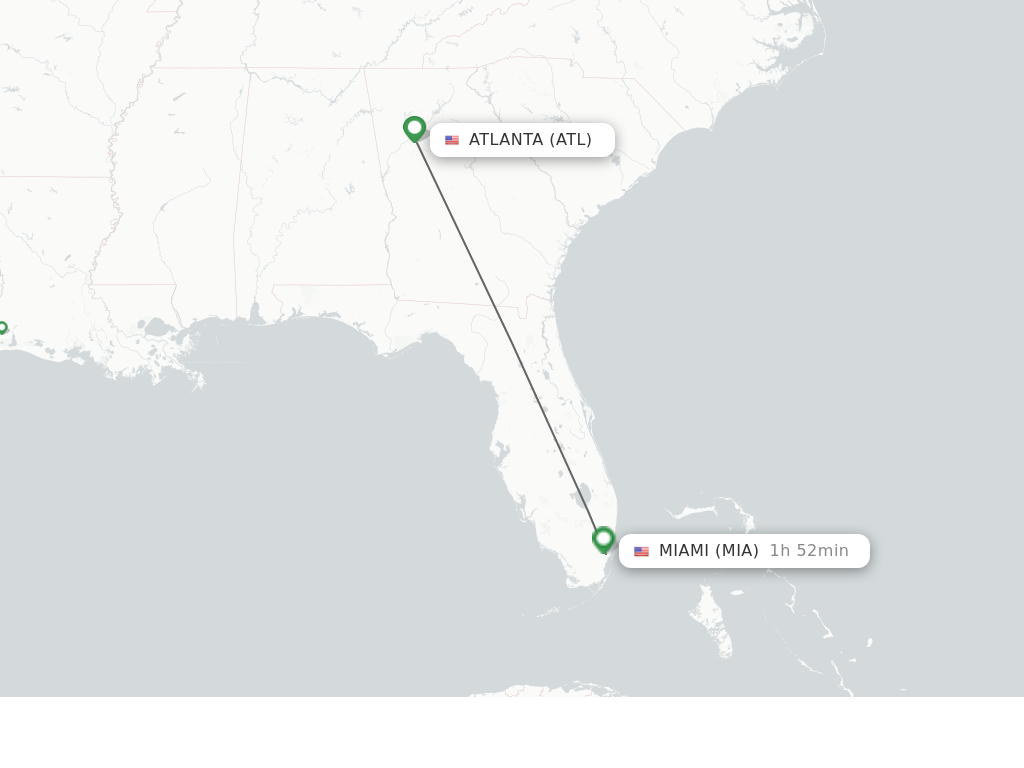
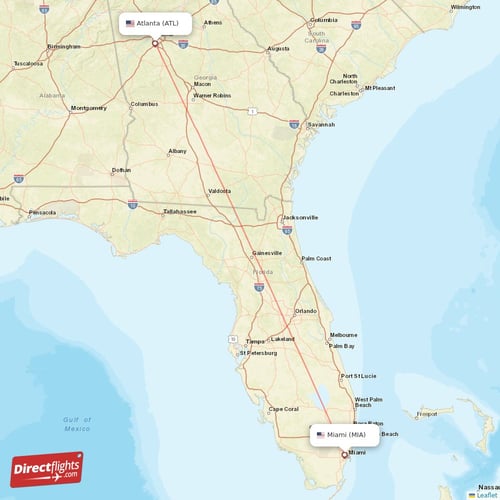
The direct line distance, or “as the crow flies,” between Atlanta and Miami is approximately 600 miles (965 kilometers). However, actual travel routes, especially by road, will naturally be longer. The mode of transportation significantly dictates both the distance covered and the duration of your journey.

Driving: The Most Common Route
Driving is arguably the most popular way to travel between these two major cities, offering flexibility and the opportunity to explore intermediate destinations. The typical driving distance ranges from 660 to 700 miles (1,062 to 1,126 kilometers), depending on the specific route taken and any detours.
Under ideal conditions, with minimal traffic and stops, the drive can take approximately 9 to 11 hours. However, factoring in necessary breaks for fuel, meals, stretching, and potential traffic delays, particularly around major metropolitan areas like Jacksonville, Orlando, and Miami itself, most travelers should anticipate a total travel time of 12 to 14 hours. For many, this makes the journey a comfortable one-day drive, or a more relaxed two-day trip with an overnight stop.
Flying: The Fastest Option
For those prioritizing speed, flying is the unequivocal choice. Numerous airlines offer direct flights from Hartsfield-Jackson Atlanta International Airport (ATL) to Miami International Airport (MIA), as well as to Fort Lauderdale-Hollywood International Airport (FLL), which is also a convenient gateway to Miami.
The actual flight time is typically around 1 hour and 45 minutes to 2 hours. However, when considering the entire travel experience, including getting to and from airports, security checks, boarding, and baggage claim, the total door-to-door travel time generally extends to 4 to 6 hours. While significantly faster than driving, it’s essential to account for these ancillary times when comparing options.
Bus and Train: Alternative Journeys
For travelers who prefer not to drive or fly, bus and train services offer alternative modes of transportation, albeit with longer travel times.
- Bus Services: Companies like Greyhound operate multiple daily services between Atlanta and Miami. These journeys are typically the most budget-friendly option but are also the longest, often taking 15 to 20 hours, including transfers and stops.
- Train Services: Amtrak offers service from Atlanta to Miami. This route often involves transfers, frequently in cities like Jacksonville or even further north. The total travel time can range from 18 to 24 hours or more, making it a scenic but time-consuming option.
Planning Your Road Trip: What to Consider
A road trip from Atlanta to Miami is an adventure waiting to happen. Proper planning can transform a long drive into an unforgettable journey.
Key Interstate Highways
The primary and most direct route between Atlanta and Miami involves two major interstate highways:
- Interstate 75 (I-75): Starting in Atlanta, you’ll head south on I-75 through much of Georgia and into Florida. This stretch offers relatively straightforward driving, cutting through diverse landscapes from rolling hills to flat farmlands.
- Interstate 95 (I-95): In Florida, you’ll typically transition from I-75 to I-95 near Gainesville or Lake City, heading south along the Atlantic coast all the way to Miami. This segment often presents more coastal scenery and passes through major tourist hubs.
An alternative, especially if you wish to bypass Orlando traffic on I-4 and stay on I-75 longer, involves taking I-75 further south towards Naples and then cutting across Alligator Alley (I-75) through the Everglades directly to Fort Lauderdale and Miami. This route is known for its unique natural views but does involve tolls.
Stopovers and Attractions Along the Way
Breaking up the drive with strategic stops can enhance your journey. Depending on your interests, consider these potential points of interest:
- Savannah, Georgia: A slight detour east from I-75, Savannah is renowned for its historic district, charming squares, and delicious Southern cuisine. It makes for an excellent overnight stop or a few-hour exploration.
- Jacksonville, Florida: As Florida’s largest city by land area, Jacksonville offers beautiful beaches, a vibrant arts scene, and plenty of dining options. It’s a natural halfway point for many.
- St. Augustine, Florida: America’s oldest continuously inhabited European-established settlement, St. Augustine is a treasure trove of history, featuring the Castillo de San Marcos, charming cobblestone streets, and unique shops. It’s a must-see for history buffs.
- Daytona Beach, Florida: Famous for its motorsports heritage and wide sandy beaches, Daytona Beach is a popular stop for those seeking sun and speed.
- Orlando, Florida: If theme parks are on your agenda, Orlando is a world-class destination, home to Walt Disney World Resort and Universal Orlando Resort. While adding significant time, it can be a fantastic family detour.
- Kennedy Space Center Visitor Complex, Florida: Located on Merritt Island, east of Orlando, this iconic site offers an inspiring look into space exploration.
Best Time to Travel
The best time to undertake this road trip often depends on your tolerance for heat, crowds, and potential weather events.
- Fall (September-November) and Spring (March-May): These seasons offer the most pleasant weather, with moderate temperatures and lower humidity. This is generally considered the optimal time for outdoor activities and comfortable driving.
- Winter (December-February): While Florida’s winter is mild and attractive for escaping colder climates, it’s also peak tourist season, especially for Miami. Expect higher prices for accommodation and potentially more traffic.
- Summer (June-August): Be prepared for high heat, humidity, and the possibility of afternoon thunderstorms and hurricane season. If traveling during this time, ensure your vehicle’s air conditioning is in top condition and stay updated on weather forecasts.
Maximizing Your Journey: Tips for a Smooth Trip
A long road trip requires preparation to ensure comfort and safety.
Vehicle Preparation and Safety
Before embarking on your journey, perform a thorough vehicle check:
- Tires: Check pressure and tread depth.
- Fluids: Ensure oil, coolant, brake fluid, and windshield wiper fluid levels are adequate.
- Brakes: Have them inspected if you haven’t recently.
- Lights: Verify all headlights, taillights, and turn signals are working.
- Emergency Kit: Pack jumper cables, a first-aid kit, a flashlight, basic tools, and roadside assistance information.
- Navigation: While smartphones are excellent, a physical map or a dedicated GPS device can be a reliable backup, especially in areas with spotty cell service.
Packing Essentials
Beyond clothing and personal items, consider packing:
- Snacks and Drinks: Non-perishable snacks and plenty of water will save you time and money on the road.
- Entertainment: Playlists, podcasts, audiobooks, or even car games for passengers can make the hours fly by.
- Chargers: Ensure you have chargers for all your electronic devices. A car charger or power inverter is invaluable.
- Sun Protection: Sunglasses, hats, and sunscreen are essential, especially as you get closer to Florida’s sun-drenched coast.
Navigating Tolls and Traffic
- Tolls: Florida has numerous toll roads, particularly around Orlando and in south Florida (e.g., Florida’s Turnpike, Alligator Alley). Consider purchasing a SunPass transponder for seamless travel and discounted rates, or ensure you have cash for toll booths (though many are now cashless).
- Traffic Apps: Utilize real-time navigation apps like Google Maps or Waze to stay informed about traffic conditions and potential detours. Traffic can be particularly heavy during rush hours in and around major cities like Atlanta, Jacksonville, Orlando, and Miami. Planning your departure and arrival times to avoid these peak periods can save significant time and frustration.
Arriving in Miami: What Awaits You
After your journey, Miami welcomes you with its unique blend of glamorous beaches, vibrant arts scene, and rich cultural tapestry.
Miami’s Vibrant Neighborhoods
Each Miami neighborhood offers a distinct flavor:
- South Beach: Famous for its Art Deco Historic District, pristine beaches, lively nightlife, and celebrity sightings.
- Little Havana: A cultural heartland, home to Cuban exiles, where you can immerse yourself in Cuban coffee, cigars, music, and cuisine on Calle Ocho.
- Wynwood Walls: An outdoor street art museum showcasing massive, colorful murals by artists from around the globe, surrounded by trendy galleries, breweries, and boutiques.
- Downtown Miami & Brickell: The financial and commercial hub, boasting impressive skyscrapers, luxury shopping, and fine dining, alongside cultural venues like the Adrienne Arsht Center for the Performing Arts.
Essential Miami Experiences
No trip to Miami is complete without experiencing some of its iconic offerings:
- Relax on the Beaches: Spend time soaking up the sun and swimming in the warm waters of South Beach, Sunny Isles Beach, or Key Biscayne.
- Explore Everglades National Park: A short drive west of Miami, this unique ecosystem offers airboat tours, wildlife viewing (including alligators!), and hiking trails.
- Visit Vizcaya Museum & Gardens: A stunning National Historic Landmark featuring a European-inspired estate with elaborate gardens and an extensive art collection.
- Indulge in the Food Scene: From fresh seafood and authentic Cuban fare to high-end international cuisine, Miami’s culinary landscape is incredibly diverse and delicious.
The journey from Atlanta to Miami is more than just covering a distance; it’s an opportunity to experience the diverse landscapes and cultures of the American Southeast. Whether you choose the speed of a flight or the adventure of a road trip, careful planning ensures that the “how far” question leads to an enjoyable and memorable travel experience.
LifeOutOfTheBox is a participant in the Amazon Services LLC Associates Program, an affiliate advertising program designed to provide a means for sites to earn advertising fees by advertising and linking to Amazon.com. Amazon, the Amazon logo, AmazonSupply, and the AmazonSupply logo are trademarks of Amazon.com, Inc. or its affiliates. As an Amazon Associate we earn affiliate commissions from qualifying purchases.