
The allure of a road trip between two iconic Southern cities, Atlanta and New Orleans, sparks an immediate question for many travelers: “How far is it?” This journey, steeped in history, culture, and culinary delights, promises an unforgettable experience. Beyond the sheer mileage, understanding the nuances of this route opens up a world of possibilities for planning your perfect getaway, whether you’re seeking adventure, relaxation, or a deep dive into the soul of the South.
This article aims to provide a comprehensive guide to traversing the distance between Atlanta and New Orleans, delving into travel times, the most scenic routes, the charm of potential stopovers, and what awaits you upon arrival in the Crescent City. We’ll explore the practicalities of getting there, the experiences you can expect, and how to make the most of your travel time, all while keeping in mind the diverse interests of travelers, from the luxury seeker to the budget-conscious explorer.
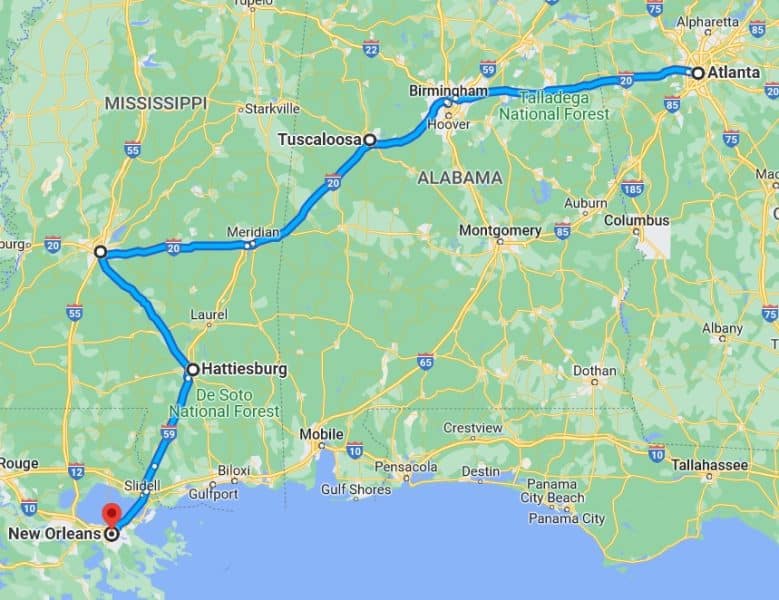
The Direct Route: Distance and Driving Time
The most straightforward answer to “How far is Atlanta to New Orleans?” involves understanding the primary interstate highway that connects these two vibrant hubs: Interstate 20 West (I-20 W) leading to Interstate 59 South (I-59 S), and eventually connecting to Interstate 10 West (I-10 W).
Mileage and Estimated Travel Time
The approximate driving distance between Atlanta and New Orleans is around 470 to 485 miles, depending on the specific starting and ending points within each city. This mileage translates to an estimated driving time of 7 to 8 hours under optimal conditions. This timeframe, however, is a baseline and can be significantly influenced by several factors.
Factors Affecting Travel Time:
- Traffic: Both Atlanta and New Orleans are major metropolitan areas. Navigating their outskirts during peak hours can add considerable time to your journey. Friday afternoons, Sunday evenings, and holiday weekends are particularly prone to heavy traffic.
- Road Conditions and Construction: Like any major highway system, sections of I-20 and I-10 can be subject to construction. It’s always advisable to check real-time traffic updates and road condition reports before embarking on your drive.
- Weather: Severe weather, especially during hurricane season or periods of heavy rainfall, can impact driving conditions and necessitate slower speeds or even delays.
- Stops: The estimated 7-8 hours typically assumes a direct, uninterrupted drive. However, most travelers will factor in at least one or two stops for fuel, food, and rest. A longer stop for lunch or a brief exploration of a roadside attraction can easily extend the total journey time.
For a realistic travel plan, it’s prudent to budget at least 8 to 10 hours for a comfortable drive, allowing for a relaxed pace and necessary breaks. This buffer ensures you arrive in New Orleans feeling refreshed rather than exhausted.
Modes of Transportation: Beyond the Car
While driving is a popular choice, several other modes of transportation can bridge the gap between Atlanta and New Orleans, each offering a different perspective on the journey.
- Flying: For those prioritizing speed, flying is the most efficient option. Numerous daily flights operate between Hartsfield-Jackson Atlanta International Airport (ATL) and Louis Armstrong New Orleans International Airport (MSY). The flight itself is typically around 1 hour and 20 minutes. When factoring in travel to and from airports, security, and boarding, the total travel time can be around 4-5 hours door-to-door.
- Bus Services: Several bus companies, such as Greyhound and Megabus, offer routes between Atlanta and New Orleans. This budget-friendly option can take anywhere from 8 to 10 hours, depending on the number of stops and the specific route. It’s a viable choice for travelers on a tighter budget or those who prefer not to drive.
- Train: Amtrak offers a scenic train route, the Crescent, that connects Atlanta and New Orleans. While not the fastest, it provides a relaxing way to travel, allowing passengers to admire the changing landscapes. The train journey typically takes around 10-12 hours, often overnight, and can be an experience in itself, especially for those who enjoy the romance of rail travel.
Planning Your Road Trip: Stops and Experiences Along the Way
The drive from Atlanta to New Orleans traverses a rich tapestry of Southern landscapes and offers opportunities to discover charming towns and significant historical sites. While a direct drive is feasible, breaking up the journey with a stopover can enhance the overall travel experience, transforming a simple transit into an exploration.
Charming Towns and Historical Haunts
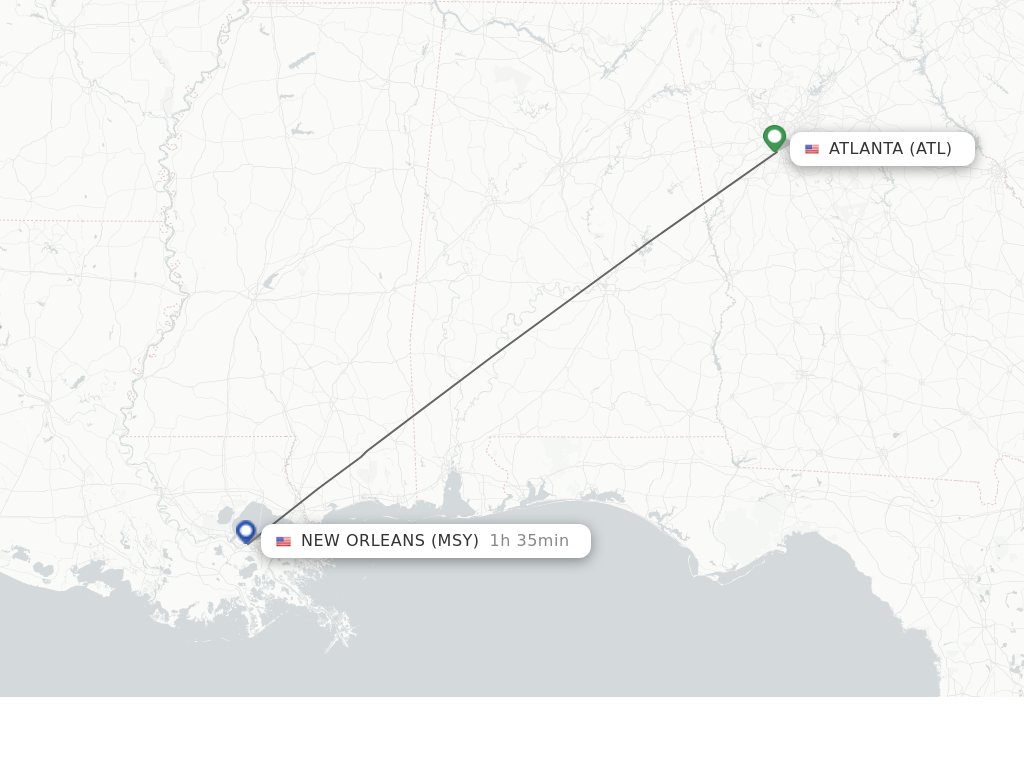
The route, primarily along I-20 and I-10, winds through parts of Georgia, Alabama, and Mississippi, each state boasting its unique character and attractions.
- Montgomery, Alabama: Approximately 3 hours from Atlanta, Montgomery is a city deeply embedded in American Civil Rights history. Visitors can explore the Dexter Avenue King Memorial Baptist Church, the Rosa Parks Museum, and the Civil Rights Memorial Center. It’s a powerful and moving stop for those interested in this pivotal era.
- Selma, Alabama: Further west in Alabama, Selma is another crucial site in the Civil Rights Movement. The Edmund Pettus Bridge, the scene of the historic “Bloody Sunday” march, stands as a potent symbol. While a slight detour, visiting Selma offers a profound historical perspective.
- Jackson, Mississippi: Located about 6 hours from Atlanta, Jackson offers a glimpse into Mississippi’s culture. Attractions include the Mississippi Civil Rights Museum and the Old State Capitol. For nature lovers, the Ross R. Barnett Reservoir provides scenic views and recreational opportunities.
- Vicksburg, Mississippi: Situated on the Mississippi River, Vicksburg is renowned for its pivotal role in the Civil War. The Vicksburg National Military Park is a must-visit for history buffs, preserving the battleground and offering a somber yet enlightening experience. The city also boasts beautiful antebellum architecture.
Culinary Detours and Local Flavors
The South is a culinary destination, and the road between Atlanta and New Orleans is no exception. Don’t miss the chance to sample local delicacies.
- Alabama BBQ: As you drive through Alabama, keep an eye out for roadside barbecue joints. While styles vary, you can often find delicious pulled pork, ribs, and classic Southern sides.
- Mississippi Delta Flavors: If you venture into the Mississippi Delta region (a slight deviation from the direct route but worth considering for foodies), you’ll encounter legendary blues music history and soul food. Dishes like Delta-style tamales and fried catfish are local specialties.
- Louisiana French Influence: As you get closer to Louisiana, the flavors begin to shift, foreshadowing the culinary wonderland of New Orleans. Look for opportunities to enjoy dishes influenced by Cajun and Creole traditions, such as boudin or crawfish étouffée, even in smaller towns.
Tip for Road Trippers: While major interstates offer convenience, exploring smaller highways can lead to unexpected discoveries. Research local eateries and attractions in towns slightly off the beaten path for a more authentic experience.
Arriving in New Orleans: Your Destination Awaits
After a journey filled with changing landscapes and perhaps a few memorable stops, you’ll finally arrive in New Orleans, a city renowned for its vibrant culture, unique architecture, and unparalleled culinary scene. The distance from Atlanta is just the beginning of your adventure.
Accommodation Options in the Crescent City
Whether you’re seeking luxury, comfort, or a budget-friendly stay, New Orleans offers a wide array of accommodation options to suit every traveler’s needs and preferences.
- Historic Hotels: For an immersive experience, consider staying in one of the many historic hotels in the French Quarter or the Garden District. Hotels like The Roosevelt New Orleans, A Waldorf Astoria Hotel offer grandeur and a connection to the city’s storied past. Other notable options include Hotel Monteleone and The Windsor Court Hotel, known for their elegance and exceptional service.
- Boutique Stays: New Orleans is brimming with charming boutique hotels that offer a more intimate and personalized experience. These often feature unique décor and local flair, providing a distinct character that larger chain hotels might lack.
- Resorts and Luxury Stays: For those seeking resort-style amenities and unparalleled luxury, options exist both within the city and in its surrounding areas. These can include properties with spas, fine dining, and expansive grounds.
- Vacation Rentals and Apartments: For longer stays or families, vacation rentals and apartments offer more space and the convenience of a home away from home. Platforms like Airbnb and VRBO list numerous properties throughout various neighborhoods, from the lively French Quarter to the quieter residential areas.
- Budget-Friendly Motels and Inns: Travelers on a budget will find numerous affordable motels and inns scattered throughout the city and its accessible suburbs, offering clean and comfortable lodging without breaking the bank.
When booking your accommodation, consider its proximity to the attractions you plan to visit. Staying in or near the French Quarter offers unparalleled access to iconic landmarks, live music, and culinary hotspots, while areas like the Garden District provide a more serene, upscale environment.

Must-See Attractions and Experiences
Once you’ve settled in, New Orleans beckons with its unique blend of history, music, and gastronomy.
- The French Quarter: This is the heart and soul of New Orleans. Wander through its historic streets, admire the distinctive Creole architecture, and soak in the lively atmosphere of Bourbon Street. Don’t miss Jackson Square, where artists and street performers entertain, and the magnificent St. Louis Cathedral.
- Music Scene: New Orleans is the birthplace of jazz. Explore the legendary music venues on Frenchmen Street for authentic live performances, or catch a brass band parading through the streets.
- Culinary Delights: Prepare your taste buds for an unforgettable gastronomic journey. Indulge in classic dishes like gumbo, jambalaya, beignets at Café Du Monde, and po’boys. Explore the vibrant restaurant scene, from casual eateries to world-class fine dining establishments.
- Garden District: Take a streetcar ride to the elegant Garden District and marvel at the opulent antebellum mansions and lush gardens. Guided tours offer insights into the history and architecture of this picturesque neighborhood.
- Museums and History: Immerse yourself in the city’s rich history at the The Historic New Orleans Collection, the New Orleans Museum of Art, or the poignant National WWII Museum.
- Swamp Tours and Bayou Excursions: Venture beyond the city limits for a taste of the bayou. Guided swamp tours offer a chance to see alligators, diverse birdlife, and understand the unique ecosystem of southern Louisiana.
The journey from Atlanta to New Orleans is more than just a transfer; it’s an opportunity to experience the diverse and rich cultural landscape of the American South. Whether you choose to drive, fly, or take the scenic train, the anticipation of arriving in the magical city of New Orleans makes the distance feel wonderfully manageable.
LifeOutOfTheBox is a participant in the Amazon Services LLC Associates Program, an affiliate advertising program designed to provide a means for sites to earn advertising fees by advertising and linking to Amazon.com. Amazon, the Amazon logo, AmazonSupply, and the AmazonSupply logo are trademarks of Amazon.com, Inc. or its affiliates. As an Amazon Associate we earn affiliate commissions from qualifying purchases.