
The question “What is the time in Arizona, USA?” might seem straightforward, but it delves into a fascinating aspect of this diverse and captivating state, touching upon its unique geographical position, its embrace of distinct timekeeping practices, and its impact on everything from travel plans to daily life. Arizona, a land of stark desert beauty, majestic canyons, and vibrant cultural experiences, operates under a specific time zone that sets it apart from much of the rest of the United States. Understanding this temporal rhythm is crucial for anyone planning a visit, conducting business, or simply wishing to connect with this remarkable corner of the American Southwest.

While most of the United States observes Daylight Saving Time (DST), Arizona has famously opted out, a decision rooted in a history that prioritizes a more consistent and practical approach to its climate. This unique temporal characteristic, coupled with its vast expanse that encompasses a range of attractions and activities, makes Arizona a compelling destination for a myriad of reasons. From the awe-inspiring vistas of the Grand Canyon National Park to the bustling streets of Phoenix and the historic charm of Tucson, the state offers a rich tapestry of experiences. Whether you’re a seasoned traveler seeking adventure, a family looking for memorable excursions, or a business professional attending meetings, grasping Arizona’s time zone is a foundational step in orchestrating a seamless journey.
Navigating Time Zones and Arizona’s Unique Approach
The continental United States is broadly divided into six standard time zones: Eastern, Central, Mountain, Pacific, Alaska, and Hawaii–Aleutian. Each zone is an hour ahead of the one to its west. However, Arizona’s position within the Mountain Time Zone is not as simple as it appears. This is primarily due to its decision not to observe Daylight Saving Time.
The Mountain Time Zone and Arizona’s Exception
The Mountain Time Zone (MT) normally observes Mountain Standard Time (MST) at UTC-7 during the winter months and Mountain Daylight Time (MDT) at UTC-6 during the summer. Most of the United States, including states that are geographically within the Mountain Time Zone, springs forward and falls back in accordance with DST regulations. This means that for a significant portion of the year, states like Colorado and Utah are on MDT, while Arizona remains on MST.
This consistent adherence to MST, year-round, creates a unique temporal relationship between Arizona and its neighboring states. During the spring and summer months, when DST is in effect in most of the country, Arizona is effectively two hours behind the Pacific Time Zone (which observes Pacific Daylight Time, PDT), one hour behind the Central Time Zone (which observes CDT), and shares the same time as the Pacific Time Zone (which observes PST). This can be particularly interesting for travelers flying into Arizona from California, for instance. A flight departing from Los Angeles at 3:00 PM PDT would arrive in Phoenix at 3:00 PM MST, meaning the flight itself was only an hour long, despite the clock appearing to stay the same. This temporal quirk is a direct result of Arizona’s decision not to participate in DST.
Reasons Behind Arizona’s Time Zone Choice
Arizona’s decision to remain on MST year-round is largely attributed to its climate and a desire for practical consistency. The rationale behind this choice is deeply intertwined with the state’s predominantly arid and hot desert environment.
Practicality in a Hot Climate
The primary driver for Arizona’s DST exemption is to avoid longer, hotter daylight hours during the summer months. The intense heat of the Arizona summer, particularly in cities like Phoenix and Tucson, makes outdoor activities challenging during peak daylight hours. By not advancing the clock in the summer, Arizona ensures that the sun sets earlier in the evening relative to the clock time, allowing residents and tourists to enjoy cooler temperatures for outdoor recreation, dining, and sightseeing. This aligns with a lifestyle that often shifts towards earlier mornings and later evenings to escape the midday sun.
Historical Context and Public Opinion
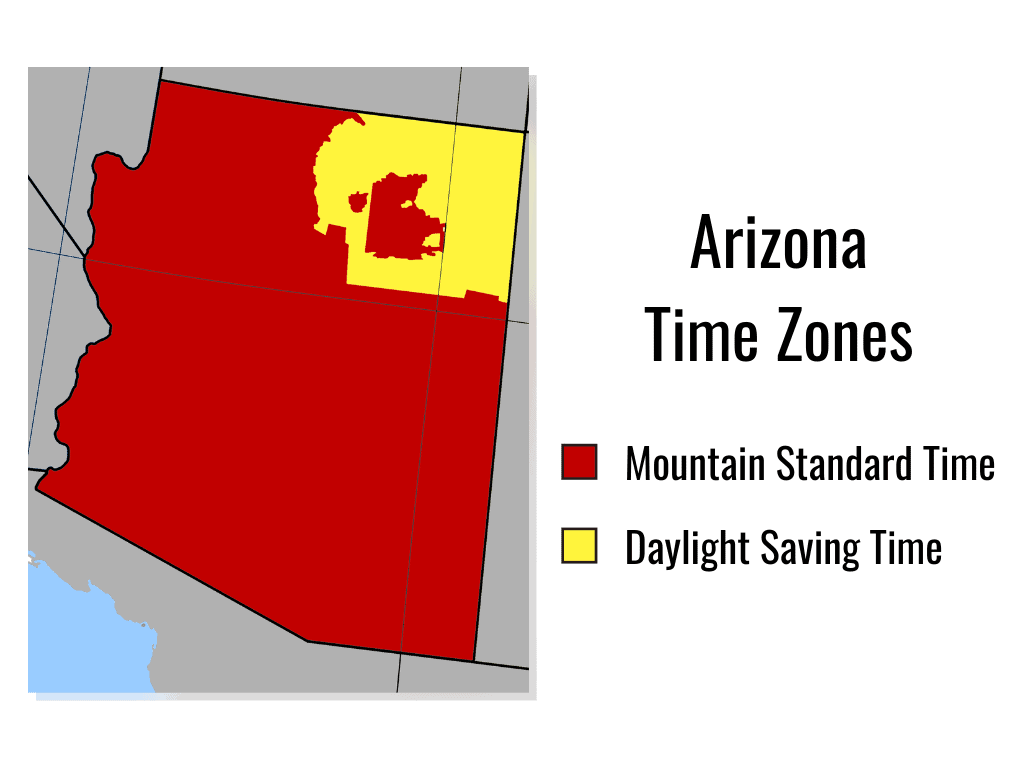
The debate over DST has a long history in Arizona. While there have been occasional discussions and proposals to adopt DST, public opinion and legislative decisions have consistently favored remaining on MST. The argument often centers on the perceived benefits of consistent solar timing for daily routines, reducing the need to adjust schedules twice a year, and the practical advantages for industries like agriculture, which are heavily influenced by sunlight. The Navajo Nation, which spans parts of Arizona and New Mexico, does observe DST, creating a temporal anomaly within the state. However, the majority of Arizona, including the large population centers and popular tourist destinations, adheres to the MST standard.
Experiencing Arizona: Time, Travel, and Attractions

Understanding Arizona’s time zone is not just an academic exercise; it has tangible implications for planning your visit and maximizing your experience. Whether you’re booking accommodation, scheduling tours, or simply trying to coordinate with friends and family, being aware of Arizona’s consistent MST is key.
Planning Your Arizona Adventure
When you book a flight to Phoenix Sky Harbor International Airport or any other Arizona destination, remember that the local time will remain constant relative to UTC throughout the year. This simplifies some aspects of travel planning, as you don’t need to worry about time zone shifts when traveling within the state or from a DST-observing region to Arizona during the summer months.
For example, if you are traveling from New York (which observes Eastern Daylight Time, EDT, during the summer), Arizona will be three hours behind you. A 10:00 AM EDT departure from New York would mean it’s 7:00 AM MST in Arizona upon your arrival. This temporal difference is crucial for arranging airport pickups, booking early morning tours, or making dinner reservations.
Popular Destinations and Activities Across Arizona
Arizona’s vast landscape offers an incredible array of attractions, each best enjoyed with a good understanding of local time.
-
The Grand Canyon National Park: This natural wonder is a must-see for any visitor. Planning your sunrise or sunset viewing at the South Rim or North Rim is essential. Since Arizona doesn’t observe DST, the timing of these spectacular events will remain consistent relative to solar noon throughout the year, simplifying your planning compared to regions that change their clocks. Hiking into the canyon, a strenuous but rewarding activity, is best undertaken in the cooler parts of the day, which Arizona’s year-round MST helps to facilitate during the summer.
-
Sedona: Famous for its stunning red rock formations and vibrant spiritual retreats, Sedona offers hiking, jeep tours, and art galleries. The consistent MST allows for predictable scheduling of activities like sunrise hikes or stargazing tours, which are particularly popular in this dark-sky destination.
-
Phoenix and Scottsdale: The metropolitan areas of Phoenix and Scottsdale are hubs for culture, dining, and luxury resorts like the Montelucia Resort & Spa. Business travelers will find the consistent time zone advantageous for scheduling meetings across different parts of the country. For leisure travelers, the ability to enjoy evening activities without the added clock adjustment makes planning dinners and shows straightforward.
-
Tucson: Home to the Sonoran Desert Museum and a rich Mexican-American heritage, Tucson offers a unique cultural experience. The consistent MST ensures that your plans for visiting historic missions like the Mission San Xavier del Bac or exploring the vibrant culinary scene remain predictable.
-
Flagstaff: Located at a higher elevation and closer to the Grand Canyon National Park, Flagstaff provides a cooler climate and serves as a gateway to many northern Arizona attractions. Skiing in the winter and hiking in the summer are popular activities, and the stable MST simplifies planning for these seasonal endeavors.
Accommodation and Lifestyle Considerations
The choice of accommodation in Arizona can range from luxurious resorts and boutique hotels to budget-friendly motels and vacation rentals. Whether you’re seeking a family-friendly resort with swimming pools for those hot summer afternoons or a quiet villa for a long-term stay, understanding the local time is integral to your booking and daily itinerary.
For those looking for luxury, resorts in Scottsdale and Sedona offer world-class amenities. For budget travelers, planning activities during the cooler parts of the day becomes even more important, and Arizona’s MST helps in scheduling affordable outdoor explorations. Family trips can benefit from the simplicity of a consistent time zone, making it easier to manage children’s schedules, especially during the warmer months when early mornings and late evenings are preferred for outdoor fun. Business stays also benefit from the predictability, allowing for seamless coordination with clients and colleagues across different states.
In conclusion, while the question of “What is the time in Arizona, USA?” might lead one to expect a simple numerical answer, it opens a window into the state’s unique character. Arizona’s steadfast adherence to Mountain Standard Time provides a practical and consistent rhythm to life in the Grand Canyon State, influencing everything from travel logistics to the way its residents and visitors embrace its stunning natural beauty and vibrant culture. It’s a temporal decision that shapes the Arizona experience, making it a destination that is both geographically and temporally distinct within the broader tapestry of the United States.
LifeOutOfTheBox is a participant in the Amazon Services LLC Associates Program, an affiliate advertising program designed to provide a means for sites to earn advertising fees by advertising and linking to Amazon.com. Amazon, the Amazon logo, AmazonSupply, and the AmazonSupply logo are trademarks of Amazon.com, Inc. or its affiliates. As an Amazon Associate we earn affiliate commissions from qualifying purchases.