
The vibrant heart of Louisiana beats strongly in two of its most iconic cities: Baton Rouge and New Orleans. While both offer a distinct taste of Southern charm and rich history, they are geographically connected, making day trips and extended stays between them a popular choice for travelers. Understanding the distance and travel time between these two cultural hubs is crucial for planning an efficient and enjoyable itinerary. This article delves into the specifics of the journey from Baton Rouge, LA to New Orleans, exploring the various travel options, the allure of each destination, and how their proximity enhances the overall Louisiana travel experience.
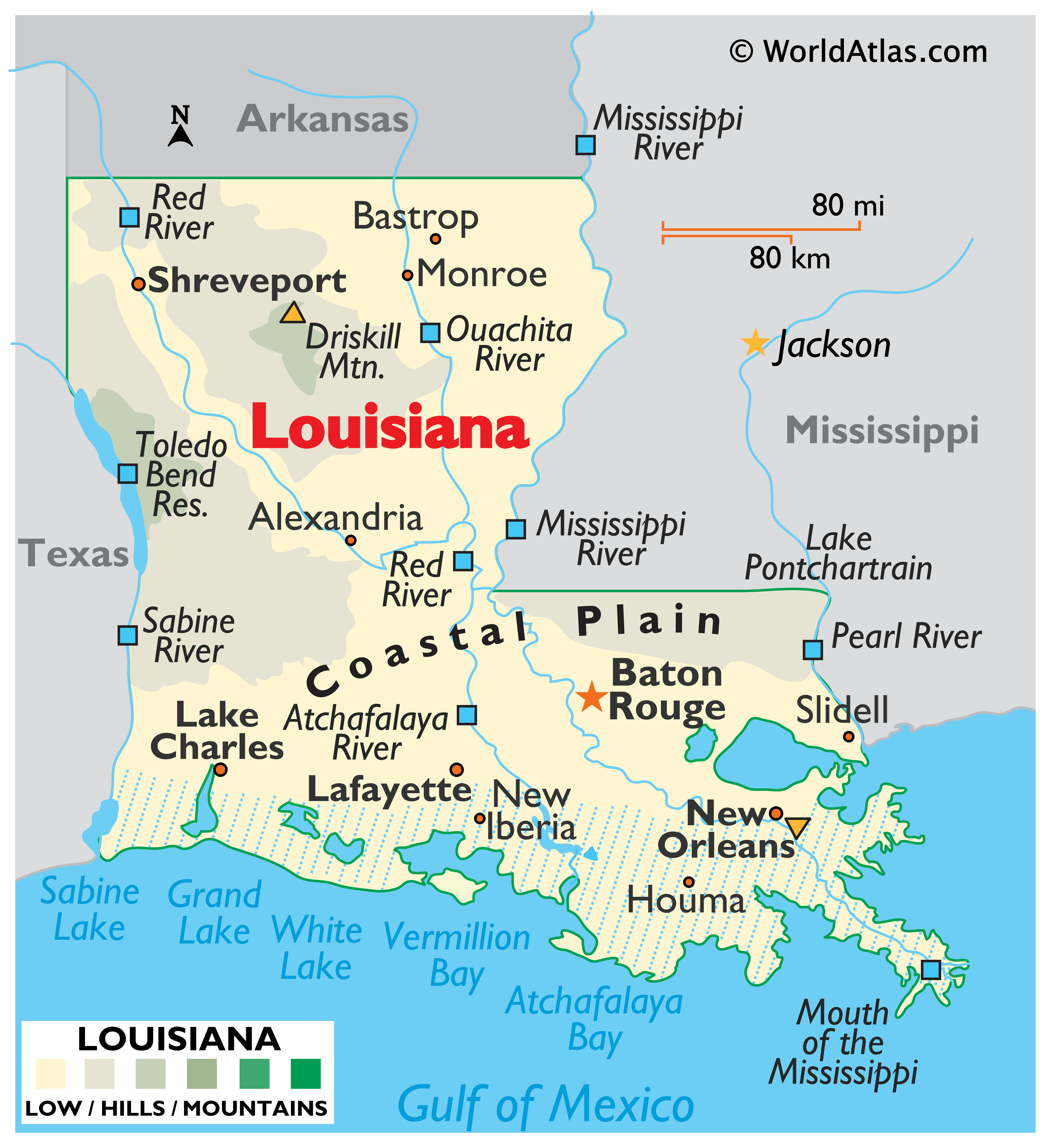
The primary question for many planning a trip is straightforward: How far is Baton Rouge, La from New Orleans? The answer depends on the route you choose, but generally, the distance is approximately 80 to 90 miles. This translates to a manageable travel time, allowing for flexible exploration. Whether you’re considering driving, taking a bus, or even exploring other transit options, the journey is relatively short, opening up a world of possibilities for experiencing the diverse landscapes and cultures of the region.
Navigating the Route: Distance and Travel Time
The most common and convenient way to travel between Baton Rouge and New Orleans is by car. The primary route utilizes Interstate 10, a major east-west highway that connects these two significant cities. The distance via Interstate 10 is typically around 80 miles, and under normal traffic conditions, the drive can take approximately 1 hour and 15 minutes to 1 hour and 30 minutes. However, it’s essential to factor in potential traffic delays, especially when traveling during peak hours or on weekends, as New Orleans can experience significant congestion.
Driving Directions and Considerations
Starting from Baton Rouge, you will generally merge onto Interstate 10 East. The journey will take you through the picturesque Louisiana landscape, characterized by lush greenery and bayous. As you approach New Orleans, the cityscape will gradually emerge, signaling your arrival in this famed metropolis. It’s advisable to have a GPS or navigation app readily available, as it can help you navigate the city’s intricate road network and find your specific destination with ease.
When driving, remember to consider parking in New Orleans. Parking can be challenging and expensive in popular areas like the French Quarter. Many hotels offer parking, though often at an additional cost. Alternatively, you might consider using parking garages or ride-sharing services once you reach your accommodation to avoid the hassle of constantly searching for parking.
Beyond Interstate 10, there are alternative, more scenic routes, though they will significantly increase travel time. These might involve state highways and county roads that wind through smaller towns and offer glimpses of rural Louisiana life. While not recommended for a quick transit, these routes can be an excellent choice for a leisurely road trip focused on exploration and discovery, allowing you to stop at roadside attractions and local eateries.
Public Transportation Options
For those who prefer not to drive, public transportation offers viable alternatives. Several bus companies operate regular services between Baton Rouge and New Orleans. These services often provide a cost-effective and relaxed way to travel, allowing passengers to sit back and enjoy the ride without the stress of navigation or traffic. The journey time by bus is generally comparable to driving, usually ranging from 1 hour and 30 minutes to 2 hours, depending on the number of stops.
Companies like Greyhound often have routes connecting the two cities, with departure and arrival points conveniently located in or near the city centers. Booking bus tickets in advance is recommended, especially during peak travel seasons, to secure your preferred seats and potentially get better fares. The bus stations in both Baton Rouge and New Orleans are typically accessible via local public transport, making the transition to your final destination smoother.
Another option, though less direct and often more expensive, could involve a combination of train and bus services. While Amtrak does serve New Orleans, direct train routes from Baton Rouge are limited. This might require a bus connection to a larger Amtrak hub or a multi-leg journey. For the most straightforward public transit experience, bus services are generally the preferred choice.
Experiencing the Destinations: Baton Rouge and New Orleans
The proximity of Baton Rouge and New Orleans allows travelers to experience the distinct flavors of two unique Louisiana cities within a single trip. While they share a common heritage, each possesses its own identity, attractions, and atmosphere.
Baton Rouge: The Capital City’s Charm
Baton Rouge, the capital of Louisiana, offers a more laid-back yet equally rich cultural experience compared to its bustling neighbor. Its identity is deeply rooted in politics, history, and Southern hospitality.
Landmarks and Attractions in Baton Rouge
A must-visit landmark in Baton Rouge is the Louisiana State Capitol. This impressive art deco skyscraper is not only the seat of state government but also a historical monument. Visitors can ascend to the observation deck for panoramic views of the city and the Mississippi River. Adjacent to the Capitol is the Old Louisiana State Capitol, a Gothic Revival masterpiece that now serves as a museum dedicated to Louisiana’s political history.
For nature lovers, the USS Kidd Veterans Museum offers a glimpse into naval history, with the actual USS Kidd destroyer docked as a centerpiece. Nearby, the Shaw Center for the Arts provides a hub for artistic expression, featuring galleries, performance spaces, and the LSU Museum of Art.

For those interested in the natural beauty of the region, the Atchafalaya National Wildlife Refuge is a short drive from Baton Rouge and offers opportunities for hiking, birdwatching, and experiencing the unique ecosystem of Louisiana‘s bayous.
Baton Rouge Lifestyle and Cuisine
The lifestyle in Baton Rouge is characterized by its academic influence from Louisiana State University (LSU), which brings a youthful energy to the city. The food scene is, as expected, a delightful exploration of Louisiana cuisine. While New Orleans is often the culinary spotlight, Baton Rouge offers its own delicious renditions of Creole and Cajun dishes, from rich gumbos to spicy crawfish etouffee. Local restaurants and diners provide authentic flavors that reflect the region’s culinary heritage. LSU also offers numerous sporting events, particularly football, which are a significant part of the city’s cultural fabric and a great way to experience local enthusiasm.
New Orleans: The Big Easy’s Allure
New Orleans, a city synonymous with jazz music, Mardi Gras, and unparalleled cuisine, offers an electric and unforgettable travel experience. Its unique blend of French, Spanish, African, and American influences creates a cultural tapestry unlike any other.
Iconic Landmarks and Experiences in New Orleans
The French Quarter is the heart of New Orleans, a historic district brimming with colorful architecture, wrought-iron balconies, and lively street performers. Within the French Quarter, Jackson Square stands as a central gathering place, often filled with artists and musicians. Overlooking Jackson Square is the magnificent St. Louis Cathedral, a beacon of history and faith.
No visit to New Orleans is complete without immersing yourself in its legendary music scene. Venues on Bourbon Street and in areas like Frenchmen Street offer live jazz performances every night of the week. Exploring the charming streets and canals of the Garden District reveals stunning antebellum mansions and provides a different perspective on the city’s architectural beauty.
For a taste of New Orleans‘ history and unique burial customs, a cemetery tour, such as one to St. Louis Cemetery No. 1, is a fascinating experience. The National WWII Museum is a world-class institution that offers a profound and moving exploration of the war’s impact.
New Orleans Cuisine and Culture
The cuisine of New Orleans is world-renowned. From iconic dishes like jambalaya and beignets at Café Du Monde to the refined Creole flavors found in upscale restaurants, the city is a culinary paradise. Street food, po’boys, and seafood platters are equally integral to the dining experience.
The local culture is vibrant and infectious. The spirit of celebration is palpable, whether it’s during the world-famous Mardi Gras or a spontaneous parade on a random Tuesday. The city’s lifestyle encourages embracing life’s pleasures, from savoring a perfectly mixed Sazerac to dancing to a brass band. For families, New Orleans offers attractions like the Audubon Aquarium of the Americas and the Audubon Zoo, providing educational and fun experiences.
Maximizing Your Trip: Combining Baton Rouge and New Orleans
The relatively short distance between Baton Rouge and New Orleans makes it incredibly easy to combine these two distinct Louisiana experiences into one cohesive trip. This allows travelers to appreciate the nuances of the state’s culture, from the political pulse of the capital to the bohemian rhythm of the Crescent City.
Planning a Multi-City Itinerary
When planning a trip that includes both cities, consider allocating sufficient time to each. A common approach is to base yourself in one city and take day trips to the other. For instance, you could spend several days exploring the attractions and enjoying the food of New Orleans, and then take a day trip to Baton Rouge to visit the State Capitol and experience its unique historical sites. Alternatively, you could split your accommodation, spending a few nights in Baton Rouge and then moving on to New Orleans for a longer stay.
For accommodation, both cities offer a wide range of options. Baton Rouge provides a mix of standard hotels, charming bed and breakfasts, and longer-term apartment rentals. You can find anything from budget-friendly options to more upscale suites. In New Orleans, the choices are even more diverse, with luxury resorts, boutique hotels in the French Quarter, historic inns in the Garden District, and modern apartment complexes. The availability of diverse lodging, from unique villas to practical business stays, caters to every type of traveler and budget.

Day Trip Strategies
A day trip from Baton Rouge to New Orleans is entirely feasible. You can leave Baton Rouge in the morning, spend the day exploring the French Quarter, enjoying lunch, and perhaps visiting a museum, then drive back in the evening. This allows you to get a taste of New Orleans‘ vibrant atmosphere. Similarly, a day trip from New Orleans to Baton Rouge is also practical, allowing you to see the State Capitol, the Old State Capitol, and perhaps the LSU campus without needing to relocate your accommodation.
When planning day trips, consider the specific interests of your travel group. If your focus is on history and politics, Baton Rouge should be a priority. If music, nightlife, and a more bohemian lifestyle are what you seek, New Orleans will likely be your main draw. However, the beauty of their proximity is that you don’t have to choose. You can easily weave the highlights of both cities into a single, enriching Louisiana adventure, experiencing the full spectrum of what this fascinating state has to offer. The ease of travel between these two cultural powerhouses truly enhances the overall travel experience, making it a cornerstone of any Louisiana itinerary.
LifeOutOfTheBox is a participant in the Amazon Services LLC Associates Program, an affiliate advertising program designed to provide a means for sites to earn advertising fees by advertising and linking to Amazon.com. Amazon, the Amazon logo, AmazonSupply, and the AmazonSupply logo are trademarks of Amazon.com, Inc. or its affiliates. As an Amazon Associate we earn affiliate commissions from qualifying purchases.