
The landscape of modern air travel, while largely efficient, is occasionally punctuated by unforeseen disruptions. One of the most significant challenges airlines face, and consequently, their passengers, are system outages. Recently, concerns have risen regarding whether Alaska Airlines, a major carrier known for its extensive routes along the West Coast of the United States and to Alaska, Hawaii, and Mexico, has been impacted by such an outage. This article delves into the specifics of any recent operational disruptions affecting Alaska Airlines, exploring the causes, the immediate fallout for travelers, and the broader implications for the travel and tourism industry. Understanding these events is crucial for anyone planning a journey, whether for leisure or business, as they underscore the importance of preparation and flexibility in today’s interconnected world of travel.
Understanding the Scope of the Disruption
When an airline experiences an outage, the effects are rarely isolated to a single flight or location. Instead, they often cascade across the entire operational network, creating a complex web of delays and cancellations that can leave thousands of travelers stranded. For a carrier like Alaska Airlines, with its robust presence in key hubs and popular tourist destinations, such an event can have far-reaching consequences.
Initial Impact on Flights and Passengers
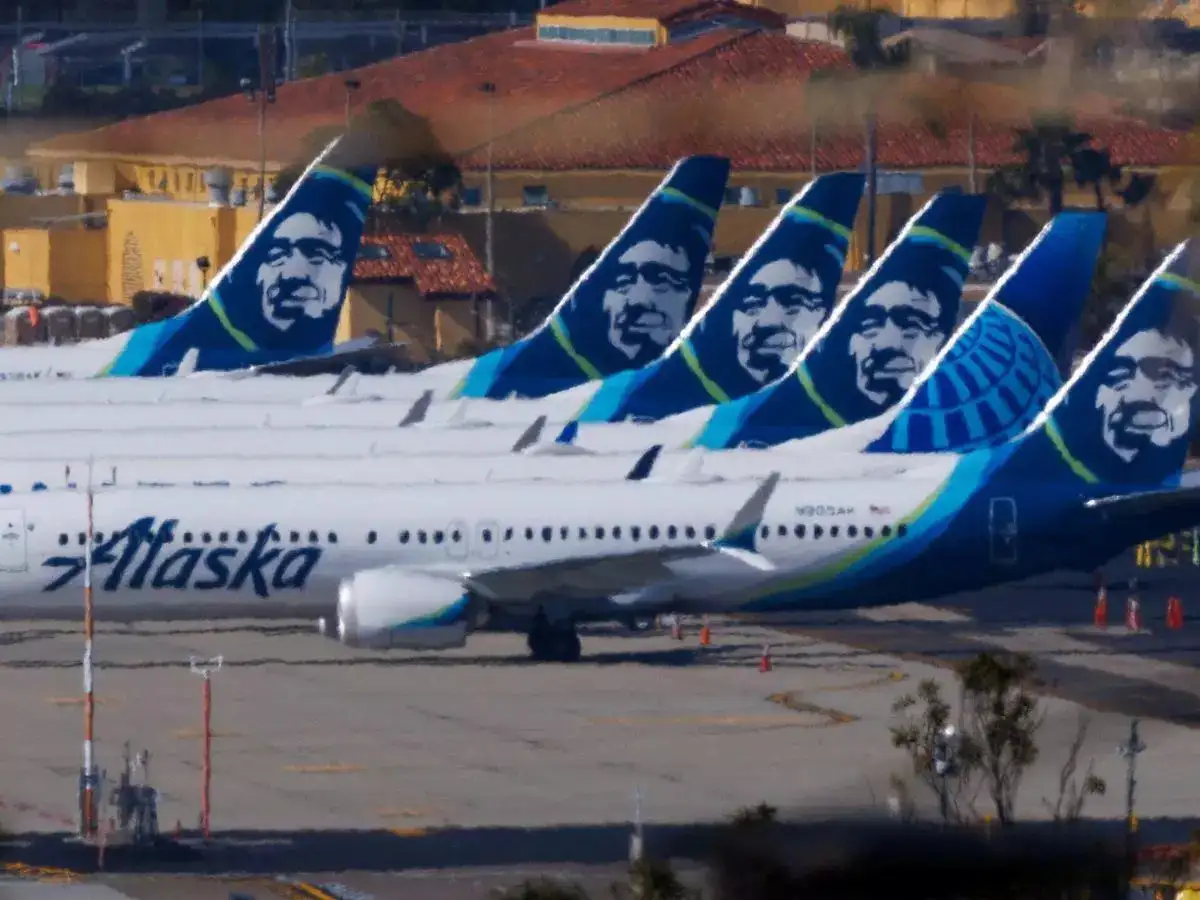
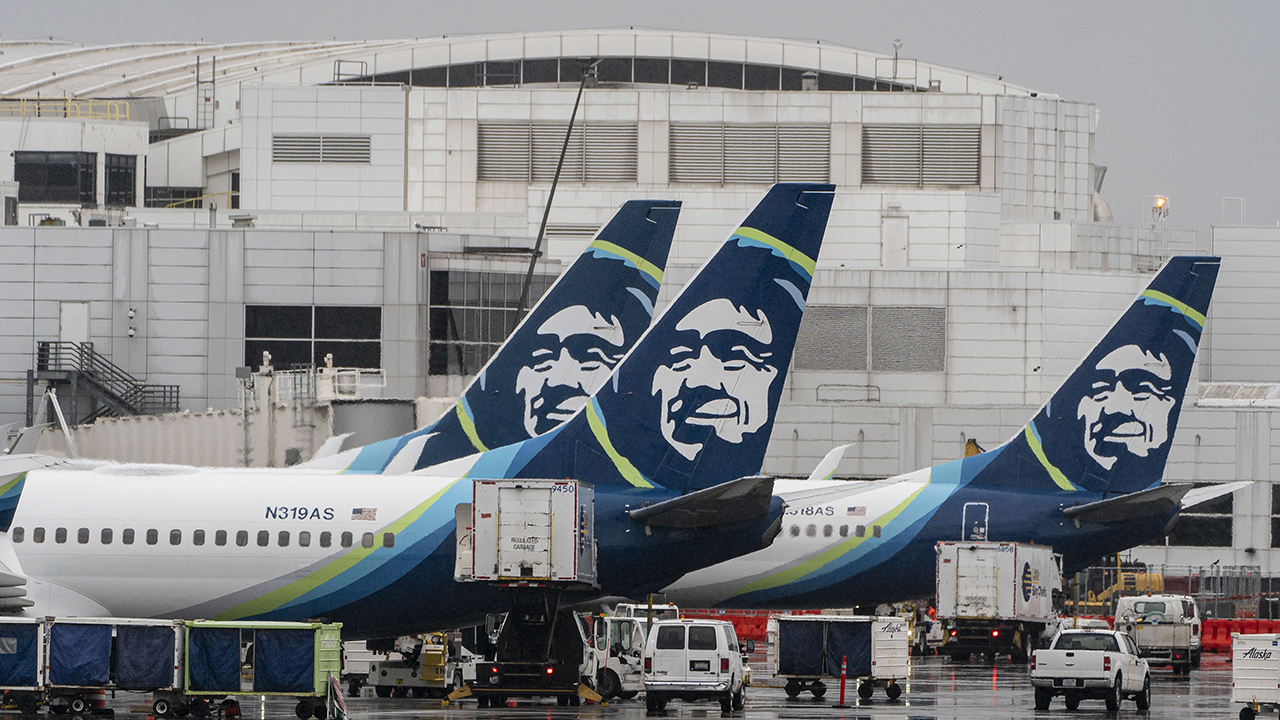
A recent system outage did indeed affect Alaska Airlines, leading to significant operational challenges. The disruption, primarily a technical glitch impacting critical internal systems, prompted a temporary grounding of flights across its network. This led to immediate and widespread cancellations and substantial delays. Passengers at major operational hubs such as Seattle-Tacoma International Airport (SEA), Portland International Airport (PDX), Anchorage Ted Stevens International Airport (ANC), Los Angeles International Airport (LAX), and San Francisco International Airport (SFO) were among the most affected. Thousands found their travel plans abruptly halted, leading to long queues at customer service desks, frustrated attempts to rebook through overloaded phone lines and websites, and a palpable sense of uncertainty in terminals. The initial hours of the outage were characterized by a flurry of activity as airline staff worked to manage the unfolding crisis, communicate with passengers, and provide updates, albeit often slowly due to the very nature of the system failure. Many travelers found themselves in a difficult position, needing to find last-minute accommodation or alternative travel arrangements, transforming what was meant to be a smooth journey into an unexpected ordeal.
Causes and Resolution Efforts
The specific cause of the Alaska Airlines outage was identified as a technical issue within their operational software systems, which are vital for everything from flight planning and dispatch to weight and balance calculations. These systems are the backbone of modern aviation, and any disruption can immediately halt operations for safety reasons. While the exact details of the software malfunction are proprietary, such incidents often stem from complex factors like system updates gone awry, network connectivity problems, or unforeseen hardware failures impacting software performance. Alaska Airlines swiftly mobilized its IT and operational teams to diagnose and rectify the problem. The resolution process involved a meticulous step-by-step approach, working to isolate the issue, implement fixes, and then thoroughly test the systems before bringing them back online. During this period, the airline’s priority was not only to restore service but also to ensure the safety and integrity of all flight operations once the systems were reactivated. They maintained close coordination with air traffic control and regulatory bodies throughout the crisis. While such outages can be incredibly disruptive, airlines like Alaska Airlines have robust protocols in place to address these situations, focusing on a rapid, yet secure, return to normal service, even if the process can take several hours or even a full day to fully stabilize.
Ripple Effects on Travel and Tourism
Beyond the immediate chaos at airports, an airline outage, particularly one involving a carrier like Alaska Airlines with its significant route network, creates a ripple effect that touches various facets of the travel and tourism industry. From popular vacation spots to the myriad businesses that cater to travelers, the implications can be broad and economically significant.
Impact on Destinations and Travel Plans
The outage had a palpable impact on numerous destinations, especially those heavily reliant on air traffic from the West Coast. Alaska, a prime destination for adventure and cruise tourism, experienced a slowdown as flights to cities like Juneau, Anchorage, and Fairbanks were disrupted. Travelers planning trips to iconic landmarks such as Denali National Park found their itineraries thrown into disarray, leading to missed excursions, canceled hotel reservations, and forfeited deposits. Similarly, popular sunny getaways in Hawaii, including flights to Honolulu, Maui, and Kona, saw a significant number of visitors unable to reach their tropical retreats.
The impact also extended to Mexico, where Alaska Airlines serves popular resort towns like Cancun, Puerto Vallarta, and San Jose del Cabo. Families and couples on their way to pre-booked all-inclusive resorts or luxury villas faced the stressful reality of delayed vacations. Tour operators specializing in these regions also felt the pinch, having to scramble to re-accommodate guests or manage cancellations. Cruise lines, such as Holland America Line and Princess Cruises, which often rely on feeder flights from Alaska Airlines for passengers embarking on Alaskan or Mexican Riviera itineraries, faced their own logistical nightmares, sometimes having to delay ship departures or manage significant numbers of no-shows. The sheer volume of affected passengers meant a substantial dent in the local economies of these destinations, from local vendors to major attractions, illustrating how deeply intertwined air travel is with the broader tourism ecosystem.
Strain on Hotels and Accommodation Providers
The airline outage placed an immediate and considerable strain on hotels and accommodation providers, particularly those in close proximity to major airports. As thousands of passengers found themselves unexpectedly stranded, the demand for last-minute hotel rooms surged. Properties belonging to major chains like Hilton, Marriott, Hyatt, and Best Western near airports like SEA, PDX, and LAX quickly reached full occupancy. Many hotels, especially those with existing contracts with airlines for distressed passenger housing, found themselves overwhelmed.
Conversely, the outage also meant a wave of cancellations for pre-booked accommodations at the intended destinations. Travelers who couldn’t depart for their trips were forced to cancel their hotel, resort, or apartment bookings, leading to revenue losses for those properties. For travelers engaged in luxury travel, the challenge might have been less about finding any room and more about securing a comparable high-end stay amidst limited availability. For those on a budget travel plan, finding an affordable last-minute room near an airport could prove exceedingly difficult, often forcing them to compromise on comfort or location. The impact wasn’t just on hotels; private rentals and long-term stays also saw disruptions. Property managers and hosts had to manage frustrated guests and sudden vacancies, highlighting the delicate balance required in the accommodation sector when unforeseen travel disruptions occur.

Navigating the Disruption: Tips for Affected Travelers
When an airline outage strikes, the immediate priority for affected travelers shifts from enjoying their journey to navigating the unexpected disruption. Having a clear strategy can significantly reduce stress and improve the chances of a smoother resolution.
Rebooking and Compensation Strategies
The first step for any affected traveler is to understand their options for rebooking and potential compensation. Alaska Airlines, like other major carriers, provides several avenues for rebooking. The airline’s mobile app and website are often the quickest ways to check flight status and explore alternative flights, although these systems can be overwhelmed during widespread outages. For more complex rebookings or special assistance, contacting the airline’s customer service line or speaking directly with airport agents is necessary, despite potentially long wait times. It’s often beneficial to try multiple channels concurrently.
Travelers should familiarize themselves with their passenger rights and the airline’s specific compensation policy for delays and cancellations, especially those due to controllable issues like technical outages. This might include meals, hotel vouchers, or even cash compensation depending on the length of the delay and local regulations. Keeping all receipts for out-of-pocket expenses, such as food and emergency accommodation, is crucial for potential reimbursement. Furthermore, travel insurance can be a lifesaver in such situations. Policies often cover expenses incurred due to unexpected delays or cancellations, including new flights, hotel stays, and other travel-related losses. Reviewing the terms of your specific policy immediately after a disruption can help clarify what is covered and how to file a claim. Proactive communication with the airline and your insurance provider is key to successfully navigating these processes.
Essential Travel Hacks for Unexpected Stays
Being prepared for unexpected overnight stays or extended airport waits can make a world of difference. When faced with an outage, a crucial travel hack is to quickly explore alternative transportation. While finding another flight on a different airline (e.g., Delta Air Lines, United Airlines, Southwest Airlines) might be challenging given high demand, checking nearby airports or considering ground transportation like rental cars or trains for shorter distances can be viable options. Car rental agencies at major airports can also be quickly depleted, so acting fast is essential.
For accommodation, utilize online booking platforms (like Booking.com or Expedia) but also call hotels directly, especially smaller, independent ones, as they might have last-minute availability not reflected online. Don’t be afraid to ask for airline rates if the airline is offering assistance. When packing for a trip, consider a small “delay kit” in your carry-on, including essential toiletries, a change of clothes, any necessary medications, and portable chargers for electronics. This ensures comfort during unexpected waits. Lastly, staying informed is paramount. Monitor airline apps, sign up for text alerts, and follow official airline social media channels for the most up-to-date information. While frustrating, a calm, organized approach, combined with these essential travel hacks, can help mitigate the stress and impact of an airline outage.
Lessons Learned and Future Preparedness
Airline outages, while inconvenient, serve as potent reminders of the inherent complexities of modern travel. They offer valuable lessons for both travelers and the industry, highlighting areas where resilience and adaptability can be enhanced to mitigate future disruptions.
The Importance of Travel Flexibility
For travelers, the most significant takeaway from an event like the Alaska Airlines outage is the paramount importance of flexibility. In an era where travel plans can change in an instant, choosing tickets with flexible change or cancellation policies, if budget allows, can save significant stress and cost. Even if a flexible ticket isn’t chosen, having a “Plan B” is invaluable. This could mean researching alternative routes to your destination, identifying backup accommodation options near your departure or connection airports, or simply building buffer time into your itinerary, especially when connecting to crucial events like cruises, weddings, or business meetings. Travel during peak seasons, such as summer or holidays like Thanksgiving and Christmas, often carries a higher risk of disruptions due to increased traffic and potential weather issues, making flexibility even more critical. Embracing a mindset of adaptability, understanding that delays are a possibility, and having essential items readily accessible can transform a potentially disastrous situation into a manageable inconvenience, allowing you to enjoy your overall travel experience more fully.
How Airlines and Industry Can Mitigate Future Risks
For airlines and the broader travel industry, an outage presents a critical opportunity for introspection and improvement. The primary area of focus is undoubtedly investing in robust and resilient IT infrastructure. This includes not only upgrading outdated systems but also implementing advanced redundancy measures, ensuring seamless failover capabilities in case of primary system failures, and conducting regular stress tests. Enhanced cybersecurity protocols are also vital to prevent external threats from compromising critical operations.
Beyond technology, communication protocols need continuous refinement. During an outage, clear, timely, and consistent communication with passengers is paramount. This means leveraging multiple channels effectively—apps, websites, email, SMS, and social media—and ensuring airport staff are equipped with the most current information. Collaboration with other segments of the industry is also crucial. Airlines can strengthen partnerships with hotels, car rental companies, and ground transportation providers to facilitate quicker re-accommodation for stranded passengers. Proactive strategies, such as pre-negotiated rates for emergency accommodation or agreements for sharing available seats on other carriers during widespread disruptions, can significantly improve passenger experience. By continuously learning from each incident, investing in preventative measures, and fostering greater inter-industry cooperation, the travel sector can build more resilient systems that better withstand the inevitable challenges of modern air travel, protecting both their operations and the valuable journeys of their passengers.
In conclusion, while the recent system outage significantly impacted Alaska Airlines and its passengers, it also served as a stark reminder of the dynamic nature of travel. Such events underscore the importance of both individual preparedness and continuous industry-wide efforts to enhance reliability and resilience. For future travels, whether you’re exploring landmarks in a new city, relaxing at a resort, or simply enjoying a quick getaway, staying informed, maintaining flexibility, and understanding your options will always be your best companions.
LifeOutOfTheBox is a participant in the Amazon Services LLC Associates Program, an affiliate advertising program designed to provide a means for sites to earn advertising fees by advertising and linking to Amazon.com. Amazon, the Amazon logo, AmazonSupply, and the AmazonSupply logo are trademarks of Amazon.com, Inc. or its affiliates. As an Amazon Associate we earn affiliate commissions from qualifying purchases.