
The journey from Baton Rouge to New Orleans is a classic Louisiana road trip, a relatively short and straightforward drive that bridges two of the state’s most iconic cities. While geographically distinct and culturally unique in their own rights, they are intrinsically linked by the majestic Mississippi River and the rich tapestry of history that defines the region. For travelers seeking an authentic Louisiana experience, understanding the distance and the myriad possibilities for exploration along this route is the first step toward an unforgettable adventure. Whether you’re a first-time visitor eager to soak in the vibrant Creole culture of New Orleans or an intrepid explorer keen to delve into the historical depth of Baton Rouge and the charming plantations scattered between, this journey offers a blend of convenience and discovery. This article will not only detail the practical aspects of traveling between these two hubs but also illuminate the wealth of attractions, culinary delights, and unique experiences that await, transforming a simple drive into an immersive tourism expedition. From choosing the best accommodation to navigating local customs and savoring authentic flavors, prepare to embark on a quintessential Louisiana adventure.

The Core Journey: Distance, Time, and Routes
Understanding the practicalities of the trip is essential for any traveler. The distance between Baton Rouge and New Orleans is quite manageable, making it an ideal day trip or a convenient segment of a larger Louisiana itinerary. The most common and efficient way to travel this route is by car, offering flexibility and the opportunity to discover hidden gems along the way.
Driving the Iconic I-10
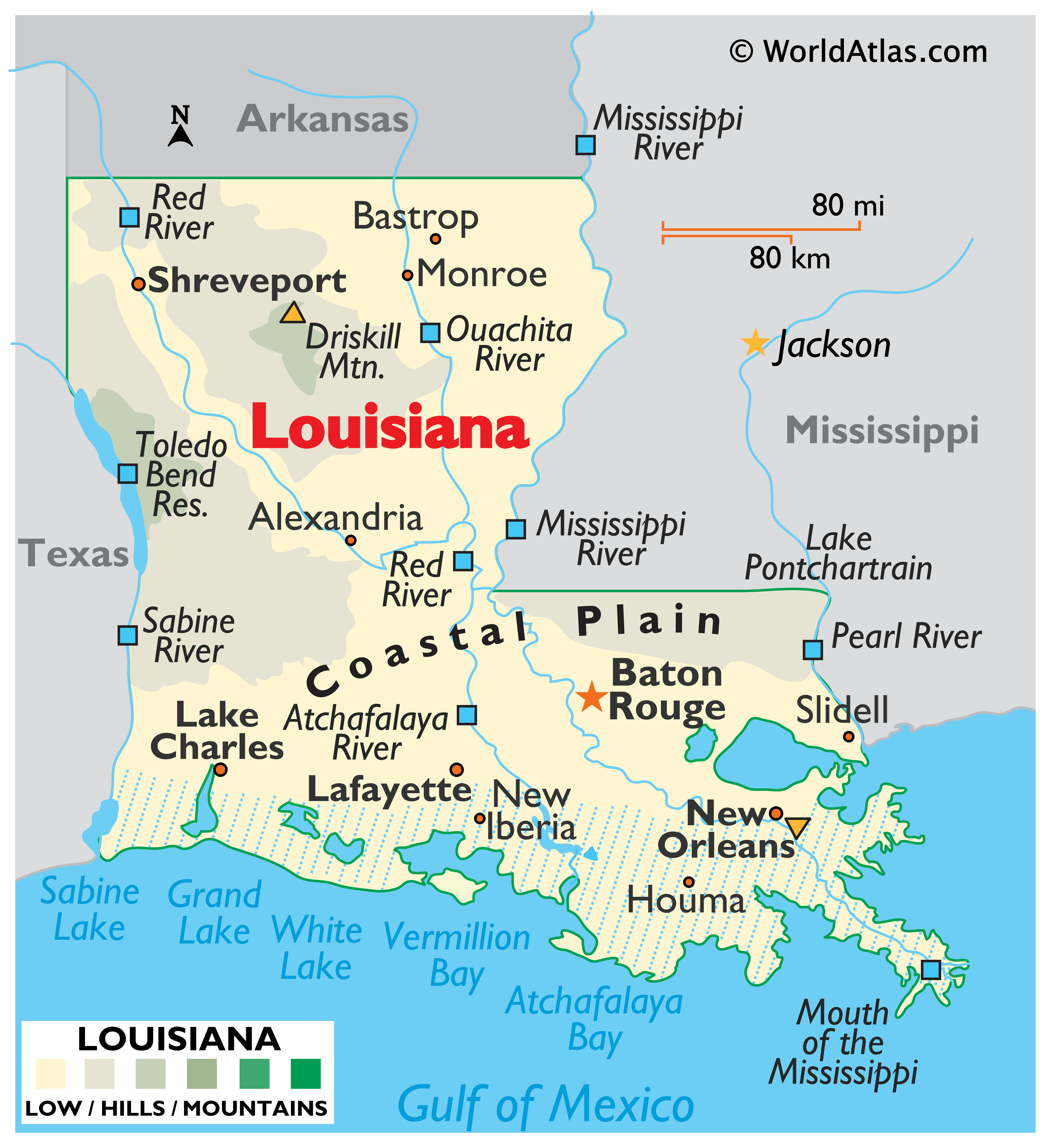
The most direct and frequently used route connecting Baton Rouge and New Orleans is via Interstate 10 (I-10). This major artery of the southern United States offers a straightforward path, predominantly consisting of a four-lane highway. The approximate distance between the downtown areas of these two cities is around 80 miles (approximately 129 kilometers).
Under normal driving conditions, without significant traffic or stops, the drive typically takes between 1 hour and 15 minutes to 1 hour and 45 minutes. However, it’s crucial for travelers to factor in potential traffic delays, especially during peak commuter hours or on weekends when events are taking place in either city. The segment of I-10 that crosses the Atchafalaya Basin near Baton Rouge can sometimes experience congestion, and the approach into New Orleans can also slow down. While not inherently scenic in the traditional sense of winding country roads, the I-10 drive does offer glimpses of Louisiana’s unique flat, marshy landscape, particularly as you traverse bridges over bayous and waterways. For those prioritizing speed and efficiency, I-10 is undoubtedly the best choice for this particular travel segment.
Alternative Routes and Scenic Detours
While I-10 is the quickest option, more adventurous travelers or those with extra time might consider alternative routes that offer a deeper dive into the Louisiana countryside. These routes often involve state highways and offer a more intimate look at the small towns and agricultural landscapes that define much of the region.
One popular alternative, especially for those interested in plantation tours, involves taking routes that parallel the Mississippi River along what is famously known as the River Road. This network of state highways, such as Highway 18 and Highway 44, winds through the historic River Parishes where numerous antebellum plantations stand as poignant reminders of a bygone era. While this route will significantly extend your driving time—potentially adding an hour or more to the journey depending on your stops—it transforms a simple drive into a historical and scenic experience. This detour allows travelers to immerse themselves in the rich history and often haunting beauty of sites like Houmas House, Oak Alley Plantation, and Laura Plantation. Choosing this path turns the commute into an attraction itself, offering a more relaxed pace and numerous opportunities for photography and cultural exploration, aligning perfectly with the desire for unique landmarks and local culture.
Exploring the Stops Along the Way: A Journey Through Louisiana’s Heart
The short distance between Baton Rouge and New Orleans makes it tempting to drive straight through, but doing so means missing out on a wealth of unique Louisiana experiences. This stretch of highway and its surrounding areas are rich with history, culture, and natural beauty, offering compelling reasons to extend your journey.
Immersive Experiences in Baton Rouge
Before departing for New Orleans, take the time to explore Baton Rouge itself. As Louisiana’s capital city, it offers a fascinating blend of political history, vibrant local culture, and Southern charm. A visit to the towering Louisiana State Capitol building, the tallest state capitol in the United States, provides breathtaking panoramic views of the city from its observation deck. Its Art Deco architecture and the story of Governor Huey P. Long offer a deep dive into Louisiana’s political past. Nearby, the Old State Capitol, a Gothic Revival castle-like structure, stands as a stunning landmark and houses a compelling museum, often referred to as “the castle on the river.”
For a taste of academic life and historical preservation, the campus of Louisiana State University (LSU) is worth exploring. The LSU Rural Life Museum offers a fascinating glimpse into 19th-century Louisiana life, featuring authentically preserved buildings and artifacts that showcase the everyday struggles and triumphs of early settlers. Another significant historical site is Magnolia Mound Plantation, an authentic late 18th-century French Creole cotton plantation that provides insights into the French colonial period and the lives of both enslavers and the enslaved. Baton Rouge’s culinary scene, influenced by both Cajun and Creole traditions, is also a draw, with numerous restaurants serving up authentic Louisiana fare, from gumbo and jambalaya to fresh seafood. For accommodation, Baton Rouge offers a range of options, from well-known hotel chains to boutique hotels, catering to different lifestyle preferences and budgets, ideal for those seeking comfortable stays before continuing their journey.
Scenic Detours and River Parishes
The corridor between Baton Rouge and New Orleans is famously dotted with some of the South’s most magnificent plantations. Taking the River Road route allows travelers to truly immerse themselves in this unique historical landscape. These grand estates, many of which are open for tours, offer a profound, albeit sometimes somber, look into the antebellum South.
Houmas House, often called “The Crown Jewel of Louisiana’s River Road,” offers exquisitely restored gardens, period-dressed guides, and a fine dining experience that transports visitors back in time. Just a short drive away, Oak Alley Plantation is renowned for its iconic canopy of 28 massive live oak trees, leading from the mansion to the Mississippi River. Its architectural beauty and haunting history make it a must-see landmark. Laura Plantation provides a starkly different, yet equally compelling, perspective. This Creole plantation focuses on the lives of four generations of a Creole family and the enslaved people who worked the land, drawing from extensive historical documents and oral histories to present a more complete and often challenging narrative. Visiting these plantations is more than just sightseeing; it’s an educational and emotional journey into the heart of Louisiana’s complex past. Beyond the plantations, small towns like Donaldsonville and Sorrento offer glimpses of rural Louisiana life, with quaint architecture and local eateries, perfect for a short stop and a taste of authentic regional flavor. These detours transform the simple commute into a rich cultural tourism adventure.
Arriving in the Crescent City: New Orleans Awaits
After the journey from Baton Rouge, whether direct or winding through historic plantations, the vibrant energy of New Orleans welcomes you. This city, often called the “Big Easy,” is unlike any other in the United States, a true melting pot of cultures, music, and flavors.
The Allure of New Orleans
New Orleans is a destination that captivates the senses from the moment you arrive. Its tourism appeal lies in its unparalleled local culture, deeply rooted in French, Spanish, African, and Creole influences. The historic French Quarter is the city’s pulsing heart, a labyrinth of narrow streets, iron-laced balconies, and lively courtyards. Here, Jackson Square, dominated by the iconic St. Louis Cathedral, serves as a hub for artists, street performers, and fortune tellers. Just steps away, Bourbon Street lights up at night with live music, bustling bars, and an infectious, celebratory atmosphere.
Beyond the French Quarter, the elegant Garden District beckons with its grand antebellum mansions and lush gardens, best explored via a leisurely stroll or a ride on the historic St. Charles Streetcar. For nature lovers, Audubon Park and City Park offer expansive green spaces, ancient oak trees, and a tranquil escape from the city’s energy. New Orleans is also the birthplace of jazz, and music permeates every corner, from impromptu street performances to world-renowned clubs on Frenchmen Street. The city’s calendar is punctuated by vibrant festivals, most famously Mardi Gras, but also the New Orleans Jazz & Heritage Festival, Voodoo Fest, and countless others. And, of course, the food scene is legendary – from savory gumbo and jambalaya to crispy fried chicken, delicate beignets at Café Du Monde, and classic po’boys, every meal is an experience. These destinations and attractions solidify New Orleans as a top global travel spot.
Accommodation in New Orleans: From Boutique to Grand
Finding the perfect place to stay in New Orleans is an integral part of the travel experience, with options ranging from historic luxury hotels to charming boutique hotels and budget-friendly stays. The city offers a diverse array of accommodation choices, catering to every lifestyle and preference.
For those seeking an opulent and indulgent lifestyle experience, New Orleans boasts several iconic luxury hotels. The Ritz-Carlton, New Orleans, located on Canal Street at the edge of the French Quarter, offers lavish suites, an acclaimed spa, and impeccable service, perfect for a high-end business stay or a romantic getaway. Similarly, The Roosevelt Hotel New Orleans, A Waldorf Astoria Hotel, with its legendary Sazerac Bar and stunning lobby, provides a historic and grand setting. The Hotel Monteleone, a literary landmark in the French Quarter famous for its Carousel Bar & Lounge, offers a blend of classic elegance and modern amenities.
Beyond the grand resorts, New Orleans excels in unique boutique hotels and guesthouses. These often feature charming courtyards, period furnishings, and a more intimate atmosphere, providing a true sense of local culture. Areas like the French Quarter, Garden District, and the Central Business District offer a variety of choices, from historic mansions converted into small hotels to modern apartments available for long-term stays. For travelers on a tighter budget, numerous hostels and more affordable hotels can be found, particularly outside the immediate French Quarter area, ensuring that everyone can find suitable accommodation without compromising on the New Orleans experience. Booking in advance, especially during peak season or festivals like Mardi Gras, is highly recommended, and checking reviews and comparison sites can help secure the best deals.
Planning Your Louisiana Road Trip: Tips for an Unforgettable Journey
To maximize your travel from Baton Rouge to New Orleans and beyond, a little planning goes a long way. Considering various aspects from the best time to visit to essential packing items will ensure a smooth and memorable Louisiana adventure.
Best Time to Visit
Louisiana’s climate is subtropical, characterized by hot, humid summers and mild winters. The ideal time to visit is typically fall (October to November) and spring (March to May). During these seasons, the weather is pleasantly warm, making it comfortable for walking tours, outdoor festivals, and exploring plantations and city streets. Spring is especially vibrant with events like Mardi Gras (usually February or March), and the New Orleans Jazz & Heritage Festival (late April/early May), though prices for accommodation and flights will be higher due to increased tourism demand.
Summers (June to September) can be intensely hot and humid, with a higher chance of afternoon thunderstorms and the occasional hurricane threat. While travel during this period might be less comfortable for outdoor activities, it often comes with lower crowds and reduced hotel rates. Winter (December to February) offers cool, crisp weather, perfect for exploring without the oppressive heat, and still features festive holiday celebrations, particularly in New Orleans.
Transportation Beyond Driving
While driving offers the most flexibility for exploring at your own pace and making spontaneous stops, other transportation options exist:
- Buses: Companies like Greyhound offer intercity bus services between Baton Rouge and New Orleans. This can be a cost-effective option for budget travel but offers less flexibility than driving.
- Ride-shares and Taxis: Services like Uber and Lyft are available in both cities, providing a convenient way to get around within the cities and even between them, though the cost for an intercity ride can be substantial.
- Trains: Amtrak offers limited rail service from Baton Rouge to New Orleans as part of its wider network. While scenic, train schedules may not always align perfectly with all travel plans and are generally less frequent than bus services or the flexibility of a personal vehicle.
For most visitors, especially those keen on taking scenic detours or plantation tours, renting a car for the duration of the trip remains the most recommended approach.
What to Pack
Given Louisiana’s climate, packing smart is key:
- Lightweight, Breathable Clothing: Cotton or linen fabrics are ideal, especially for warmer months.
- Comfortable Walking Shoes: You’ll be doing a lot of walking in both cities and on plantation tours.
- Rain Gear: A light rain jacket or umbrella is advisable, as pop-up showers are common.
- Sun Protection: Sunscreen, a hat, and sunglasses are essential year-round.
- Insect Repellent: Especially important if you plan to venture into natural areas or explore outdoor attractions during dusk.
- Layers: For cooler months or air-conditioned indoor spaces, a light sweater or jacket will be useful.
Culinary Delights
No trip to Louisiana is complete without indulging in its world-famous cuisine. Both Baton Rouge and New Orleans are culinary hotspots. Be sure to savor:
- Gumbo and Jambalaya: Staples of Cajun and Creole cooking, these hearty dishes are a must-try.
- Beignets: These delicious fried dough squares dusted with powdered sugar, especially from Café Du Monde in New Orleans, are a quintessential experience.
- Po’boys: A traditional Louisiana sandwich, typically filled with fried seafood or roast beef.
- Fresh Seafood: From crawfish boils to grilled Gulf Coast shrimp, seafood is abundant and fresh.
- Louisiana Coffee: Often strong and sometimes blended with chicory.
Explore local markets, quaint cafes, and renowned fine dining establishments to truly appreciate the depth and variety of Louisiana’s gastronomic landscape. This is a core part of the tourism and lifestyle appeal of the region.

Safety and Local Etiquette
While generally safe for travelers, it’s always wise to practice common sense:
- Be aware of your surroundings, especially in crowded tourist areas or at night.
- Keep valuables out of sight.
- Don’t walk alone in dimly lit areas.
- Embrace the friendly, laid-back local culture, but also respect local customs and traditions. A simple “hello” or “how y’all doin’?” goes a long way.
The journey from Baton Rouge to New Orleans is far more than just covering 80 miles on Interstate 10. It’s an invitation to explore the diverse soul of Louisiana, from its political capital to its vibrant cultural heart. With careful planning and an open mind, this relatively short road trip can transform into an immersive adventure filled with history, music, exquisite food, and unforgettable Southern charm. Whether you dash directly to the Crescent City or meander through historic plantations, the path between these two iconic cities promises a rich and rewarding travel experience.
LifeOutOfTheBox is a participant in the Amazon Services LLC Associates Program, an affiliate advertising program designed to provide a means for sites to earn advertising fees by advertising and linking to Amazon.com. Amazon, the Amazon logo, AmazonSupply, and the AmazonSupply logo are trademarks of Amazon.com, Inc. or its affiliates. As an Amazon Associate we earn affiliate commissions from qualifying purchases.