
When the question arises, “Where is New York University in New York?” it’s not a simple geographical pinpoint, but rather a constellation of academic and cultural hubs spread across the vibrant landscape of Manhattan. New York University, or NYU as it’s affectionately known, is not confined to a single, monolithic campus. Instead, it’s deeply interwoven with the fabric of New York City itself, embodying the city’s dynamic spirit and offering a truly immersive educational experience. Understanding the location of NYU involves exploring its primary academic nerve center, its residential colleges, and the surrounding neighborhoods that become integral parts of the student experience.

The Heart of the Village: Washington Square Campus
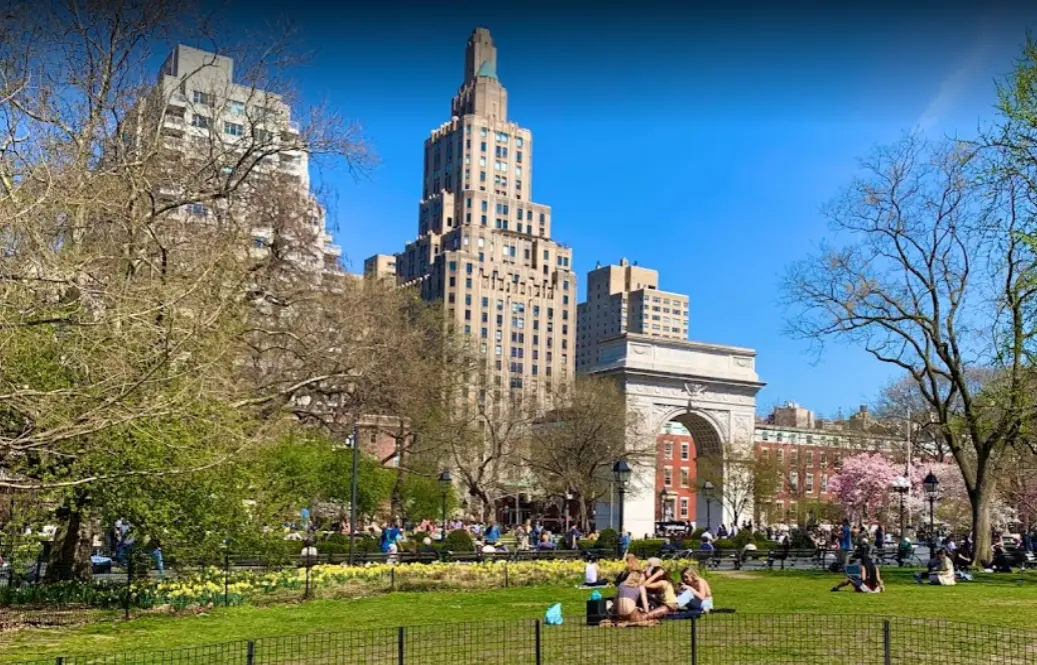
The undisputed core of New York University is its Washington Square Campus, strategically situated in the heart of Greenwich Village. This iconic area is synonymous with bohemian history, artistic expression, and intellectual ferment, perfectly mirroring NYU’s own ethos. The campus isn’t a collection of buildings behind a fence; rather, it’s a series of academic and administrative buildings that blend seamlessly with the surrounding urban environment. The iconic Washington Square Arch stands as a majestic gateway, a beloved landmark that often serves as a de facto meeting point and a symbol of the university’s presence.
Academic Hubs and Architectural Significance
The academic buildings that constitute the Washington Square Campus are scattered throughout the Village, creating a dispersed yet interconnected learning environment. Key academic centers include the Silver Center for Arts and Science, a Beaux-Arts masterpiece that houses many classrooms, lecture halls, and faculty offices. Its grand facade and impressive interiors speak to the university’s long-standing tradition and architectural heritage. The Bobst Library, a significant architectural presence on the campus, is more than just a repository of books; it’s a vital hub for research, study, and collaboration, with its distinctive Ziggurat-like design. Other important academic buildings include those housing the Stern School of Business, the College of Arts and Science, and the Gallatin School of Individualized Study. Each building contributes to the academic heartbeat of the university, with students and faculty navigating the charming streets between lectures, seminars, and research projects. The constant flow of people, the buzz of conversation, and the iconic yellow cabs weaving through traffic all contribute to the unique atmosphere of an urban university.
The Living and Breathing Campus Experience
Beyond the academic structures, the Washington Square Campus encompasses a vibrant residential life. While not all students live on campus, the university operates several residence halls within and around Greenwich Village. These dormitories are not isolated complexes but are often integrated into existing buildings or designed to complement the neighborhood’s architectural style. Living in these halls means students are literally immersed in the city, with the daily rhythms of Greenwich Village as their backdrop. The availability of student housing in such a desirable location is a significant draw for prospective students seeking the quintessential New York experience. The proximity to iconic New York landmarks such as Central Park, Times Square, and the theaters of Broadway further enhances the appeal.
Expanding Horizons: Beyond Washington Square
While Washington Square is the anchor, New York University’s presence extends to other significant locations within New York City and even globally. These additional campuses and facilities cater to specialized programs and provide students with diverse learning environments and opportunities to explore different facets of the city.
Midtown and the Financial District
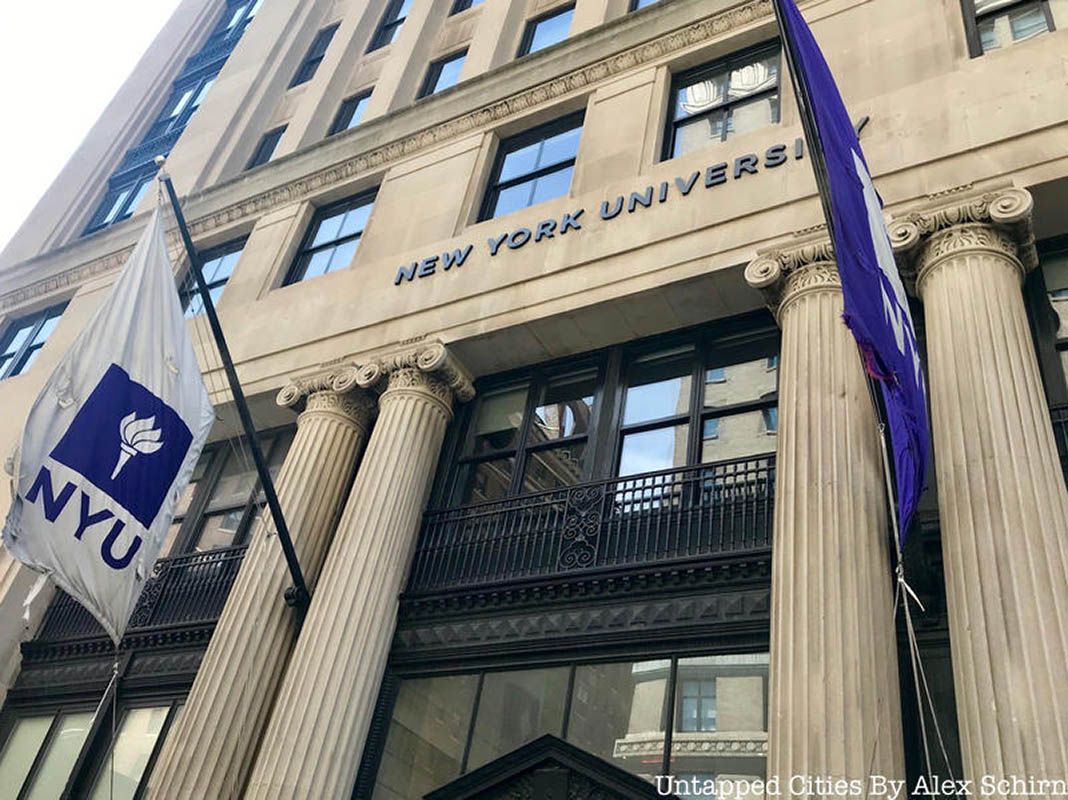
NYU also maintains a significant presence in Midtown Manhattan, particularly for its business and continuing education programs. The proximity to major corporations and financial institutions in the Financial District and Midtown offers invaluable internship and networking opportunities for students in fields like finance, marketing, and management. The NYU Midtown Center, for instance, serves as a hub for executive education and professional development, reinforcing the university’s connection to the professional world of New York City. This strategic positioning allows students to gain practical experience while still pursuing their academic goals, blurring the lines between classroom learning and real-world application.
The School of Professional Studies and Public Affairs
The NYU School of Professional Studies and the Robert F. Wagner Graduate School of Public Service further diversify the university’s footprint. These schools often occupy facilities in areas that align with their specialized fields, such as the Financial District for professional studies in finance and marketing, and areas conducive to public service engagement. This distribution allows students to be at the nexus of their chosen industries, fostering direct connections with practitioners and policymakers. The physical presence of these schools in distinct urban environments enriches the educational experience, providing a context-specific learning environment that is highly beneficial for professional development.
The Integrated Urban Campus: A Unique Educational Model
The dispersed nature of New York University’s campus is not a challenge but a defining characteristic that contributes to its unique educational model. It fosters a sense of urban immersion, encouraging students to engage with the city as an extended classroom.
Navigating the City as Campus
For students at NYU, getting to class often involves navigating the bustling streets of Manhattan, taking the subway, or even a brisk walk through vibrant neighborhoods. This daily interaction with the urban landscape cultivates a heightened sense of awareness, independence, and adaptability. The city itself becomes a source of learning, offering countless opportunities for cultural exploration, internships, and personal growth. From world-class museums like the Metropolitan Museum of Art and the Museum of Modern Art to diverse culinary experiences and historical sites, New York City is an ever-present, dynamic part of the NYU educational journey. The extensive public transportation system, including the New York City Subway, makes it feasible for students to traverse the city efficiently and access different campuses and resources.
The Benefits of an Urban Immersion
The benefits of this integrated urban campus model are profound. Students gain a practical understanding of urban living and development, which is invaluable for many disciplines. They develop strong problem-solving skills as they navigate the complexities of city life. Moreover, the constant exposure to diverse cultures, perspectives, and opportunities cultivates well-rounded individuals who are prepared for a globalized world. The lack of traditional campus boundaries means that students are not isolated within a university bubble but are actively participating members of a larger community. This fosters a deeper connection to the city and its inhabitants, leading to a richer and more authentic educational experience. This model also allows for unique collaborations with local businesses, cultural institutions, and government agencies, further enhancing the learning opportunities available to NYU students.
LifeOutOfTheBox is a participant in the Amazon Services LLC Associates Program, an affiliate advertising program designed to provide a means for sites to earn advertising fees by advertising and linking to Amazon.com. Amazon, the Amazon logo, AmazonSupply, and the AmazonSupply logo are trademarks of Amazon.com, Inc. or its affiliates. As an Amazon Associate we earn affiliate commissions from qualifying purchases.