
This article will delve into the legal landscape surrounding euthanasia in California, focusing on its practical implications, legal frameworks, and the ethical considerations that shape its availability. It is crucial to understand that discussions about euthanasia are sensitive and require a nuanced approach, considering both individual autonomy and societal values.
Understanding End-of-Life Options in California
California has established specific legal pathways for individuals seeking to exercise control over their end-of-life decisions. This section will explore the relevant legislation and the terminology used to describe these options.
The End of Life Option Act
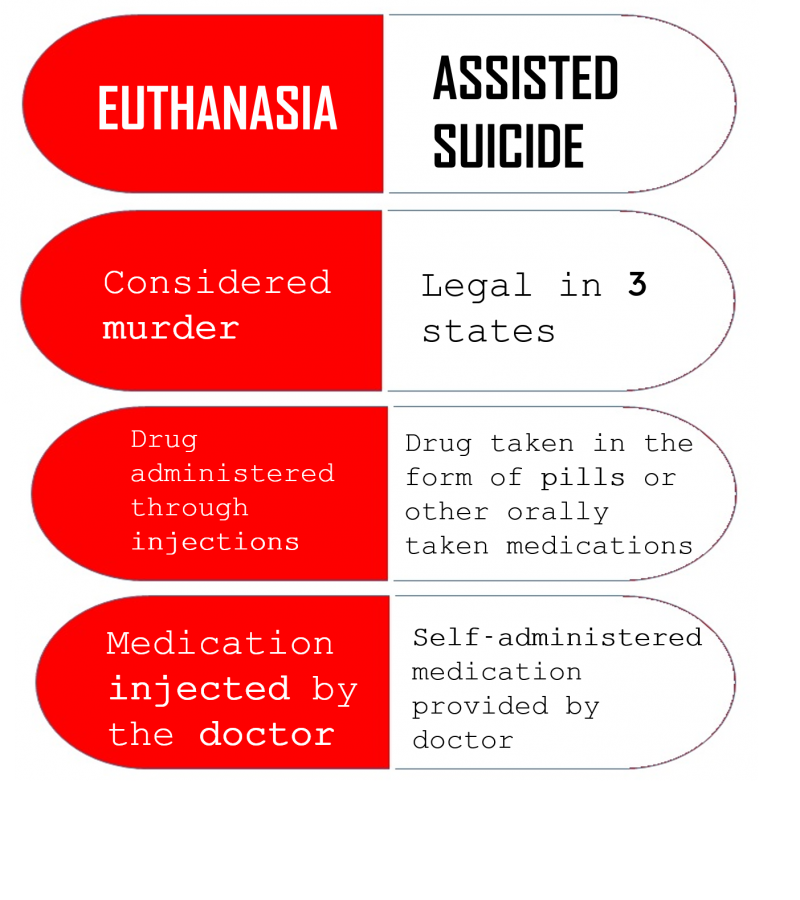
The cornerstone of end-of-life autonomy in California is the End of Life Option Act. Enacted in 2016, this legislation permits eligible adults with a terminal illness to request a prescription for medication that they can self-administer to end their life. It is important to distinguish this from physician-assisted suicide, as the act emphasizes self-administration. The law outlines strict eligibility criteria and procedural safeguards to ensure that requests are voluntary, informed, and free from coercion.

Eligibility Criteria and Safeguards
To qualify for medical aid in dying under the End of Life Option Act, an individual must meet several requirements:
- Residency: Be a resident of California.
- Age: Be at least 18 years of age.
- Capacity: Be mentally capable of making and communicating healthcare decisions.
- Diagnosis: Have a terminal illness that, in the opinion of their attending physician and one consulting physician, is likely to result in death within six months.
- Informed Consent: Make a voluntary and informed request for medication.
The Act mandates a rigorous process involving two oral requests and one written request from the patient, separated by a minimum of 15 days. Physicians must ensure the patient is informed of all their options, including palliative care and hospice care, and that the request is not the result of undue influence.
Differentiating Medical Aid in Dying from Other End-of-Life Choices
It is vital to differentiate medical aid in dying from other end-of-life care options to avoid confusion and ensure individuals have a clear understanding of their choices.
Palliative Care and Hospice
Palliative care focuses on relieving the symptoms and stress of a serious illness and improving quality of life for both the patient and the family. It can be provided at any stage of a serious illness, alongside curative treatment. Hospice care, on the other hand, is typically for individuals with a prognosis of six months or less to live, focusing on comfort and support rather than cure. Both are crucial components of comprehensive end-of-life care and are often pursued in conjunction with or as an alternative to medical aid in dying.
Euthanasia vs. Medical Aid in Dying
The term “euthanasia” is often used broadly, but in a legal context, it’s important to distinguish between different practices. Generally, euthanasia involves a physician directly administering a lethal dose of medication. In contrast, the End of Life Option Act in California permits “medical aid in dying,” where the physician prescribes the medication, but the patient self-administers it. This distinction is central to the legal framework in California and other states that have similar legislation.
The Legal Framework and Procedural Requirements
Navigating the legal requirements for medical aid in dying in California involves a series of steps designed to protect patients and ensure the process is conducted ethically and lawfully.
The Role of Physicians and Healthcare Providers
Physicians play a critical role in the medical aid in dying process. They are responsible for confirming the patient’s eligibility, informing them of all available options, and providing the necessary prescriptions. However, physicians are not obligated to participate if it conflicts with their personal beliefs. The law allows for conscientious objection, meaning a physician can decline to participate in a request for medical aid in dying without needing to refer the patient elsewhere.

Attending and Consulting Physicians
The End of Life Option Act requires the involvement of two physicians: the attending physician and a consulting physician.
- Attending Physician: This is the physician who has primary responsibility for the patient’s care and who will make the initial assessment of eligibility. They must confirm the diagnosis, prognosis, and the patient’s capacity.
- Consulting Physician: This physician, who must also be licensed and in good standing, independently reviews the patient’s case and confirms the attending physician’s findings. They must also confirm the patient’s mental capacity and that the request is voluntary and informed.
Informed Consent and Voluntariness
A cornerstone of the law is ensuring that the patient’s request is fully informed and voluntary. This involves extensive discussions about the patient’s prognosis, the potential risks and benefits of medication, and alternative care options. The physicians must be satisfied that the patient understands the implications of their decision and is not being pressured by family members or others.
The Patient’s Role and Responsibilities
The patient’s agency is paramount in the medical aid in dying process. The law places the ultimate control and responsibility for self-administration on the individual seeking this option.
Making the Request
A patient must make a formal request for medical aid in dying. This typically involves:
- Oral Requests: Two oral requests, at least 15 days apart, are required.
- Written Request: A written request signed by the patient, usually witnessed by two individuals, one of whom is not a relative or beneficiary.
- Final Ingestion: The patient must personally ingest the prescribed medication.
Documentation and Reporting
Healthcare providers are required to maintain detailed records of all steps taken in accordance with the End of Life Option Act. This documentation is crucial for oversight and to ensure compliance with the law. Reports are submitted to the California Department of Public Health for statistical purposes, with patient confidentiality strictly maintained.
Ethical and Societal Considerations
The legality of medical aid in dying in California, while established, continues to be a subject of significant ethical debate and societal reflection. Understanding these broader considerations provides a more complete picture of the issue.
Autonomy and Individual Rights
A central argument supporting medical aid in dying is the principle of individual autonomy. Proponents argue that competent adults have the right to make decisions about their own bodies and lives, including how and when their life ends, especially when facing unbearable suffering from a terminal illness. This perspective emphasizes self-determination and the right to die with dignity.
Concerns and Criticisms
Despite the legal framework, medical aid in dying raises several ethical concerns:
- Sanctity of Life: Some ethical and religious viewpoints hold that life is sacred and should not be intentionally ended, regardless of circumstances.
- Potential for Abuse: Critics worry about the potential for coercion or undue influence on vulnerable individuals, particularly those who may feel like a burden.
- Role of Medicine: There are concerns that allowing physicians to participate in ending lives could fundamentally alter the role of medicine, shifting its focus from healing and preserving life to hastening death.
- Impact on Palliative Care: Some worry that the availability of medical aid in dying might reduce the incentive to improve palliative and hospice care services.
Public Opinion and Future Directions
Public opinion on medical aid in dying in California and across the United States has evolved over time, with increasing acceptance of such options for terminally ill individuals. As the law continues to be implemented, ongoing dialogue and potential legislative adjustments may occur, reflecting societal values and the experiences of patients, families, and healthcare providers. The experiences in California serve as a model and a point of discussion for other states considering similar legislation.
LifeOutOfTheBox is a participant in the Amazon Services LLC Associates Program, an affiliate advertising program designed to provide a means for sites to earn advertising fees by advertising and linking to Amazon.com. Amazon, the Amazon logo, AmazonSupply, and the AmazonSupply logo are trademarks of Amazon.com, Inc. or its affiliates. As an Amazon Associate we earn affiliate commissions from qualifying purchases.