
Billings, Montana, often referred to as Montana’s Trailhead, stands as the largest city in the Treasure State, serving as a pivotal economic hub and a gateway to some of America’s most spectacular natural wonders. For many prospective travelers, the first question that arises when considering a visit is, quite simply, “How far is it?” This isn’t just a query about physical distance; it’s an inquiry into accessibility, travel time, and the overall journey experience. Understanding Billings’ geographical placement and the various modes of transport available is crucial for planning an efficient and enjoyable trip, whether you’re embarking on a cross-country adventure or a regional getaway. This guide will delve into the practicalities of reaching Billings, outlining typical travel durations from major cities, highlighting transportation options, and ultimately underscoring why this vibrant city is well worth the journey.

Pinpointing Billings: A Crossroads in the West
Billings’ strategic location in south-central Montana makes it an important nexus for travel and commerce across the northern Great Plains and Rocky Mountain West. Its position is not merely geographic; it embodies a convergence of diverse landscapes, from rolling plains to rugged mountains, creating a unique backdrop for any adventure.
Geographical Context and Importance
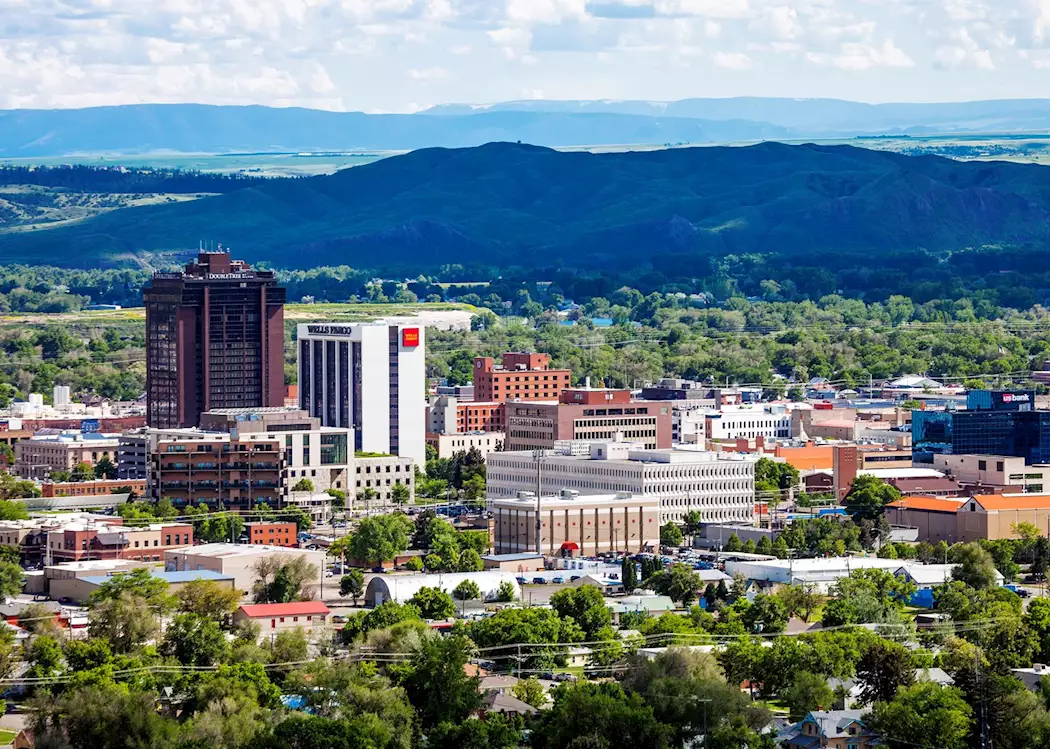
Situated in the Yellowstone River Valley, Billings is nestled between the Big Horn and Absaroka mountain ranges, offering a dramatic vista that contrasts sharply with the vast, open plains extending eastward. This unique setting has historically positioned it as a natural gathering point and a vital stop for travelers, traders, and explorers. Today, it continues to serve as a regional center for healthcare, retail, and energy, making it a bustling city with modern amenities amidst its rugged surroundings. Its proximity to significant landmarks like the Yellowstone National Park and the Little Bighorn Battlefield National Monument further enhances its appeal as a basecamp for exploration. The city itself sits on the northern bank of the Yellowstone River, the longest free-flowing river in the Lower 48 states, providing a lush riparian corridor and a scenic natural boundary. This blend of urban convenience and immediate access to diverse natural environments defines Billings’ unique character and underscores its importance as a travel destination.
Major Interstates and Routes
Accessibility by road is a significant factor in determining “how far” a destination truly is. Billings is exceptionally well-connected by a network of major highways, making it reachable from virtually any direction. The city is primarily served by two crucial interstates:
- Interstate 90 (I-90): This transcontinental highway runs east-west, connecting Billings to cities like Seattle, Washington to the west, and Rapid City, South Dakota and Minneapolis, Minnesota to the east. It’s the primary artery for travelers coming from the Pacific Northwest and the Upper Midwest.
- Interstate 94 (I-94): While I-90 passes directly through Billings, I-94 effectively begins just northeast of the city, near the town of Lockwood, and extends eastward through North Dakota and Minnesota. This route provides a direct link to major cities like Fargo and Bismarck, North Dakota, making it vital for east-west travel within the northern tier of the United States.
In addition to these interstates, several U.S. and state highways converge on Billings, further enhancing its connectivity. U.S. Highway 87 connects it northward to Great Falls and southward into Wyoming, while U.S. Highway 212 heads west towards Red Lodge and the scenic Beartooth Highway. This comprehensive road network ensures that, no matter your starting point, there’s a straightforward route to Billings, making it a truly accessible destination for road trippers and travelers alike.
Calculating the Journey: Distances from Key Cities
Understanding the “how far” question often translates into “how long will it take?” The duration of your journey to Billings will largely depend on your starting location and your chosen mode of transportation. For those opting for a scenic road trip, planning for driving distances and times is paramount.
Driving Distances and Times
Driving to Billings can be an adventure in itself, with diverse landscapes unfolding along the way. Here are approximate driving distances and times from several major cities, assuming good road conditions and minimal stops:
- From Denver, Colorado: Approximately 500-550 miles (800-880 km), translating to an 8-9 hour drive. This route typically takes travelers north through Wyoming, often via I-25 North and then connecting to US-87 North or I-90 West.
- From Salt Lake City, Utah: Around 450-500 miles (720-800 km), roughly a 7-8 hour journey. The most common route is via I-15 North to I-86 East, then I-90 West.
- From Boise, Idaho: Expect a drive of about 400-450 miles (640-720 km), taking approximately 6-7 hours. This route primarily involves I-84 East to I-90 East.
- From Seattle, Washington: This is a longer haul, about 700-750 miles (1120-1200 km), requiring 10-11 hours of driving. The entire journey is mostly along I-90 East, offering stunning views through Idaho and Montana.
- From Minneapolis, Minnesota: Another significant cross-state drive, approximately 850-900 miles (1360-1440 km), which translates to a 12-13 hour drive. Travelers typically follow I-94 West directly to Billings.
- From Rapid City, South Dakota: A relatively shorter trip at around 300-330 miles (480-530 km), taking about 4-5 hours. This route mainly follows I-90 West.
It’s important to remember that these times are estimates. Factors such as road construction, traffic, weather conditions (especially in winter), and the frequency of stops for fuel, food, and rest can significantly impact your actual travel duration.
Considerations for a Road Trip
Embarking on a road trip to Billings offers an unparalleled opportunity to experience the vastness and beauty of the American West. To make the most of your journey:
- Scenic Routes: While interstates provide the most direct paths, consider incorporating scenic byways or state routes where possible. For instance, if coming from the west, parts of I-90 through Montana offer breathtaking mountain vistas. The Beartooth Highway (seasonal) connecting Red Lodge to Yellowstone National Park is often rated as one of the most beautiful drives in America, and while not a direct route to Billings, it’s an incredible detour for those with extra time.
- Fuel Stops and Rest Areas: Especially in rural Montana and neighboring states, gas stations and services can be spaced far apart. Plan your fuel stops, particularly when traveling through less populated areas.
- Vehicle Preparation: Ensure your vehicle is in excellent condition before a long drive. Check tire pressure, fluid levels, brakes, and lights. An emergency kit with jumper cables, a first-aid kit, extra water, and blankets is highly recommended, particularly for winter travel.
- Pacing: Don’t try to cover too much ground in a single day. Break up long drives with overnight stays to avoid driver fatigue and allow time to explore smaller towns or attractions along your route.
Air Travel: Flying into Billings
For those who prioritize speed and efficiency, flying directly to Billings is a viable and often convenient option. Billings boasts a well-serviced airport that connects it to major airline hubs across the country.
Billings Logan International Airport (BIL)
The primary aerial gateway to southeastern Montana and northern Wyoming is Billings Logan International Airport (BIL). Located just a few miles north of downtown Billings, BIL offers a range of services and facilities for travelers.
- Major Airlines: BIL is serviced by several reputable airlines, ensuring good connectivity and competitive pricing. These include United Airlines, Delta Air Lines, Alaska Airlines, Allegiant Air, and American Airlines.
- Direct Flight Options: Travelers can often find direct flights to Billings from major hub cities, significantly reducing travel time. Key direct routes typically include:
- Denver, Colorado
- Salt Lake City, Utah
- Seattle, Washington
- Minneapolis, Minnesota
- Dallas/Fort Worth, Texas (seasonal or less frequent)
- Chicago, Illinois (seasonal or less frequent)
- Las Vegas, Nevada (via Allegiant)
The availability of these direct flights means that even from distant locations, travelers can reach Billings within a matter of hours, often with just one connection through a major hub.
Pros and Cons of Flying vs. Driving
Deciding between flying and driving to Billings involves weighing several factors:
- Time Efficiency vs. Scenic Experience: Flying is undeniably faster, allowing you to reach Billings in a fraction of the time it would take to drive from distant cities. However, driving offers the freedom to stop, explore, and soak in the journey’s changing landscapes, which is a significant part of the Montana travel experience.
- Cost Comparison: For solo travelers or those on a tight budget, driving can sometimes be more economical, especially if you have an fuel-efficient car. For groups, splitting fuel and accommodation costs can make driving very cost-effective. However, when considering wear and tear on your vehicle, potential overnight stays, and meal expenses, flying can often be comparable or even cheaper, particularly if you book flights in advance during off-peak seasons.
- Rental Car Needs Upon Arrival: If you fly into Billings, you’ll almost certainly need to rent a car to explore the city and its surrounding attractions, as public transportation options for extensive sightseeing are limited. The Billings Logan International Airport has several car rental agencies on-site, making this a convenient option. If you drive, you have the immediate flexibility of your own vehicle.
Ultimately, the choice between flying and driving depends on your starting location, budget, available time, and your desired travel experience. Many travelers opt to fly into Billings and then rent a vehicle to maximize their exploration time in Montana’s vast landscapes.
Why Make the Journey to Billings?
Knowing “how far” Billings is becomes secondary once you understand “why” you should make the journey. Billings offers a compelling blend of natural beauty, historical significance, and urban charm, making it an excellent destination for a diverse range of travelers.
Gateway to Natural Wonders
Billings’ nickname, “Montana’s Trailhead,” is well-deserved due to its strategic position at the doorstep of some of the most iconic natural attractions in the United States.
- Yellowstone National Park: Perhaps the most significant draw, Billings is a convenient jumping-off point for exploring the world’s first national park. The Northeast Entrance of Yellowstone, via the stunning Beartooth Highway (seasonal), is approximately 2-3 hours away, offering an unparalleled scenic drive before even reaching the park’s boundaries.
- Little Bighorn Battlefield National Monument: A crucial site in American history, this monument commemorates the 1876 battle between the U.S. Army’s 7th Cavalry and the Lakota, Cheyenne, and Arapaho tribes. It’s an insightful and somber visit, located about an hour southeast of Billings.
- Custer National Forest: Stretching across parts of Montana and South Dakota, this vast forest offers opportunities for hiking, camping, fishing, and wildlife viewing. Portions are easily accessible from Billings, particularly the Pryor Mountains section.
- Bighorn Canyon National Recreation Area: Just south of Billings (about an hour’s drive), this area features a spectacular 71-mile long canyon carved by the Bighorn River. It’s a haven for boating, fishing, hiking, and wildlife photography, home to wild horses and diverse bird species.
- Beartooth Highway: Often hailed as one of the most beautiful drives in America, this scenic byway winds through the Beartooth Mountains, reaching elevations over 10,000 feet. It’s a seasonal road, typically open from late May/early June to mid-October, and provides access to the northeast entrance of Yellowstone.
Urban Attractions and Local Charm
Beyond its natural splendors, Billings itself offers a vibrant urban experience with a distinct Western flair.
- Downtown Billings: The revitalized downtown area is a hub of activity, featuring a growing brewery district, diverse restaurants, art galleries, and boutique shops. The “Walkable Brewery District” allows visitors to sample local craft beers at several breweries within easy walking distance.
- Western Heritage Center: Housed in the historic Parmly Billings Memorial Library, this museum preserves and interprets the history and culture of the Yellowstone River Valley and the Northern High Plains.
- ZooMontana: Montana’s only zoo and botanical park, ZooMontana focuses on Northern Hemisphere species and offers a unique educational and conservation experience.
- Moss Mansion Historic House Museum: A stunning example of turn-of-the-century architecture, this historic mansion offers a glimpse into the lavish lifestyle of Billings’ early elite.
- The Rimrocks: These distinctive sandstone cliffs encircle Billings, providing panoramic views of the city and the Yellowstone River Valley. They offer easily accessible hiking and biking trails and are a popular spot for locals and visitors alike.
Planning Your Billings Itinerary
When planning your trip to Billings, consider:
- Best Time to Visit: Summer (June-August) offers the warmest weather, ideal for outdoor activities and accessing high-elevation roads like the Beartooth Highway. Spring and Fall bring milder temperatures, fewer crowds, and beautiful seasonal colors. Winter transforms the landscape into a snowy wonderland, offering opportunities for skiing, snowshoeing, and cozy indoor activities, though some roads and attractions may be closed.
- Activities for Different Interests: Whether you’re an avid hiker, a history buff, a foodie, or simply looking for a relaxing escape, Billings has something to offer. Tailor your itinerary to combine urban exploration with wilderness adventures.
Making Your Way: Practical Travel Tips
Regardless of how you choose to reach Billings, a few practical tips can help ensure a smooth and enjoyable journey.
Vehicle Preparation for Road Trips
If you’re driving, especially if traveling long distances or during less predictable seasons:
- Thorough Inspection: Beyond the basics, consider a professional vehicle inspection if your car is older or you plan a very long journey.
- Emergency Kit: Pack essential tools, tire chains (if traveling in winter), a flashlight, jumper cables, blankets, extra water and non-perishable food, and a comprehensive first-aid kit.
- Roadside Assistance: Ensure your roadside assistance membership is current and you have contact information readily available. Cell service can be spotty in remote areas of Montana.
- Navigation: While GPS is invaluable, having a physical map as a backup is always a good idea, especially in areas with limited cell signal.
Navigating Air Travel
For those flying into Billings Logan International Airport:
- Book in Advance: Especially for peak travel seasons (summer, holidays), booking flights and rental cars well in advance can secure better rates and availability.
- Baggage Policies: Familiarize yourself with your chosen airline’s baggage fees and size restrictions to avoid unexpected charges.
- Ground Transportation: Upon arrival, you’ll find several options for ground transport. Car rental agencies are conveniently located at the airport. Taxis and ride-sharing services are also available for getting to your accommodation.

Accommodation and Local Transport
Once you arrive in Billings:
- Accommodation: Billings offers a wide range of lodging options, from budget-friendly motels to upscale hotels and charming bed-and-breakfasts. Booking ahead, particularly during summer, is advisable.
- Getting Around Locally: While Downtown Billings is walkable, exploring the broader city and surrounding attractions will almost certainly require a car. Public transit is available but may not serve all tourist destinations efficiently.
In conclusion, “How far is Billings, Montana?” is a question with many answers, each pointing to a journey that is as much about the experience as it is about the destination. Whether you choose the immersive adventure of a road trip or the swift convenience of air travel, Billings stands ready to welcome you, offering a unique blend of rugged wilderness and urban appeal that makes every mile traveled profoundly worthwhile. Plan your trip with these considerations in mind, and prepare to discover the vibrant heart of Big Sky Country.
LifeOutOfTheBox is a participant in the Amazon Services LLC Associates Program, an affiliate advertising program designed to provide a means for sites to earn advertising fees by advertising and linking to Amazon.com. Amazon, the Amazon logo, AmazonSupply, and the AmazonSupply logo are trademarks of Amazon.com, Inc. or its affiliates. As an Amazon Associate we earn affiliate commissions from qualifying purchases.