
Traveling between Birmingham, Alabama‘s largest city, and the burgeoning Rocket City of Huntsville is a frequent journey for residents and visitors alike. Whether for business, family visits, or exploring the distinct charms of each metropolis, understanding the distance, travel time, and various transportation options is crucial for a smooth and enjoyable trip. This guide will meticulously detail everything you need to know about traversing the landscape between these two pivotal Alabama destinations.
The Journey Between Two Alabama Powerhouses
The geographic expanse separating Birmingham and Huntsville is significant enough to warrant proper planning, yet manageable enough for a convenient day trip or a weekend getaway. These two cities, while both economic and cultural hubs, offer remarkably different experiences, drawing travelers for a multitude of reasons. Birmingham is renowned for its rich civil rights history, burgeoning culinary scene, and a vibrant arts and entertainment district. Huntsville, on the other hand, stands as a titan of aerospace and technology, home to the U.S. Space & Rocket Center and a rapidly expanding tech industry. The straight-line distance, often referred to as “as the crow flies,” is approximately 90 miles (145 kilometers). However, actual road travel covers a greater distance.
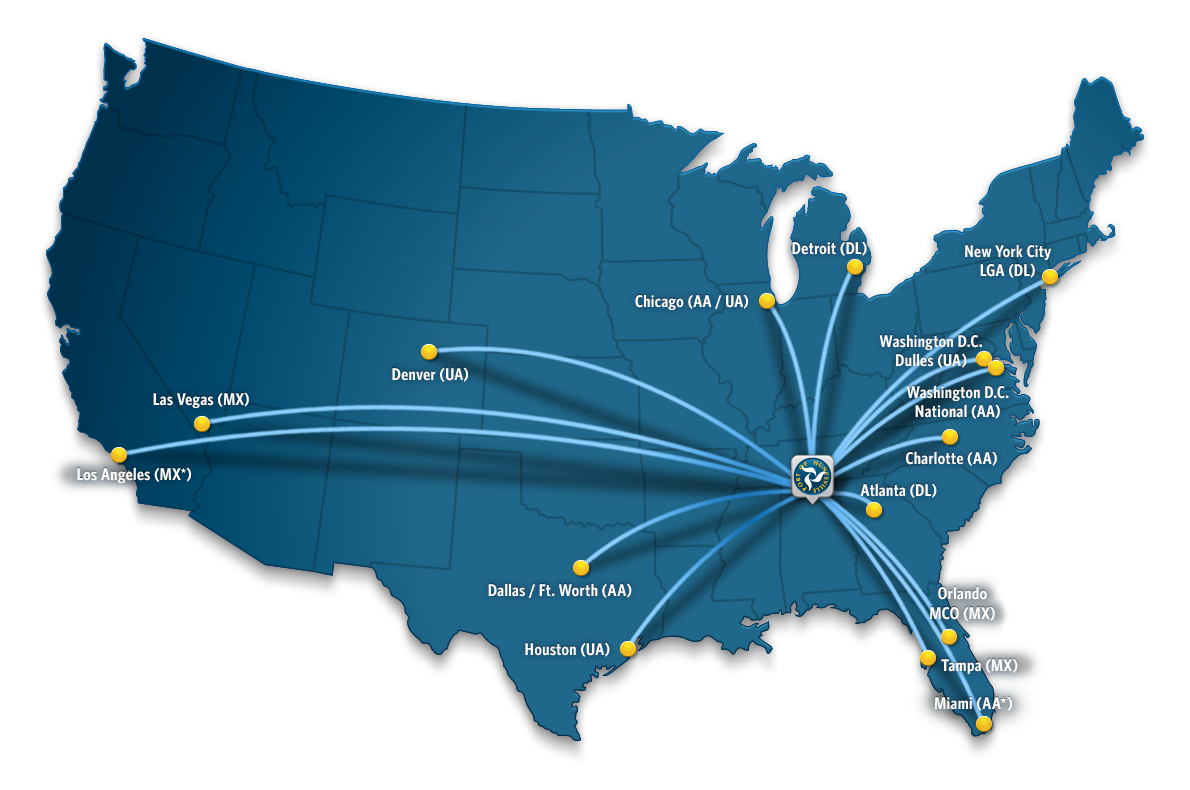
The typical driving distance between Birmingham and Huntsville is approximately 100 to 110 miles (161 to 177 kilometers), depending on your exact starting and ending points within each city. The journey predominantly follows major interstate highways, making it a relatively straightforward drive. Under normal traffic conditions, the average travel time by car ranges from 1 hour and 45 minutes to 2 hours and 15 minutes. This duration can fluctuate based on several factors, including time of day, day of the week, road construction, and unforeseen traffic incidents.
Navigating the Route: Options and Considerations
Choosing the right mode of transportation largely depends on your priorities: cost, convenience, speed, and comfort. For most travelers, driving remains the most popular and practical option due to the direct route and flexibility it offers.
By Car: The Most Common Method
The vast majority of travelers between Birmingham and Huntsville opt to drive, and for good reason. The route is well-marked and primarily follows Interstate 65 North from Birmingham to Huntsville, or I-65 South in the reverse direction.
From Birmingham, drivers typically access I-65 North. The drive north passes through rolling hills and agricultural areas, characteristic of central Alabama. The route is predominantly three lanes in each direction for a significant portion, easing potential congestion. Key towns you’ll pass or drive near include Cullman and Falkville. Once you approach the Huntsville area, I-65 intersects with Interstate 565 East (also known as the U.S. 72 connector), which leads directly into the heart of Huntsville.
Factors Affecting Driving Time:
- Rush Hour: Like any major metropolitan area, both Birmingham and Huntsville experience rush hour traffic. Traveling during peak times (typically 7:00 AM – 9:00 AM and 4:00 PM – 6:00 PM on weekdays) can add 30 minutes or more to your journey, particularly when entering or exiting the city limits.
- Construction: I-65 is a heavily trafficked interstate, and construction projects are common. It’s advisable to check real-time traffic updates using navigation apps like Google Maps or Waze before and during your trip.
- Weather Conditions: While Alabama generally enjoys mild weather, severe thunderstorms, fog, or rare winter weather events can significantly impact driving conditions and speed.
Along I-65, numerous exits offer access to gas stations, fast-food restaurants, and convenience stores, making it easy to refuel and take breaks. For a more leisurely stop, the city of Cullman offers attractions like the Ave Maria Grotto, a miniature city crafted by a Benedictine monk.

Public Transportation: Limited but Possible
While driving offers the most direct and flexible option, public transportation alternatives exist, though they often involve longer travel times and potential transfers.
- Bus Services: Greyhound operates bus services connecting Birmingham and Huntsville. However, direct routes can be scarce, and some services may require transfers, significantly extending travel time beyond the typical two-hour drive. A bus journey could range from 3 to 5 hours, sometimes more, depending on the schedule and stops. It’s essential to check the latest schedules and routes on the Greyhound website for the most accurate information. Bus travel is generally the most budget-friendly option.
- Train Services: There is currently no direct passenger rail service connecting Birmingham and Huntsville. While Amtrak serves Birmingham with its Crescent line, it does not extend to Huntsville.
- Ride-Sharing and Private Transfers: Services like Uber or Lyft are available in both cities, offering a direct, on-demand option. However, the cost for such a long-distance trip (over 100 miles) can be quite prohibitive compared to driving your own vehicle or even a bus ticket. Private car services can also be arranged, providing a more premium, comfortable, and personalized transfer, albeit at a higher cost.
Air Travel: A Quicker Alternative?
While both Birmingham and Huntsville have their own airports—Birmingham-Shuttlesworth International Airport (BHM) and Huntsville International Airport (HSV), respectively—flying between the two cities is almost never a practical or efficient option. There are no direct commercial flights connecting BHM and HSV. Any air travel would involve layovers, likely in a major hub like Atlanta or Charlotte, turning what would be a two-hour drive into a half-day or full-day travel endeavor, often at a significantly higher cost. For this particular route, driving is overwhelmingly the quicker and more cost-effective choice compared to flying.
What to See and Do Along the Way
While the direct drive on I-65 between Birmingham and Huntsville is efficient, there are a few points of interest that travelers might consider if time allows for a brief detour or a more extended exploration.
The city of Cullman, roughly midway between the two major cities, is known for its Ave Maria Grotto at St. Bernard Abbey. This enchanting four-acre park features over 125 miniature reproductions of famous religious buildings and shrines from around the world, all crafted from stone, concrete, and discarded materials. It offers a peaceful and unique break from the road.
Closer to Huntsville, nature enthusiasts might consider a brief stop at Point Mallard Park in Decatur, located slightly west of I-65 on the Tennessee River. This expansive park offers a water park, golf course, and walking trails, perfect for stretching legs and enjoying some fresh air, especially during warmer months.
Upon arrival, both Birmingham and Huntsville serve as vibrant destinations. In Birmingham, delve into history at the Birmingham Civil Rights Institute or explore the revitalized Railroad Park. In Huntsville, the U.S. Space & Rocket Center is a must-visit, offering an immersive journey into space exploration. The Huntsville Botanical Garden also provides a serene escape with its diverse plant collections and themed gardens.

Planning Your Trip: Essential Tips
To ensure a smooth and enjoyable journey between Birmingham and Huntsville, consider these practical tips:
- Check Traffic Conditions: Always use a reliable navigation app like Google Maps, Waze, or even local news apps before and during your drive. These tools provide real-time traffic updates, accident alerts, and estimated travel times, allowing you to anticipate delays or find alternative routes if necessary.
- Optimal Travel Times: If possible, plan your drive during off-peak hours to avoid the worst of rush hour traffic in both cities. Weekends often have lighter commuter traffic but can see increased leisure travel.
- Vehicle Maintenance: If driving your own car, ensure it’s in good working condition, especially for longer trips. Check tire pressure, fluid levels, and fuel.
- Car Rental: If flying into one of the cities (e.g., Birmingham) and needing to travel to the other, renting a car is often the most convenient choice. Most major car rental agencies operate at both Birmingham-Shuttlesworth International Airport and Huntsville International Airport.
- Road Trip Essentials: For any road trip, it’s wise to pack essentials like water, snacks, a phone charger, a first-aid kit, and entertainment (music, podcasts) to make the journey more comfortable.
- Breaks and Rest Stops: Even on a relatively short two-hour drive, taking a brief break to stretch your legs can enhance safety and comfort. Numerous exits along I-65 offer convenient stopping points.
The distance between Birmingham and Huntsville is easily traversed, making either city an accessible destination from the other. By choosing the right mode of transport and planning ahead, your journey through the heart of Alabama can be as smooth and enjoyable as the destinations themselves.
LifeOutOfTheBox is a participant in the Amazon Services LLC Associates Program, an affiliate advertising program designed to provide a means for sites to earn advertising fees by advertising and linking to Amazon.com. Amazon, the Amazon logo, AmazonSupply, and the AmazonSupply logo are trademarks of Amazon.com, Inc. or its affiliates. As an Amazon Associate we earn affiliate commissions from qualifying purchases.