
New Orleans, a city steeped in a unique blend of history, culture, and a vibrant spirit, is renowned for its captivating charm and unforgettable experiences. Beyond its iconic Mardi Gras celebrations and legendary French Quarter, the city boasts a series of evocative nicknames that speak to its soul. Understanding these monikers provides a deeper appreciation for the city’s identity and its enduring allure for travelers and culture enthusiasts alike.
The Enduring Charm of “The Big Easy”
Perhaps the most globally recognized moniker for New Orleans is “The Big Easy.” This nickname, while widely embraced, carries a nuanced history and reflects the city’s distinctive pace of life and its reputation for a more relaxed and bohemian existence compared to other major American metropolises.

Origins and Evolution of “The Big Easy”
The exact origin of “The Big Easy” is debated, with several theories vying for prominence. One popular narrative traces its roots back to the jazz era of the 1960s and 1970s. Musicians, particularly those from the bustling and often more frenetic jazz scene in New York City, would refer to New Orleans as “The Big Easy” because it offered a more laid-back, less competitive, and ultimately more welcoming environment for their craft. The city’s thriving jazz clubs and its deep-seated musical heritage created a sanctuary for artists seeking creative freedom and a less demanding lifestyle.
Another theory suggests the nickname emerged from the city’s burgeoning tourism industry. As New Orleans gained popularity as a destination, the moniker captured the essence of its appeal: a place where one could unwind, indulge in good food and music, and escape the everyday pressures of modern life. The “easy” in “The Big Easy” signifies a lack of pretense, a comfortable atmosphere, and the freedom to simply enjoy oneself.
A more recent, though less widely accepted, theory links the nickname to a 1970s television show titled “The Big Easy,” which was set and filmed in New Orleans. While the show may have popularized the term, most historians believe the nickname predates its broadcast.
Regardless of its precise genesis, “The Big Easy” perfectly encapsulates the city’s spirit. It speaks to a certain resilience and a philosophical approach to life that values enjoyment, community, and the arts above all else. It’s a city that invites you to slow down, savor the moment, and let the vibrant rhythm of its streets wash over you.
“The Crescent City”: A Geographical and Historical Tapestry
Another prominent and historically significant nickname for New Orleans is “The Crescent City.” This appellation is deeply rooted in the city’s unique geography and its early development along the bend of the Mississippi River.
The Bend of the River
The “Crescent” in “The Crescent City” refers to the distinct crescent shape formed by the Mississippi River as it meanders through the region where New Orleans was founded. When early European settlers, primarily the French, arrived in the early 18th century, they established their settlement on this prominent, naturally protected curve of the river. This advantageous location provided strategic defense and facilitated trade and transportation, making it an ideal spot for a thriving port city.
The visual representation of the city on maps clearly shows this curving embrace of the river, a geographical feature that has shaped its urban layout and its historical trajectory. The very layout of the historic French Quarter, with its charming streets radiating outward from the riverfront, is a testament to this crescent formation.
Historical Significance and Identity

The nickname “The Crescent City” is more than just a geographical description; it’s a powerful symbol of the city’s founding and its enduring connection to the river. It evokes images of steamboats navigating the currents, of a port bustling with international trade, and of a city built on the bounty and the challenges presented by its watery surroundings.
This nickname often conjures a sense of romance and historical grandeur. It speaks to a time of colonial influence, of a unique fusion of European cultures with indigenous traditions, and of the river as the lifeblood of the nascent settlement. For residents and visitors alike, “The Crescent City” evokes a deep appreciation for the city’s rich past and its foundational relationship with the mighty Mississippi River.
“The City That Care Forgot”: A Legacy of Celebration
While perhaps less common in everyday conversation than “The Big Easy” or “The Crescent City,” the nickname “The City That Care Forgot” offers another poignant glimpse into the soul of New Orleans. This moniker speaks to the city’s remarkable capacity for celebration, resilience, and its unique approach to life’s adversities.
Embracing Joy and Resilience
The idea behind “The City That Care Forgot” is that New Orleans possesses an inherent ability to shed its worries and embrace joy, particularly through its rich traditions of music, food, and festivals. It suggests a spirit of living in the moment, of finding reasons to celebrate even in the face of hardship.
This nickname is deeply intertwined with the city’s vibrant cultural expressions. From the spontaneous second-line parades that erupt to honor life and commemorate loss, to the elaborate costumes and revelry of Mardi Gras, New Orleans has a profound talent for finding beauty and joy. The resilience of the city, particularly in the aftermath of devastating events like Hurricane Katrina, has further cemented this perception – a community that, despite profound challenges, continues to find ways to rebuild, reconnect, and celebrate life.
A Cultural Imperative
For many who live in or are captivated by New Orleans, this nickname signifies a deliberate cultural choice. It’s about prioritizing human connection, artistic expression, and the shared experience of revelry. It’s a philosophy that encourages inhabitants to let go of mundane concerns and immerse themselves in the sensory pleasures and communal spirit that define the city.
Beyond the Nicknames: The Essence of New Orleans
While these nicknames offer valuable insights, the true essence of New Orleans transcends any single label. Whether you’re drawn by the laid-back vibe of “The Big Easy,” the historical significance of “The Crescent City,” or the celebratory spirit of “The City That Care Forgot,” the city offers an unparalleled travel experience.
A Melting Pot of Influences
The city’s nicknames are a direct reflection of its unique history as a cultural crossroads. Founded by the French, ruled by the Spanish, and heavily influenced by African, Caribbean, and American traditions, New Orleans is a vibrant tapestry woven from diverse threads. This rich heritage is evident in its architecture, its language (a unique Creole patois), its distinct cuisine, and, of course, its world-renowned music scene.
Experiencing the Soul of New Orleans
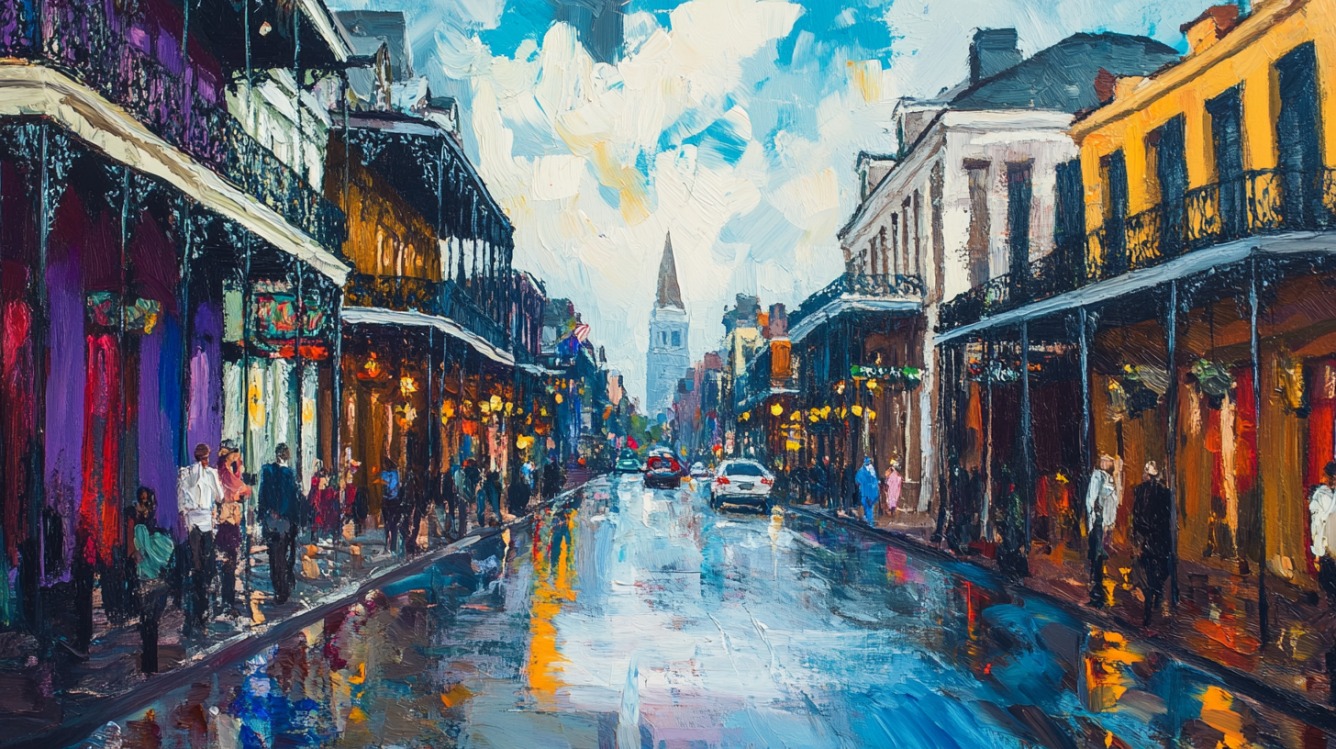
To truly understand New Orleans, one must immerse themselves in its offerings. Wander through the historic streets of the French Quarter, listen to live jazz music on Frenchmen Street, savor the complex flavors of Creole and Cajun cuisine, and feel the infectious energy of a second-line parade. Each experience contributes to a deeper understanding of why these nicknames resonate so profoundly.
The city’s enduring appeal lies in its authenticity. It is a place that has managed to preserve its unique identity in a rapidly changing world, offering visitors a chance to step back in time while still embracing the vibrancy of the present. The nicknames serve as inviting signposts, guiding travelers toward an experience that is as enriching as it is unforgettable. Whether you arrive seeking adventure, relaxation, or a deep dive into a rich cultural landscape, New Orleans will undoubtedly capture your heart and leave an indelible mark on your soul.
LifeOutOfTheBox is a participant in the Amazon Services LLC Associates Program, an affiliate advertising program designed to provide a means for sites to earn advertising fees by advertising and linking to Amazon.com. Amazon, the Amazon logo, AmazonSupply, and the AmazonSupply logo are trademarks of Amazon.com, Inc. or its affiliates. As an Amazon Associate we earn affiliate commissions from qualifying purchases.