
Embarking on a journey from the historic streets of Boston to the picturesque shores of Cape Cod, Massachusetts, is a classic New England rite of passage. While the two destinations are geographically distinct, they are closely linked by an array of travel options, each offering a unique perspective on this scenic route. Understanding the distance and various modes of transport is key to planning a seamless and enjoyable escape from the bustling city to the tranquil beaches and charming towns of the Cape.
The Geographical Overview: Distance and Drive Time
The distance between Boston and Cape Cod varies depending on your specific destination on the peninsula. Generally, the closest point on Cape Cod, such as Sandwich or Bourne immediately after crossing the Cape Cod Canal, is approximately 60 to 70 miles (96 to 112 kilometers) southeast of Boston. However, the Cape stretches for a considerable distance, with Provincetown at its very tip being over 110 miles (177 kilometers) from Boston.
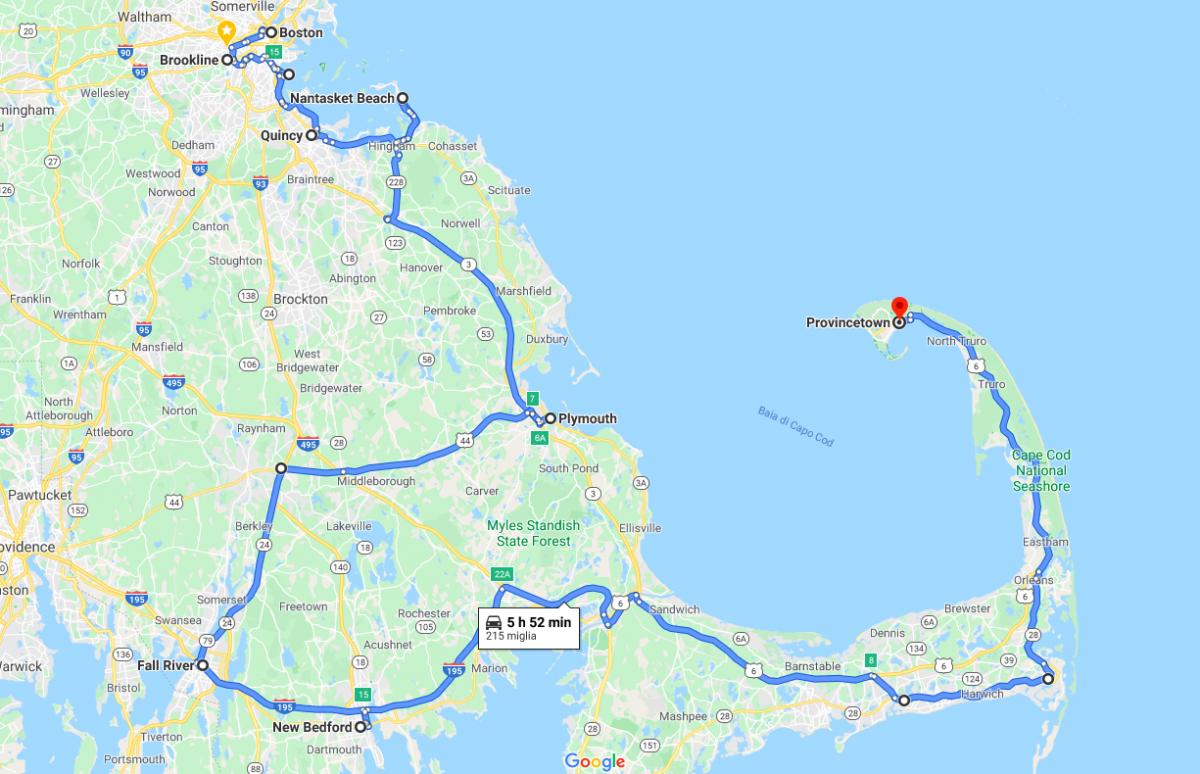
By car, without significant traffic, the drive to the upper Cape (e.g., Sandwich, Falmouth) typically takes around 1 hour and 15 minutes to 1 hour and 30 minutes. Reaching the mid-Cape, such as Hyannis, extends this to about 1 hour and 45 minutes to 2 hours. For destinations further down the Cape, like Chatham or Wellfleet, you’re looking at a 2-hour to 2-hour 30-minute drive, while the journey to Provincetown can take up to 2 hours and 45 minutes or even 3 hours. These estimates are highly susceptible to traffic conditions, particularly during peak travel times. The Cape Cod Canal is a critical bottleneck, as traffic merges to cross either the Sagamore Bridge or the Bourne Bridge.
Navigating the Journey: Driving from Boston to Cape Cod
Driving remains the most popular and flexible way to travel from Boston to Cape Cod, offering the freedom to explore the many nooks and crannies of the peninsula at your own pace.
Popular Driving Routes
The most straightforward route from Boston involves taking Route 3 South directly towards Cape Cod. This highway takes you through towns like Plymouth before leading directly to the Sagamore Bridge over the Cape Cod Canal. Once across the bridge, Route 6 East (the Mid-Cape Highway) serves as the main artery, running the length of the Cape and providing access to various towns and attractions. An alternative, especially for those heading to the lower Cape or avoiding potential traffic on Route 3, is to take I-93 South out of Boston and then merge onto Route 3 South near Braintree. For travelers aiming for towns on the southwest side of the Cape like Falmouth or Woods Hole, crossing the Bourne Bridge (often accessed via Route 28 South from I-495 South) might be a more direct option.
Factors Affecting Drive Time
Traffic is undoubtedly the biggest variable when driving from Boston to Cape Cod. Summer weekends, particularly Friday afternoons and Sunday evenings, can see travel times double or even triple, especially around the Cape Cod Canal bridges. Holiday weekends are notoriously challenging. To minimize delays, consider traveling during off-peak hours: early mornings, late evenings, or mid-week. There are also a few small tolls, such as those associated with tunnels leading out of Boston (e.g., Ted Williams Tunnel) or parts of the Massachusetts Turnpike if your starting point is west of the city. Factor in fuel costs and potential parking fees, especially in popular Cape towns.
Alternative Transportation Options
While driving offers unparalleled flexibility, several other transportation methods provide convenient and sometimes more relaxing ways to reach Cape Cod from Boston.
Bus Services
Peter Pan Bus Lines operates regular, year-round service from Boston’s South Station to various destinations on Cape Cod, including Hyannis, Falmouth, and Provincetown. This is often the most economical public transport option. Travel times generally range from 1 hour 45 minutes to 3 hours 30 minutes, depending on the destination and traffic. Buses are equipped with Wi-Fi and comfortable seating, allowing travelers to relax and avoid the stress of driving, although they are still subject to road traffic.

Train Travel
For a unique and often scenic journey, consider the seasonal CapeFlyer train service, which runs from Boston’s South Station to Hyannis during the summer months (late May through early September). Operated by the MBTA Commuter Rail, this service offers a comfortable, traffic-free ride directly to the heart of the mid-Cape, with a journey time of approximately 2 hours and 20 minutes. It’s an excellent option for those who prefer to leave their car behind and enjoy the journey, though onward travel from Hyannis would require a taxi, local bus, or rental car. Amtrak does not offer direct service to Cape Cod, requiring multiple transfers and making it an impractical choice.
Ferry Services
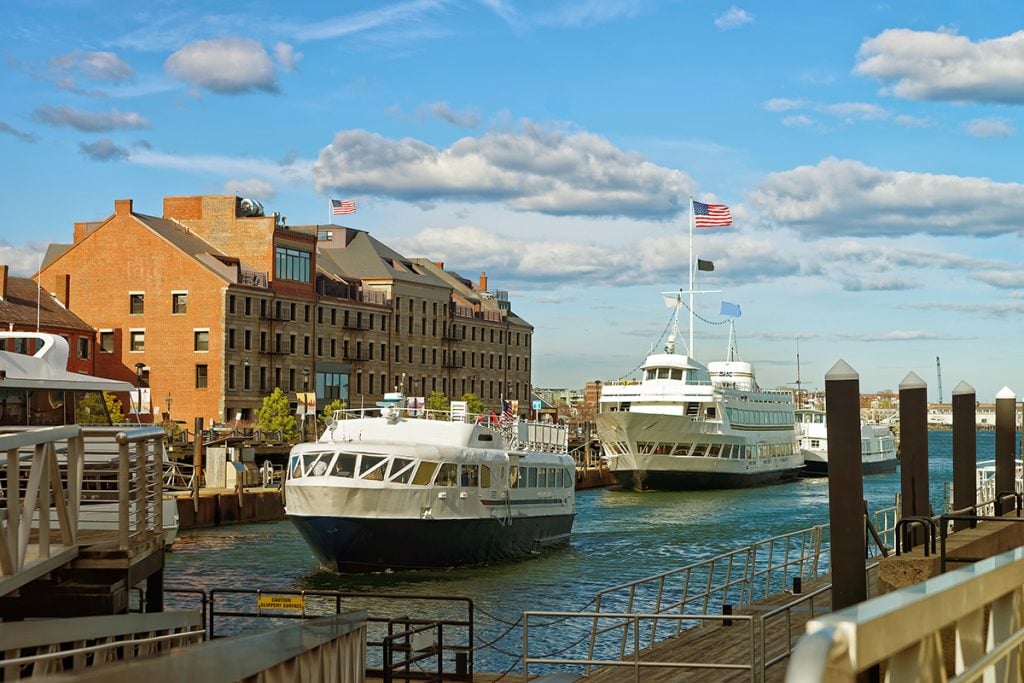
For a dramatic and quick arrival in Provincetown, fast ferries depart from various docks in Boston, including those near the New England Aquarium and Long Wharf. These high-speed catamaran services can transport passengers to Provincetown in about 90 minutes. This option provides stunning views of the Boston skyline and the open ocean, making the journey part of the adventure. Ferry services are seasonal, typically running from May through October, with increased frequency during the peak summer months. It’s a great choice for day-trippers or those staying in Provincetown who don’t need a car immediately.
Air Travel
For the fastest, albeit most expensive, route, regional flights are available from Boston Logan International Airport (BOS) to Barnstable Municipal Airport (HYA) in Hyannis or Provincetown Municipal Airport (PVC). These flights are short, often less than 30 minutes in the air, but require factoring in check-in, security, and travel to and from the airports. This option is particularly convenient for connecting to onward ferries to Martha’s Vineyard or Nantucket or for travelers with limited time.
Choosing Your Route: Considerations for Travelers
Selecting the best way to travel from Boston to Cape Cod depends largely on individual preferences, budget, and the time of year.
Time of Year and Week
The seasonality of Cape Cod heavily influences travel planning. During the summer (June through August), traffic is at its peak, making public transportation or early morning drives highly advisable. Off-season travel (spring and fall) offers lighter traffic, making driving a more relaxed experience, and allows for greater spontaneity. Mid-week travel, regardless of the season, generally sees fewer crowds and lighter traffic than weekends.
Budget and Convenience
Driving your own car or a rental offers maximum flexibility but comes with costs for gas, tolls, and potential parking. Bus services are typically the most budget-friendly, while trains offer a comfortable middle-ground with predictable travel times, especially for the seasonal CapeFlyer. Ferries provide a scenic and quick option to Provincetown, often at a higher price point than buses but without the need for driving. Flying is the quickest but also the most expensive option, best suited for those prioritizing speed and willing to pay a premium.
Travel Experience Desired
If the journey itself is part of the vacation, a scenic drive along smaller coastal roads after crossing the canal, or a ferry ride with ocean views, might be appealing. For travelers seeking a stress-free experience, a bus or train allows for relaxation, reading, or simply enjoying the passing scenery without the demands of navigation. Those planning extensive exploration of the various Cape towns and beaches will likely prefer the freedom of a personal vehicle, while those staying in one main area might find public transport adequate.
Maximizing Your Cape Cod Experience
No matter how you choose to make the journey, the destination of Cape Cod rewards travelers with its unique blend of natural beauty, historic charm, and vibrant coastal culture. From the tranquil beaches of the National Seashore to the bustling streets of Hyannis, the artistic hub of Provincetown, and the iconic lighthouses scattered across the peninsula, there’s an abundance to discover. Plan your travel wisely, considering the optimal time and mode of transport for your preferences, to ensure your arrival on Cape Cod is as smooth and enjoyable as your stay. The journey, regardless of its duration or method, is merely the prelude to the enchanting experiences that await on Cape Cod.
LifeOutOfTheBox is a participant in the Amazon Services LLC Associates Program, an affiliate advertising program designed to provide a means for sites to earn advertising fees by advertising and linking to Amazon.com. Amazon, the Amazon logo, AmazonSupply, and the AmazonSupply logo are trademarks of Amazon.com, Inc. or its affiliates. As an Amazon Associate we earn affiliate commissions from qualifying purchases.