
For business professionals, digital nomads, or anyone considering an extended stay in California for work or a blend of work and leisure, understanding the nuances of the state’s labor laws, particularly regarding sick leave, is crucial. Managing your professional obligations while enjoying the Golden State‘s unique lifestyle often hinges on knowing your rights and the practicalities of employment. One common question that arises is whether unused sick time in California rolls over from one year to the next. The short answer is generally yes, but the specifics are vital for anyone planning their long-term stay or business operations within the state.

Navigating California’s Sick Leave Landscape for Extended Stays
California has been a trailblazer in employee protections, and its sick leave laws are no exception. The primary legislation governing this is the Healthy Workplaces, Healthy Families Act of 2014 (AB 1522), which mandated paid sick leave for most employees working in the state. For those setting up a temporary base in tech hubs like San Francisco or creative industries in Los Angeles, or simply enjoying the flexibility of remote work from any of California’s diverse locales, grasping these regulations is more than just compliance; it’s about safeguarding your well-being and planning your lifestyle.
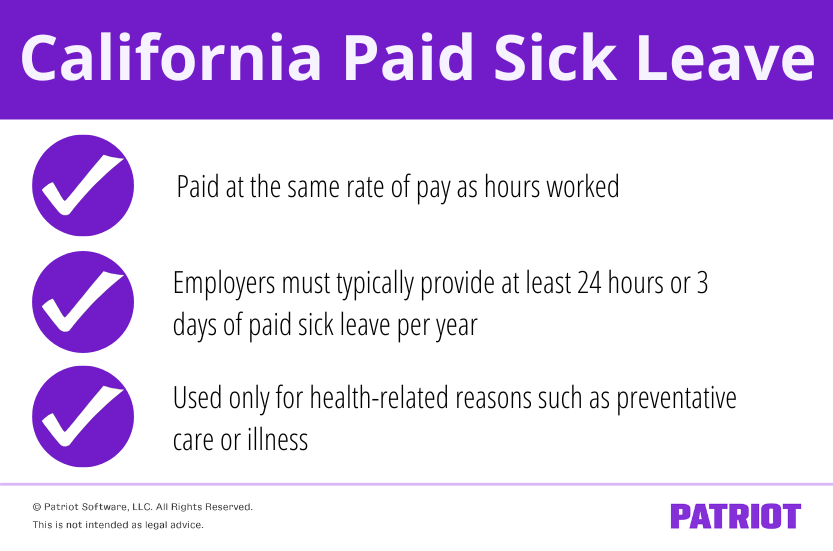
The act ensures that employees accrue paid sick leave at a rate of at least one hour for every 30 hours worked. This applies to part-time, temporary, and full-time employees alike, provided they work for the same employer for at least 30 days within a year and complete a 90-day employment period before using accrued sick leave. This broad coverage means that even those on extended projects or contractual assignments will likely fall under the purview of these protections, impacting how they manage their time and health during their stay.
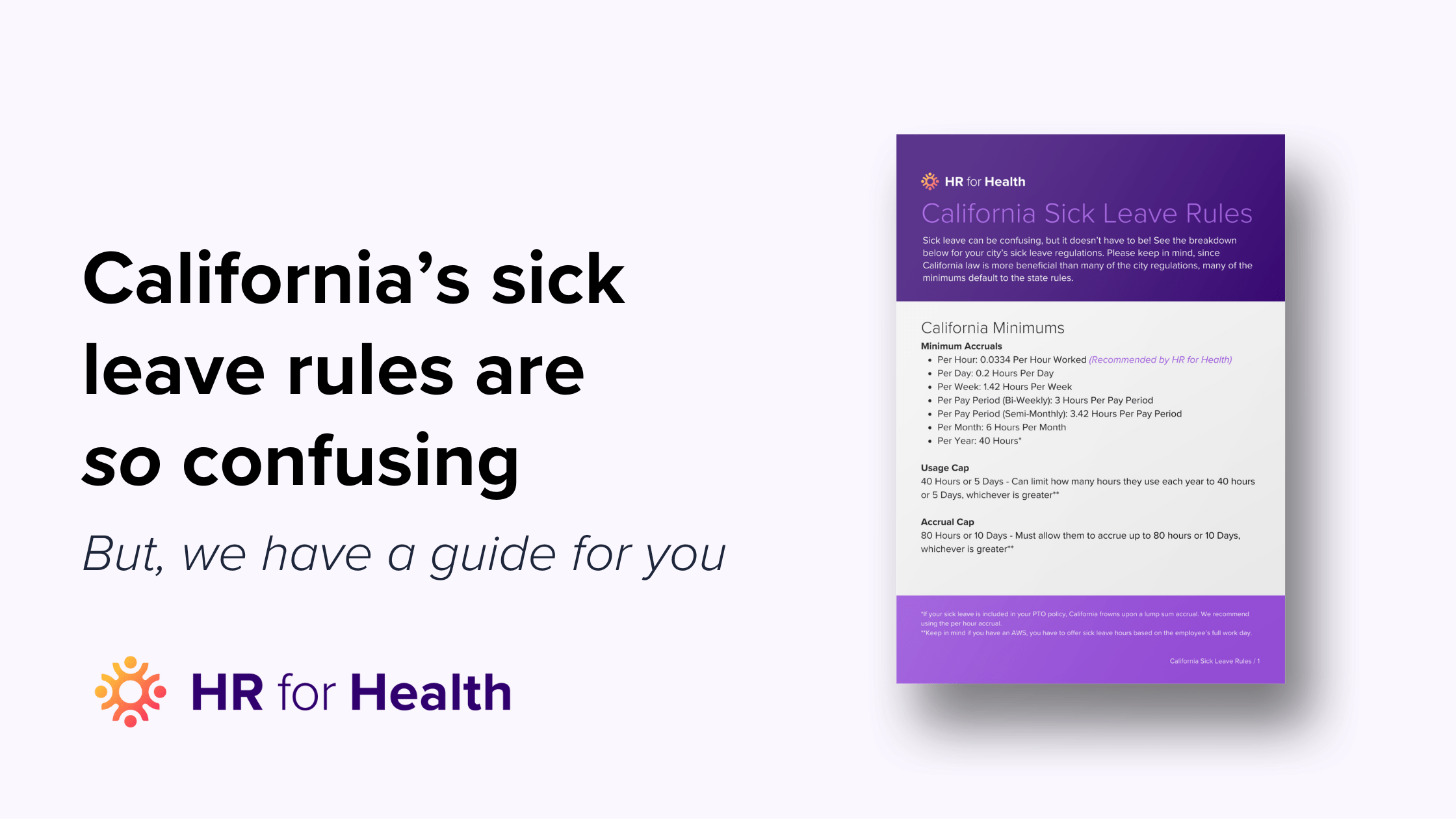
Understanding the accrual process is the first step. For a typical full-time employee working 40 hours a week, this translates to roughly 8 days (64 hours) of sick leave accrued annually, assuming no caps. However, the law allows employers to implement caps on accrual and usage, which brings us to the crucial topic of rollover.
Accrual and Carryover: What Every California Stayer Should Know
The Healthy Workplaces, Healthy Families Act of 2014 explicitly states that unused accrued paid sick days must carry over to the following year. This is a significant aspect for individuals who might not use all their sick time within a given year but want the security of having a bank of hours for future needs.
However, while rollover is mandatory, there are important caveats related to caps:
- Accrual Cap: Employers can limit the amount of sick leave an employee can accrue to 80 hours or 10 days, whichever is greater, for those on standard accrual. This means that once an employee reaches this cap, they stop accruing new sick leave until their balance falls below the cap.
- Usage Cap: Employers can limit an employee’s use of sick leave to 24 hours or three days in a benefit year. This is a critical distinction: you can accrue and carry over more than three days, but you may only be permitted to use three days in a 12-month period, depending on your employer’s policy.
Some employers choose to provide sick leave upfront at the beginning of the year, often granting the full 24 hours (or three days) immediately. If an employer provides sick leave this way, they are generally not required to allow for carryover, as the employee has immediate access to the full annual entitlement. However, this “lump sum” method must still meet the minimum requirements of the state law.
For digital nomads or those on extended business assignments, understanding these nuances is key. If you are contracted for a period longer than a year, the rollover provision ensures continuity in your sick leave benefits, providing a safety net that contributes to a more secure and predictable lifestyle in California. It mitigates the risk of losing accrued benefits simply because a new calendar or benefit year begins.
Local Ordinances and Their Impact
Adding another layer of complexity, several California cities have their own paid sick leave ordinances that exceed the state’s minimum requirements. Cities like San Francisco, Los Angeles, Oakland, Santa Monica, and others, have enacted stronger protections. These local laws might mandate higher accrual rates, larger usage caps, or even eliminate accrual caps entirely.
For instance, San Francisco’s Paid Sick Leave Ordinance generally requires more generous accrual and allows for higher carryover limits than the state law. If you are planning an extended stay or working in one of these municipalities, it is essential to consult the specific local ordinance, as it will often supersede the state law where it provides greater benefits to the employee. This patchwork of regulations underscores the importance of due diligence for anyone navigating the professional landscape of the Golden State.
Understanding Usage: When and How You Can Use Your Sick Time
Knowing that your sick time rolls over is one thing; understanding when and how you can use it is another. California law permits the use of paid sick leave for several crucial reasons, directly impacting the quality of life for those living and working in the state. These reasons include:
- For the employee’s own medical care or mental health needs: This covers diagnosis, care, treatment of an existing health condition, or preventive care. It provides vital reassurance for individuals who may face unexpected health issues during their long-term stay.
- For the employee to care for a family member: This extends to a child, spouse, registered domestic partner, parent, grandparent, grandchild, or sibling. This provision is invaluable for those maintaining family ties or even supporting family members who might visit them during their stay in California.
- For reasons related to domestic violence, sexual assault, or stalking: This offers crucial support for employees who are victims of such circumstances, allowing them to seek medical attention, obtain services from a domestic violence shelter, or participate in safety planning.
Employers cannot require an employee to find a replacement worker as a condition for using sick time. While employers can have reasonable procedures for requesting time off, they generally cannot deny legitimate requests for covered reasons. This flexibility allows individuals on business stays or working remotely to prioritize their health and family needs without severe professional repercussions, contributing to a healthier and more sustainable lifestyle.
Impact on Lifestyle and Long-Term Planning in California
For individuals embracing a lifestyle that includes extended stays in California, whether as digital nomads, business travelers, or those exploring new professional horizons, understanding sick time rollover is more than a legal technicality. It’s a foundational element of financial security and personal well-being.
- Peace of Mind: Knowing that unused sick days carry over provides a crucial safety net. If you have an unforeseen illness or need to care for a loved one, you won’t be starting from zero each year, reducing financial stress and allowing you to focus on recovery or support.
- Health Management: The ability to accrue and carry over sick time encourages proactive health management. You’re less likely to push through an illness at work, which is beneficial for your own health and the health of those around you, a key aspect of maintaining a healthy lifestyle.
- Flexibility for Long-Term Projects: For those engaged in multi-year projects or extended contracts, the rollover ensures that benefits accumulate, acknowledging the ongoing nature of your contribution and presence in the state.
- Planning and Budgeting: While not directly cash in hand, accrued sick time represents a valuable benefit. It can influence your overall personal budgeting and long-term planning, as it provides a buffer against lost income due to illness.
In essence, the rollover provision in California’s sick leave law empowers employees with greater control over their health and time, contributing to a more balanced and secure lifestyle within the state. This legal framework reflects California’s commitment to worker protections, making it a place where individuals can pursue their professional aspirations while having robust support for their personal well-being. Whether you’re considering a brief business trip or a full immersion into the California way of life, being informed about these critical labor laws is an indispensable part of your preparation.
LifeOutOfTheBox is a participant in the Amazon Services LLC Associates Program, an affiliate advertising program designed to provide a means for sites to earn advertising fees by advertising and linking to Amazon.com. Amazon, the Amazon logo, AmazonSupply, and the AmazonSupply logo are trademarks of Amazon.com, Inc. or its affiliates. As an Amazon Associate we earn affiliate commissions from qualifying purchases.