
Navigating the vibrant metropolitan area that encompasses both Boston and Cambridge often brings visitors and locals alike to ponder the exact distance and best routes between key destinations. One of the most frequently asked questions centers on the proximity of Boston to the esteemed Harvard University. While technically located in Cambridge, Harvard is undeniably an integral part of the greater Boston experience, intricately woven into the fabric of the region’s academic, cultural, and historical landscape. Understanding the true “distance” involves more than just miles; it encompasses travel time, convenience, and the unique journey experience.
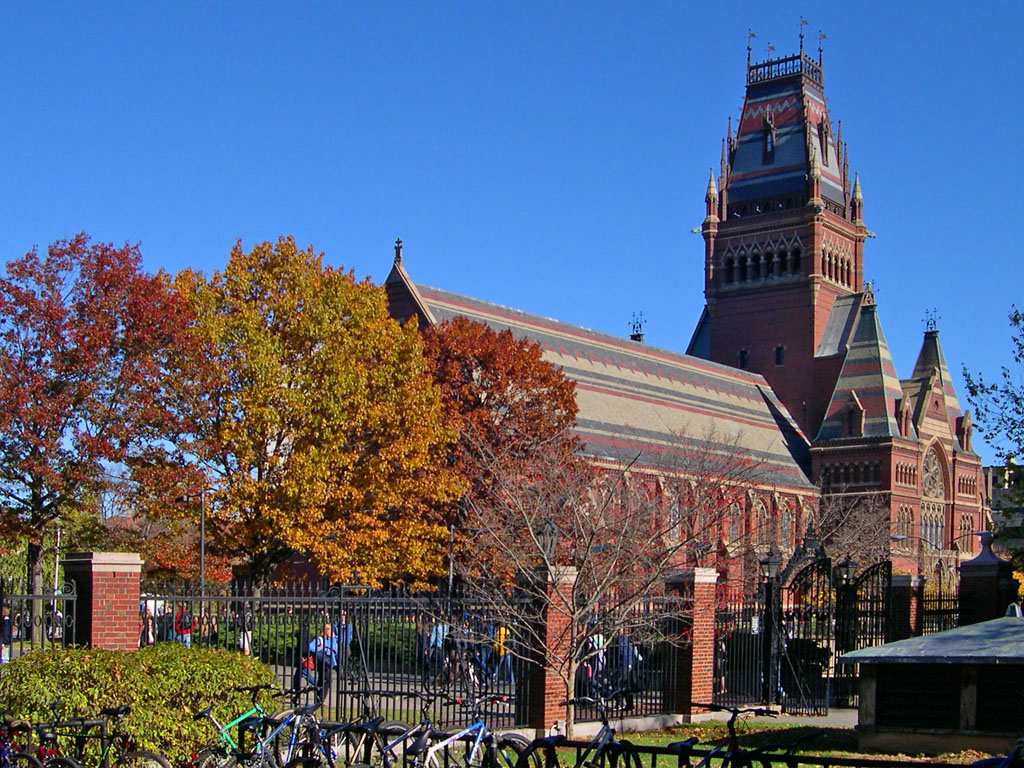
The Proximity Paradox: Boston’s Urban Embrace of Harvard
The question “How far is Boston from Harvard?” is a common one, but it requires a nuanced answer because Harvard is not within the geographical limits of Boston proper. Instead, it is situated across the Charles River in the neighboring city of Cambridge. However, the two cities are so closely intertwined, both geographically and culturally, that they often feel like a single sprawling urban entity.
From downtown Boston (e.g., near the Boston Common or Park Street), Harvard Square, the heart of Harvard’s campus life and a major transportation hub, is roughly 3 to 4 miles (5 to 6.5 kilometers) away. This seemingly short distance can, however, translate into varying travel times depending on your chosen mode of transportation and the time of day. What truly defines the “farness” is the ease and efficiency of movement between these two iconic locations, which is remarkably high thanks to comprehensive transportation networks. The journey is less about overcoming significant distance and more about seamlessly transitioning between distinct yet connected urban environments.
Navigating the Hub: Your Transport Options to Harvard
Traveling between Boston and Harvard is straightforward, offering a variety of options to suit different preferences, budgets, and schedules. Each mode of transport provides a distinct experience of the metropolitan area.
Public Transportation: The MBTA “T”
For many, the most practical and authentic way to travel from Boston to Harvard is by using the Massachusetts Bay Transportation Authority, affectionately known as the “MBTA” or simply “the T.”
The Red Line is your direct conduit. Several key Boston stations offer easy access:
- Park Street: Located at Boston Common, this is a central hub for visitors.
- Downtown Crossing: Convenient for those staying in the financial district or shopping areas.
- South Station: Ideal if you’re arriving by train or bus from other cities.
From any of these stations, a ride on the inbound Red Line to Harvard Square typically takes 10 to 15 minutes. Trains are frequent, especially during peak hours, running every 5-10 minutes. Off-peak, you might wait up to 15-20 minutes. The cost is affordable, usually a few dollars per ride with a CharlieCard or paper ticket. This method offers a genuine local experience, allowing you to observe the daily rhythm of the city’s commuters and students. However, trains can get crowded during rush hour, and navigating with heavy luggage might be less comfortable.

Ride-Sharing and Taxis: Convenience at Your Fingertips
For those prioritizing speed, door-to-door service, or comfort, ride-sharing services like Uber and Lyft, along with traditional taxis, are excellent choices.
A ride from downtown Boston to Harvard Square will generally take 15 to 30 minutes, but this can fluctuate significantly based on traffic conditions. During weekday rush hours (7-9 AM and 4-6 PM), or during major events, the journey could extend to 45 minutes or more. The cost typically ranges from $15-$30, not including surge pricing which can inflate fares considerably during high-demand periods. This option is particularly convenient for groups, those with luggage, or travelers unfamiliar with public transport systems. It also offers the flexibility to be dropped off directly at your specific destination within Harvard’s campus or Cambridge.
Driving: The Freedom of the Open Road (and the Challenge of Parking)
Driving yourself offers independence and scenic routes, but comes with its own set of challenges. The most common routes involve crossing the Charles River via bridges, often utilizing major thoroughfares like Storrow Drive or Memorial Drive. Without traffic, the drive can be as quick as 10-15 minutes. However, Boston and Cambridge are notorious for traffic congestion. Expect drives to take 20-40 minutes or longer during peak hours.
The biggest hurdle for drivers is parking. Finding available and affordable parking near Harvard can be difficult and expensive. On-street parking is often permit-only or has strict time limits, and university garages can charge upwards of $20-$30 for a few hours. If you choose to drive, it’s advisable to factor in significant time for finding parking and budget for parking fees. This option is best for those planning to explore areas beyond Harvard and Cambridge requiring a car, or those who value the flexibility of having their own vehicle despite the potential inconveniences.
Walking and Biking: An Active Approach
For the adventurous and those staying closer to the Charles River embankment, walking or biking can be a delightful and scenic way to get to Harvard.
- Walking: From central Boston, a walk to Harvard Square could take 60-90 minutes. While this is the slowest option, it offers unparalleled views of the Charles River, charming neighborhoods, and historical landmarks along the way. It’s a fantastic choice for a leisurely morning or afternoon stroll, especially during pleasant weather.
- Biking: With numerous bike lanes and paths, cycling is a popular option. Public bike-sharing services like Bluebikes are readily available throughout both cities. A bike ride from downtown Boston to Harvard Square typically takes 20-30 minutes, offering a faster alternative to walking while still enjoying the outdoors. This is an excellent option for active travelers who wish to combine exercise with sightseeing.
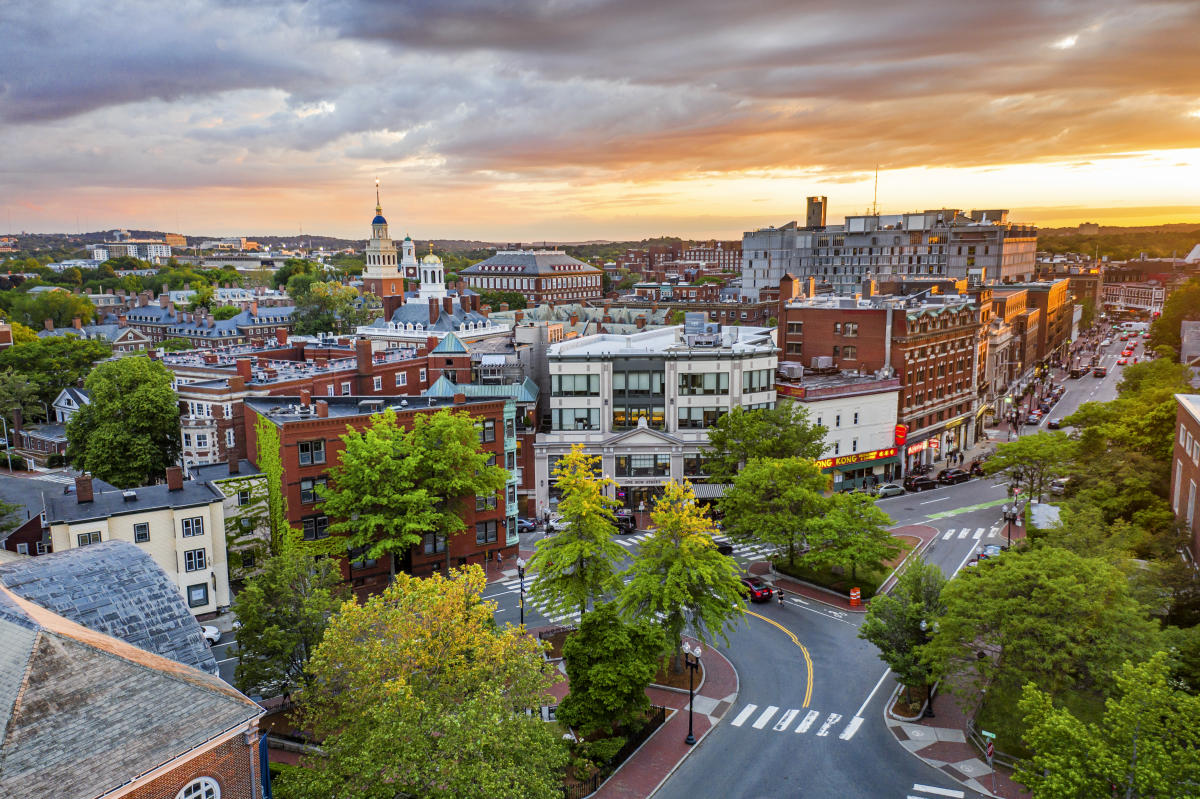
From Campus to City: Making the Most of Your Journey
The journey from Boston to Harvard is more than just a commute; it’s an opportunity to experience the unique character of this dynamic region. Regardless of your chosen mode of transport, keep these tips in mind to enhance your travel experience:
- Plan Ahead: Check the MBTA website for service alerts, especially during weekends or holidays. If driving, consult real-time traffic apps.
- Consider the Weather: Boston weather can be unpredictable. Factor in extra time and appropriate gear, especially for walking or biking in winter or rain.
- Combine Sightseeing: If you’re taking the T, consider getting off at a station like Park Street to explore Boston Common or the historic Beacon Hill neighborhood before continuing your journey.
- Embrace the Vibe: Whether you’re rubbing shoulders with students on the Red Line or enjoying a panoramic view from a taxi, the travel itself is part of immersing yourself in the local culture. The bridge between Boston’s colonial charm and Cambridge’s academic gravitas is a short but fascinating ride.
In essence, while Harvard may be technically “across the river,” its proximity to Boston is incredibly close, allowing for easy and frequent travel between these two iconic cities. The distance is negligible when measured against the wealth of experiences awaiting you on both sides of the Charles River.
LifeOutOfTheBox is a participant in the Amazon Services LLC Associates Program, an affiliate advertising program designed to provide a means for sites to earn advertising fees by advertising and linking to Amazon.com. Amazon, the Amazon logo, AmazonSupply, and the AmazonSupply logo are trademarks of Amazon.com, Inc. or its affiliates. As an Amazon Associate we earn affiliate commissions from qualifying purchases.