
Navigating the intricate landscape of vehicle regulations in California can often feel like deciphering an ancient code, especially when it comes to emissions testing. For many drivers, the primary concern is understanding when their vehicle will be exempt from the state’s stringent smog check requirements. This exemption isn’t merely about avoiding an annual or biennial task; it’s often a crucial factor for classic car enthusiasts, collectors, and those who simply wish to preserve their older vehicles without the burden of constant compliance. The answer, for most gasoline-powered passenger vehicles, hinges on a specific model year threshold, a detail that has evolved over time and carries significant implications for ownership and enjoyment of older automobiles in the Golden State.
The Golden Year: Understanding the Smog Exemption Threshold
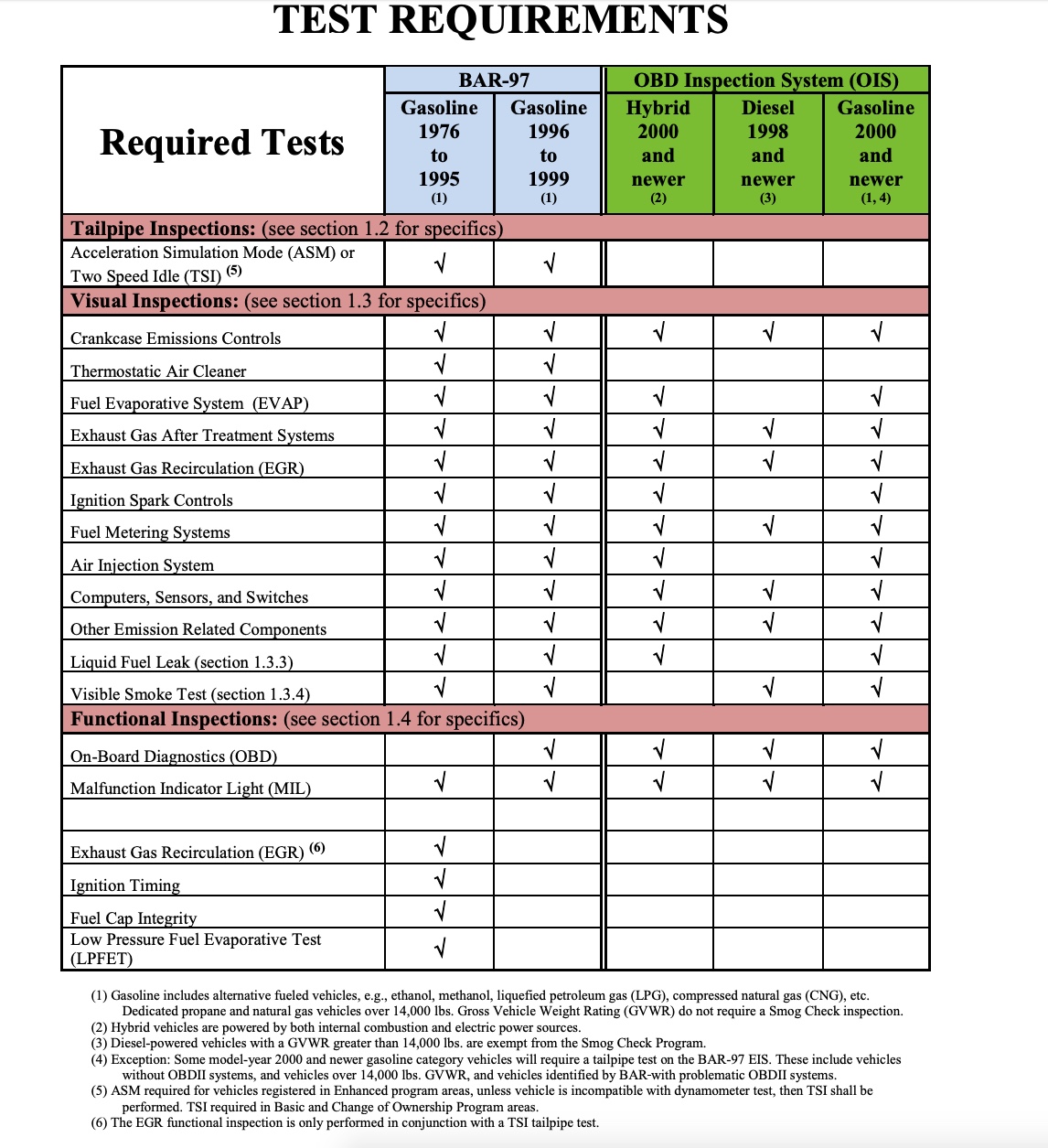
In California, the primary exemption from the biennial smog check for gasoline-powered passenger vehicles and motorcycles is generally based on the vehicle’s model year. The key year that unlocks this exemption is 1975. Any gasoline-powered passenger vehicle or motorcycle with a model year of 1975 or older is automatically exempt from the biennial smog inspection requirement. This means if you own a vehicle manufactured in 1975 or earlier, you do not need to present it for a smog test to renew your registration.
The Rationale Behind the 1975 Exemption
The establishment of the 1975 model year as the cutoff is rooted in the history of emissions control technology. Prior to the mid-1970s, vehicle manufacturers were not subject to the same rigorous federal and state mandates for emissions control. The Clean Air Act of 1970, and subsequent California-specific legislation, began to impose stricter standards on automakers. By 1975, catalytic converters had become a more widespread standard feature on new vehicles, significantly reducing the output of harmful pollutants like carbon monoxide, hydrocarbons, and nitrogen oxides. Therefore, vehicles manufactured before this era are generally presumed to have lower overall emissions and are not held to the same testing standards as their more modern counterparts. This exemption allows owners of historical vehicles to preserve their authenticity and operational integrity without the need to retrofit modern emissions control systems, which can be costly and may alter the vehicle’s original character.
Beyond 1975: Other Exemptions and Considerations
While the 1975 model year is the most widely applicable exemption for gasoline passenger cars and motorcycles, California law provides for other specific exemptions:
Electric and Alternative Fuel Vehicles
- Electric Vehicles (EVs): All battery-electric vehicles are exempt from smog checks, regardless of their model year. This is because they produce zero tailpipe emissions.
- Hybrid Vehicles: While most hybrid vehicles are subject to smog checks, some may eventually qualify for exemptions depending on their specific technology and model year, though the primary exemption remains model-year based.
- Alternative Fuel Vehicles: Certain vehicles powered by alternative fuels, such as natural gas or hydrogen, may also be exempt, depending on the specific fuel used and state regulations. It is always advisable to consult the official California Department of Motor Vehicles (DMV) or Bureau of Automotive Repair (BAR) resources for the most current information on these specific exemptions.
Diesel-Powered Vehicles
The rules for diesel-powered vehicles differ significantly from those for gasoline vehicles. Historically, many diesel vehicles were exempt from smog checks in California due to differences in their emissions profiles and testing methodologies. However, this has been changing.
- Light-Duty Diesel Vehicles (under 1,100 lbs GVWR): Many of these older vehicles were exempt.
- Heavy-Duty Diesel Vehicles (over 1,100 lbs GVWR): For many years, these were not subject to the biennial smog check. However, new regulations under the California Air Resources Board (CARB) have been progressively implementing stricter emissions standards and testing requirements for diesel trucks and buses, often referred to as the Truck and Bus Regulation. This means that an increasing number of diesel vehicles, particularly those used for commercial purposes, are now subject to emissions inspections, and the model year exemptions are being phased out or modified. The focus is shifting towards ensuring these vehicles meet specific emissions standards, often through periodic inspections and compliance with on-board diagnostic (OBD) systems.
Other Specific Exemptions
- Vehicles Older Than 8,500 lbs GVWR: In general, gasoline-powered vehicles with a Gross Vehicle Weight Rating (GVWR) of over 8,500 pounds are not required to undergo the biennial smog check. However, this exemption often does not apply to diesel vehicles, which are subject to the aforementioned Truck and Bus Regulation.
- Motorcycles: As mentioned, model year 1975 and older motorcycles are exempt. Newer motorcycles are generally subject to a smog check.
- Vehicles Registered in Specific Counties: While the 1975 exemption is statewide, there are some localized rules. For example, vehicles registered in specific rural counties might have different requirements or be exempt from certain aspects of the smog check program. However, for the vast majority of California residents, the 1975 model year rule for gasoline vehicles is the primary exemption to be aware of.
The Evolution of Smog Regulations and Future Trends
California has long been at the forefront of environmental regulation, and its vehicle emissions standards are among the strictest in the United States, often exceeding federal requirements. This proactive stance has driven innovation in automotive technology but has also led to a dynamic regulatory environment.
The Impact of the Smog Check Program
The Smog Check Program has been instrumental in reducing air pollution in California. By requiring vehicles to meet specific emissions standards, the program has contributed to cleaner air and improved public health. The establishment of exemption years, like the 1975 threshold, reflects a balance between environmental protection and the preservation of classic vehicles and certain types of equipment. However, as pollution control technologies advance and the understanding of environmental impact deepens, regulations are subject to change.
Upcoming Changes and What to Watch For
California’s commitment to ambitious climate goals, including reducing greenhouse gas emissions, means that vehicle regulations are likely to continue to evolve. While the 1975 exemption for gasoline passenger vehicles has been a cornerstone of the program for decades, it’s always prudent for vehicle owners to stay informed about potential future adjustments.
- Increased Scrutiny on Older Diesels: As noted, the regulations for diesel vehicles are becoming more stringent. Owners of older diesel trucks and commercial vehicles should closely monitor CARB and BAR announcements regarding compliance and testing.
- Focus on Zero-Emission Vehicles: California is aggressively promoting the adoption of zero-emission vehicles (ZEVs). This push may lead to further incentives for EV adoption and potentially different regulatory approaches for vehicles that do not produce tailpipe emissions.
- Technological Advancements in Testing: The methods and standards for emissions testing are also subject to refinement. Future regulations might incorporate more advanced diagnostic tools or updated testing protocols that could impact which vehicles are exempt or how they are tested.
For classic car enthusiasts and owners of older vehicles, understanding the current exemption status is vital. The 1975 model year exemption for gasoline passenger cars and motorcycles remains a clear and consistent guideline. However, the broader landscape of vehicle emissions is constantly shifting, driven by both technological progress and a steadfast commitment to environmental protection. Staying informed through official channels, such as the California DMV and BAR websites, is the best way to ensure compliance and continued enjoyment of your vehicle in California.
Navigating Smog Exemptions for Classic and Specialty Vehicles
The allure of classic cars, vintage motorcycles, and unique specialty vehicles is strong in California, a state with a vibrant automotive culture. For owners of these treasures, the smog exemption plays a crucial role in their ability to maintain and operate these vehicles. The 1975 model year exemption is a critical factor for many, but understanding its nuances and any associated conditions is important.
Preserving Automotive History
California’s rich automotive history is embodied in its vast collection of classic vehicles. Many owners cherish these cars and motorcycles not just as modes of transportation, but as pieces of history and art. The smog exemption for vehicles 1975 and older allows these enthusiasts to:
- Maintain Originality: Retrofitting modern emissions control systems onto older vehicles can be complex, expensive, and may compromise the vehicle’s original aesthetics and mechanical integrity. The exemption avoids this necessity.
- Reduce Ownership Costs: The cost of specialized parts, maintenance, and the inconvenience of frequent emissions testing can be a significant burden. The exemption alleviates these financial and logistical pressures.
- Enjoyment and Participation: For many, the ability to drive their classic vehicle without the looming requirement of a smog check makes it more enjoyable to participate in car shows, local events, and casual drives.
Understanding the Fine Print
While the 1975 rule is broadly applicable, there are specific details and potential requirements that owners should be aware of:
Model Year Verification
- Proof of Year: While the DMV generally relies on the vehicle’s title and registration information to determine the model year, it’s always wise for owners to have clear documentation of their vehicle’s manufacturing date. This is particularly important for custom-built vehicles or those with modified identification numbers, which can sometimes create complications.
Gasoline Passenger Vehicles and Motorcycles
- The Primary Target: The 1975 exemption is specifically for gasoline-powered passenger cars and motorcycles. This distinction is important, as other vehicle types, such as trucks or diesel-powered vehicles, may fall under different regulatory frameworks, even if they are older.
No Tampering Allowed
- Maintaining the Exemption: While older vehicles are exempt from testing, it is still illegal to tamper with or remove any emissions control equipment that may have been originally installed on the vehicle, even if it predates the mandatory 1975 equipment. The exemption is based on the model year, not on the absence of any original emissions equipment.
Vehicles Used for Specific Purposes
- Commercial vs. Personal Use: While the 1975 exemption applies regardless of whether the vehicle is used for daily commuting or occasional pleasure, some vehicles with a GVWR over 8,500 lbs that might otherwise be exempt might be subject to emissions regulations if they are primarily used for commercial purposes, especially if they are diesel-powered. This is a complex area, and owners should verify their specific vehicle’s classification and requirements.
The Importance of Official Resources
The regulations surrounding vehicle emissions in California are managed by several state agencies, primarily the California Department of Motor Vehicles (DMV) and the Bureau of Automotive Repair (BAR), under the guidance of the California Air Resources Board (CARB). These agencies are the definitive sources for accurate and up-to-date information.
- California DMV: The DMV is responsible for vehicle registration and determining the general requirements for smog checks based on vehicle type and model year. Their website provides extensive information on registration, fees, and exemptions.
- Bureau of Automotive Repair (BAR): The BAR oversees the Smog Check Program itself, including the testing procedures, station licensing, and consumer assistance. They often provide detailed explanations of the exemption rules and guidelines for specific vehicle types.
- California Air Resources Board (CARB): CARB is the primary state agency responsible for setting air quality standards and developing programs to meet them. While they may not directly interact with individual vehicle owners for smog checks, their regulations form the basis for the entire program.
For anyone owning a vehicle in California, especially one approaching or falling within the exemption years, regularly consulting the official websites of these agencies is the most reliable way to stay informed about current laws, potential changes, and any specific requirements that may apply to their particular vehicle. The 1975 model year remains a significant benchmark, offering a degree of freedom for owners of classic gasoline vehicles, a freedom that is deeply appreciated within California’s passionate automotive community.
LifeOutOfTheBox is a participant in the Amazon Services LLC Associates Program, an affiliate advertising program designed to provide a means for sites to earn advertising fees by advertising and linking to Amazon.com. Amazon, the Amazon logo, AmazonSupply, and the AmazonSupply logo are trademarks of Amazon.com, Inc. or its affiliates. As an Amazon Associate we earn affiliate commissions from qualifying purchases.