
The allure of the Northeast Corridor is undeniable, a vibrant stretch connecting some of America’s most historically rich and culturally dynamic cities. At the heart of this corridor lie two titans: Boston, the cradle of American liberty, and New York City, the iconic global metropolis. For countless travelers, whether for leisure or business, a crucial question often arises: “How far is Boston from New York City?” The answer, while seemingly straightforward in terms of mileage, unfolds into a rich tapestry of travel options, durations, and experiences, each offering a unique perspective on this popular journey.
Spanning approximately 200 to 220 miles (320 to 350 kilometers) depending on the exact route taken, the distance between these two powerhouse cities is perfectly manageable for a weekend getaway, a focused business trip, or a longer, more immersive exploration. It’s a distance that allows for various modes of travel, catering to different preferences for speed, comfort, cost, and even the desire for scenic contemplation. From the bustling streets of Manhattan to the historic brick pathways of Boston, the journey itself is an integral part of the adventure, connecting two distinct yet equally captivating urban landscapes. Understanding the nuances of each travel method, alongside insights into what awaits at each destination, is key to planning a seamless and enriching itinerary. This guide will delve into the practicalities of making this popular trip, offering comprehensive details on distance, time, cost, and the unique flavors of Boston and New York City that make them must-visit destinations.
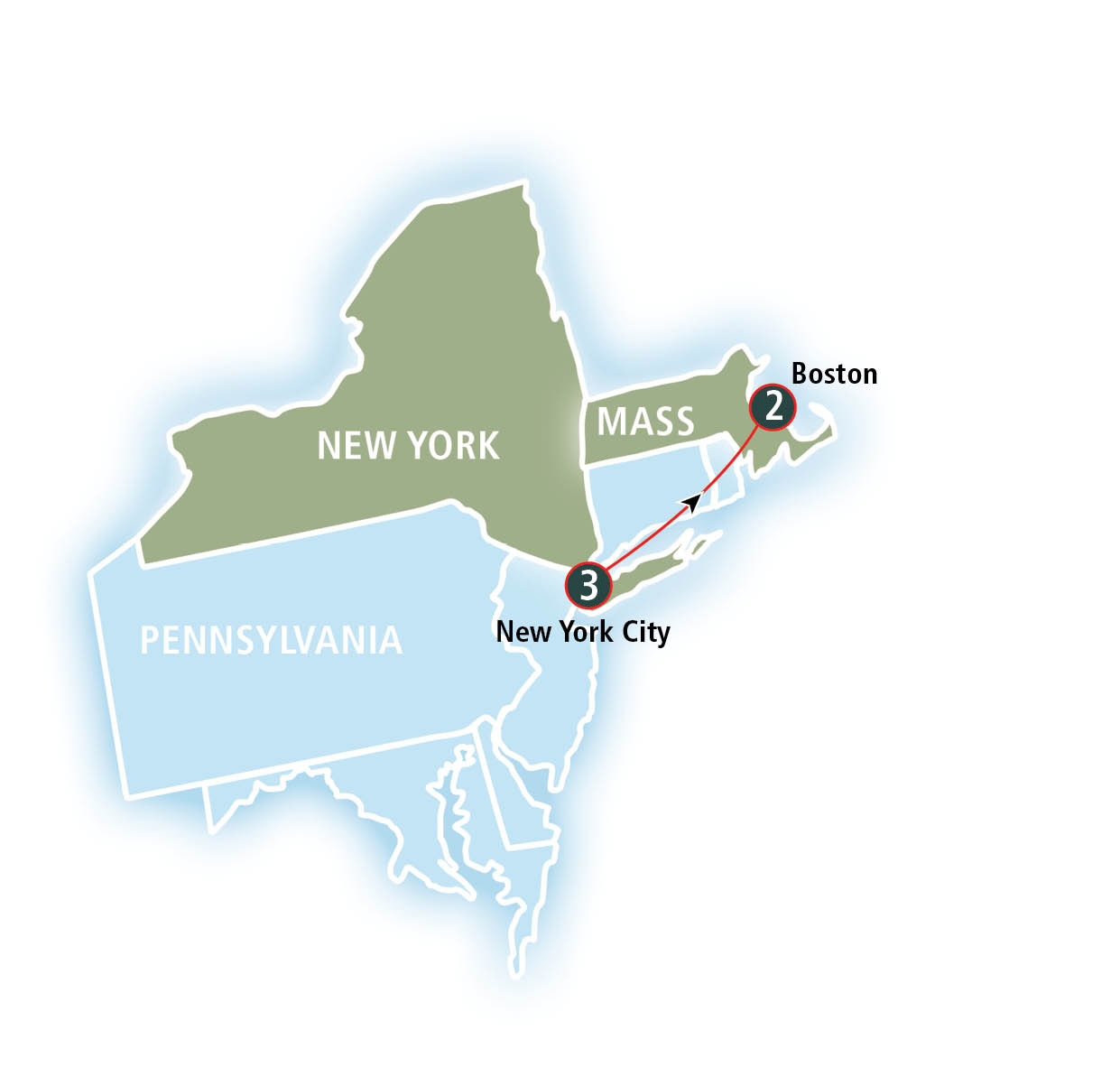
The Journey Between Two Iconic Cities: Distance and Travel Time
While the direct geographic distance between Boston and New York City is a concrete number, the practical “far” for a traveler is almost always measured in time and convenience. The Northeast Corridor is remarkably well-served by diverse transportation networks, making the trip relatively quick and enjoyable, regardless of your chosen method. Whether you prioritize speed, budget, comfort, or the flexibility of having your own vehicle, there’s an option that perfectly aligns with your travel lifestyle.
By Road: A Classic Northeast Drive
For many, the open road represents the ultimate freedom in travel. Driving from Boston to New York City typically covers around 215 miles (346 km) and, under ideal conditions, can be accomplished in about 3.5 to 4.5 hours. The primary route involves taking I-90 (the Massachusetts Turnpike) westward out of Boston before connecting to I-84 (not a proper noun on the list, so skipped) and then I-95 South, which will lead you directly into New York City through Connecticut and potentially a small stretch of New York state or New Jersey.
This journey offers a degree of flexibility unmatched by other modes. You can take scenic detours through charming New England towns, stop at roadside diners, or explore cities like Providence, Rhode Island, or Hartford, Connecticut. However, it’s crucial to account for potential challenges. Traffic, particularly during peak hours, holidays, or summer weekends, can significantly extend travel times, sometimes adding an hour or more to the journey. Tolls are also a factor, especially along the Massachusetts Turnpike and I-95 in Connecticut and New York. Once in New York City, parking can be costly and difficult to find, making this option less appealing for those planning to spend their entire trip in Manhattan. For families or those planning longer stays where flexibility for day trips outside the city is desired, driving can be an excellent lifestyle choice, but careful planning of accommodation with parking facilities is recommended.
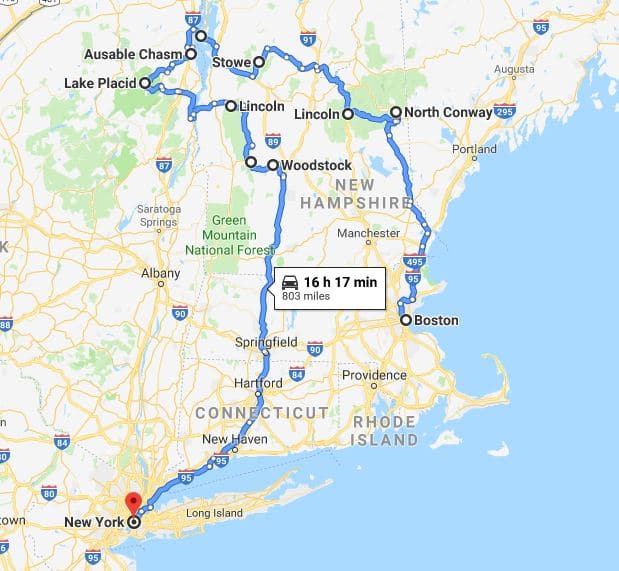
By Rail: Scenic Routes and Comfortable Journeys
Train travel along the Northeast Corridor is a quintessential experience, offering comfort, convenience, and often stunning views. Amtrak operates frequent services between Boston and New York City, catering to various budgets and preferences.
The high-speed Acela Express is the fastest option, completing the journey in approximately 3.5 hours. It offers a premium experience with spacious seating, quiet cars, and Wi-Fi, making it ideal for business travelers or those seeking a more luxurious journey. The Northeast Regional train provides a more budget-friendly alternative, with slightly more stops and a travel time of around 4 to 4.5 hours. Both services provide a relaxed atmosphere where passengers can work, read, or simply enjoy the passing scenery without the stress of driving or navigating traffic.

In Boston, trains depart from the historic South Station, a major transportation hub. In New York City, arrivals are at either the recently renovated Moynihan Train Hall or the iconic Penn Station, both centrally located and offering excellent connections to the subway and other public transport options. The ease of city-center to city-center travel, combined with comfortable amenities, positions train travel as a top choice for a seamless and enjoyable journey, aligning perfectly with a lifestyle that values efficiency and comfort.
By Bus: Economical and Convenient
For budget-conscious travelers, bus services offer an incredibly affordable way to travel between Boston and New York City. Several reputable companies operate this route, including Greyhound, Peter Pan Bus Lines, and MegaBus.
The journey typically takes between 4 and 5 hours, though this can extend due to traffic, especially when approaching New York City. Buses depart from Boston’s South Station Bus Terminal and arrive at the Port Authority Bus Terminal in Midtown Manhattan, placing you right in the heart of the city’s vibrant energy. While less luxurious than train travel, modern buses often come equipped with Wi-Fi, power outlets, and comfortable seating, making the ride perfectly manageable.
Bus travel is particularly appealing for students, backpackers, or anyone looking to minimize expenses without sacrificing too much time. The frequency of departures also provides great flexibility for last-minute travel plans. For those embracing a budget travel lifestyle or group travel, the bus presents an unbeatable value proposition.
By Air: The Fastest, But Not Always the Quickest
A flight between Boston and New York City has a direct flight time of roughly one hour. Major airlines such as Delta, American Airlines, United Airlines, JetBlue, and Spirit Airlines offer multiple daily flights. In Boston, flights depart from Logan International Airport (BOS), while in New York City, you can choose from LaGuardia Airport (LGA), John F. Kennedy International Airport (JFK), or Newark Liberty International Airport (EWR).
While the in-air time is minimal, flying often translates to a longer overall travel experience when you factor in travel to and from airports, security checks, boarding, and potential delays. The total door-to-door time can easily amount to 4-6 hours, sometimes even rivaling or exceeding train travel. Costs can also fluctuate wildly, with last-minute flights often being significantly more expensive than other travel options.
Flying is generally recommended for travelers connecting to a longer international journey or those for whom time is an absolute premium and budget is less of a concern. For business stays requiring rapid transits to distant locations, flights can be indispensable. When staying overnight for an early morning flight or late arrival, many airport hotels offer convenient accommodation and amenities, often with shuttle services, making the transition smoother.
Exploring Boston: A City Steeped in History and Charm
Once you arrive in Boston, you step into a city where every cobblestone whispers tales of America’s past, seamlessly blending historic landmarks with a vibrant modern culture. As a prime travel destination, Boston offers an enriching experience for history buffs, foodies, and families alike.
The quintessential Boston experience begins with the Freedom Trail, a 2.5-mile red-lined path that guides you to 16 historically significant sites. Wander through the historic North End to visit the Paul Revere House, marvel at the grandeur of the Old State House, and enjoy the tranquility of Boston Common, America’s oldest park. These famous places offer an immersive journey into the events that shaped a nation.
Beyond history, Boston boasts a thriving arts and culture scene. The Museum of Fine Arts houses an impressive collection spanning centuries and cultures, while the Isabella Stewart Gardner Museum provides a unique, intimate experience within a Venetian-style palazzo. For sports enthusiasts, catching a game at historic Fenway Park, home of the Boston Red Sox, is an unforgettable pilgrimage. The revitalized waterfront offers attractions like the New England Aquarium, perfect for family trips, along with numerous boat tours and exquisite dining options.
When it comes to local culture and food, Boston shines with its fresh seafood. Indulge in classic clam chowder, lobster rolls, and fresh oysters. Explore the bustling markets and diverse neighborhoods, each offering unique activities and culinary delights. Accommodation in Boston ranges from luxurious hotels in Back Bay to charming historic inns in Beacon Hill, and modern apartments for extended stays. Whether you’re seeking a boutique experience, a family-friendly resort, or budget accommodation, careful booking and comparison can ensure you find the perfect fit with desired amenities. Reviews often highlight excellent customer service and prime locations for easy access to attractions.
Discovering New York City: The Unrivaled Metropolis
Arriving in New York City is an immediate immersion into a world of unparalleled energy, diversity, and iconic landmarks. It’s a tourism magnet that truly offers something for every lifestyle, from luxury travel to budget-conscious exploration, vibrant family trips, and essential business stays.
The city’s landscape is a canvas of famous places and breathtaking architecture. Take a leisurely stroll through Central Park, a sprawling urban oasis, or embark on a ferry to see the majestic Statue of Liberty and Ellis Island. Ascend to the top of the Empire State Building for panoramic views that stretch across the five boroughs, or experience the dazzling lights and sensory overload of Times Square. Walk across the historic Brooklyn Bridge for stunning skyline vistas, or explore the elevated greenery of the High Line, an urban park built on former railway lines.
New York City’s cultural scene is legendary. Catch a world-class performance on Broadway, explore the vast collections of the Metropolitan Museum of Art, or delve into the contemporary art world at MoMA. The city’s local culture is a melting pot, reflected in its diverse food scene, from Michelin-starred restaurants to street food carts offering every cuisine imaginable. Nightlife, fashion, and an unending array of activities ensure there’s never a dull moment.
Accommodation options in New York City are as varied as the city itself. You can find ultra-luxury hotels with opulent suites and amenities in Midtown or Central Park South, chic boutique hotels in SoHo or the West Village, and more budget-friendly options further afield or in specialized hostels. For longer stays or family trips, serviced apartments or villas can provide more space and a home-away-from-home feel. Leveraging booking platforms for comparison and reading reviews is essential to secure the best deals and find accommodations that match your preferences and budget.
Planning Your Trip: Tips for a Seamless Experience
Embarking on a journey between Boston and New York City is an exciting prospect, and with a little foresight, you can ensure a truly seamless and enjoyable experience. Efficient planning, especially regarding travel and accommodation, is paramount.
1. Advance Booking is Key: Whether you’re traveling by train, bus, or plane, booking your tickets well in advance, especially during peak seasons (summer, holidays, fall foliage), can lead to significant savings and guarantee your preferred travel times. The same goes for accommodation; popular hotels, suites, and resorts in both cities fill up quickly, particularly those with prime locations or unique amenities. Early booking also gives you access to a wider range of options, from luxury travel accommodations to more budget-friendly rooms.
2. Compare and Contrast: Utilize online booking and comparison websites for both transport and accommodation. These tools allow you to compare prices across different airlines, train services like Amtrak, bus companies, and a vast array of hotels, apartments, and even villas. Pay attention to reviews to gain insights into service quality, location convenience, and specific amenities that might be important for your trip, such as Wi-Fi, fitness centers, or family-friendly features.
3. Be Flexible with Travel Dates: If your schedule allows, consider traveling during off-peak days (mid-week) or seasons (winter, excluding holidays) for potentially lower fares and hotel rates. This flexibility can significantly reduce the overall cost of your trip and make it a more budget travel-friendly option.
4. Choose Accommodation Wisely: Your choice of accommodation should align with your lifestyle and trip purpose. For a business stay, a hotel with excellent connectivity and meeting facilities might be ideal. For a family trip, look for apartments or suites with extra space and kitchenettes. For a romantic getaway, a boutique hotel or a luxury resort might offer the perfect ambiance. Consider the proximity to landmarks and attractions you plan to visit, as well as access to public transportation. For long-term stays, serviced apartments often provide better value and comfort.
5. Research Local Insights and Tourism Tips: Before you arrive, delve into the local culture, food scene, and specific activities available in Boston and New York City. Understanding public transport systems will make navigating the cities much easier. Look up tips for dining, entertainment, and hidden gems. Many websites, including Life Out of the Box, offer comprehensive guides to destinations, attractions, and experiences that can enhance your journey.
6. Pack Smart: Prepare for varying weather conditions, especially if traveling during transitional seasons. Comfortable walking shoes are a must for exploring both cities’ extensive landmarks and neighborhoods. Consider what amenities your chosen accommodation offers to avoid overpacking.
By meticulously planning your transport and accommodation, considering your travel lifestyle (luxury, budget, family, business), and researching local attractions and culture, your journey from Boston to New York City will be nothing short of memorable and enjoyable.
Conclusion
The question “How far is Boston from New York City?” transcends a simple mileage count; it speaks to the ease and accessibility of connecting two of America’s most dynamic urban centers. With approximately 200-220 miles separating them, the journey itself is an integral part of the travel experience, offering diverse options to suit every preference and budget. Whether you opt for the freedom of a road trip, the comfort and efficiency of high-speed rail, the affordability of a bus, or the speed of a short flight, the path between these iconic cities is well-trodden and well-served.
Each method presents its own benefits, allowing travelers to tailor their journey to their lifestyle — be it a quick business stay, a leisurely family vacation, or a budget-friendly solo adventure. And upon arrival, both Boston and New York City unveil themselves as world-class destinations, rich in history, culture, culinary delights, and an array of accommodations from luxurious suites to charming historic inns.
Ultimately, the distance between Boston and New York City is not a barrier but an invitation. It’s an invitation to explore the birthplace of American independence, to witness the unparalleled grandeur of a global metropolis, and to experience the seamless connectivity that defines the Northeast Corridor. So, pack your bags, choose your mode of transport, and embark on an unforgettable adventure between these two truly magnificent cities. The journey promises not just a change of scenery, but a wealth of experiences waiting to be discovered.
LifeOutOfTheBox is a participant in the Amazon Services LLC Associates Program, an affiliate advertising program designed to provide a means for sites to earn advertising fees by advertising and linking to Amazon.com. Amazon, the Amazon logo, AmazonSupply, and the AmazonSupply logo are trademarks of Amazon.com, Inc. or its affiliates. As an Amazon Associate we earn affiliate commissions from qualifying purchases.