
Planning a trip between two of the United States’ most historically rich and culturally vibrant cities requires a solid understanding of the logistics, chief among them, distance. The question, “How far is Boston from Philly?” is a fundamental starting point for any traveler charting a course between these iconic East Coast metropolises. The answer, however, is not a simple mileage figure; it encompasses various modes of transport, travel times, and the inherent nuances of navigating the northeastern corridor. Understanding this distance is key to unlocking the potential of your journey, whether you seek a quick weekend getaway or an extended exploration of the region.
Understanding the Mileage and Travel Time
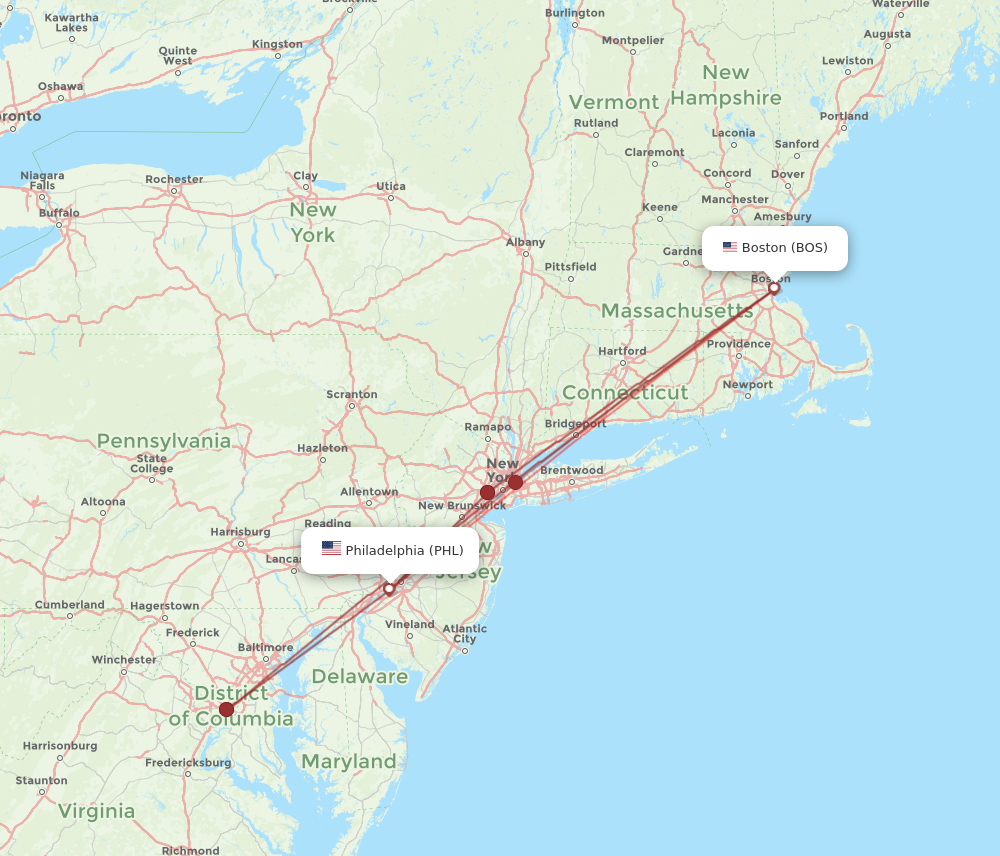
The direct, as-the-crow-flies distance between Boston, Massachusetts, and Philadelphia, Pennsylvania, is approximately 280 miles (about 450 kilometers). This figure serves as a baseline but doesn’t account for the practicalities of terrestrial travel. Road travel, the most common method for many, introduces variations due to route choices, traffic conditions, and the need for stops.
Driving Distances and Routes
The most popular driving route between Boston and Philly primarily utilizes Interstate 95 (I-95) South. This major artery connects the two cities directly, passing through states like Rhode Island, Connecticut, and New Jersey. The total driving distance typically falls within the range of 300 to 315 miles, depending on the specific starting and ending points within each city.
The estimated driving time without significant traffic delays is generally between 5 and 6 hours. However, this is an optimistic projection. The I-95 corridor, particularly around metropolitan areas like New York City and its surrounding suburbs, is notorious for heavy congestion. Travelers should anticipate potential delays, especially during peak commuting hours, holidays, or weekends. Using navigation apps that provide real-time traffic updates is crucial for making informed decisions and adjusting travel plans accordingly.
Alternative routes exist, though they often add to the travel time. For instance, a route utilizing U.S. Route 1 or parts of the New Jersey Turnpike might be considered, but these are typically less direct and can be slower. The advantage of sticking to I-95 is its directness and the availability of service areas for refueling and rest stops.
Factors Affecting Driving Time:
- Traffic Congestion: The single biggest variable. Major bottlenecks occur around cities like Providence, New Haven, Stamford, and the entire New York metropolitan area.
- Construction: Road work can significantly slow down progress, particularly during warmer months.
- Weather Conditions: Snow, ice, heavy rain, or fog can drastically reduce visibility and speed limits, especially during winter.
- Time of Day: Driving during rush hour (typically 6-9 AM and 4-7 PM on weekdays) will almost certainly lead to longer travel times.
- Number of Stops: The 5-6 hour estimate assumes minimal stops for gas, food, or rest. Longer journeys will naturally take more time.
Train Travel: A Popular and Efficient Option
For many, the train offers a more relaxed and predictable alternative to driving. Amtrak operates frequent services between Boston and Philly along the Northeast Corridor. The primary train service is the Acela Express, a high-speed train that significantly reduces travel time.
The Acela Express can complete the journey between South Station in Boston and 30th Street Station in Philadelphia in as little as 3.5 to 4.5 hours. This makes it an excellent option for day trips or for travelers who prefer to work or relax during their commute.
Amtrak also offers the Northeast Regional service, which is a slightly slower but more affordable option. The Northeast Regional typically takes between 5.5 to 6.5 hours to complete the same route. While slower, it provides a comfortable experience with amenities like Wi-Fi and a café car.
Benefits of Train Travel:
- Reduced Stress: No need to navigate traffic or worry about parking.
- Productivity: Onboard Wi-Fi allows for work or entertainment.
- Comfort: More legroom and the ability to move around compared to a car.
- Environmental Friendliness: Generally a more sustainable choice than individual car travel.
- Convenience: Stations are typically located in downtown areas, making onward travel easier.
Air Travel: Fastest but with Caveats
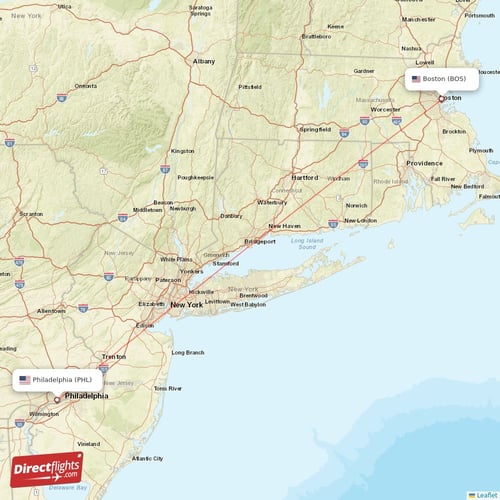
While flying might seem like the quickest option for such a distance, the reality is often more complex. The flight time between Boston and Philly is only about 1 hour. However, this does not include the time spent traveling to and from airports, going through security, boarding, and deplaning.
Both Logan International Airport (BOS) in Boston and Philadelphia International Airport (PHL) in Philly are major hubs. Numerous airlines offer direct flights daily, operated by carriers like American Airlines, Delta Air Lines, and United Airlines.
When factoring in the total travel time, including airport procedures, flying can often be comparable to, or even longer than, taking the Acela Express train. For instance, adding 1-2 hours for airport transit, check-in, and security, plus 1 hour for the flight, and another hour for baggage claim and exit, the total door-to-door time can easily reach 4-5 hours, not including potential flight delays.
Considerations for Air Travel:
- Airport Proximity: The distance from your origin to the airport and from the destination airport to your final destination is critical.
- Security Lines: Delays at airport security can be significant.
- Baggage Claim: Waiting for checked luggage adds to the overall time.
- Cost: Flight prices can fluctuate significantly and may not always be the most economical option compared to train tickets, especially when booked in advance.
Bus Travel: The Budget-Friendly Choice
For the budget-conscious traveler, bus services offer a viable means of transport between Boston and Philly. Companies like Greyhound, FlixBus, and Peter Pan Bus Lines operate numerous routes daily.
The travel time by bus is generally the longest, typically ranging from 6 to 8 hours, depending on the route, number of stops, and traffic conditions. While the journey is longer, the cost is often significantly lower than driving (factoring in gas and tolls), flying, or taking the train. Buses usually depart from central bus terminals and arrive at similar convenient locations in the respective cities.
Advantages of Bus Travel:
- Affordability: Typically the least expensive option.
- Accessibility: Frequent departures and numerous routes.
- Environmental Impact: A more sustainable choice than individual car travel.
Choosing the Right Mode of Transport
The “best” way to travel from Boston to Philly ultimately depends on individual priorities and circumstances.
For Speed and Efficiency
If maximizing time and minimizing transit stress is paramount, the Amtrak Acela Express is often the superior choice. Its speed and direct city-center to city-center service make it hard to beat for travelers prioritizing efficiency.
For Cost-Consciousness
Those on a tighter budget will find bus services to be the most economical. While the journey is longer, the savings can be substantial, allowing for more funds to be allocated to activities and accommodation in either city.
For Flexibility and Scenic Drives
Driving offers the most flexibility. It allows for spontaneous stops at roadside attractions, the ability to carry more luggage, and control over your schedule. However, it requires navigating traffic, paying for tolls and gas, and dealing with parking in the cities. For those who enjoy road trips, this can be a rewarding experience, perhaps allowing for detours to explore charming towns in Connecticut or along the Jersey Shore.
For a Balance of Comfort and Cost
The Amtrak Northeast Regional train provides a good balance between cost and comfort. It’s more affordable than the Acela but still offers a more comfortable and predictable experience than driving or taking the bus.
Navigating Between Cities and Within Them
Once you’ve decided on your mode of transport, consider how you’ll get around upon arrival. Both Boston and Philadelphia have robust public transportation systems.
In Boston, the Massachusetts Bay Transportation Authority (MBTA), often referred to as “the T,” offers subway, bus, and commuter rail services. Key attractions in Boston, such as Faneuil Hall Marketplace, the Freedom Trail, and Fenway Park, are easily accessible via the T.
Philadelphia boasts SEPTA (Southeastern Pennsylvania Transportation Authority), which includes subway lines (Market-Frankford and Broad Street lines), trolleys, buses, and regional rail. Historic sites like the Independence Hall and the Liberty Bell, as well as attractions like Reading Terminal Market, are well-served by SEPTA.
Both cities are also walkable, especially in their historic and downtown districts. Ride-sharing services like Uber and Lyft are readily available in both Boston and Philly, offering convenient door-to-door transport.

Conclusion: A Connected Corridor
The distance between Boston and Philly is more than just a number of miles; it represents a network of transportation options, each with its own advantages. Whether you opt for the speed of the Acela, the convenience of a road trip, the affordability of a bus, or the efficient transit of the Northeast Corridor, traveling between these two historic American gems is a well-trodden path. Understanding the various travel times, costs, and logistical considerations will help you plan a seamless and enjoyable journey, allowing you to fully immerse yourself in the unique experiences each city has to offer.
LifeOutOfTheBox is a participant in the Amazon Services LLC Associates Program, an affiliate advertising program designed to provide a means for sites to earn advertising fees by advertising and linking to Amazon.com. Amazon, the Amazon logo, AmazonSupply, and the AmazonSupply logo are trademarks of Amazon.com, Inc. or its affiliates. As an Amazon Associate we earn affiliate commissions from qualifying purchases.