
The political status of Puerto Rico and its relationship with the United States is a complex and often debated topic. A key aspect of this discussion revolves around the participation of Puerto Rico’s residents in the U.S. presidential elections. While U.S. citizens by birth, Puerto Ricans residing on the island cannot cast a vote for the President of the United States. This unique situation stems from Puerto Rico’s status as an unincorporated territory, a distinction that carries significant implications for its political rights and representation.
The Electoral Landscape for Puerto Rico
Territories and the Presidential Vote
The U.S. Constitution grants states the power to determine how their citizens vote in federal elections, including presidential contests. However, unincorporated territories like Puerto Rico, Guam, the U.S. Virgin Islands, and American Samoa operate under a different framework. For these territories, Congress holds ultimate authority, and federal election laws do not automatically extend the right to vote in presidential elections to residents of the islands.
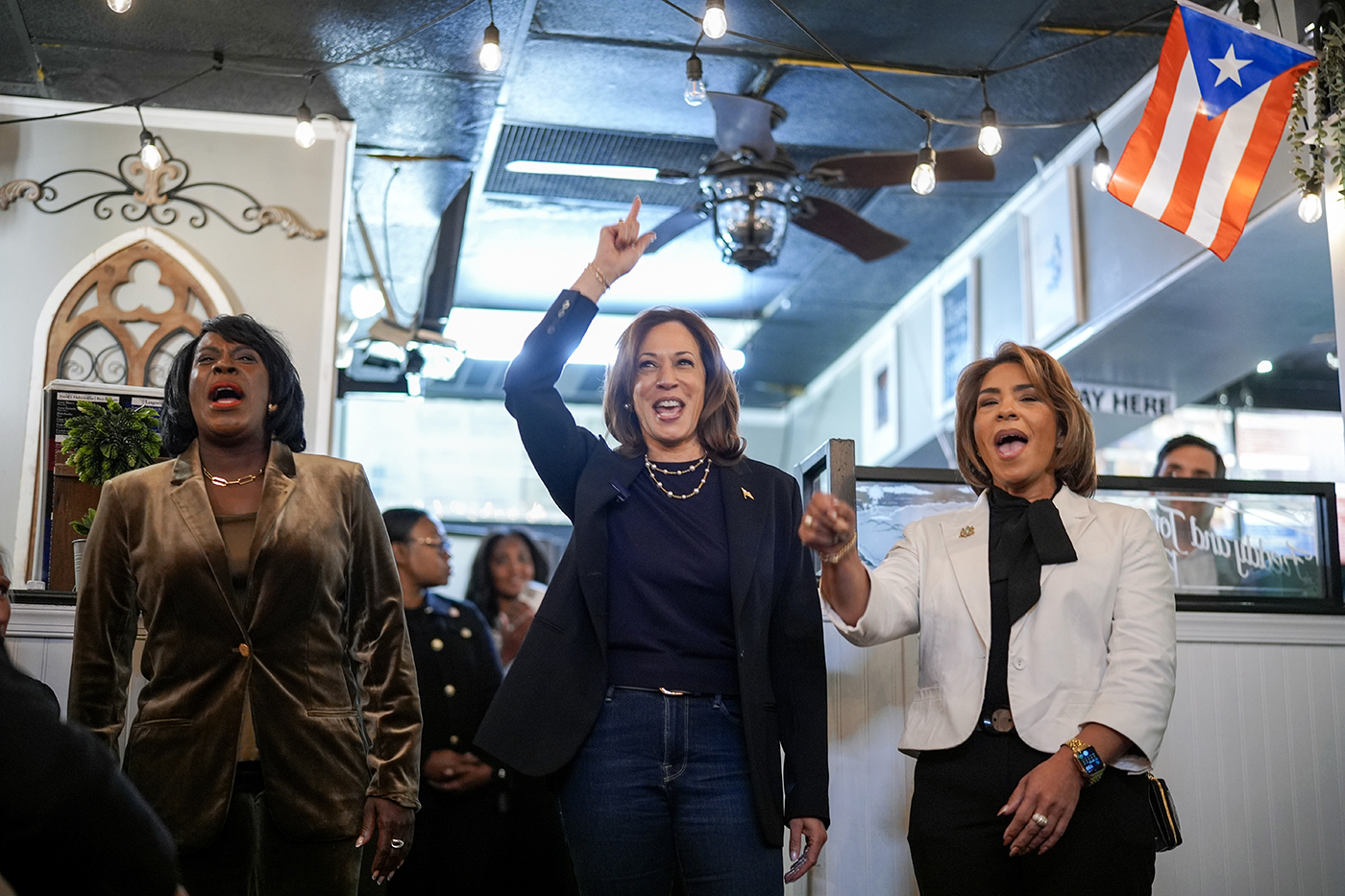
This means that while residents of Puerto Rico are U.S. citizens and can serve in the U.S. military, pay federal taxes (though not federal income tax on island-earned income), and are subject to federal laws, they are disenfranchised in the nation’s highest election. This lack of direct participation in selecting the President is a significant point of contention for many Puerto Ricans who feel that their voices are not fully heard in the U.S. political system.
The Role of Delegate Votes
Although Puerto Ricans on the island cannot vote for President, they do have a voice in the nomination process through delegates. Both the Democratic and Republican parties have established mechanisms for territories to select delegates who attend the national conventions. These delegates can vote for their respective party’s presidential nominee at the convention. However, this is an internal party process and does not equate to a general election vote by the populace of Puerto Rico.
The Democratic Party allows delegates from Puerto Rico to vote at the national convention, though the exact number and voting power have varied over time. The Republican Party’s delegate system for territories can also be complex, with representation at the convention. While these delegates play a role in shaping the party platforms and selecting candidates, the fundamental issue of island residents not being able to vote in the actual presidential election remains. This distinction is crucial: participating in a party’s nomination process is not the same as voting in the general election.
Historical Context and Political Aspirations
Evolution of Territorial Rights
The relationship between the U.S. and Puerto Rico has evolved significantly since the Spanish-American War, which led to the U.S. acquisition of the island in 1898. The Insular Cases, a series of Supreme Court decisions in the early 20th century, established the legal framework for U.S. territories, classifying them as “unincorporated” and thus not fully part of the United States in a constitutional sense. This legal distinction has shaped the rights and privileges of island residents for over a century.
Over the decades, there have been numerous attempts and proposals to grant Puerto Ricans the right to vote in presidential elections, particularly for those residing on the island. These efforts have often been tied to broader discussions about Puerto Rico’s political status, with statehood, independence, and enhanced commonwealth being the primary options debated. Proponents of statehood often argue that full enfranchisement, including presidential voting rights, is a necessary component of becoming a state.
The Statehood Movement and Presidential Voting
The movement for Puerto Rico to become the 51st state is a significant political force on the island. Advocates for statehood frequently highlight the lack of presidential voting rights as a major injustice. They argue that becoming a state would rectify this deficiency, granting Puerto Rican citizens the same fundamental democratic rights as their counterparts in the existing states. This would include the right to vote for President and Vice President, as well as representation with full voting power in both the House of Representatives and the Senate.
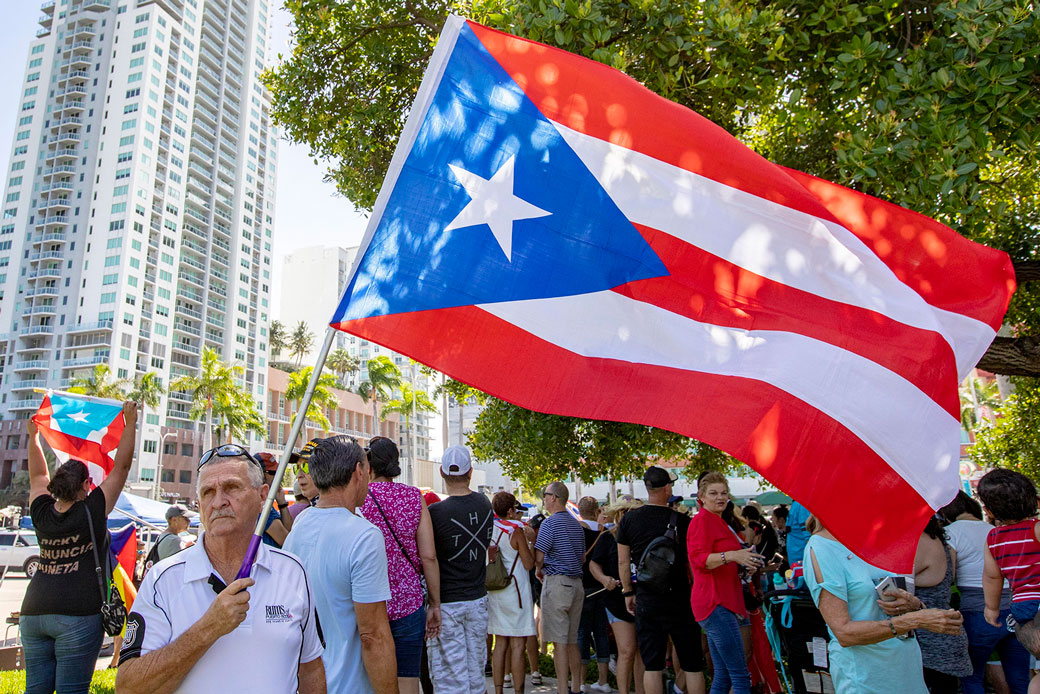
Referendums on Puerto Rico’s status have been held periodically, with varying results and levels of participation. While statehood has often emerged as a favored option in these plebiscites, the ultimate decision rests with the U.S. Congress. The question of presidential voting rights is often a central talking point in these debates, underscoring the desire among many Puerto Ricans for complete political integration and equal standing within the United States.
The Experience of Puerto Ricans Abroad
Voting from the Diaspora
It is important to distinguish between the voting rights of U.S. citizens residing in Puerto Rico and those who have emigrated from the island to the mainland United States. Puerto Ricans who have relocated to states like Florida, New York, or Texas can and do vote in U.S. presidential elections, provided they meet the residency and registration requirements of their respective states. This diaspora vote can be a significant factor in presidential elections, particularly in swing states.
The political engagement of the Puerto Rican diaspora is a well-documented phenomenon. They participate in campaigns, register to vote, and influence election outcomes. This ability to vote directly for the President stands in stark contrast to the situation for their family members and friends who continue to reside in Puerto Rico, a situation that many find paradoxical and unfair. The existence of this voting bloc abroad often fuels arguments for similar enfranchisement on the island itself.
Impact on National Politics
The inability of Puerto Rico residents to vote in presidential elections has a tangible impact on national politics, even if indirectly. Presidential candidates and their campaigns often pay attention to the concerns and priorities of Puerto Ricans, both on the island and in diaspora communities, due to their potential influence. Issues such as economic development, disaster relief (following events like Hurricane Maria), and political status are frequently addressed by candidates seeking to win votes in key states with large Puerto Rican populations.
However, without direct electoral power on the island, the influence of Puerto Rican voters on presidential policy decisions can be less potent than that of voters in states. This creates a dynamic where candidates may court the Puerto Rican vote in the diaspora while the fundamental issue of island residents’ enfranchisement remains unresolved. This can lead to a sense of political marginalization for those living in Puerto Rico, despite their U.S. citizenship and contributions to the nation.
The Future of Representation
Ongoing Debates and Potential Changes
The question of whether Puerto Rico will vote in the presidential election remains a persistent issue in U.S. political discourse. Discussions surrounding the island’s status are ongoing, and any significant change, such as statehood or a revised commonwealth status, could fundamentally alter the electoral landscape. If Puerto Rico were to become a state, its residents would automatically gain the right to vote for the President, along with full congressional representation.
Legislation has been introduced in Congress over the years that would grant Puerto Ricans the right to vote in presidential elections, even without a change in status. However, these proposals have faced various political hurdles and have not yet been enacted. The political will and consensus required to pass such legislation are complex, often intertwined with broader debates about territorial governance and self-determination.

Implications for Democracy
The debate over Puerto Rico’s presidential voting rights touches upon fundamental principles of democracy and representation. For millions of U.S. citizens, the right to vote for their head of state is a cornerstone of their civic identity. The exclusion of nearly 3.2 million U.S. citizens residing in Puerto Rico from this fundamental right raises questions about equal citizenship and the promise of democratic participation for all Americans, regardless of where they reside within the U.S. jurisdiction.
Ultimately, the answer to whether Puerto Rico votes in the presidential election is a nuanced “no,” with the caveat that its delegates participate in party conventions. This situation highlights the unique political standing of U.S. territories and the ongoing struggle for full political rights for their residents. As discussions about Puerto Rico’s future continue, the aspiration for presidential voting rights remains a key demand for many who seek a more equitable and representative relationship with the United States.
LifeOutOfTheBox is a participant in the Amazon Services LLC Associates Program, an affiliate advertising program designed to provide a means for sites to earn advertising fees by advertising and linking to Amazon.com. Amazon, the Amazon logo, AmazonSupply, and the AmazonSupply logo are trademarks of Amazon.com, Inc. or its affiliates. As an Amazon Associate we earn affiliate commissions from qualifying purchases.