
Navigating maternity leave in California can seem complex, but understanding the various state and federal protections and benefits available is crucial for expectant and new parents. California is renowned for offering some of the most comprehensive family leave policies in the United States, providing a robust safety net for individuals welcoming a new child. This guide outlines the essential steps and programs to help you secure the leave you need, ensuring a smoother transition into parenthood while safeguarding your employment and financial stability.
Understanding California’s Maternity Leave Landscape
California’s framework for maternity leave is a layered system, integrating federal laws with even more generous state-specific provisions. This structure aims to provide extensive job protection and partial wage replacement for eligible employees. Before delving into the application process, it’s vital to grasp the interplay between these different programs. Generally, maternity leave can encompass time off for pregnancy-related disability, bonding with a new child, or both. The duration and benefits available depend on your employer’s size, your tenure, and your contributions to specific state programs.
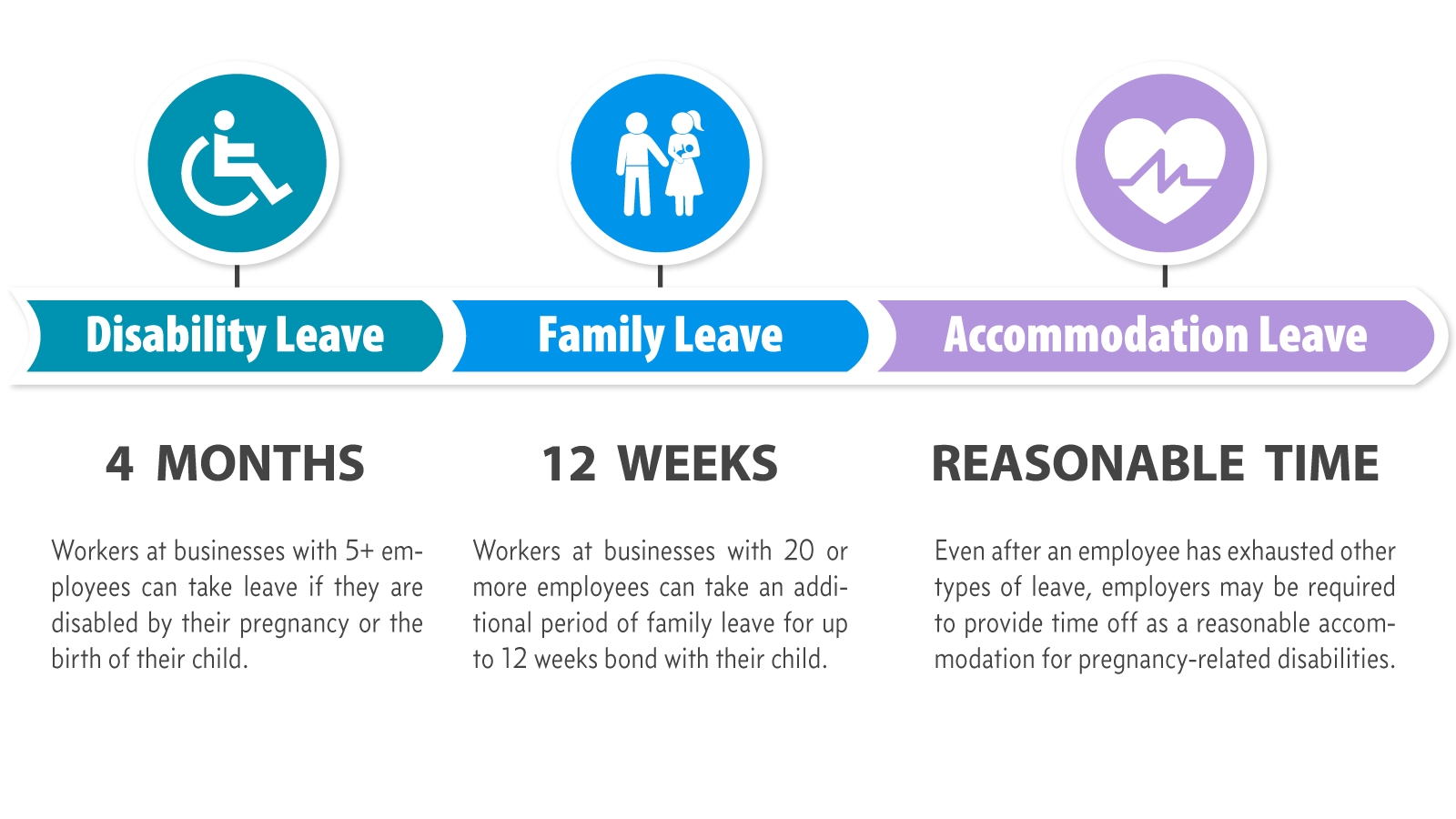
At its core, maternity leave in California often combines several types of leave:
Pregnancy Disability Leave (PDL)
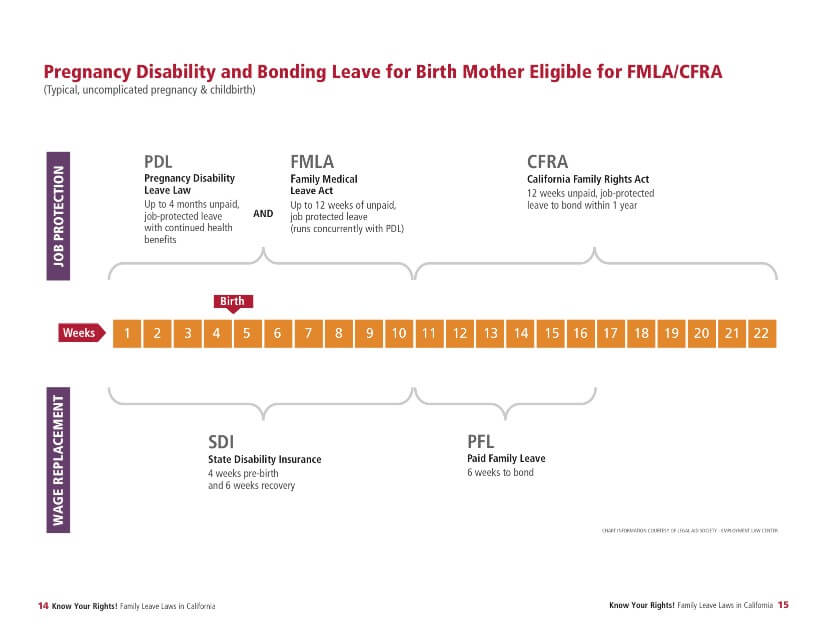
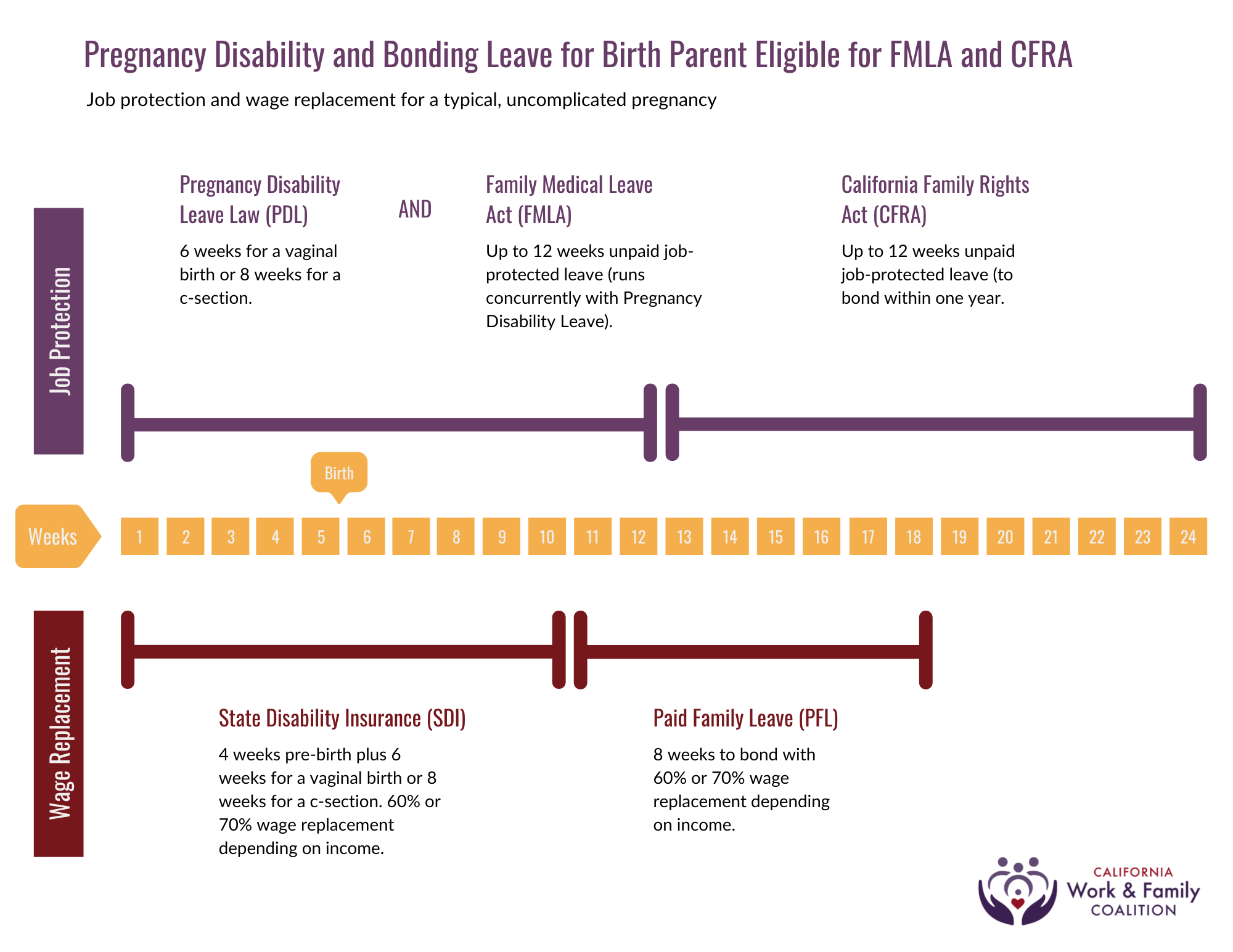
California law mandates that employers with five or more employees provide up to four months (17 1/3 weeks) of job-protected leave for disabilities related to pregnancy, childbirth, or a related medical condition. This leave can be taken before or after childbirth, as medically necessary. While PDL ensures your job is protected, it is typically unpaid. However, you can use accrued sick leave, vacation time, or paid time off (PTO) to cover some of your wages. For partial wage replacement, eligible individuals can concurrently apply for State Disability Insurance (SDI).
California Family Rights Act (CFRA)
Following the period of PDL, new parents in California may be eligible for leave under the California Family Rights Act (CFRA). This law provides up to 12 weeks of job-protected leave for bonding with a new child (born, adopted, or fostered), among other family reasons. Unlike PDL, CFRA is not specific to pregnancy-related disabilities and is available to both mothers and fathers. To be eligible, an employee must have worked for an employer with five or more employees for at least 12 months and have worked at least 1,250 hours in the 12 months preceding the leave. CFRA leave is also generally unpaid, but wage replacement can be obtained through the Paid Family Leave (PFL) program.
Family and Medical Leave Act (FMLA)
The federal Family and Medical Leave Act (FMLA) grants eligible employees up to 12 weeks of unpaid, job-protected leave per 12-month period for specific family and medical reasons, including the birth of a child and to care for a newborn. FMLA applies to employers with 50 or more employees within a 75-mile radius. In California, FMLA and CFRA often run concurrently, but there are instances where they don’t overlap, potentially extending your total leave time. For example, PDL does not count against CFRA leave, meaning a mother could potentially take up to four months of PDL and then an additional 12 weeks of CFRA for bonding.
Key Leave Programs and Eligibility
Understanding the eligibility criteria for each program is fundamental to successfully applying for maternity leave. Each program has specific requirements related to employer size, employee tenure, and hours worked.
State Disability Insurance (SDI) and Paid Family Leave (PFL)
These are benefit programs administered by California’s Employment Development Department (EDD) that provide partial wage replacement during periods of leave.
SDI for Pregnancy
SDI provides short-term wage replacement to eligible workers who are unable to work due to a non-work-related illness or injury, including pregnancy and childbirth. Typically, SDI benefits for pregnancy begin up to four weeks before the expected due date and continue for six weeks after a vaginal delivery or eight weeks after a C-section. Your doctor will certify your disability period. To be eligible, you must have paid into SDI through payroll deductions (which is typical for most California employees) and have earned at least $300 in your “base period.”
PFL for Bonding
PFL provides wage replacement benefits for up to eight weeks to individuals who need to take time off work to bond with a new child. This benefit can be used by mothers, fathers, and adoptive or foster parents. The eligibility requirements for PFL are similar to SDI: you must have paid into the SDI fund and met the minimum earnings requirement in your base period. PFL does not offer job protection, so it’s critical to ensure you are also eligible for job-protected leave under PDL, CFRA, or FMLA.
Navigating the Application Process
Applying for maternity leave involves a series of steps, from notifying your employer to filing claims with the EDD. Timely and accurate submission is key to a seamless process.
Step 1: Notify Your Employer
The first and most critical step is to inform your employer of your pregnancy and your intent to take leave.
- Timing: For foreseeable leaves (like childbirth), you should provide at least 30 days’ advance notice. If the leave is unforeseeable, notify your employer as soon as practicable.
- Method: Provide notice in writing. This creates a clear record and helps prevent misunderstandings. Include your estimated due date, the approximate start and end dates of your proposed leave, and mention that you intend to use your rights under PDL and CFRA (and FMLA, if applicable).
- Information Sharing: Your employer may require medical certification from your healthcare provider. Be prepared to provide this documentation, which typically confirms your pregnancy, expected due date, and any medically necessary leave periods.
Step 2: File a Claim with the EDD for Wage Replacement
Once you have notified your employer, you will need to file claims with the EDD for wage replacement.
SDI Claim for Disability
You can apply for SDI online through EDD’s Benefits Online system.
- Timing: File your claim no earlier than nine days after your first day of disability, but no later than 49 days.
- Required Information: You will need personal information, employer details, and medical certification from your healthcare provider. Your healthcare provider must complete the “Physician/Practitioner’s Certificate” section of the claim form.
- Waiting Period: There is a seven-day waiting period for SDI benefits, which is generally unpaid.
PFL Claim for Bonding
After your disability period ends (typically six or eight weeks postpartum), you can transition to PFL to bond with your new child.
- Timing: File your PFL claim online within 41 days of the first day your family leave begins.
- Required Information: You will need personal information, employer details, and a “Proof of Relationship” document, such as the child’s birth certificate or adoption paperwork.
- Coordination: Ensure your employer is aware of your transition from PDL/SDI to CFRA/PFL. The EDD and your employer need to coordinate the end of one leave and the beginning of another.
Maximizing Your Benefits and Protections
To ensure you receive all eligible benefits and your job remains protected, proactive planning and clear communication are essential.
Coordinate Benefits and Leave Types
The various leave types (PDL, CFRA, FMLA) and wage replacement programs (SDI, PFL) can run concurrently or consecutively. Understanding how they interact is crucial. For instance:
- PDL and FMLA generally run at the same time for pregnancy-related disability.
- CFRA leave for bonding does not run concurrently with PDL. This means a mother could potentially take up to four months of PDL and then an additional 12 weeks of CFRA for bonding, totaling significant job-protected time off.
- SDI covers the wage replacement portion of PDL, and PFL covers the wage replacement for CFRA bonding leave.
Consulting with your HR department or an employment law attorney can help clarify your specific situation and maximize your available leave.
Understand Your Rights and Protections
Both federal and California laws provide significant protections during and after maternity leave:
- Job Protection: You have the right to return to the same or a comparable position. Employers cannot deny you leave or retaliate against you for taking it.
- Health Benefits: Your employer must continue to provide health benefits under the same terms and conditions as if you had not taken leave, provided you continue to pay your portion of the premiums.
- Accrued Benefits: You generally retain your accrued seniority, retirement, and other benefits during your leave.
If you believe your rights have been violated, you can file a complaint with the California Department of Fair Employment and Housing (DFEH) or the federal Department of Labor.
Planning for a Smooth Transition Back to Work
Returning to work after maternity leave can be challenging. Planning ahead can ease the transition for both you and your employer.
Communicate with Your Employer
Maintain open communication with your employer during your leave, especially regarding your planned return date. If you anticipate needing an extension or have any changes to your schedule, communicate these as early as possible.
Phased Return Options
Some employers offer phased return-to-work options, allowing you to gradually increase your hours over a period. Inquire about such policies or propose a flexible arrangement if it aligns with your needs and your employer’s capabilities. Remember that under California law, you may have the right to reasonable accommodation for pumping breast milk, including a private space (other than a bathroom) and reasonable break times.
Update Your Knowledge
Before returning, catch up on any significant changes or developments at work. This could involve reviewing emails, meeting notes, or discussing updates with your manager or colleagues.
Applying for maternity leave in California requires careful planning and an understanding of the intricate web of laws and benefits. By diligently following these steps and leveraging the state’s comprehensive support systems, new parents can navigate this exciting life transition with greater confidence and peace of mind.
LifeOutOfTheBox is a participant in the Amazon Services LLC Associates Program, an affiliate advertising program designed to provide a means for sites to earn advertising fees by advertising and linking to Amazon.com. Amazon, the Amazon logo, AmazonSupply, and the AmazonSupply logo are trademarks of Amazon.com, Inc. or its affiliates. As an Amazon Associate we earn affiliate commissions from qualifying purchases.