
For travelers planning an exploration of Massachusetts, the question of proximity between its bustling capital, Boston, and the famously historic city of Salem is often a primary concern. These two iconic destinations, rich in history, culture, and unique attractions, are surprisingly close, making a combined itinerary not just feasible but highly recommended. Understanding the distance, travel options, and distinct charms of each location is key to crafting an unforgettable New England experience. This guide will delve into the logistical details and offer insights into making the most of your journey between Boston and Salem.
The Proximity and Allure of Two Iconic Massachusetts Destinations
The relationship between Boston and Salem is one of convenient connectivity, allowing visitors to easily transition from the vibrant urban landscape of the capital to the mystique-laden streets of the Witch City. This close geographic relationship is a boon for tourists, enabling them to immerse themselves in distinct historical narratives and contemporary attractions without extensive travel time.
Unpacking the Distance: A Snapshot
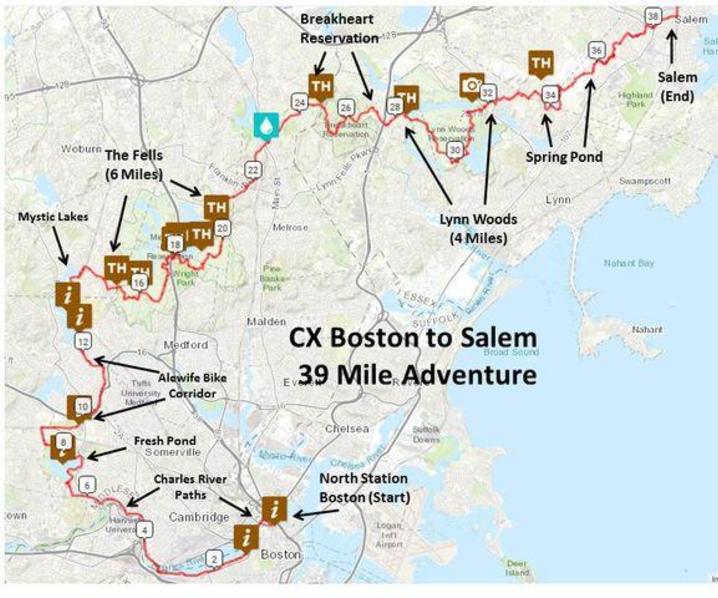
The distance between Boston and Salem, Massachusetts, is approximately 16 to 20 miles (26 to 32 kilometers), depending on the specific starting and ending points within each city and the chosen route. This relatively short distance translates to travel times that are manageable for day trips or extended stays combining both destinations. By car, the journey typically takes between 30 to 50 minutes, though this can extend to over an hour during peak traffic times, especially approaching or departing Boston’s city center. Public transportation offers a comfortable and often scenic alternative, with train and ferry services providing unique perspectives of the North Shore coastline.
Why Travel Between Boston and Salem?
The appeal of traveling between Boston and Salem lies in the stark yet complementary contrast these cities offer. Boston is a sprawling metropolis, a cradle of American history, innovation, and culture, boasting world-class museums, historical landmarks, diverse neighborhoods, and a dynamic culinary scene. Its colonial roots are deeply intertwined with the nation’s founding, offering visitors a tangible connection to pivotal moments.
Salem, on the other hand, is famously known for the 1692 Witch Trials, a haunting chapter in American history that continues to define its identity. Beyond the witch lore, Salem is a charming coastal city with a rich maritime heritage, stunning architecture, and a thriving arts scene. Its compact, walkable downtown makes it ideal for exploration on foot, uncovering layers of history, mystery, and beauty. For travelers, combining these two destinations offers a comprehensive glimpse into Massachusetts’ diverse past and present, from revolutionary fervor to puritanical fears and beyond.
Navigating the Journey: Your Travel Options
Traveling between Boston and Salem is straightforward, with several reliable transportation options catering to different preferences and budgets. Each mode of transport offers its own set of advantages, from speed and flexibility to scenic views and historical ambiance.
By Car: The Most Flexible Route
Driving is often the most convenient option for travelers seeking flexibility and direct access to various points in both cities. The primary routes involve taking major highways and local roads:
- Route 1 North to Route 1A: This is a common and relatively direct path. From Boston, you would typically take Route 1 North, which crosses the Tobin Bridge (toll required) into the North Shore area, eventually connecting to Route 1A which leads directly into Salem. The drive takes approximately 30-45 minutes without heavy traffic.
- Interstate 93 North to Route 128 North: An alternative route involves taking I-93 North from Boston and then transitioning to Route 128 North (also known as I-95 North at this segment) before exiting onto local roads like Route 114 or Route 1A to reach Salem. This route might be slightly longer in mileage but can sometimes bypass heavy congestion on Route 1. Travel time is similar, usually 40-55 minutes.
Parking: Both Boston and Salem have various parking options, including garages and metered street parking. In Salem, particularly during the busy October season, parking can be challenging, so arriving early or using public transport is advisable.
Public Transportation: Commuter Rail and Bus
For those preferring to avoid driving and parking, public transportation offers a reliable and stress-free alternative.
- MBTA Commuter Rail: The MBTA Commuter Rail provides direct service from Boston’s North Station to Salem Station on the Newburyport/Rockport Line. The train ride is efficient, taking approximately 30 minutes. Trains run frequently throughout the day, making it an excellent option for day-trippers. The Salem station is conveniently located within walking distance of many major attractions.
- Bus Services: While less direct and generally slower than the commuter rail, regional bus services (like the MBTA bus) also connect Boston to Salem. These routes often involve transfers and can take upwards of an hour, making them a less popular choice for tourists specifically traveling between the two cities.
The Scenic Route: Ferry Service
During warmer months (typically from Memorial Day to Halloween), the Salem Ferry offers a delightful and scenic way to travel between Boston and Salem.
- Departure and Arrival: Ferries depart from Long Wharf in Boston and arrive at the Blaney Street dock in Salem, which is also a short walk from downtown attractions.
- Journey Time and Experience: The ferry ride typically takes about 50-60 minutes, offering stunning views of the Boston Harbor, the Boston Harbor Islands National and State Park, and the Massachusetts coastline. It’s a fantastic option for those who enjoy being on the water and want to add an extra layer of experience to their journey. Availability and scheduling vary by season, so it’s essential to check the ferry’s operating schedule in advance.
Exploring Salem: A Deep Dive into History and Mystery
Once you arrive in Salem, you’ll discover a city that masterfully weaves its dramatic past with a vibrant present. Its compact nature makes it exceptionally walkable, allowing visitors to easily navigate its historic streets and myriad attractions.
The Witch City’s Enduring Legacy

Salem’s identity is indelibly tied to the 1692 Witch Trials, a harrowing period where accusations of witchcraft led to the execution of 20 innocent people. This dark chapter is commemorated and interpreted throughout the city, offering profound lessons on justice, fear, and human nature. Beyond the witch lore, Salem also boasts a significant maritime history, having been one of America’s most important seaports in the 18th and early 19th centuries, leaving behind a legacy of impressive architecture and cultural wealth.
Top Attractions in Salem
- Salem Witch Museum: Offers a dramatic, theatrical presentation of the 1692 Witch Trials using life-size dioramas and narration. It’s a popular starting point for many visitors.
- Peabody Essex Museum: One of the oldest and fastest-growing museums in the U.S., featuring diverse collections of art and culture from around the world, alongside significant New England art and historical artifacts. Its collection includes the Yin Yu Tang, a 200-year-old Chinese house brought over from China.
- The House of the Seven Gables: The famous colonial mansion that inspired Nathaniel Hawthorne’s novel. Visitors can tour the historic house, the author’s birthplace, and the beautiful seaside gardens.
- Witch History Museum: Provides another perspective on the Witch Trials through wax figures and narration, detailing the events leading up to and during the hysteria.
- Witch Dungeon Museum: Re-enactments of the Witch Trials take place in a replica of the original dungeon.
- Salem Maritime National Historic Site: Preserves and interprets the rich maritime history of Salem through various historic wharves, buildings, and the replica tall ship Friendship of Salem.
Dining and Shopping Experiences
Salem’s downtown offers an array of unique shops selling everything from occult items and souvenirs to artisan crafts and antique goods. The city also boasts a diverse culinary scene, ranging from casual cafes and seafood shacks to upscale restaurants serving contemporary American cuisine. Don’t miss the chance to try fresh New England seafood, especially clam chowder and lobster rolls.
Discovering Boston: A Blend of History and Modernity
After soaking in the historical mysteries of Salem, a journey to Boston offers a transition to a larger, bustling city that is equally steeped in history but also pulsating with modern energy. Boston provides an expansive canvas for exploration, where every cobblestone street seems to tell a story.
Iconic Historical Sites
Boston is arguably America’s most historic city, home to many of the sites pivotal to the American Revolution.
- The Freedom Trail: A 2.5-mile red-lined path that leads to 16 historically significant sites, including the Massachusetts State House, Park Street Church, Granary Burying Ground, Faneuil Hall, Paul Revere House, and the USS Constitution. Walking the Freedom Trail is an immersive history lesson.
- Boston Tea Party Ships & Museum: An interactive museum with costumed actors and full-scale replicas of 18th-century sailing vessels, re-enacting the famous Boston Tea Party protest.
- Beacon Hill: A charming, affluent neighborhood known for its federal-style rowhouses, gas lamps, and brick sidewalks. It’s a beautiful area for a stroll, offering a glimpse into Boston’s architectural heritage.
Cultural Hubs and Modern Attractions
Beyond its historical bedrock, Boston thrives as a center for arts, education, and entertainment.
- Museum of Fine Arts (MFA): One of the largest museums in the United States, with an encyclopedic collection of nearly 500,000 works of art.
- Museum of Science: Features over 700 interactive exhibits, daily presentations, and a planetarium, appealing to visitors of all ages.
- Fenway Park: Home to the Boston Red Sox, this iconic baseball stadium is a must-visit for sports enthusiasts, even if just for a tour.
- New England Aquarium: A world-class aquarium located on the waterfront, home to thousands of aquatic animals.
Culinary Delights and Neighborhood Charms
Boston’s culinary scene is as diverse as its history. The North End, Boston’s Little Italy, is famous for its authentic Italian restaurants, bakeries, and cafes. Seafood lovers will find fresh catches throughout the city, from casual clam shacks to upscale dining experiences. Neighborhoods like Back Bay and South End offer a mix of boutique shopping, art galleries, and trendy eateries.
Planning Your Perfect Trip: Tips for Travelers
Making the most of your visit to Boston and Salem involves some strategic planning, ensuring a smooth and enjoyable experience.
Best Time to Visit
- Spring (April-May): Pleasant weather, fewer crowds than summer, and the cities are in bloom.
- Summer (June-August): Warm weather ideal for ferry rides and outdoor activities, but also peak tourist season, meaning larger crowds and higher prices.
- Fall (September-October): Gorgeous foliage, comfortable temperatures, and Halloween festivities in Salem make October exceptionally popular (and crowded). Book accommodations and attractions well in advance if visiting during this time.
- Winter (November-March): Colder temperatures, but fewer tourists and often lower prices. Ideal for indoor attractions and enjoying a cozy New England atmosphere.
Combining Boston and Salem into One Itinerary
The close proximity makes combining these two cities effortless.
- Day Trip to Salem: Many visitors choose to base themselves in Boston and take a day trip to Salem via commuter rail or ferry. Start early to maximize your time in Salem’s walkable downtown.
- Multi-Day Exploration: For a more in-depth experience, consider dedicating 2-3 days to Boston and 1-2 days to Salem. This allows ample time to delve into each city’s unique offerings without feeling rushed. You could even extend your trip further up the North Shore to explore coastal towns like Cape Ann, Rockport, and Gloucester, and their famous Rocky Neck Art Colony.

Essential Travel Tips
- Book in Advance: Especially during peak seasons (October for Salem, summer for both), accommodation, popular tours, and even some restaurant reservations should be made well ahead of time.
- Wear Comfortable Shoes: Both cities are best explored on foot, so comfortable walking shoes are a must.
- Utilize Public Transportation: Boston’s MBTA (subway, bus, commuter rail) is extensive and an efficient way to get around. For travel between Boston and Salem, the commuter rail or ferry are highly recommended.
- Consider a City Pass: Boston offers various city passes that can provide discounted entry to multiple attractions, which might save you money if you plan to visit several sites.
In conclusion, the distance between Boston and Salem, Massachusetts, is minimal, creating an ideal scenario for travelers eager to experience the diverse historical and cultural tapestries of these compelling New England destinations. Whether you’re drawn to Boston’s revolutionary spirit or Salem’s bewitching allure, the journey between them is just as rewarding as the destinations themselves.
LifeOutOfTheBox is a participant in the Amazon Services LLC Associates Program, an affiliate advertising program designed to provide a means for sites to earn advertising fees by advertising and linking to Amazon.com. Amazon, the Amazon logo, AmazonSupply, and the AmazonSupply logo are trademarks of Amazon.com, Inc. or its affiliates. As an Amazon Associate we earn affiliate commissions from qualifying purchases.