
Florida is more than just a destination; for many, it’s a lifestyle. From the sun-drenched beaches of Miami to the tranquil Gulf Coast, the state offers a unique blend of adventure, relaxation, and opportunity. For those who call Florida home—whether permanently or seasonally—managing personal assets, particularly vehicles, is a practical necessity that contributes to a seamless Florida experience. In our increasingly digital world, the Sunshine State has embraced technology to simplify this process, offering electronic titles (e-titles) for vehicles. This isn’t just a bureaucratic update; it’s a significant enhancement for anyone seeking to streamline their life and maintain peace of mind while enjoying all that Florida has to offer. Understanding how to navigate the electronic title system is a key step in fully embracing the modern Florida lifestyle.
Embracing the Digital Age: Why Florida’s Electronic Titles Matter for Your Lifestyle
The move to electronic titles in Florida represents a broader societal shift towards digital efficiency, directly impacting how individuals manage their assets and, by extension, their lifestyles. For the discerning Florida resident, snowbird, or business owner, an e-title is not merely an administrative detail but a valuable tool that offers convenience, security, and a touch of modern sophistication to vehicle ownership. This digital transformation is particularly relevant in a state where mobility and outdoor activities (often requiring vehicles like cars, boats, or RVs) are central to the lifestyle.
The Shift to Paperless Living
Just as boarding passes and bank statements have largely gone digital, so too has vehicle ownership documentation in Florida. The paperless approach aligns perfectly with a contemporary lifestyle that values minimalism and efficiency. Imagine not having to worry about misplacing a critical paper document for your luxury convertible, your family RV for weekend trips to the Everglades, or your boat for fishing excursions in the Keys. Electronic titles eliminate the physical document, reducing clutter and the stress associated with safeguarding important papers. This shift allows you to focus more on enjoying your Florida adventures and less on administrative burdens.
Enhanced Security and Accessibility
One of the most compelling advantages of an electronic title is the enhanced security it offers. Unlike a paper title, which can be lost, stolen, or damaged (think hurricanes or accidental spills), an e-title is securely stored in a digital database maintained by the Florida Department of Highway Safety and Motor Vehicles (DHSMV). This significantly reduces the risk of fraud and ensures that your proof of ownership is always readily verifiable by authorized parties. Furthermore, accessibility is vastly improved. While you won’t carry a physical “e-title” around, the ability for authorized entities (like law enforcement during a stop, or a dealership during a trade-in) to quickly verify ownership through secure digital channels means your vehicle’s title information is always at your fingertips, metaphorically speaking. This peace of mind is invaluable, whether you’re traveling across the state or simply parked at your Miami Beach condo.
Streamlining Your Florida Adventures
For those whose Florida lifestyle involves frequent vehicle transactions—perhaps upgrading a car, trading in an RV, or selling a boat—the electronic title system streamlines the entire process. When you sell a vehicle, the transfer of ownership can be expedited digitally, often without the need for physical paperwork exchange. This is particularly beneficial for snowbirds or remote workers who might be managing assets from different locations. The efficiency gained means less time spent at the DMV or dealing with courier services, and more time enjoying Florida’s vibrant culture, pristine nature, or simply relaxing by the pool.
Navigating the Electronic Title Process: A Step-by-Step Guide for the Florida Enthusiast
Obtaining an electronic title in Florida is a straightforward process, designed to be as user-friendly as possible. Whether you’re purchasing a new vehicle, bringing one in from out-of-state, or simply want to convert your existing paper title, understanding the steps ensures a smooth transition into the digital realm of vehicle ownership. This guide caters to the modern Florida enthusiast who values efficiency and clarity.
Eligibility and Initial Considerations
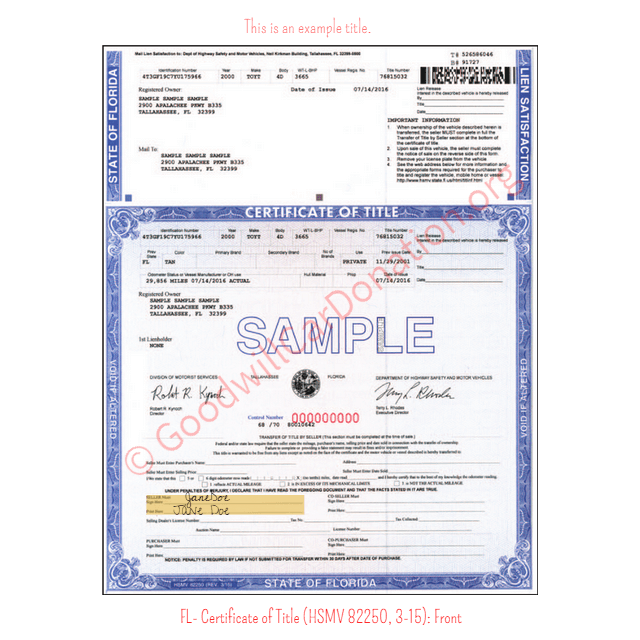
Most vehicles in Florida are eligible for an electronic title, provided they meet certain criteria. Primarily, the vehicle must be registered in Florida, and if there’s an active lien (e.g., a car loan), the lienholder (like a bank or credit union) will typically hold the electronic title. It’s important to understand that the title is electronic from the moment of first registration or when a lien is recorded. You don’t necessarily “apply” for an e-title as a separate process; rather, it’s the default method of title issuance in most cases. If you’re new to Florida or buying a vehicle, the e-title will likely be generated automatically, aligning with the state’s push for digital integration.
The Role of Dealerships and Lienholders
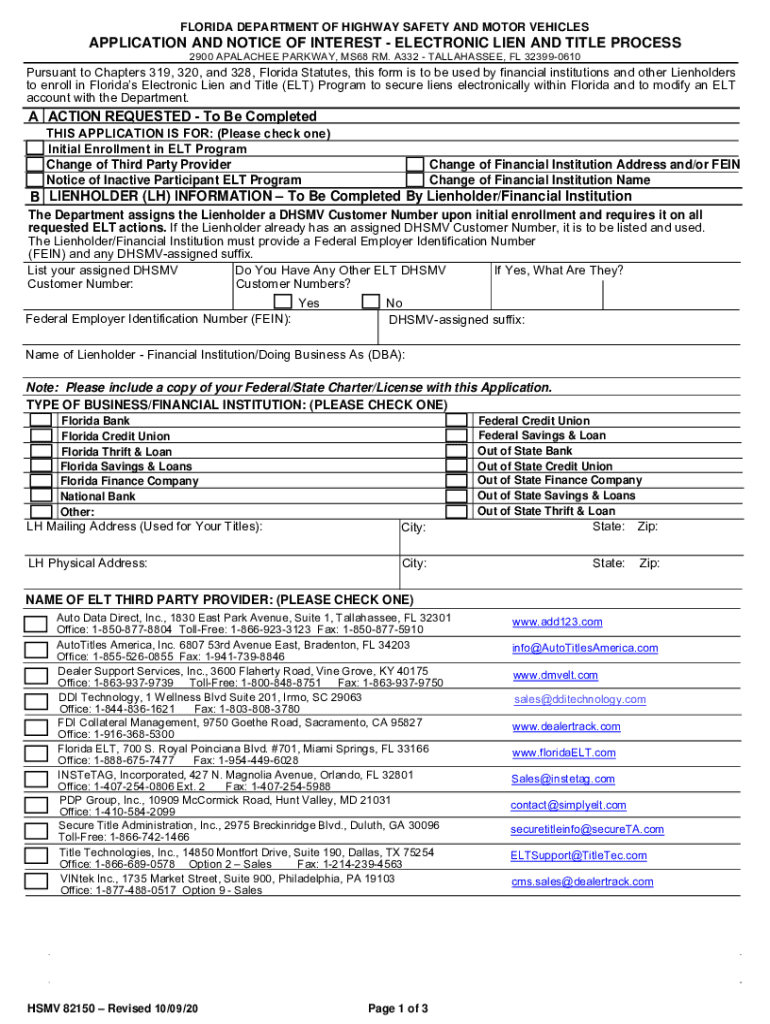
For individuals purchasing a vehicle through a licensed Florida dealership, much of the heavy lifting for the electronic title process is handled for you. The dealership will submit all necessary paperwork, including your registration and title application, to the DHSMV. If you finance your vehicle, the lienholder will be recorded digitally on the e-title. Once the loan is satisfied, the lienholder will digitally release the lien, and the title will automatically convert to a “clean” electronic title in your name. This automated system is a major convenience, especially for those with busy lifestyles, allowing them to complete a significant purchase with minimal administrative hassle.
Direct Applications for Private Sales
If you’re buying a vehicle through a private sale or bringing one into Florida from another state, you’ll be more directly involved in the title application process. You’ll need to visit a local Tax Collector’s office or a designated private tag agency. You’ll typically need to bring:
- The previous paper title (if converting from out-of-state or a private sale with a paper title).
- Proof of identity (e.g., Florida driver’s license).
- Proof of Florida insurance.
- Vehicle identification number (VIN) verification (often performed at the Tax Collector’s office or by a law enforcement officer).
- Payment for fees (registration, title, and sales tax).
During this process, you will specify if there is a lienholder. Once processed, your new Florida title will be issued electronically, stored securely by the state. This hands-on approach still leverages the efficiency of the digital system once the initial application is submitted.
Maximizing the Benefits: Integrating Your E-Title into a Seamless Florida Lifestyle
An electronic title isn’t just about avoiding paper; it’s about smart asset management that complements a dynamic Florida lifestyle. Integrating the benefits of an e-title into your daily routines and long-term planning can provide unparalleled convenience and security, allowing you to maximize your enjoyment of the Sunshine State without unnecessary administrative overhead.
When to Opt for a Paper Title
While electronic titles are the default and generally preferred method, Florida does allow individuals to request a paper title if needed. This might be relevant for specific situations, such as:
- Exporting a Vehicle: If you plan to take your vehicle permanently out of the United States.
- Personal Preference: Some individuals simply prefer a physical document for personal records, even if it’s less secure.
- Specific Circumstances: Certain lenders or insurance companies might, in rare cases, still request a physical copy, though this is becoming less common.
To request a paper title, you’ll need to fill out a form (HSMV 82101) and pay a small fee at a Tax Collector’s office. It’s an option that provides flexibility, though the security and convenience of the e-title usually outweigh the need for a physical document for most Florida residents.
Managing Transfers and Updates Digitally
The true power of the electronic title for your lifestyle comes during vehicle transfers or when making updates. When you sell your vehicle to a private party, you can complete the transfer of ownership at a Tax Collector’s office. The office will access your electronic title, record the sale, and instantly issue a new electronic title to the buyer (or record their lienholder). This instant transfer vastly simplifies the process compared to physically signing and mailing paper titles. Similarly, if you pay off a loan, the lienholder digitally releases the lien, and the DHSMV automatically updates your e-title to reflect clear ownership. This automatic update mechanism minimizes the need for you to actively manage title changes, freeing up your time for more enjoyable pursuits.
Peace of Mind for Florida Residents and Snowbirds
For Florida residents, having an e-title means one less physical document to safeguard. For snowbirds who might spend half the year in Florida and half elsewhere, this digital convenience is even more significant. You don’t have to worry about leaving a valuable paper document behind or transporting it between residences. Your vehicle’s ownership is securely stored and accessible (to authorized parties) regardless of your physical location, offering unparalleled peace of mind. This aligns perfectly with a mobile, flexible lifestyle, allowing you to seamlessly manage your Florida assets from anywhere.
Common Pitfalls and Expert Tips for a Smooth Transition
While the electronic title system is designed for ease, understanding common issues and having a few expert tips can ensure your experience is completely hassle-free. For those leading busy Florida lifestyles, avoiding administrative roadblocks is paramount.
Verifying Information Accurately
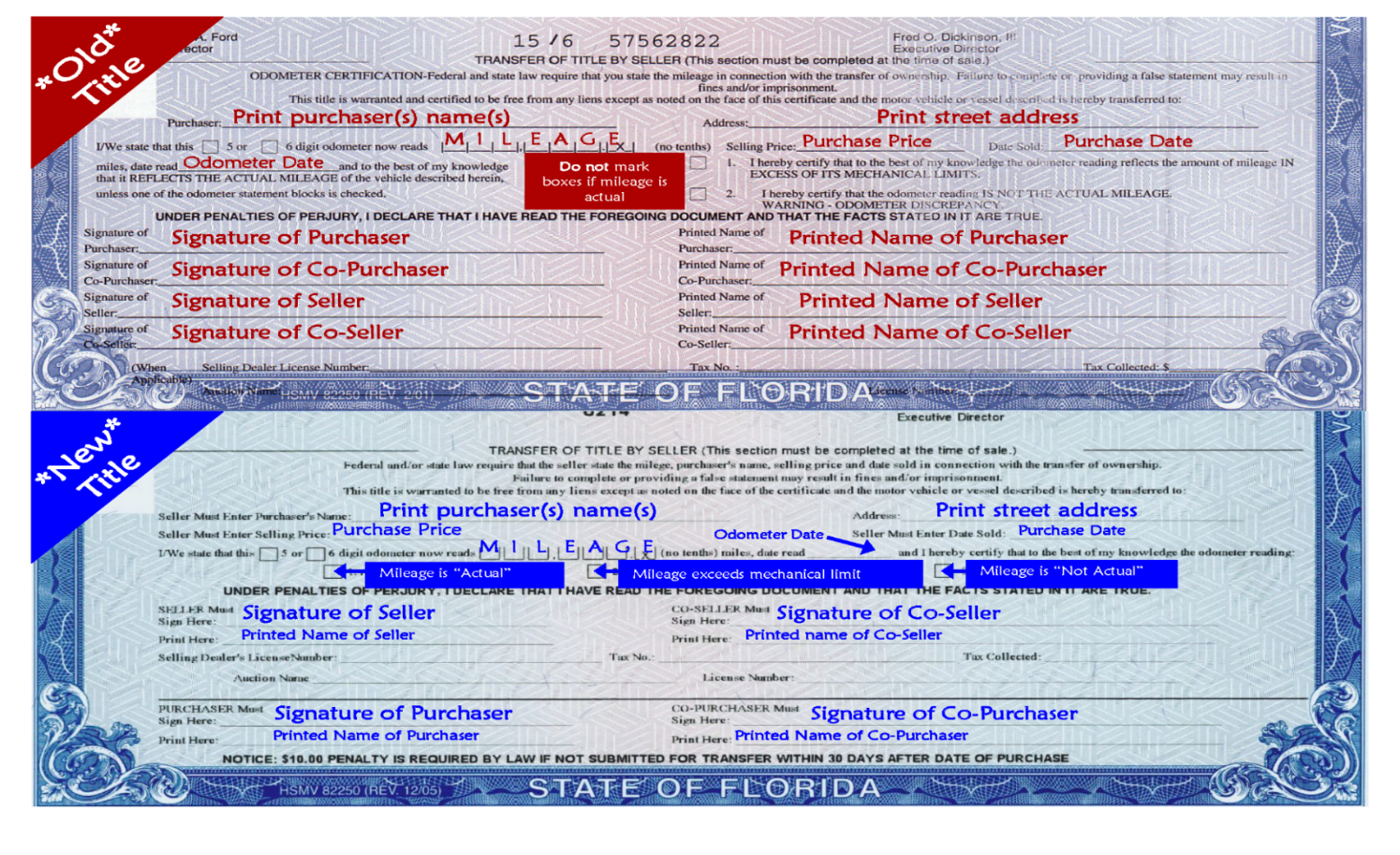
The most common pitfall in any title process, whether electronic or paper, is inaccurate information. Always double-check names, addresses, VINs, and odometer readings. Errors can delay the process and require additional steps to correct. When purchasing a vehicle, ensure the seller’s information matches the title precisely. For those bringing vehicles into Florida, ensure all out-of-state documentation is correct before beginning the Florida title application. Accuracy from the outset is your best defense against future headaches.
Understanding Florida DMV Services
While the title is electronic, you’ll still interact with the Florida DMV system, primarily through the local Tax Collector’s offices or authorized private tag agencies. These offices facilitate initial registrations, title transfers, and can assist with any questions regarding your electronic title. Familiarize yourself with the services offered at your local office and their operating hours. Many offer online appointment scheduling, which can save considerable time—a valuable commodity for anyone with a packed Florida itinerary. The DHSMV website is also an excellent resource for forms and information.
Future-Proofing Your Vehicle Ownership
Embracing the electronic title system is a step towards future-proofing your vehicle ownership in Florida. Keep your contact information (especially your mailing address) updated with the DHSMV to ensure you receive any important notifications. Understand that while the title is digital, you are still the legal owner, and all responsibilities associated with ownership remain. By staying informed and utilizing the digital tools available, you can ensure that your vehicle assets are managed efficiently, securely, and seamlessly, allowing you to fully immerse yourself in the vibrant and dynamic Florida lifestyle. The electronic title isn’t just a document; it’s a foundation for worry-free driving and a symbol of modern convenience in the Sunshine State.
LifeOutOfTheBox is a participant in the Amazon Services LLC Associates Program, an affiliate advertising program designed to provide a means for sites to earn advertising fees by advertising and linking to Amazon.com. Amazon, the Amazon logo, AmazonSupply, and the AmazonSupply logo are trademarks of Amazon.com, Inc. or its affiliates. As an Amazon Associate we earn affiliate commissions from qualifying purchases.