
Embarking on a cross-country journey across the United States is a quintessential American experience, a testament to the nation’s vastness and diverse landscapes. For many, the idea of traveling from the bustling urban heart of Chicago, Illinois, to the sun-drenched shores of California represents the ultimate adventure. This journey isn’t just about covering miles; it’s about traversing time zones, witnessing dramatic shifts in topography, and immersing oneself in the rich tapestry of American culture. The question “How far is California from Chicago?” isn’t a simple one with a single answer, as California is a vast state, and the travel distance depends heavily on the specific destination within it and the chosen mode of transport. However, by understanding the general geographic span and the various ways to make this epic trek, aspiring travelers can transform a daunting distance into an unforgettable expedition.
The Geographic Span: Understanding the Distance
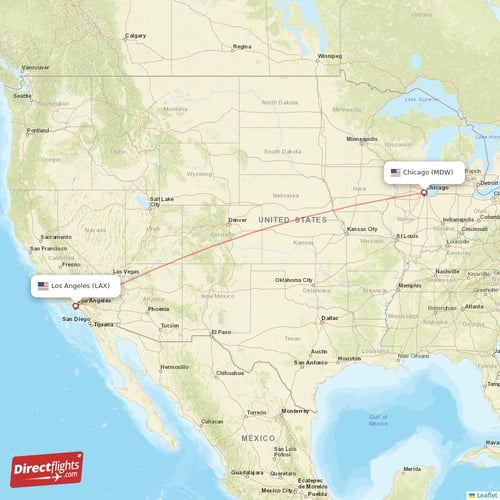
The vast expanse separating Chicago in the Midwest from California on the West Coast covers thousands of miles and several states. This immense geographical divide means that the “distance” is not a fixed number but rather a range, varying by the specific origin and destination points and the path taken.
Straight-Line vs. Driving Distance
When considering the distance, it’s crucial to distinguish between an “as the crow flies” (straight-line or aerial) distance and the actual driving distance, which accounts for road networks, terrain, and practical routes. The straight-line distance between Chicago and a major California city like Los Angeles is approximately 1,750 miles (2,816 kilometers). However, no road runs perfectly straight across the continent.
For drivers, the journey will typically involve navigating major interstate highways that weave through mountains, plains, and deserts. This significantly extends the total mileage. For example, the driving distance can range from:
- Chicago to Los Angeles: Approximately 2,000 to 2,200 miles (3,200 to 3,540 kilometers), depending on the exact route taken. This typically translates to a driving time of 30-35 hours if driven continuously, though realistically, it requires 3-5 days with stops.
- Chicago to San Francisco: Roughly 2,100 to 2,300 miles (3,380 to 3,700 kilometers), leading to a similar driving time and duration.
- Chicago to San Diego: About 2,100 to 2,300 miles (3,380 to 3,700 kilometers).
These routes often pass through states like Iowa, Nebraska, Colorado, Utah, and Nevada, each offering its own unique vistas and attractions.
Key Cities as Reference Points
To provide a more concrete understanding, let’s consider distances and travel times to popular California destinations:
- Los Angeles: As a primary gateway to Southern California, Los Angeles is a common destination. Driving would typically involve routes like Interstate 80 to Salt Lake City then south, or Interstate 70 to Denver and then west on Interstate 15 through Las Vegas. Total drive time is approximately 30-35 hours without significant stops.
- San Francisco: Located further north along the coast, San Francisco presents a slightly longer journey. The most direct driving route generally follows Interstate 80 almost directly across the country. This can take 32-38 hours of continuous driving.
- San Diego: As the southernmost major city on the Pacific Ocean in California, San Diego is comparable in distance to Los Angeles, typically reached via similar routes that pass through Las Vegas.
Modes of Transportation: Weighing Your Options
The choice of how to travel from Chicago to California profoundly impacts the journey’s duration, cost, and overall experience. Each mode offers distinct advantages and disadvantages, catering to different travel preferences and budgets.
By Air: The Fastest Route
For those prioritizing speed and efficiency, flying is by far the quickest option. Direct flights from O’Hare International Airport (ORD) in Chicago to major California hubs like Los Angeles International Airport (LAX) or San Francisco International Airport (SFO) typically take between 4 to 5 hours. Accounting for check-in, security, boarding, and travel to/from airports, the total travel time from city center to city center usually falls within 7 to 9 hours. This mode is ideal for business travelers, those with limited vacation time, or anyone simply looking to minimize transit time. While often more expensive than other options, competitive airfares can frequently be found, especially when booked in advance.
By Road: The Quintessential American Road Trip
The drive from Chicago to California is the quintessential American road trip, offering unparalleled freedom and opportunities for exploration. As mentioned, the drive can take 3 to 5 days, covering 2,000-2,300 miles. This option is perfect for adventurers who wish to experience the diverse landscapes of the United States firsthand.
- Northern Routes (e.g., Interstate 80): These routes might take you through the vast plains of Nebraska, across the Rocky Mountains in Colorado or Wyoming, and then through the deserts of Utah and Nevada before reaching California. Notable stops could include Rocky Mountain National Park or Salt Lake City.
- Central Routes (e.g., Interstate 70 to Interstate 15): This path often brings travelers through Kansas, Colorado (with a possible detour to Denver), Utah, and then the vibrant city of Las Vegas before descending into California.
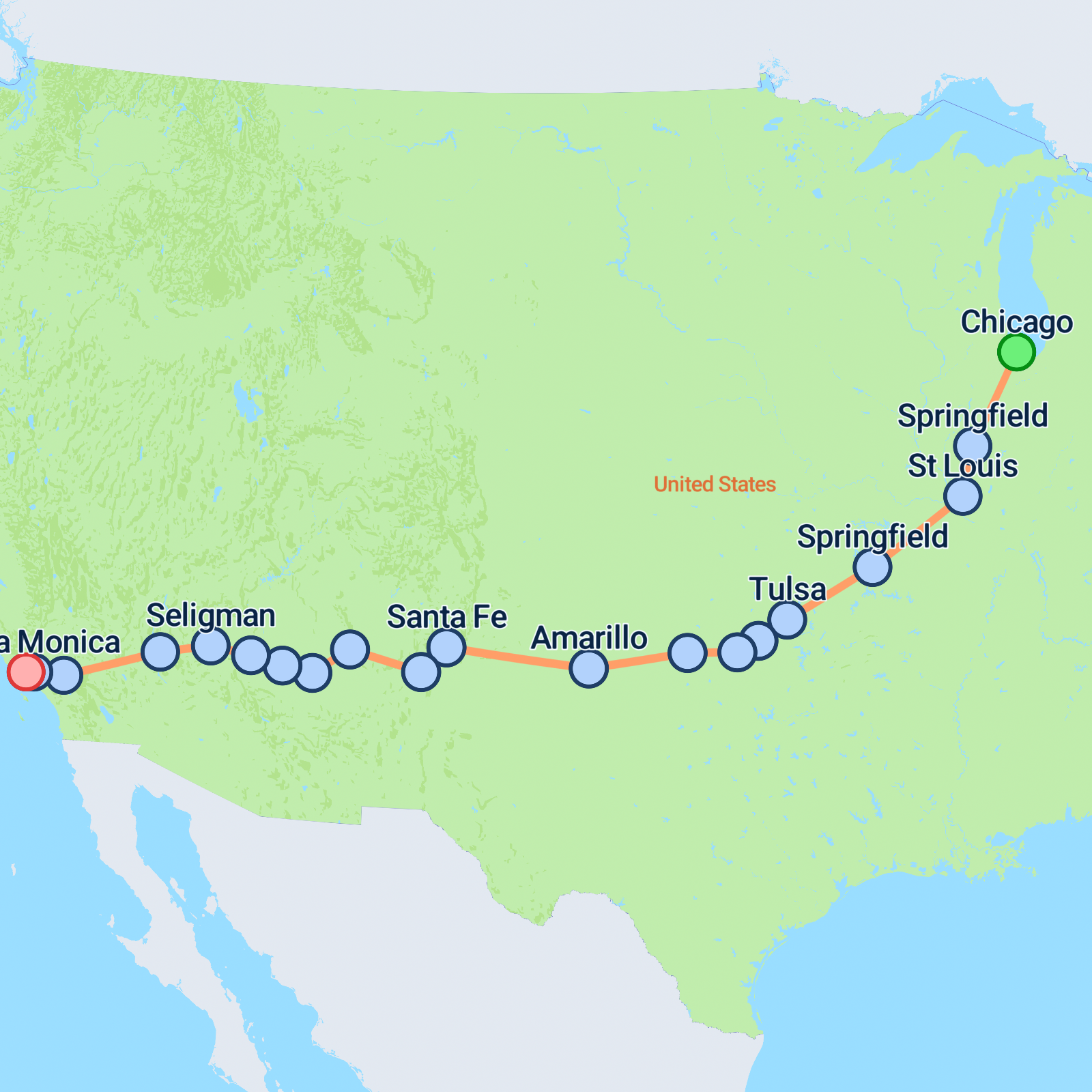
- Southern Routes (e.g., Interstate 40): Following sections of historic Route 66, this route goes through Missouri, Oklahoma, Texas, New Mexico, and Arizona, offering opportunities to visit iconic sites like the Grand Canyon National Park before arriving in Southern California.
The costs involve fuel, accommodations, food, and potential vehicle maintenance. This method offers the most flexibility for spontaneous detours and sightseeing.
By Rail: A Scenic Journey
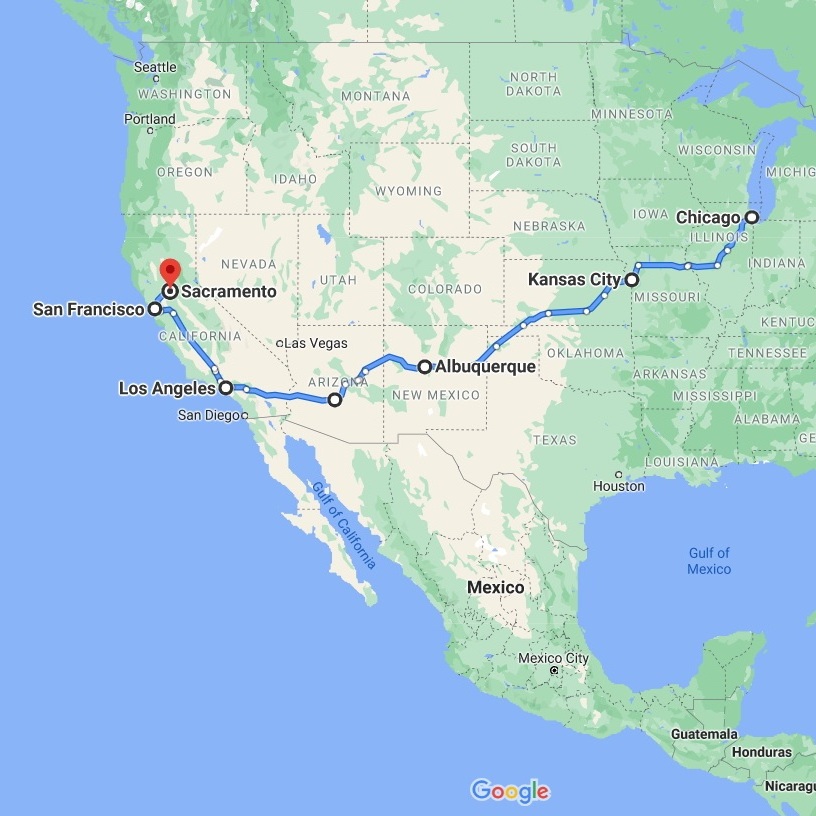
Traveling by train with Amtrak provides a unique and leisurely way to cross the country. While significantly slower than flying or driving, it offers comfortable seating, dining cars, and breathtaking views that are impossible to appreciate from a car or plane.
- Southwest Chief: This route departs from Chicago and heads southwest through Kansas City, Albuquerque, and Flagstaff, eventually reaching Los Angeles. The journey typically takes around 43 hours.
- California Zephyr: Regarded as one of the most scenic train routes in North America, the California Zephyr travels from Chicago through Omaha, Denver, Salt Lake City, and the Sierra Nevada mountains before arriving in the San Francisco Bay Area. This journey can take around 52 hours.
Train travel is ideal for those who prefer to relax, avoid the stresses of driving, and enjoy the scenery without the need to navigate or find parking.
By Bus: The Economical Choice
Bus travel, primarily offered by services like Greyhound, is generally the most economical option for cross-country travel. However, it is also the longest and often the least comfortable. A bus trip from Chicago to California can take anywhere from 1.5 to 2.5 days, including numerous stops and transfers. While it’s a budget-friendly way to cover the distance, the prolonged travel time and confined space might not appeal to everyone.
Planning Your Cross-Country Adventure
Regardless of the chosen mode, a successful journey from Chicago to California requires thoughtful planning. This epic trek involves more than just covering distance; it’s about preparing for the diverse conditions and making the most of the travel experience.
Factors Influencing Travel Time
Beyond the sheer mileage, several elements can significantly affect your total travel time:
- Weather Conditions: Especially during winter months, severe weather like snowstorms in the Midwest or Rocky Mountains can cause significant delays for drivers and trains, and even impact flights. Summer heat in the Southwest can also necessitate more frequent stops for drivers.
- Traffic: Major metropolitan areas like Chicago, Denver, Las Vegas, and California’s sprawling cities are notorious for traffic congestion, particularly during peak hours or holidays.
- Road Construction: Extensive stretches of interstate highways are often under construction, leading to lane closures and slower travel speeds.
- Breaks and Sightseeing: For road trips, the number and duration of stops for rest, meals, and exploring attractions like National Parks or charming small towns will directly impact the overall trip length.
Budgeting for Your Trip
The cost of your journey will vary widely depending on your chosen mode of transport and personal preferences.
- Flights: Airfares can range from $100-$400+ for a one-way economy ticket, with premium options being much higher. Factor in baggage fees, airport transfers, and potentially car rental at your destination.
- Driving: Estimate fuel costs based on your vehicle’s MPG and current gas prices, which fluctuate significantly across states. Budget for 3-5 nights of accommodation, meals, and potential tolls. Vehicle wear and tear should also be considered.
- Train: Amtrak tickets vary by class of service (coach, roomette, bedroom). A coach seat can be comparable to a budget flight, while private accommodations can be significantly more expensive. Food costs on the train should also be factored in.
- Bus: Generally the cheapest option, often under $100 for a one-way ticket, but with the trade-off of longer travel times and fewer amenities.
Essential Packing and Preparations
Regardless of how you travel, preparing adequately is key.
- Documentation: Always carry a valid ID. If driving, ensure your driver’s license, registration, and insurance are current.
- Navigation: While GPS is ubiquitous, a physical map or downloaded offline maps can be invaluable, especially in areas with spotty cell service.
- Emergency Kit: For drivers, a roadside emergency kit with jumper cables, a first-aid kit, flashlight, water, and snacks is crucial.
- Comfort Items: A neck pillow, blanket, entertainment (books, podcasts), and charging devices are essential for any long journey.
- Layered Clothing: The climate changes drastically from the Midwest’s humidity to the desert heat and California’s coastal breezes, so pack versatile clothing.
The Experience: More Than Just Distance
The journey from Chicago to California transcends mere mileage; it is a profound experience that offers unique perspectives on the United States. Whether you opt for the efficiency of air travel or the immersive adventure of a road trip, the transition from the bustling shores of Lake Michigan to the iconic landscapes of the Pacific Ocean is unforgettable.
The Allure of the Road Trip: Sights and Stops
A road trip allows for unparalleled freedom to explore the heartland of America. Imagine driving along a stretch of the historic Route 66, passing through quaint towns that time seems to have forgotten, or witnessing the majestic expanse of the Grand Canyon National Park in Arizona. The journey itself becomes the destination, with opportunities to visit diverse National Parks like Arches National Park in Utah, delve into the vibrant energy of Las Vegas, or explore the artistic enclaves of Santa Fe, New Mexico. Arriving in California, whether it’s the theme park thrills of Disneyland near Los Angeles, the glamour of Hollywood, or the architectural marvel of the Golden Gate Bridge and historic Alcatraz Island in San Francisco, the journey makes the destination even more rewarding.
The Convenience of Flight: Maximizing Time
While flying may skip the scenic overland journey, it maximizes your time at your California destination. For travelers eager to immediately immerse themselves in the surfing culture of Malibu, the vineyards of Napa Valley, or the natural splendor of Yosemite National Park, air travel offers a direct route to enjoyment. It allows for shorter trips, focusing entirely on the experience within California itself, from driving the stunning coastal highway through Big Sur to exploring the bustling ethnic neighborhoods of Los Angeles or San Francisco.
Embracing the Journey: Perspectives on Travel
Ultimately, the distance between California and Chicago is not just a number on a map. It represents an invitation to travel, to explore, and to understand the immense diversity of the United States. From the architectural wonders of the Mid-America cities to the rugged beauty of the Rocky Mountains and the vibrant culture of the West Coast, each mile offers a new story, a new vista, and a new memory. The choice of how to traverse this great distance is a personal one, but the promise of discovery remains constant, making any trip between these two iconic regions a truly valuable travel experience.
LifeOutOfTheBox is a participant in the Amazon Services LLC Associates Program, an affiliate advertising program designed to provide a means for sites to earn advertising fees by advertising and linking to Amazon.com. Amazon, the Amazon logo, AmazonSupply, and the AmazonSupply logo are trademarks of Amazon.com, Inc. or its affiliates. As an Amazon Associate we earn affiliate commissions from qualifying purchases.