
Florida, known globally as the Sunshine State, beckons millions of visitors each year with its pristine beaches, vibrant cities, and world-class attractions. From the magical theme parks of Orlando to the Art Deco splendor of Miami, it’s a destination that caters to diverse tastes. However, beyond the allure of tourism, Florida is also home to a significant population of seniors, a demographic that contributes richly to its community and economy. With the increase in both residents and visitors, understanding local public safety initiatives becomes paramount for everyone, especially those traveling with or caring for vulnerable individuals. One such critical initiative is the Silver Alert system. Designed to protect and swiftly locate missing seniors and other vulnerable adults with cognitive impairments, the Silver Alert is a vital tool that every resident and visitor in Florida should understand. For tourists, knowing about the Silver Alert isn’t just about civic responsibility; it’s a practical tip for ensuring a safer, more informed experience for themselves and their loved ones while enjoying all that the state has to offer.
Navigating Florida Safely: Understanding the Silver Alert System
The Silver Alert system in Florida stands as a beacon of hope and a critical safety net for one of the state’s most cherished populations: its vulnerable adults. While the state prides itself on hospitality and diverse experiences, it also demonstrates a deep commitment to the well-being of its residents and guests. Understanding the mechanics and purpose of the Silver Alert system is an essential “local tip” for anyone venturing into or residing in Florida, ensuring a more secure environment for everyone.
The Core Purpose of a Silver Alert
At its heart, a Silver Alert serves a singular, life-saving objective: the rapid recovery of missing persons who are vulnerable due to age or cognitive impairment. These individuals, often suffering from conditions like Alzheimer’s disease, dementia, or other neurological disorders, may become disoriented, unable to communicate their needs, or lost in unfamiliar surroundings. The system is designed to leverage public awareness and advanced communication networks to dramatically increase the chances of a safe and timely reunion with their caregivers or families. It recognizes that in such cases, every minute counts, as exposure to elements, lack of medication, or inability to care for oneself can quickly lead to severe consequences.
Distinguishing Silver Alert from Other Systems
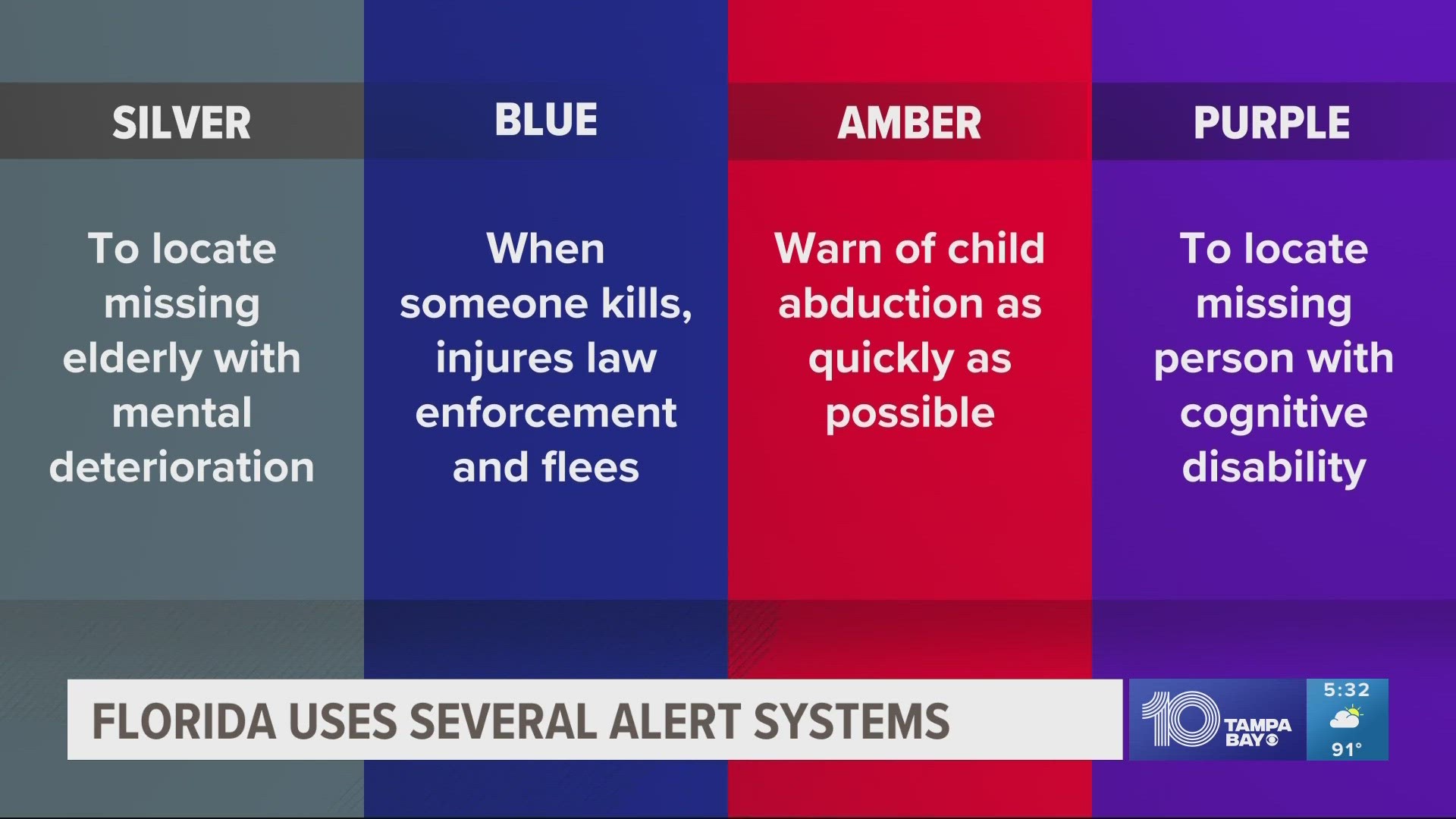
It’s important to understand that the Silver Alert operates within a broader spectrum of public safety alerts but has a distinct focus. Unlike an Amber Alert, which is exclusively dedicated to missing children believed to be in danger, or a Law Enforcement Officer (LEO) Alert, which pertains to suspects in crimes involving serious injury or death to law enforcement officers, the Silver Alert is specifically tailored for vulnerable adults. This specialization allows for targeted criteria, communication strategies, and public engagement that best serve this particular demographic. Its unique parameters ensure that resources are appropriately allocated and public attention is directed to cases where individuals are often at a high risk due to their impaired judgment or inability to seek help.
The Statewide Network
The effectiveness of the Silver Alert system in Florida is largely due to its comprehensive, statewide network. When an alert is issued, it doesn’t just stay localized; it taps into a vast array of communication channels designed to reach as many people as possible across the entire state or within specified geographical areas. This includes broadcasting on television and radio, posting messages on digital highway signs, distributing information via social media, and engaging with various community partners. For visitors, this means that even when enjoying a relaxing vacation, you might encounter or receive an alert. Being aware of this network, its purpose, and how to respond is a crucial aspect of informed travel, highlighting [Florida](https://of thebox.com/florida)’s commitment to community safety, which extends to everyone within its borders.
Protecting Vulnerable Travelers: Criteria for a Silver Alert in Florida
For families considering a trip to Florida with elderly relatives or individuals with cognitive impairments, understanding the specific criteria that trigger a Silver Alert is not merely informational—it’s a critical aspect of responsible travel planning. Knowing what constitutes a “vulnerable adult” and the conditions under which an alert is issued can help families understand the safety net available and reinforce the importance of proactive measures.
Who Qualifies as a “Vulnerable Adult”?
In Florida, a “vulnerable adult” for the purpose of a Silver Alert typically refers to someone 60 years of age or older who has a cognitive impairment. This impairment is usually characterized by conditions such as Alzheimer’s disease, dementia, or other documented neurological disorders that affect judgment, memory, and the ability to make sound decisions or care for oneself. The age criterion is a general guideline, as the primary factor is the cognitive impairment and the resultant vulnerability. It’s crucial that this impairment is documented, often through a medical diagnosis, as this helps law enforcement confirm the need for an alert. The system is designed to protect those who are truly unable to protect themselves, recognizing the unique challenges faced by individuals with these conditions when they become disoriented or lost.
The Imminent Danger Clause
A key component for activating a Silver Alert is the determination that the missing vulnerable adult is believed to be in “imminent danger.” This is not an arbitrary standard; it requires law enforcement to assess that the individual’s disappearance, combined with their cognitive impairment, places them at a significant and immediate risk of harm, injury, or death. This danger could stem from various factors: exposure to harsh weather conditions, inability to access necessary medication, lack of food or water, wandering into hazardous areas, or susceptibility to exploitation. The “imminent danger” clause ensures that the Silver Alert system is reserved for the most urgent and critical cases, preventing over-alerting and maintaining public responsiveness for genuine emergencies. It underscores the urgency with which these situations are treated by authorities, recognizing the direct link between a person’s cognitive state and their heightened vulnerability in an unknown or uncontrolled environment.
Reporting a Missing Person: The Initial Steps
If a loved one who meets the criteria for a vulnerable adult goes missing in Florida, the immediate and most crucial first step is to contact local law enforcement. This means calling 911 or the local police department or sheriff’s office. Reporting to local authorities initiates the official process, allowing them to gather vital information: the missing person’s description, last known location, clothing, any identifying features, and details about their cognitive impairment and medical needs. It’s only after law enforcement has completed an initial investigation and determined that the missing individual meets all the Silver Alert criteria that they can then request the activation of a statewide or regional alert through the Florida Department of Law Enforcement (FDLE). This systematic approach ensures that every alert issued is justified, timely, and effectively supported by proper investigative groundwork, maximizing the chances of a successful outcome.
From Activation to Awareness: How Silver Alerts Reach Floridians and Visitors
The effectiveness of Florida’s Silver Alert system hinges on its robust communication infrastructure, designed to rapidly disseminate critical information to the broadest possible audience. For anyone visiting the Sunshine State, understanding how these alerts reach the public is crucial for staying informed and potentially aiding in a search. It’s a testament to Florida’s proactive approach to public safety that integrates various technological and community channels.
The Role of the Florida Department of Law Enforcement (FDLE)
At the core of the Silver Alert activation process is the Florida Department of Law Enforcement (FDLE). Once a local law enforcement agency determines that a missing vulnerable adult meets all the Silver Alert criteria, they submit a request to the FDLE. The FDLE acts as the central coordinating authority, reviewing the request, verifying the information, and if approved, activating the alert across the state or a specified region. Their command center operates 24/7, ensuring that alerts can be issued at any time, day or night. This centralized control ensures consistency, accuracy, and efficiency in the deployment of alerts, preventing confusion and maximizing the system’s impact. The FDLE’s crucial role underscores the official and serious nature of each Silver Alert.
Dissemination Channels
Upon activation, Silver Alerts are broadcast through a sophisticated multi-channel network designed to saturate the public space with relevant information.
- Emergency Alert System (EAS): This system interrupts regular programming on television and radio stations, delivering concise messages about the missing individual.
- Dynamic Message Signs (DMS): Operated by the Florida Department of Transportation, these electronic signs prominently displayed on major highways and roadways flash critical details, such as vehicle descriptions, to drivers.
- Media Broadcasts: Television and radio news outlets often pick up on Silver Alerts as breaking news, providing more in-depth reports and images.
- Social Media: Official accounts of the FDLE, local law enforcement agencies, and other state partners actively share alert information on platforms like Facebook and Twitter, leveraging the power of public sharing.
- Wireless Emergency Alerts (WEA): For cell phone users in the designated alert area, WEA sends text-like messages directly to mobile devices, providing immediate notifications.
- Partnerships with Businesses: Florida also leverages partnerships with various businesses, including convenience stores, truck stops, and rest areas, which display posters and disseminate information to their patrons and staff.
Geographical Targeting
A crucial aspect of Silver Alert dissemination is its ability to be geographically targeted. While some alerts, especially those involving long-distance travel, might be issued statewide, many are focused on specific counties or regions. This ensures that the public in the most relevant areas receives the alert, preventing unnecessary widespread panic and maintaining the impact of the message. For tourists, this means that an alert received on your phone via WEA is likely pertinent to your immediate surroundings or your travel route, making it even more important to pay attention to the details provided. This strategic targeting reflects a thoughtful approach to public safety, balancing broad reach with localized relevance.
Your Role in Community Safety: Responding to a Silver Alert in the Sunshine State
For both permanent residents and temporary visitors enjoying the vibrant culture and attractions of Florida, understanding how to respond to a Silver Alert is an invaluable piece of local knowledge. It transforms you from a passive recipient of information into an active participant in community safety, potentially making a life-saving difference. Being prepared to act responsibly is a key “tip” for anyone spending time in the Sunshine State.
What to Do if You Receive an Alert
Receiving a Silver Alert, whether via a highway sign, a broadcast, or on your cell phone, requires immediate attention and a clear course of action.
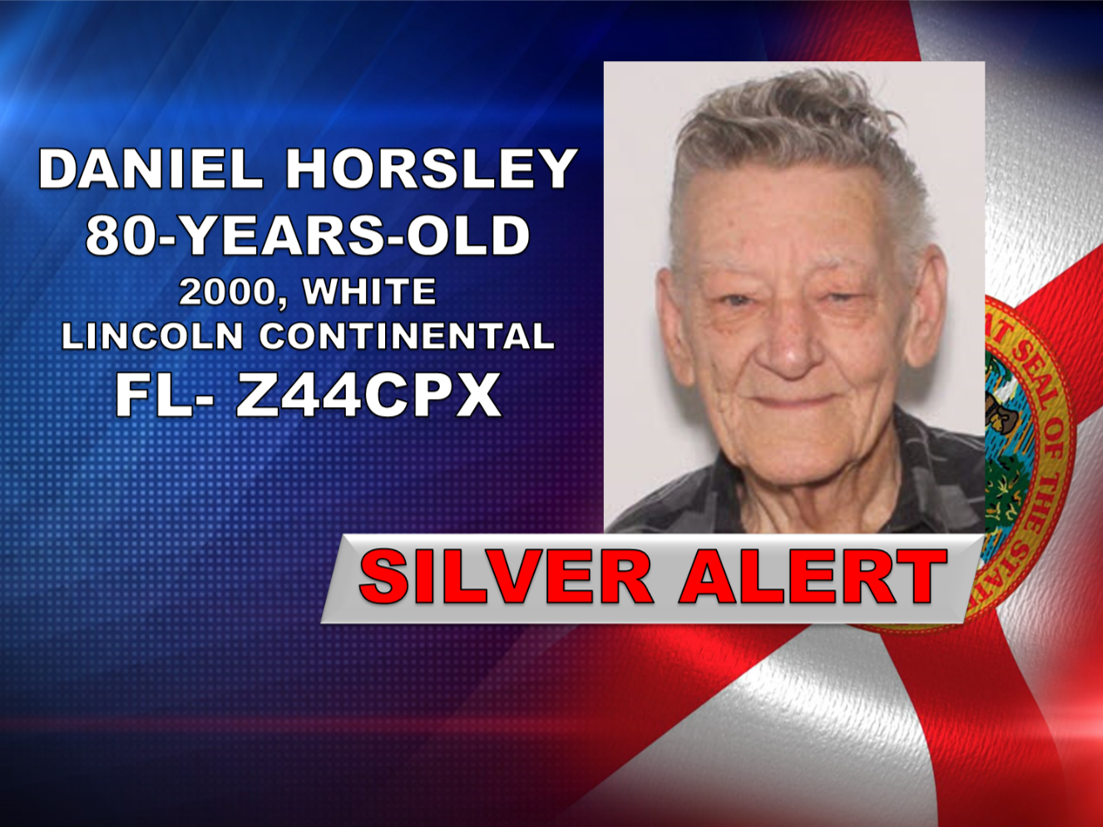
- Pay Attention to Details: Carefully note the description of the missing person (age, gender, height, weight, hair color, clothing), their last known location, and any details about a suspected vehicle (make, model, color, license plate). These specifics are crucial for identification.
- Do NOT Approach or Attempt to Apprehend: It’s vital to remember that these individuals are often disoriented or confused, and approaching them directly, especially if you are a stranger, could frighten them or escalate the situation. Their safety is paramount, and your role is to report, not to intervene physically.
- Call 911 Immediately: If you spot an individual matching the description of a Silver Alert, or their vehicle, do not hesitate to call 911. Provide law enforcement with precise details about their current location, the direction they are headed, and any other pertinent observations.
- Provide Specific Details to Law Enforcement: When speaking with 911 dispatchers, be as clear and concise as possible. Mention that you are reporting a Silver Alert sighting. Detail the exact time and location of the sighting, a full description of the person or vehicle, and any other contextual information that might be helpful. Your accurate observations can significantly narrow the search area and expedite recovery.
Enhancing Awareness in Tourist Areas
In popular tourist destinations like Orlando or Miami, the influx of visitors means there are many eyes and ears that can contribute to a search. It’s especially important for individuals working in the hospitality sector—hotel staff, theme park employees, restaurant workers, and tour operators—to be particularly attuned to Silver Alerts. Training and awareness programs for these sectors can significantly enhance the effectiveness of the system, as these professionals are often on the front lines, interacting with the public daily. For fellow tourists, simply being aware and sharing information within your travel group can create a wider net of vigilance, embodying a shared responsibility for community safety.
The Power of Social Media Sharing
In today’s interconnected world, social media plays a critical role in amplifying Silver Alerts. While the official channels are highly effective, the rapid and widespread sharing of official alert messages by the public can dramatically expand reach. If you see an official Silver Alert posted by a law enforcement agency on platforms like Facebook or X (formerly Twitter), consider sharing it with your network, especially if you are in the relevant geographical area. However, always ensure you are sharing official posts to avoid spreading misinformation. This collective digital vigilance can lead to quicker sightings and more successful resolutions, turning every smartphone into a potential tool for good.
Proactive Measures: Traveling Responsibly with Cognitive Impairments in Florida
Traveling with a family member who has a cognitive impairment requires careful planning and extra precautions, especially when visiting a bustling state like Florida. While the Silver Alert system provides a crucial safety net, proactive measures taken before and during your trip can significantly reduce risks and ensure a more enjoyable and secure experience for everyone. These “tourism tips” are essential for responsible and worry-free travel.
Pre-Trip Planning and Identification
Before even setting foot in Florida, meticulous planning is your first line of defense.
- Carry Up-to-Date Identification: Ensure your loved one has proper identification on them at all times. This could be a wallet card, a discreet identification tag sewn into clothing, or a medical alert bracelet that clearly states their name, contact information for caregivers, and their cognitive condition (e.g., “Has Alzheimer’s – please call…”).
- Medical Information: Have a readily accessible list of their medical conditions, medications, and contact details for their physician. This can be critical for first responders.
- Recent Photos: Carry several recent, clear photos of your loved one. These can be invaluable for law enforcement if they go missing, providing an accurate visual reference.
- Wander-Prevention Devices: Consider personal alarms or discreet GPS trackers that can be worn as a pendant or watch.
Communication and Supervision Strategies
During your trip, continuous vigilance and clear communication are paramount, especially in crowded environments.
- Constant Companionship: Never leave an individual with cognitive impairment unsupervised, particularly in busy areas like Orlando theme parks, Miami beaches, or shopping centers. Assign a dedicated “buddy” or caregiver.
- Establish a Meeting Point: In large venues, pre-designate a specific, easy-to-find meeting point should you become separated.
- Dress Strategically: Have your loved one wear bright, easily identifiable clothing.
- Maintain Routines: Try to stick to their usual routines as much as possible to minimize disorientation and anxiety.
- Inform Your Group: Ensure everyone in your travel party understands the situation and knows what to do if the individual wanders off.
Utilizing Technology for Safety
Modern technology offers several tools that can enhance safety and provide peace of mind.
- GPS Trackers and Wearable Devices: Beyond simple IDs, consider more advanced GPS-enabled devices. These can be wristbands, shoe inserts, or small clip-on devices that allow you to track your loved one’s location in real-time via a smartphone app.
- Mobile Apps: Some apps are specifically designed for caregivers of individuals with dementia, offering features like location tracking, medication reminders, and safety checklists.
- “Return Home” Programs: Look into services or programs that provide specific ID tags linked to a 24/7 hotline that can assist in reuniting lost individuals with their families.

Informing Accommodations and Tour Operators
Proactive communication with service providers can also be a significant safety measure.
- Notify Hotel Staff: Inform your hotel’s front desk and management about your companion’s condition upon check-in. Provide them with a photo and contact information. Request a room that might be safer (e.g., not near exits, on a lower floor if possible).
- Inform Tour Guides/Operators: If you are participating in guided tours or activities, discreetly inform your guide or operator about your loved one’s condition. They can then be more attentive and provide assistance if needed.
- Cruise Lines: If traveling on a cruise originating from Florida, communicate with the cruise line in advance about any special needs or concerns.
In conclusion, while Florida is a welcoming and vibrant destination, understanding the Silver Alert system and implementing proactive safety measures are crucial for ensuring a safe and enjoyable experience for all, especially those traveling with vulnerable adults. It’s a testament to the state’s commitment to protecting its population and providing valuable “tourism tips” that extend beyond attractions to encompass comprehensive well-being. By being informed and prepared, residents and visitors alike contribute to a safer, more compassionate Florida for everyone.
LifeOutOfTheBox is a participant in the Amazon Services LLC Associates Program, an affiliate advertising program designed to provide a means for sites to earn advertising fees by advertising and linking to Amazon.com. Amazon, the Amazon logo, AmazonSupply, and the AmazonSupply logo are trademarks of Amazon.com, Inc. or its affiliates. As an Amazon Associate we earn affiliate commissions from qualifying purchases.