
The vast expanse of the United States offers a multitude of travel opportunities, and understanding the distance between major hubs is often the first step in planning an unforgettable journey. For many, the thought of traversing the country from the vibrant energy of Houston, Texas, to the diverse landscapes of California sparks curiosity and wanderlust. This comprehensive guide delves into the specifics of this trans-state journey, offering insights into distances, travel times, and essential considerations for your expedition.
Understanding the Geographical Divide
At first glance, California and Houston appear to be on opposite ends of a large country, and geographically, they are separated by a significant stretch of terrain. The distance isn’t uniform across California, as it’s a large state spanning over 800 miles from north to south. Therefore, the exact mileage will depend on your specific destination within the Golden State.

The Straight Line vs. The Open Road
The “as the crow flies” distance, or great-circle distance, between Houston and a central point in California like Los Angeles is approximately 1,380 miles (2,221 kilometers). However, this direct air distance rarely translates to practical travel. When planning a road trip or even considering flight paths, actual travel distances are longer due to geographical features, road networks, and air traffic control routing.
For road travel, the most common routes between Houston and major California cities typically range from 1,500 to 1,800 miles. For example:
- Houston to Los Angeles: Approximately 1,550 to 1,600 miles (2,495 – 2,575 km), primarily via Interstate 10 (I-10).
- Houston to San Francisco: Around 1,800 miles (2,897 km), often involving I-10 westward and then connecting to routes like Interstate 5 (I-5) north through California.
- Houston to San Diego: Roughly 1,500 miles (2,414 km), also predominantly following I-10 and then veering south towards the coast.
These distances highlight that the journey is a significant undertaking, requiring careful planning regardless of the chosen mode of transport.
Key Entry Points to California
When traveling from Houston to California, several cities serve as primary entry points, each offering a unique gateway to the state’s diverse attractions. Los Angeles is arguably the most common destination, known for its entertainment industry, beaches, and vibrant culture. San Diego, further south, offers a more relaxed coastal atmosphere, famous for its parks and proximity to the Mexican border. To the north, San Francisco captivates with its iconic bridges, historic cable cars, and dynamic culinary scene. Inland, cities like Palm Springs or Sacramento (the state capital) also serve as significant destinations, though they might involve slight deviations from the most direct routes from Houston. Understanding your final destination within California is crucial for accurate distance and time calculations.
Modes of Travel and Their Timeframes
The choice of travel dictates not only the journey’s duration but also the experience itself. Each mode offers distinct advantages and caters to different preferences and budgets.
Driving: The Classic American Road Trip
Driving from Houston to California is a quintessential American road trip, offering unparalleled flexibility and the chance to explore hidden gems along the way.
- Distance & Time: As noted, distances range from 1,500 to 1,800 miles. At an average driving speed (factoring in stops for fuel, food, and rest), this journey typically takes 22 to 28 hours of pure driving time.
- Recommended Stops: To ensure safety and enjoyment, breaking the trip into at least 2 to 3 days is highly advisable. Common overnight stops might include cities like El Paso, Texas, or Tucson / Phoenix, Arizona, depending on your pace and ultimate destination in California.
- Routes: The primary route is I-10 West, which offers a relatively straight path through Texas, New Mexico, and Arizona before reaching California. An alternative, slightly longer route for those heading further north in California or wishing to see different landscapes, involves taking Interstate 20 (I-20) from Dallas or Fort Worth and connecting to Interstate 40 (I-40) through Oklahoma and Arizona, potentially passing near the Grand Canyon.
Flying: The Fastest Connection
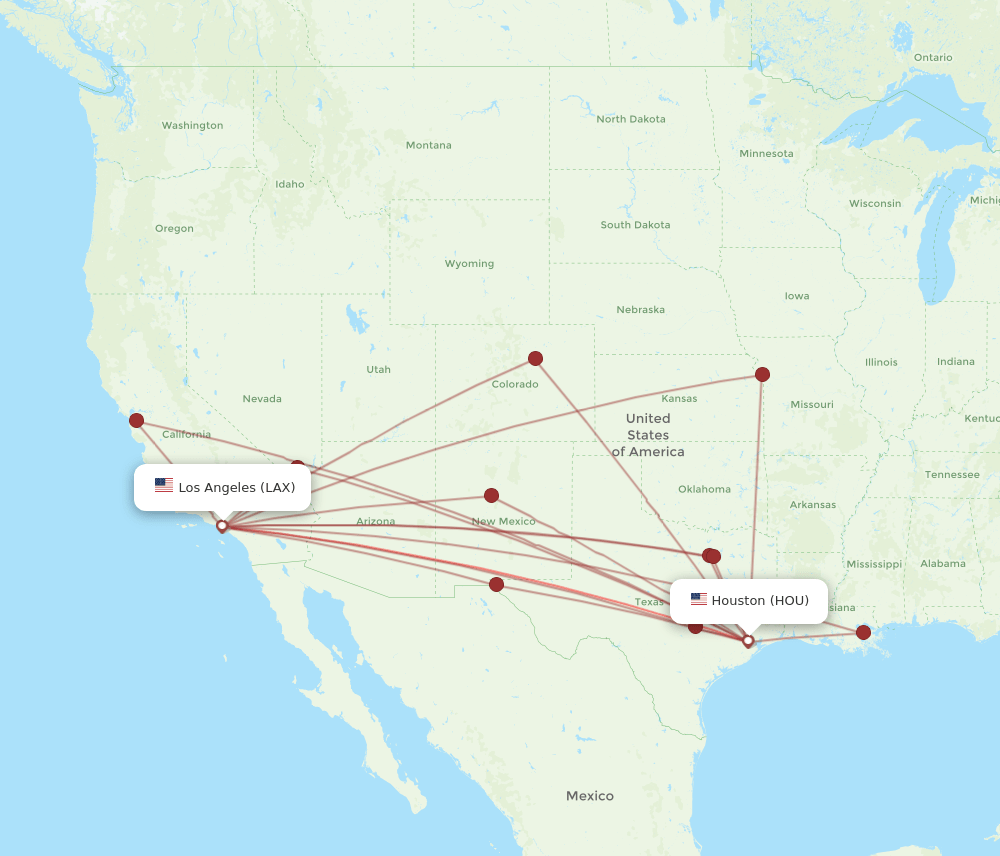
For those prioritizing speed and minimizing travel time, flying is the unequivocal choice.
- Duration: Direct flights from George Bush Intercontinental Airport (IAH) in Houston to major California airports like Los Angeles International (LAX), San Francisco International (SFO), or San Diego International (SAN) typically range from 3 to 4 hours.
- Total Travel Time: When accounting for airport check-in, security, boarding, and travel to and from the airports, the total door-to-door travel time generally extends to 6-8 hours.
- Airlines: Major carriers such as United Airlines, Southwest Airlines, American Airlines, Delta Air Lines, and budget airlines like Spirit Airlines or Frontier Airlines offer frequent services on this route.
Bus and Train Travel: Scenic and Economical Alternatives
While significantly slower than flying, bus and train services offer a unique perspective on the journey, often at a lower cost, and with the added benefit of not having to drive.
- Bus (e.g., Greyhound):
- Duration: Bus journeys are the longest, usually taking 28 to 36 hours or more, depending on connections and layovers. This mode is best suited for budget travelers or those who enjoy slow travel.
- Experience: Buses make numerous stops, allowing passengers to see various towns and cities. Amenities typically include reclining seats, Wi-Fi, and power outlets.
- Train (e.g., Amtrak):
- Duration: Amtrak’s Sunset Limited route connects New Orleans to Los Angeles, passing through Houston. The journey from Houston to Los Angeles typically takes around 30-35 hours.
- Experience: Train travel offers a more comfortable and scenic experience than bus travel, with options for sleeper cars, dining cars, and observation decks. It’s a journey for those who appreciate the romance of rail travel and aren’t in a hurry.
Planning Your Journey: Essential Considerations
Regardless of your chosen mode of transport, thorough planning is key to a smooth and enjoyable trip from Houston to California.
Route Selection and Scenic Drives
For drivers, selecting the right route is paramount. While I-10 is the most direct, there are opportunities for scenic detours.
- Southern Route (I-10): This route takes you through the desert landscapes of West Texas, New Mexico, and Arizona. Points of interest include Saguaro National Park near Tucson and the vibrant city of Phoenix. As you enter California, consider a detour to Joshua Tree National Park for its unique desert flora.
- Northern Detour (via I-40): If you’re heading to Northern California or want a different view, you could aim for I-40 which goes through Oklahoma City, Oklahoma, and Flagstaff, Arizona. This route offers opportunities to visit the Grand Canyon or sections of historic Route 66. Be aware that I-40 will eventually require a connection south to I-15 or US-95 to reach central and southern California destinations.
Always consult GPS or mapping applications for real-time traffic updates and the most efficient routes, especially when passing through large cities like Phoenix or Los Angeles.
Budgeting for the Trip
Cost is a significant factor in travel planning.
- Driving: Fuel costs will be substantial for a 1,500-1,800 mile journey. Factor in at least 3-4 full tanks of gas. Additionally, budget for overnight accommodations, food, and potential vehicle maintenance checks before departure. Tolls are generally minimal on this route but can occur in certain areas.
- Flying: Airfare can vary wildly based on the time of year, booking in advance, and airline choice. Budget airlines often offer competitive rates, but always check baggage fees.
- Bus/Train: These are generally the most economical options, though train sleeper cars can be an added luxury that increases costs. Factor in food costs for the longer duration of travel.
Preparing for Long-Haul Travel
Regardless of the method, traveling from Houston to California is a long journey.
- For Drivers: Ensure your vehicle is in excellent condition, including tire pressure, oil, and fluid levels. Pack an emergency kit, snacks, water, and plan regular stops every few hours to avoid driver fatigue. Consider traveling with a companion for shared driving duties.
- For Fliers: Book flights well in advance for better rates. Pack light to avoid checked bag fees if possible. Arrive at the airport early.
- For Bus/Train Passengers: Bring entertainment (books, loaded devices), comfortable clothing, snacks, and drinks. Neck pillows and blankets can enhance comfort.

What to Expect Along the Way
The journey from Houston to California traverses several distinct geographical and cultural regions. After leaving the humid plains of Texas, you’ll encounter the rugged beauty of New Mexico’s high desert, often characterized by dramatic mesas and clear skies. Arizona brings further desert landscapes, dotted with saguaro cacti and offering stunning sunsets. As you cross into California, depending on your entry point, you might first encounter the vast, dry Mojave Desert before reaching the more fertile valleys or the iconic coastal regions. Each state offers unique roadside attractions, local cuisines, and historical sites, adding layers to the travel experience beyond just covering distance.
Ultimately, the question of “how far” extends beyond mere mileage to encompass the time, effort, and rich experiences awaiting travelers undertaking this significant cross-country adventure. Whether by car, plane, or rail, the journey from Houston to California is an exploration in itself.
LifeOutOfTheBox is a participant in the Amazon Services LLC Associates Program, an affiliate advertising program designed to provide a means for sites to earn advertising fees by advertising and linking to Amazon.com. Amazon, the Amazon logo, AmazonSupply, and the AmazonSupply logo are trademarks of Amazon.com, Inc. or its affiliates. As an Amazon Associate we earn affiliate commissions from qualifying purchases.