
The allure of Las Vegas, with its vibrant nightlife, world-class entertainment, and luxurious resorts, often beckons travelers from its neighboring state of California. Understanding the distance and various travel options between these two dynamic destinations is paramount for planning a seamless and enjoyable journey. Whether you’re seeking a quick weekend escape or a more extended adventure, the proximity of California to Las Vegas makes it an accessible and frequently traveled route, offering a spectrum of experiences from scenic drives through the desert to swift flights.
The Geographical Overview
While California shares a direct border with Nevada, the sheer size of the Golden State means that the distance to Las Vegas can vary significantly depending on your starting point. Generally, the journey involves traversing a substantial portion of the Mojave Desert, a landscape that is both starkly beautiful and historically significant.

California’s Vastness and Las Vegas’ Proximity
California stretches over nearly 800 miles from north to south, encompassing diverse geographies from pristine coastlines to towering mountains and arid deserts. Las Vegas is situated in southern Nevada, relatively close to California’s eastern border. This geographical positioning makes it a popular destination for residents of Southern California, who often find the drive to be manageable for a short trip. For those starting from Northern California, the journey naturally extends, sometimes making flying a more practical option. The routes are well-established, offering travelers clear paths and necessary amenities along the way.
Key Distances from Major California Cities
To provide a clearer picture, here are estimated distances and driving times from some of California’s major urban centers to Las Vegas:
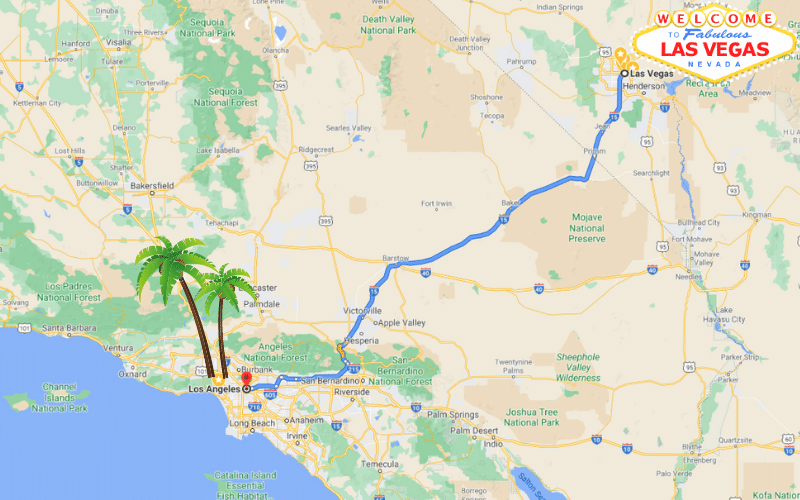
- From Los Angeles, CA: Approximately 270 miles (435 km). The drive typically takes around 4 to 5 hours, depending heavily on traffic conditions, particularly when departing or arriving in Los Angeles. The primary route is via Interstate 15.
- From San Diego, CA: Roughly 330 miles (530 km). The journey usually lasts about 5 to 6 hours. While many travel north to connect with I-15, an alternative involves Interstate 40 for a portion of the trip, which can be longer but sometimes less congested.
- From San Francisco, CA: Around 560 miles (900 km). This is a significantly longer drive, typically requiring 8 to 10 hours of travel time without major stops. Many travelers from San Francisco opt for flying due to the substantial driving distance, often considering it a multi-day road trip if driving.
- From Sacramento, CA: Approximately 510 miles (820 km). Similar to San Francisco, this journey takes about 8 to 9 hours by car, often prompting travelers to consider air travel.
These figures are estimates and can be influenced by factors such as road construction, unexpected detours, and, most notably, traffic congestion, especially on weekends and holidays when many flock to Las Vegas.
Driving: The Most Popular Route
Driving remains the preferred mode of transport for many traveling from California to Las Vegas, offering flexibility, the ability to carry more luggage, and the freedom to explore at one’s own pace. The drive itself is often considered part of the experience, with unique desert landscapes and points of interest along the way.
The I-15 Corridor
The primary artery connecting Southern California to Las Vegas is Interstate 15. This well-maintained highway traverses the vast Mojave Desert, offering a relatively direct path. For much of the journey, the highway is a multi-lane expanse, designed to handle high volumes of traffic. However, bottlenecks can occur at various points, particularly around major cities like Barstow, California, and closer to Las Vegas itself. On holiday weekends, travel times can easily extend by several hours.
Essential Stops and Scenic Detours
The drive along I-15 offers opportunities for breaks and unique sights:
- Barstow, CA: A common stop for fuel, food, and restrooms. It’s roughly halfway for Los Angeles travelers and offers a glimpse into historic Route 66 culture.
- Primm, NV: Located just across the Nevada border, Primm is home to several casinos, outlet shopping, and even a roller coaster, making it a popular first (or last) stop for many.
- Mojave National Preserve: For those with extra time, a detour into the Mojave National Preserve (accessible via various exits from I-15) offers stunning desert landscapes, volcanic cinder cones, and the world’s largest Joshua tree forest.
- Hoover Dam and Lake Mead: A slight diversion east of Las Vegas leads to these iconic landmarks. Hoover Dam is an engineering marvel, and Lake Mead offers recreational opportunities. This is an excellent addition for those driving in.
- Death Valley National Park: While a more significant detour, especially from Southern California, Death Valley National Park offers an unparalleled experience of extreme desert beauty, record-breaking temperatures, and unique geological formations. It’s best visited during cooler months.
Planning for the Desert Drive
Driving through the desert requires some preparation. Ensure your vehicle is in good condition, with properly inflated tires and sufficient fluid levels. Fuel stations can be sparse in certain sections, so it’s wise to fill up in towns like Barstow or before long stretches. Pack plenty of water, especially during warmer months, as temperatures in the Mojave Desert can soar. Sun protection is also advisable. Mobile phone service can be spotty in remote areas, so having a map or offline GPS is a good backup. The busiest travel times are usually Friday afternoons/evenings (towards Las Vegas) and Sunday afternoons/evenings (returning to California), so planning your travel outside these windows can help avoid significant delays.
Alternative Travel Options
While driving offers considerable freedom, other modes of transportation provide different benefits, particularly for those looking to save time or avoid the hassle of driving.
Flying: Speed and Convenience
For travelers coming from Northern California or those seeking the quickest journey, flying is often the most practical choice. Direct flights from major California airports to Harry Reid International Airport (formerly McCarran International Airport) in Las Vegas are frequent and relatively short.
- From Los Angeles area: Flights from Los Angeles International Airport (LAX), Hollywood Burbank Airport (BUR), Long Beach Airport (LGB), and Ontario International Airport (ONT) are abundant, with flight times typically around 1 hour to 1 hour 30 minutes.
- From San Francisco area: Flights from San Francisco International Airport (SFO) and Oakland International Airport (OAK) are also frequent, with flight durations averaging 1 hour 30 minutes to 2 hours.
- From San Diego area: San Diego International Airport (SAN) offers numerous direct flights, with travel times similar to those from Los Angeles.
Flying drastically cuts down on travel time, allowing for more time to enjoy Las Vegas. However, it comes with the added costs of airfare, airport transfers, and potentially rental car fees upon arrival.
Bus and Train Services
For budget-conscious travelers or those who prefer not to drive or fly, bus services offer a viable alternative. Companies like Greyhound operate regular routes between various California cities and Las Vegas. While significantly longer than driving (often 6-8 hours from Los Angeles, and considerably more from Northern California), bus travel can be very economical.
Train travel via Amtrak is less direct for this specific route. There is no direct Amtrak line connecting California directly to Las Vegas. Travelers often have to combine train travel with bus connections, which can make the journey quite lengthy and less convenient than a direct bus service. However, some might appreciate the comfort of train travel for portions of a multi-modal trip.
Considerations for Each Mode
When choosing your mode of transport, consider the following:
- Cost: Driving can be cheaper for groups sharing fuel costs, but factor in potential wear and tear, tolls, and parking. Flying has upfront ticket costs but saves on time and vehicle expenses. Buses are generally the most affordable for solo travelers.
- Time: Flying is fastest. Driving is intermediate. Bus and train (if applicable) are the slowest.
- Convenience: Driving offers door-to-door flexibility. Flying requires airport transfers. Bus stations are typically centrally located in cities.
- Experience: Driving allows for spontaneous stops and scenic appreciation. Flying is purely functional. Bus travel can be a more communal experience.
- Environmental Impact: Each mode has different carbon footprints, which may be a consideration for some travelers.
Maximizing Your Journey Between California and Las Vegas
Regardless of how you choose to travel, a well-planned trip can significantly enhance your experience, turning a simple commute into an integral part of your adventure.
Combining Travel with Exploration
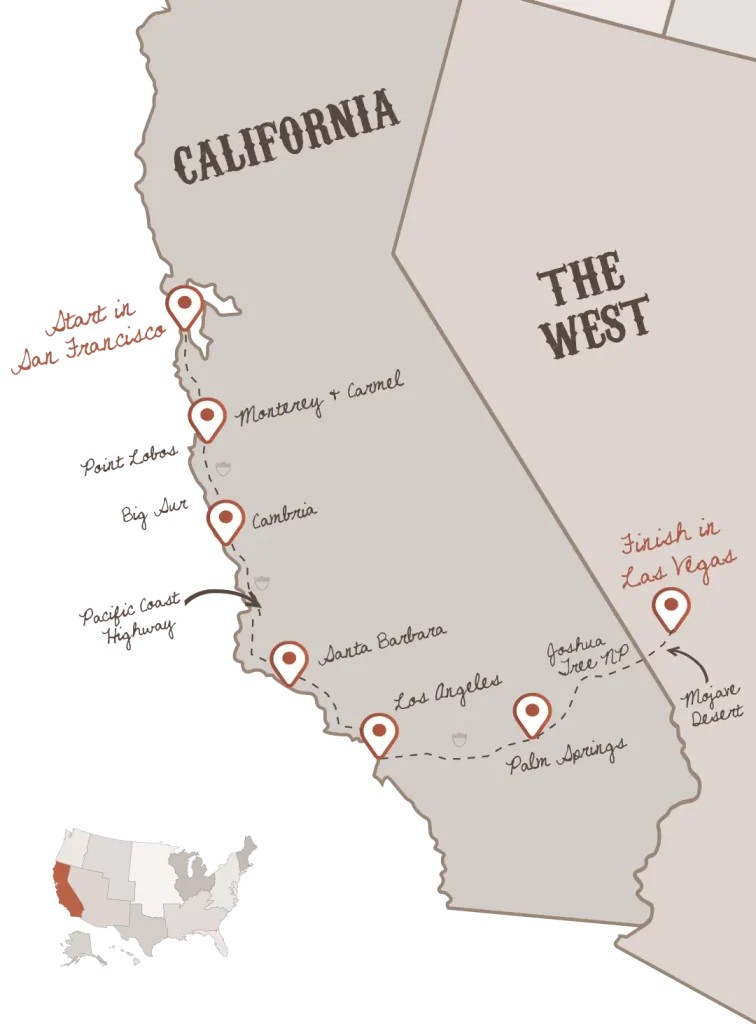
If driving, consider extending your trip to include some of the extraordinary natural wonders located within a reasonable distance of Las Vegas and the I-15 corridor. Destinations like Zion National Park (about 2.5 hours northeast of Las Vegas) or the Grand Canyon (South Rim, about 4-5 hours east) can transform a weekend getaway into an epic Southwest road trip. Planning a circular route that takes you through different areas of California on the way to and from Las Vegas can also offer varied scenery.
Seasonal Travel Tips
The best time to travel depends on your preference for weather and crowd levels. Las Vegas summers (June-August) are intensely hot, with temperatures often exceeding 100°F (38°C), making outdoor activities challenging. Spring (March-May) and Fall (September-November) offer the most pleasant weather for driving and exploring, with mild temperatures. Winter (December-February) is cooler and can be a good time for indoor attractions, but travel around holidays like New Year’s Eve will see massive crowds and higher prices. Weekend travel, regardless of season, will always be busier than weekdays.
Practical Advice for a Smooth Trip
- Book accommodations in advance: Especially during peak seasons or for major events in Las Vegas.
- Check traffic and road conditions: Utilize navigation apps that provide real-time updates for driving routes.
- Stay hydrated: Essential when traveling through the desert, regardless of the season.
- Budget for incidentals: Include costs for food, fuel, potential tolls, and any unexpected stops.
- Charge devices: Ensure phones and other electronics are fully charged, especially for longer drives or flights.
- Have an emergency kit: A basic car emergency kit can be invaluable for drivers in remote desert areas.
Whether you’re embarking on a road trip filled with desert vistas or opting for the swift convenience of air travel, the journey from California to Las Vegas is a well-trodden path that offers a variety of choices to suit every traveler’s preference and budget. With a little planning, your trip can be as exciting and enjoyable as the destination itself.
LifeOutOfTheBox is a participant in the Amazon Services LLC Associates Program, an affiliate advertising program designed to provide a means for sites to earn advertising fees by advertising and linking to Amazon.com. Amazon, the Amazon logo, AmazonSupply, and the AmazonSupply logo are trademarks of Amazon.com, Inc. or its affiliates. As an Amazon Associate we earn affiliate commissions from qualifying purchases.