
The allure of Hawaii has captivated travelers for generations, beckoning with its pristine beaches, volcanic landscapes, and vibrant culture. For many, the journey to this Pacific paradise begins on the sunny shores of California. Understanding the logistics of this trans-Pacific flight is crucial for planning an enjoyable and stress-free vacation. Beyond merely the mileage, several factors influence the total travel time, from the specific departure and arrival airports to the prevailing atmospheric conditions. This comprehensive guide delves into the specifics of flying from California to Hawaii, ensuring you’re well-prepared for your island escape.

Unveiling the Trans-Pacific Journey
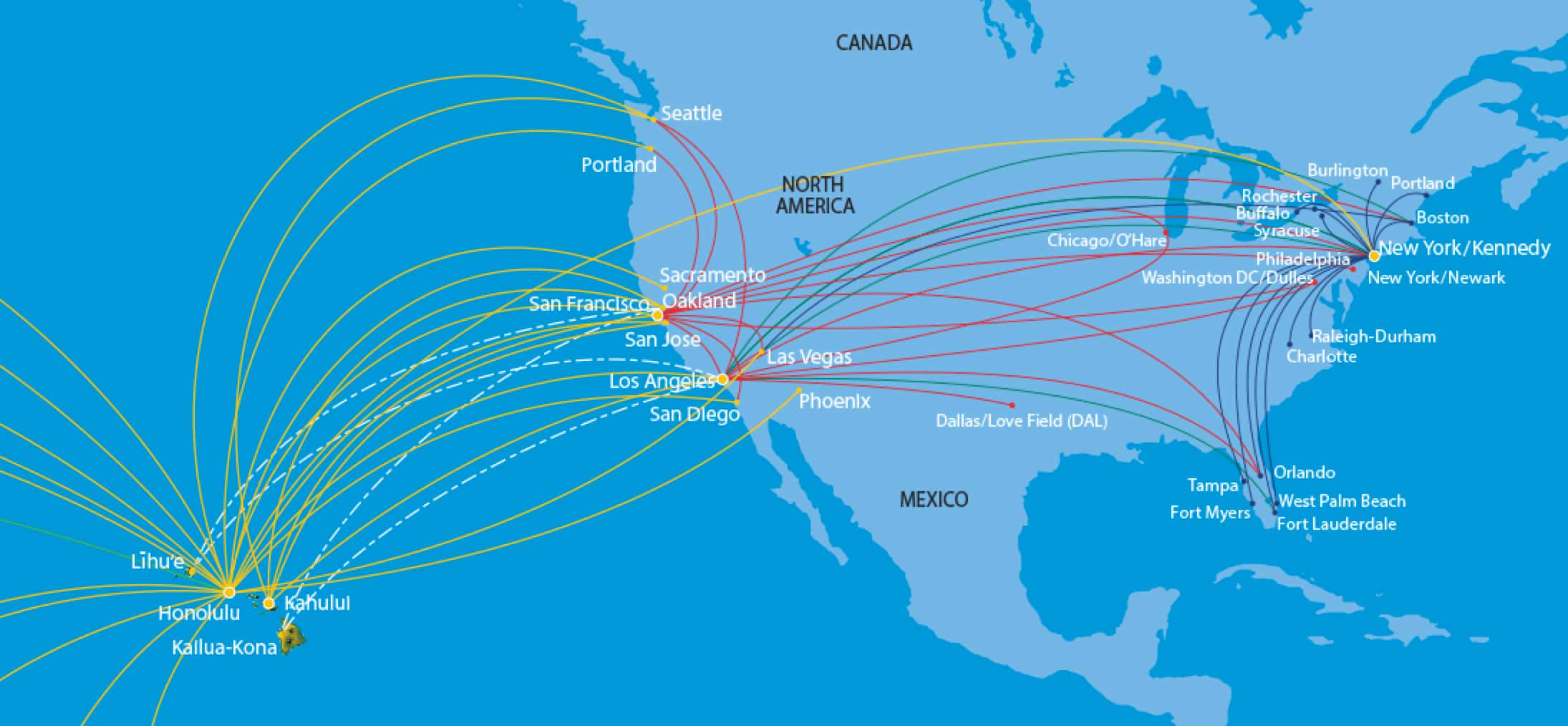
At its core, the question of “how far” encompasses both distance and time. The air distance between California and Hawaii varies slightly depending on the specific cities involved, but it generally ranges from approximately 2,400 to 2,600 miles (3,860 to 4,185 kilometers). This significant stretch of open ocean translates into a considerable amount of time spent in the air.
Typically, a non-stop flight from a major California airport to Honolulu, Oahu, averages around 5 to 6 hours. Flights to other Hawaiian islands like Maui or Kauai might be marginally shorter or longer, but within a similar ballpark. For instance, a flight from Los Angeles to Honolulu might be around 5 hours and 30 minutes, while a flight from San Francisco could be closer to 5 hours. These figures represent the actual “wheels up to wheels down” flight time, not including taxiing, take-off, or landing procedures. Headwinds, which are common when flying westbound across the Pacific, can extend flight times by 30 minutes to an hour, while tailwinds on eastbound flights can shorten them. Therefore, while the mileage is fixed, the duration is a dynamic variable influenced by atmospheric conditions and air traffic control directives.
Key Departure Hubs in California and Arrival Points in Hawaii
The journey begins at one of California’s bustling international airports, offering a wide array of flight options to the Hawaiian islands. Upon arrival, you’ll be greeted by the warm Hawaiian air at one of several primary airports.
Major California Departure Airports
California boasts several prominent airports that serve as critical gateways to Hawaii, each offering numerous daily flights and competitive pricing.
- Los Angeles International Airport (LAX): As one of the busiest airports in the world, LAX offers the highest frequency of flights to Hawaii, providing excellent flexibility for travelers. Its vast network means more direct routes and often more competitive fares.
- San Francisco International Airport (SFO): A major hub for airlines operating trans-Pacific routes, SFO is another prime departure point, particularly for those in Northern California and surrounding areas.
- San Diego International Airport (SAN): Located closer to the southern border, SAN offers direct flights to Hawaii, catering to travelers in San Diego and Southern California.
- Oakland International Airport (OAK): A more accessible option for many in the San Francisco Bay Area, OAK has grown in popularity, especially with budget airlines offering attractive fares to the islands.
- Norman Y. Mineta San Jose International Airport (SJC): Serving Silicon Valley and the surrounding region, SJC also provides direct flights, offering a convenient alternative to SFO.
Primary Hawaiian Arrival Airports
Upon arrival, you’ll land at one of Hawaii’s primary airports, each serving a different island and offering unique entry points to your chosen paradise.
- Daniel K. Inouye International Airport (HNL) (Honolulu, Oahu): This is the main gateway to Hawaii and the busiest airport in the state. Most international and US mainland flights arrive here. If your final destination is another island, you’ll likely connect through HNL via an inter-island flight.
- Kahului Airport (OGG) (Maui): The primary airport for Maui, OGG receives numerous direct flights from California, making it a popular choice for those heading straight to the Valley Isle.
- Kona International Airport (KOA) (Big Island): Situated on the west coast of the Big Island, KOA serves the popular Kona region and offers direct connections from California.
- Lihue Airport (LIH) (Kauai): The main airport for the Garden Isle, LIH also provides direct flights from California, catering to visitors eager to explore Kauai’s lush landscapes.
Factors Influencing Your Flight Experience
While the distance is a constant, several variables can significantly impact the duration and overall comfort of your flight from California to Hawaii. Being aware of these can help you plan better and set realistic expectations.
Aircraft Type and Airline
The type of aircraft plays a role in both speed and comfort. Modern wide-body jets, like the Boeing 787 Dreamliner or Airbus A330, are designed for long-haul flights, offering better fuel efficiency and often a smoother ride. Narrow-body jets, such as the Boeing 737 or Airbus A320 series, are also increasingly used on this route, particularly by budget airlines.
The choice of airline also matters. Major carriers like United Airlines, Delta Air Lines, American Airlines, Southwest Airlines, and Hawaiian Airlines all operate extensive services between California and Hawaii. Each offers different amenities, seating configurations, and service levels that can greatly affect your 5-6 hour journey.
Weather and Air Traffic Control
Weather conditions are perhaps the most unpredictable factor affecting flight times. Strong headwind components, particularly when flying westward, can add a significant amount of time to the flight. Conversely, favorable tailwinds can shave off time. Air traffic control (ATC) can also influence flight duration. Delays on the ground at busy airports like LAX or in the air due to congestion or unexpected events can lead to holding patterns, extending the overall travel time. While airlines strive to adhere to schedules, safety and efficiency dictated by ATC take precedence.
Time Zone Changes and Jet Lag
Traveling from California to Hawaii involves a significant time zone change. California observes the Pacific Time Zone (PST/PDT), which is typically 2-3 hours ahead of Hawaii Standard Time (HST), depending on daylight saving time. Since Hawaii does not observe daylight saving, the time difference can be 2 hours during Northern Hemisphere winter and 3 hours during summer. This westward travel can mitigate severe jet lag compared to eastward journeys, but you will effectively “lose” a few hours of your day upon arrival. Hydration, light meals, and adjusting your sleep schedule a day or two before departure can help minimize the effects of jet lag, allowing you to enjoy your first days in paradise to the fullest.
Preparing for Your Island Escape: Pre-Flight Essentials
A successful trip to Hawaii begins long before you step foot on the plane. Thoughtful planning and preparation can ensure a smooth transition from the mainland to the islands.
Booking Your Flight
- Best Time to Book: Generally, booking 2-3 months in advance yields the best prices, though this can vary by season. Peak travel times, such as holidays, spring break, and summer, will see higher fares.
- Non-stop vs. Connecting Flights: Non-stop flights are highly recommended for convenience and to minimize travel time. While connecting flights might sometimes be cheaper, the added layover time and potential for delays can make the journey considerably longer and more tiring.
- Budget Considerations: Be flexible with your travel dates if possible. Mid-week flights (Tuesday-Thursday) are often less expensive than weekend travel. Consider flying during the shoulder seasons (April-May, September-November) for fewer crowds and potentially better deals.
Packing Smart for Hawaii
Packing for Hawaii means embracing a relaxed, tropical vibe.
- Beachwear and Light Clothing: Think swimsuits, shorts, t-shirts, sundresses, and light linens. The climate is warm and humid year-round.
- Sun Protection: Sunscreen (reef-safe is preferred in Hawaii), wide-brimmed hats, and sunglasses are non-negotiable. The Hawaiian sun is intense.
- Layers: While days are warm, evenings can be breezy, especially near the coast or at higher elevations (like for a sunrise visit to Haleakala on Maui). A light jacket or sweater is advisable.
- Essential Documents: Ensure your valid government-issued ID (driver’s license or passport) is easily accessible. While Hawaii is part of the US, standard air travel identification requirements apply.
Health and Safety Guidelines
Always check the latest travel advisories for Hawaii before your trip. While COVID-19 related entry restrictions have largely been lifted, it’s wise to stay informed about any public health guidelines that may be in place. Travel insurance is highly recommended to protect against unforeseen circumstances like flight cancellations, medical emergencies, or lost luggage. Familiarize yourself with local customs and respectful etiquette (known as “mana”) to ensure a harmonious experience with the islands and their residents.
Maximizing Your Journey: Tips for a Comfortable Flight
Even a 5-6 hour flight can feel long without proper preparation. Implementing a few strategies can significantly enhance your comfort and arrival readiness.
Seat Selection
- Aisle vs. Window: An aisle seat offers easy access to restrooms and the ability to stretch your legs without disturbing others. A window seat provides scenic views of the Pacific Ocean and the approaching islands, especially during descent, and a wall to lean against for sleep.
- Extra Legroom Options: If budget allows, consider upgrading to premium economy, exit row seats, or seats with extra legroom for enhanced comfort. This can make a substantial difference on a mid-range long-haul flight.
In-Flight Comfort
- Hydration: The dry cabin air can be dehydrating. Drink plenty of water before and during your flight, and limit caffeine and alcohol consumption.
- Movement: Stand up and walk around the cabin every hour or two if possible. Perform simple stretches in your seat to promote circulation and prevent stiffness.
- Entertainment: Load your tablet or smartphone with movies, TV shows, podcasts, and e-books. Don’t rely solely on in-flight entertainment, as systems can sometimes be unreliable.
- Snacks and Layers: Pack a few healthy snacks to avoid relying on airline food, which may not always align with your dietary preferences. Wear comfortable clothing and dress in layers to adjust to varying cabin temperatures. A neck pillow, eye mask, and earplugs can also be invaluable for rest.

Arrival Preparations
Before landing, remember to complete any necessary arrival forms. While Hawaii is a US state, some agricultural declarations may be required to protect the islands’ delicate ecosystem. Have your ground transportation plans finalized. Whether you’re renting a car, using a shuttle service, or taking a taxi, knowing your next steps upon exiting the airport will save time and reduce stress, allowing you to fully immerse yourself in the aloha spirit from the moment you land.
LifeOutOfTheBox is a participant in the Amazon Services LLC Associates Program, an affiliate advertising program designed to provide a means for sites to earn advertising fees by advertising and linking to Amazon.com. Amazon, the Amazon logo, AmazonSupply, and the AmazonSupply logo are trademarks of Amazon.com, Inc. or its affiliates. As an Amazon Associate we earn affiliate commissions from qualifying purchases.