
The journey between Camarillo and Los Angeles is a quintessential Southern California commute, bridging the gap between the relaxed, agricultural charm of Ventura County and the sprawling, high-energy metropolis of the nation’s second-largest city. For travelers, residents, and weekend adventurers, understanding the distance and the logistical realities of traversing this stretch is essential for planning a successful trip.
While the geographical distance is relatively modest—usually cited as being between 50 and 60 miles depending on your specific starting point and final destination within the massive Los Angeles basin—the “distance” in terms of time is highly fluid. Navigating the corridors connecting these two regions requires a blend of geographic knowledge, patience, and strategic timing.
Understanding the Geography and Distance
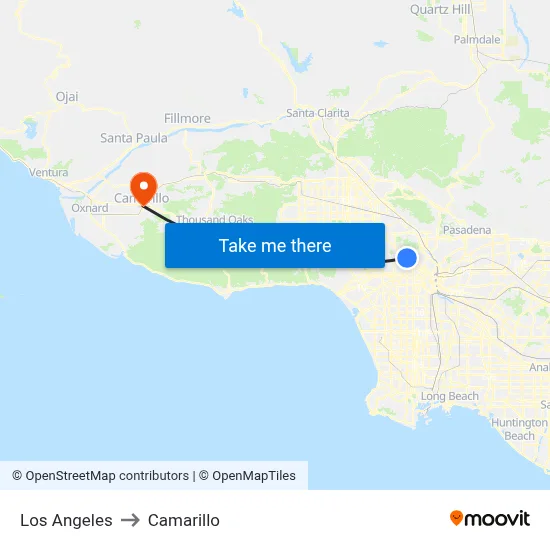
When measuring the distance from the heart of Camarillo to Downtown Los Angeles, the most common route utilizes the US Route 101. This iconic highway cuts through the scenic Conejo Valley and follows the coastline before funneling into the urban core.
The Spatial Reality
In a straight line, the distance is shorter, but human movement is dictated by the Santa Monica Mountains, which act as a formidable barrier between the coast and the valleys. Travelers typically find themselves logging approximately 55 miles. However, if your destination is the Los Angeles International Airport or Santa Monica, the distance can shift slightly as you navigate the San Diego Freeway or the Pacific Coast Highway.
Variations by Destination
Because Los Angeles is not a single point but a collection of diverse districts, your actual travel distance varies wildly. Someone heading to the San Fernando Valley will find the trip significantly shorter—often under 40 miles—than someone traversing the entire length of the city to reach Long Beach or Orange County.
Travel Time and Traffic Dynamics
The most critical factor for anyone traveling between Camarillo and Los Angeles is the Southern California traffic phenomenon. The 101 freeway is one of the most heavily trafficked arteries in the world, and your travel time will fluctuate based on the “Golden Hour” of commuting.
The Rush Hour Factor
During peak weekday hours—roughly 6:30 AM to 9:30 AM and 3:30 PM to 7:00 PM—what would be a 60-minute drive on a weekend can easily swell to two hours or more. The bottleneck through Calabasas and Woodland Hills is notorious. For those living or staying in Camarillo, the decision to head into the city requires a calculated assessment of the Metrolink schedule versus the volatility of highway transit.

Off-Peak Advantages
Traveling outside of these windows offers a drastically different experience. In the mid-morning or late evening, the transition from the rolling hills of Thousand Oaks into the urban landscape is smooth. The drive provides a unique perspective on the region’s topography, moving from the suburban tranquility of Ventura to the dense, glittering skyline of Los Angeles.
Alternative Modes of Transportation
For those looking to avoid the stress of the driver’s seat, several alternative modes of transit connect Camarillo to the greater Los Angeles area. Each offers a different perspective on the landscape.
Rail Travel via Metrolink
The Ventura County Line of the Metrolink commuter rail system is arguably the most relaxing way to bridge the distance. The train station in Old Town Camarillo provides easy access to passengers looking to reach Union Station. This method allows commuters to skip the frustration of freeway congestion entirely. While the train has a fixed schedule, it offers a consistent, predictable arrival time that is often impossible to guarantee on the highway.
The Bus Network
Various regional bus services, including VCTC Intercity and Metro connections, serve the corridors between the county and the city. These are often used by daily commuters who prefer to read or work while in transit, though they are subject to the same traffic delays as private vehicles unless utilizing dedicated carpool lanes.
Planning Your Trip: Practical Tips for Success
Whether you are visiting the Camarillo Premium Outlets for a day of shopping or heading into Los Angeles to catch a concert at the Hollywood Bowl, preparation is key.
Optimize Your Departure
If you have flexibility, avoid Friday afternoons. The “getaway” traffic from Los Angeles toward the coast is legendary, and heading in the opposite direction can be equally disheartening. Tuesday and Wednesday mid-mornings remain the “sweet spot” for travelers looking to minimize their time on the road.
Utilize Real-Time Technology
Always check real-time traffic applications before pulling out of your driveway. Often, navigation systems may suggest taking the State Route 118 or State Route 126 as alternatives to the 101, depending on where exactly in the Los Angeles sprawl your journey ends. These inland routes can provide a scenic change of pace, particularly when the main freeway is gridlocked.

Embracing the Journey
While the distance might seem like a barrier, it is also what preserves the unique identity of each location. Camarillo maintains its identity as a gateway to the central coast, defined by its temperate climate and proximity to the Channel Islands National Park, while Los Angeles remains the cultural engine of the region. By respecting the distance and planning accordingly, you can easily enjoy the best of both worlds.
Whether you are navigating the drive for business or leisure, remembering that “how far” is a question of time rather than just mileage will lead to a far more pleasant experience. With a little planning, the road between these two locales becomes less of a chore and more of a routine path through one of the most diverse and fascinating regions in the United States.
LifeOutOfTheBox is a participant in the Amazon Services LLC Associates Program, an affiliate advertising program designed to provide a means for sites to earn advertising fees by advertising and linking to Amazon.com. Amazon, the Amazon logo, AmazonSupply, and the AmazonSupply logo are trademarks of Amazon.com, Inc. or its affiliates. As an Amazon Associate we earn affiliate commissions from qualifying purchases.