
The journey from the bustling historic city of Boston to the serene, picturesque peninsula of Cape Cod is a classic New England excursion, offering a blend of scenic beauty and vibrant experiences. Understanding the distance and various travel options is key to planning an unforgettable trip. While the exact mileage can vary slightly depending on your specific starting point in Boston and your chosen destination on the Cape, the general range for a direct drive is approximately 60 to 90 miles (about 96 to 145 kilometers). This makes Cape Cod an accessible getaway, perfect for a day trip, a weekend escape, or a longer vacation.
The Direct Route: Distance and Driving Time
Driving is by far the most popular method of transportation between Boston and Cape Cod, offering flexibility and the freedom to explore the numerous charming towns and hidden beaches along the peninsula. The primary route involves heading south from Boston and crossing one of the two main bridges onto the Cape: the Sagamore Bridge or the Bourne Bridge.
Navigating the Major Highways
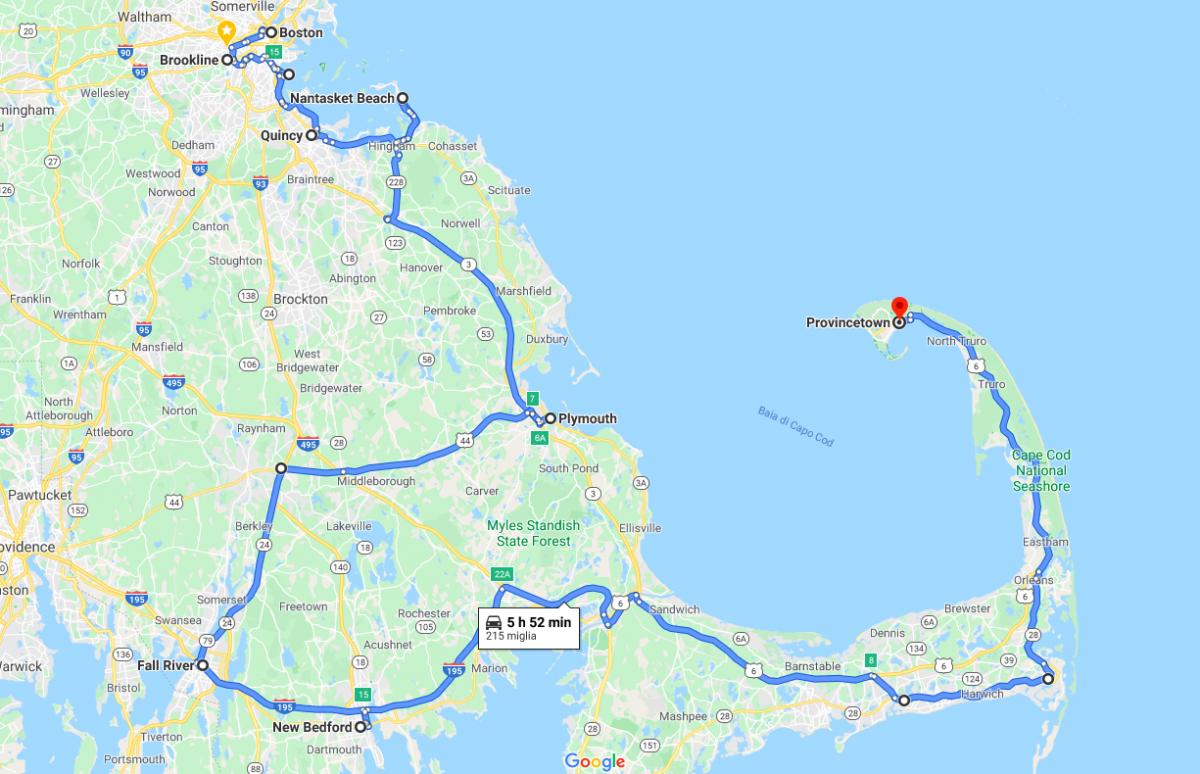
From Boston, the most straightforward path typically involves taking Interstate 93 South (I-93 S) to Route 3 South. Route 3 South is a well-maintained highway that leads directly to the Cape Cod Canal, where you’ll cross either the Sagamore Bridge (the easternmost bridge) or the Bourne Bridge (the westernmost bridge). Once you cross the canal, you are officially on Cape Cod. From there, various state routes, such as Route 6 (also known as the Mid-Cape Highway), Route 6A, and Route 28, will take you to your specific destination, whether it’s the bustling streets of Hyannis, the historic charm of Sandwich, or the vibrant arts scene of Provincetown at the very tip of the Cape. The drive to the beginning of the Cape, around Bourne or Sandwich, is generally about 1 to 1.5 hours without traffic. To reach Provincetown at the Outer Cape, expect an additional 1 to 1.5 hours, bringing the total driving time from Boston to Provincetown to roughly 2.5 to 3 hours under ideal conditions.
Factors Affecting Your Drive
While the base distance is relatively short, several factors can significantly impact your actual travel time. Traffic is the most prominent concern, especially during peak season (Memorial Day to Labor Day) and on weekends. Friday afternoons and evenings, as well as Saturday mornings, see a surge in southbound traffic from Boston onto the Cape. Conversely, Sunday afternoons and evenings experience heavy northbound traffic leaving the Cape and returning to Boston. During these times, what might be a 90-minute drive can easily stretch to 3 or even 4 hours due to congestion on the highways and, notably, at the Cape Cod Canal bridges. Construction, accidents, and weather conditions can also add to delays. It’s highly advisable to use real-time GPS navigation apps, like Google Maps or Waze, which can provide up-to-the-minute traffic information and suggest alternative routes if available. Leaving very early in the morning on a weekend or traveling on a weekday can help mitigate traffic woes.
Alternative Travel Options: Beyond the Car
While driving offers unparalleled flexibility, it’s not the only way to get from Boston to Cape Cod. Several other modes of transportation cater to different preferences, budgets, and travel styles, some even offering unique scenic experiences.
Bus Services: A Cost-Effective Choice
Intercity bus services provide a convenient and economical way to travel to Cape Cod without the hassle of driving or parking. Companies like Peter Pan Bus Lines offer daily routes from South Station Transportation Center in Boston directly to various towns on the Cape, including Hyannis, Barnstable, and Woods Hole. The travel time by bus typically ranges from 1.5 to 3 hours, depending on the number of stops and the ultimate destination on the Cape. While buses are subject to the same traffic conditions as cars, they allow passengers to relax, enjoy the scenery, or catch up on work without the stress of driving. This option is particularly appealing for those who prefer not to rent a car or are traveling solo. From central Cape Cod towns, local bus services like the Cape Cod Regional Transit Authority (CCRTA) can help with intra-cape travel, though having a car once on the Cape does offer more freedom for exploration.
Rail Travel: Scenic and Relaxing
During the peak summer season, the CapeFLYER train offers weekend service from Boston’s South Station directly to Hyannis, with stops in Wareham Village and Buzzards Bay along the way. This seasonal service operates from Memorial Day through Labor Day, providing a comfortable, traffic-free alternative to driving. The journey takes approximately 2.5 hours to reach Hyannis, making it a competitive option with driving, especially when considering potential traffic delays. The CapeFLYER also offers amenities like Wi-Fi, a concession car, and the ability to bring bicycles aboard, making it an excellent choice for a leisurely trip. Upon arrival in Hyannis, passengers can connect to local buses, ferries to Martha’s Vineyard or Nantucket, or ride-sharing services to reach their final destination on the Cape.
Ferry Services: A Unique Perspective
For travelers heading directly to Provincetown at the tip of Cape Cod, a high-speed ferry from Boston offers a spectacular and efficient option. Operators like Boston Harbor City Cruises and Bay State Cruise Company provide seasonal service (typically May to October) departing from Boston’s Long Wharf. The ferry ride itself is a destination, offering breathtaking views of the Boston skyline, Boston Harbor Islands, and the open ocean as you cruise along the coast. The journey to Provincetown takes approximately 90 minutes, making it significantly faster than driving, especially during peak traffic. This option is ideal for those planning a car-free vacation focused on Provincetown’s vibrant atmosphere, whale watching tours, and art galleries, as you won’t need a car to enjoy the town.
Exploring Cape Cod: Your Arrival Point and Beyond
Once you’ve made the journey from Boston and crossed the Cape Cod Canal, you’ll discover a diverse region divided into distinct sections, each with its unique character and attractions. Understanding these regions can help you decide where to stay and what to explore based on your travel interests.
Upper Cape: Gateway to Relaxation
The Upper Cape towns are the closest to Boston and the first you encounter after crossing the bridges. This region includes charming towns like Sandwich, Falmouth, Bourne, and Mashpee. Sandwich, the oldest town on the Cape, boasts historic homes, the Sandwich Glass Museum, and beautiful beaches like Scusset Beach State Reservation. Falmouth is known for its lively main street, the iconic Nobska Lighthouse, and ferry access to Martha’s Vineyard from Woods Hole. The Upper Cape offers a blend of natural beauty, quaint village life, and convenient access to the mainland, making it a popular choice for families and those seeking a relaxed pace.
Mid-Cape: Family Fun and Beaches
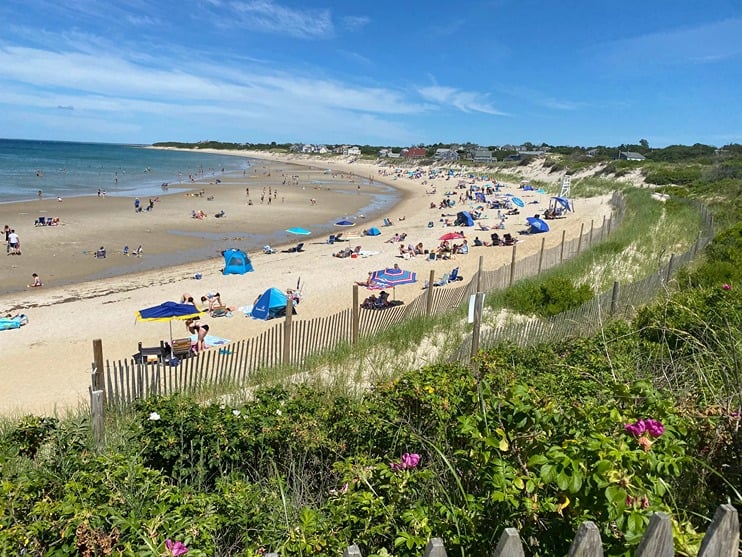
Moving further east, the Mid-Cape encompasses larger, more bustling towns such as Hyannis, Yarmouth, and Dennis. Hyannis is often considered the commercial and transportation hub of the Cape, featuring the John F. Kennedy Hyannis Museum, a busy harbor with ferries to the islands, and a wide array of shops and restaurants. The Mid-Cape is renowned for its family-friendly atmosphere, numerous public beaches along both the Nantucket Sound and Cape Cod Bay, and a variety of attractions including mini-golf courses and water parks. The beaches here, like Mayflower Beach in Dennis, are known for their soft sands and calm waters, perfect for swimming and sunbathing.
Lower Cape: Charm and Tranquility
The Lower Cape includes towns like Harwich, Brewster, Orleans, and Chatham. This region offers a slightly more upscale and tranquil experience compared to the Mid-Cape. Chatham is particularly famous for its picturesque lighthouse, bustling main street, and a harbor where you can often spot seals. Brewster is known for its historic sea captain’s homes and the natural beauty of Nickerson State Park, offering camping, hiking, and freshwater ponds. The Lower Cape retains much of the Cape’s traditional charm, with fewer commercial developments and a greater focus on natural beauty and small-town allure.
Outer Cape: Wild Beauty and History
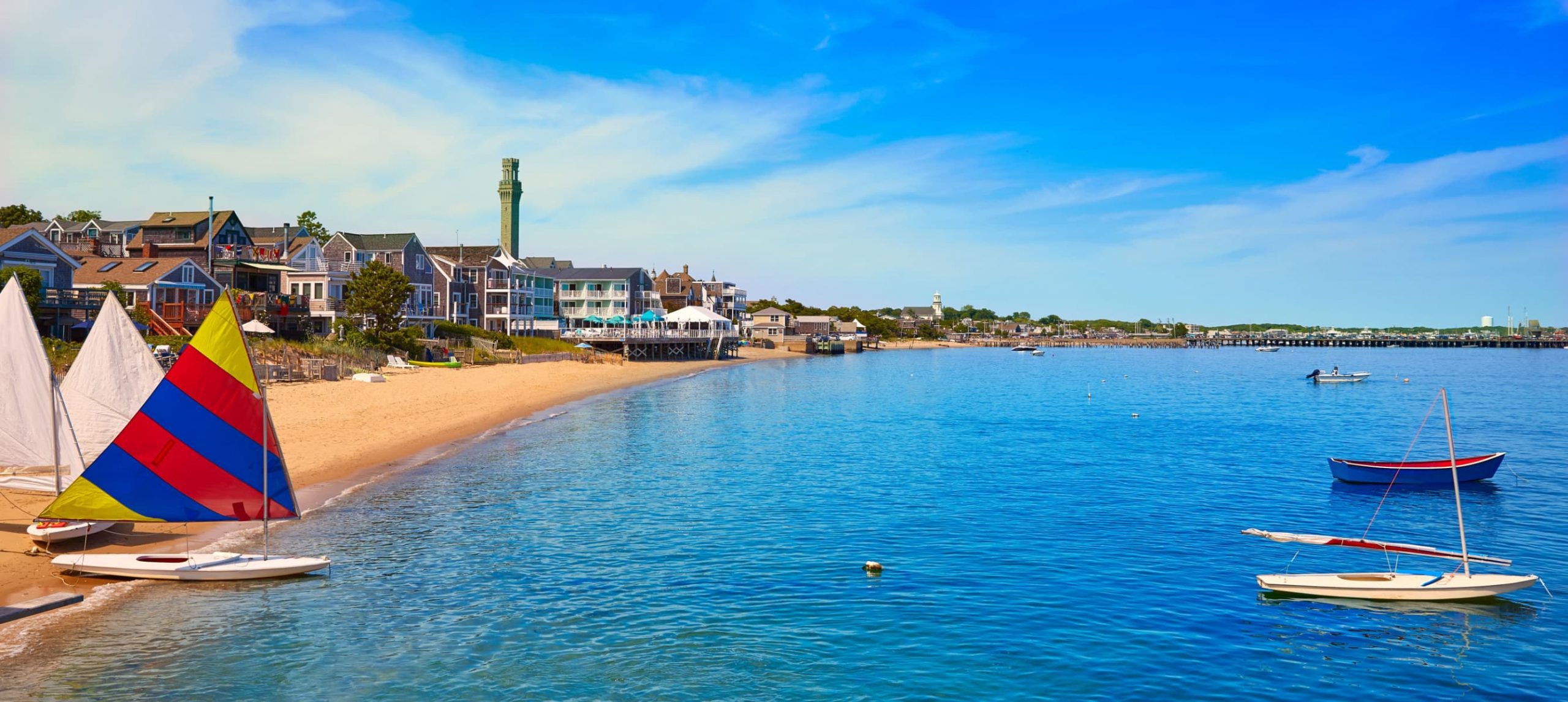
Finally, the Outer Cape stretches northwards into the Atlantic Ocean and includes Eastham, Wellfleet, Truro, and Provincetown. This region is defined by the dramatic landscapes of the Cape Cod National Seashore, featuring windswept dunes, expansive ocean beaches, and historic lighthouses. Wellfleet is known for its oysters and vibrant arts scene, while Truro offers a sense of rugged isolation and stunning natural vistas. At the very tip, Provincetown is a lively and eclectic town, famous for its artistic community, LGBTQ+ friendly atmosphere, whale watching excursions, and the iconic Pilgrim Monument. The Outer Cape provides a more adventurous and wild Cape experience, perfect for nature lovers and those seeking a unique cultural flair.
Making the Most of Your Journey: Tips for Travelers
A trip from Boston to Cape Cod can be seamless and enjoyable with a bit of planning and insider knowledge. Whether you choose to drive, take a bus, train, or ferry, these tips will enhance your travel experience.
Best Time to Travel
To avoid the heaviest traffic, especially if driving, consider traveling during off-peak hours. Weekdays are generally much less congested than weekends. If weekend travel is unavoidable, aim to depart Boston very early on Saturday morning (before 7:00 AM) or late in the evening on Friday. For the return trip, leaving Cape Cod on Sunday morning or Monday can save you hours in traffic. The shoulder seasons (late May/early June and September/early October) often offer the best balance of good weather, fewer crowds, and lower prices, though some seasonal businesses might have reduced hours.
Packing Essentials
Regardless of your mode of transport, packing smart is crucial. Cape Cod weather can be unpredictable, so layers are always a good idea. Even in summer, evenings can be cool, especially by the water. Don’t forget sunscreen, sunglasses, a hat, and comfortable walking shoes. If you plan to spend time at the beach, a beach bag, towel, and swimwear are essential. For those exploring the many scenic trails, bug spray can be invaluable, particularly during dusk. Having a reusable water bottle is also recommended to stay hydrated, especially on warmer days.
Pre-Booking and Planning
During peak season, accommodations, ferry tickets, and even popular restaurant reservations can book up quickly. It’s highly advisable to make all necessary reservations well in advance, especially if you plan to visit a specific town or event. If taking the CapeFLYER or a ferry to Provincetown, purchasing tickets beforehand ensures your spot. Similarly, if you plan to rent a car upon arrival on the Cape or in Boston, secure your reservation early for the best selection and rates. Checking for local events, festivals, or concerts happening during your visit can also help you plan your itinerary and potentially avoid areas of heightened local congestion.
Boston as Your Hub: Before or After Cape Cod
Many visitors choose to combine their Cape Cod adventure with a stay in Boston, using the city as a convenient arrival and departure hub, particularly for those flying into Logan International Airport. This strategy allows for a rich and varied New England experience, blending urban exploration with coastal relaxation.
Must-See Attractions in Boston
Before or after your Cape Cod escape, dedicate some time to Boston’s world-class attractions. Walk the Freedom Trail to immerse yourself in revolutionary history, visiting sites like Faneuil Hall, the Old North Church, and the USS Constitution. Explore the vibrant neighborhoods, from the charming brownstones of Beacon Hill to the bustling markets of the North End, Boston’s historic Italian district, offering exquisite dining experiences. Cultural institutions such as the Museum of Fine Arts and the Isabella Stewart Gardner Museum provide artistic enrichment, while the Boston Common and Public Garden offer serene green spaces for relaxation. Sporting enthusiasts might catch a Red Sox game at Fenway Park, a truly iconic American experience.
Extending Your Stay
With Boston and Cape Cod as central points, consider extending your New England itinerary to include other nearby gems. A day trip from Cape Cod to the islands of Martha’s Vineyard or Nantucket via ferry is a popular choice, each island offering its distinct charm and beauty. Alternatively, from Boston, you could venture north to the picturesque towns of the North Shore or delve into the historical richness of Plimoth Patuxet Museums and Plymouth Rock, which are on the route to Cape Cod. Combining these destinations allows travelers to experience the full spectrum of Massachusetts’ diverse landscapes and cultural heritage, making the journey from Boston to Cape Cod just one segment of a much larger, memorable adventure.
LifeOutOfTheBox is a participant in the Amazon Services LLC Associates Program, an affiliate advertising program designed to provide a means for sites to earn advertising fees by advertising and linking to Amazon.com. Amazon, the Amazon logo, AmazonSupply, and the AmazonSupply logo are trademarks of Amazon.com, Inc. or its affiliates. As an Amazon Associate we earn affiliate commissions from qualifying purchases.