
When planning a journey through the scenic beauty of the Rocky Mountains, understanding the distances between key locations is paramount. For many travelers, Denver serves as a primary entry point, whether arriving by air at Denver International Airport or as a starting point for a road trip. A common and worthwhile destination for those venturing north from the Mile High City is Loveland, Colorado. Known for its vibrant arts scene, stunning natural surroundings, and gateway status to Estes Park and Rocky Mountain National Park, Loveland offers a distinct experience from the bustling urban environment of Denver. This guide will detail the distance, travel times, and various transportation options available for traversing the approximately 50-mile stretch between these two notable Colorado cities.

Understanding the Distance and Travel Time
The most direct route from Denver to Loveland, Colorado primarily utilizes Interstate 25 North. This is a well-maintained highway, making the journey generally straightforward.
Driving Distance
The standard driving distance between the heart of Denver and the center of Loveland is approximately 50 to 55 miles. This figure can vary slightly depending on the specific starting and ending points within each city. For instance, if your departure point is closer to the northern edges of Denver or your destination in Loveland is in the southern part, the mileage might be closer to the lower end of the range. Conversely, starting from or heading to areas further away within either metropolitan zone will increase the total distance.
Estimated Travel Time
Under normal traffic conditions, the drive from Denver to Loveland, Colorado typically takes between 45 minutes to 1 hour and 15 minutes. This estimate is for uninterrupted travel without significant stops. Several factors can influence actual travel time:
- Traffic Congestion: Denver and its surrounding suburbs, particularly along the I-25 corridor, are prone to heavy traffic, especially during peak commuting hours (roughly 6:00 AM to 9:00 AM and 3:00 PM to 6:00 PM on weekdays). Weekend afternoons can also see increased volume as people head out for recreation.
- Construction: Road construction projects are common along major arteries like I-25 and can cause significant delays. It’s always advisable to check local traffic reports before embarking on your journey.
- Weather Conditions: Colorado weather can be unpredictable, especially during the fall, winter, and spring months. Snowstorms, ice, or heavy rain can drastically reduce visibility and slow down traffic, extending travel times considerably. During winter, it’s essential to ensure your vehicle is properly equipped for snowy conditions.
- Day of the Week and Time: Traveling on a Sunday morning or a weekday midday will generally yield faster travel times than during a Friday evening rush or a Saturday afternoon.
To get the most accurate real-time travel estimates, using GPS navigation apps like Google Maps or Waze is highly recommended. These applications will account for current traffic and road conditions, providing dynamic route suggestions and updated arrival times.
Transportation Options: Driving, Public Transit, and More
Several methods can be employed to travel between Denver and Loveland, Colorado, each offering a different balance of convenience, cost, and experience.
Personal Vehicle
Driving your own car or a rental vehicle offers the most flexibility and convenience. The route is straightforward:
- From Downtown Denver: Access I-25 North.
- Follow I-25 North: Continue on I-25 North for approximately 50 miles. You will pass through areas like Thornton, Northglenn, and Fort Collins (though Fort Collins is further north, you will be on the same interstate).
- Exit for Loveland: Take the appropriate exit for Loveland. Common exits include U.S. Highway 34 (Exit 253) or State Highway 402 (Exit 255), depending on your specific destination within Loveland.
Parking in Loveland is generally ample, with street parking available in the downtown area and dedicated lots near attractions and businesses.
Public Transportation
While not as direct or frequent as driving, public transportation is an option for budget-conscious travelers or those who prefer not to drive.
- Regional Bus Services: Bustang, Colorado’s state-run intercity bus service, offers routes connecting major cities along the Front Range. The “North Line” typically runs between Denver and Fort Collins, with a stop in Loveland.
- Departure Point in Denver: Usually from Denver Union Station.
- Arrival Point in Loveland: Stops are typically located conveniently within the city.
- Frequency: Service frequency varies, so it’s essential to check the latest schedule on the Bustang website.
- Travel Time: Bus travel will inherently take longer than driving due to stops and potentially slower speeds. Expect the journey to be in the range of 1.5 to 2 hours.
- Considerations for Public Transit: While more environmentally friendly and potentially cost-effective, public transit requires adherence to schedules and may involve additional travel to and from bus stations. Luggage capacity can also be a factor.
Ride-Sharing Services and Taxis
Services like Uber and Lyft operate within the Denver metropolitan area and can be booked for a trip to Loveland.
- Availability: Drivers are generally available in Denver, and many will accept longer trips. However, the availability of drivers for the return journey from Loveland to Denver might be less reliable, especially during off-peak hours.
- Cost: This option is typically more expensive than driving oneself or using the bus, given the distance. It’s advisable to get a fare estimate before booking.
- Taxis: Traditional taxi services can also be hired, but are generally the most expensive option for this length of trip.
Navigating Loveland and Its Proximity to Key Attractions
Upon arriving in Loveland, Colorado, you’ll find a city that blends its agricultural roots with a burgeoning artistic spirit and serves as a crucial access point to natural wonders.
Understanding Loveland’s Layout
Loveland is organized with a grid system, making navigation relatively easy. Key arteries include:
- U.S. Highway 34 (Eisenhower Boulevard): A major east-west thoroughfare that cuts through the center of Loveland and connects directly to Rocky Mountain National Park via Estes Park.
- State Highway 402: Another significant east-west route, often used for access to northern parts of the city and surrounding areas.
- North Lincoln Avenue and North Cleveland Avenue: These are primary north-south streets that can help you orient yourself within the city.
Gateway to Rocky Mountain National Park
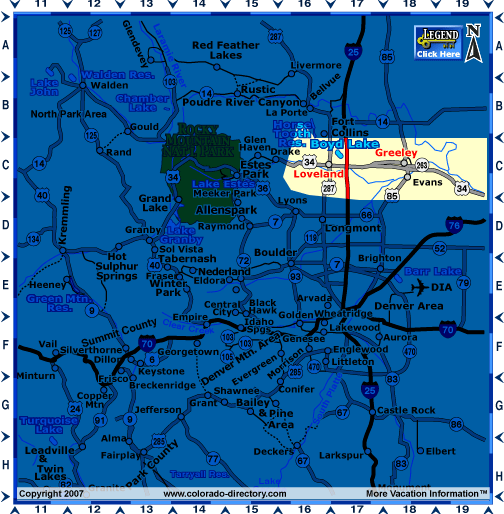
One of Loveland’s most significant draws is its role as a gateway to Rocky Mountain National Park. The drive from downtown Loveland to the park entrance at Estes Park is approximately 30 miles and takes about 45 minutes to an hour, depending on traffic and road conditions.
- Route: To reach Estes Park from Loveland, you would typically take U.S. Highway 34 West. This scenic route, often called the “Peak to Peak Scenic Byway” in parts, ascends into the foothills, offering breathtaking views as you approach the mountains.
- Park Entrance: The primary entrance to Rocky Mountain National Park from Estes Park is the Beaver Meadows Entrance Station. Be aware that during peak seasons, timed entry permits may be required for access to certain areas of the park.
Exploring Loveland’s Local Attractions
Beyond its role as a transit hub, Loveland itself boasts a number of attractions that are easily accessible from I-25.
- The Rialto Theater: A historic landmark in downtown Loveland, hosting a variety of performances, concerts, and films.
- Loveland Museum and Gallery: Showcasing local history, art, and rotating exhibitions.
- Benson Sculpture Park: An outdoor sculpture garden featuring an impressive collection of art in a natural setting.
- Lake Loveland and Boyd Lake State Park: Offering opportunities for boating, fishing, swimming, and hiking, these recreational areas are popular with locals and visitors alike.
The proximity of Loveland to both the major metropolitan amenities of Denver and the unparalleled natural beauty of the Colorado Rockies makes it an ideal destination or stopover point for a diverse range of travelers. Whether you are embarking on an adventure into the mountains, seeking a cultural experience, or simply passing through the Front Range, understanding the travel dynamics between Denver and Loveland is key to a smooth and enjoyable trip.
LifeOutOfTheBox is a participant in the Amazon Services LLC Associates Program, an affiliate advertising program designed to provide a means for sites to earn advertising fees by advertising and linking to Amazon.com. Amazon, the Amazon logo, AmazonSupply, and the AmazonSupply logo are trademarks of Amazon.com, Inc. or its affiliates. As an Amazon Associate we earn affiliate commissions from qualifying purchases.