
Embarking on a journey across the vast expanse of the United States is an experience rich with diverse landscapes, vibrant cities, and countless opportunities for exploration. For many eager travelers, the question of distance between two iconic American locales, Chicago and California, often marks the starting point of their travel planning. The answer, while seemingly straightforward, carries nuances that depend heavily on your specific starting and ending points, as well as your chosen mode of transportation. Far more than a simple number, understanding this distance is crucial for crafting an unforgettable itinerary from the heart of the Midwest to the sunny shores of the Pacific Ocean.
The Geographic Span: Understanding the Distance
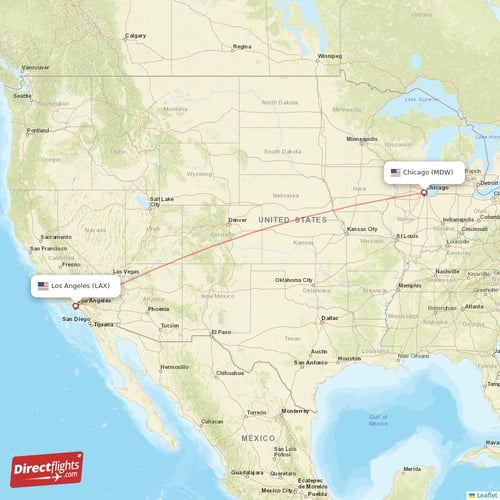
At its core, the distance between Chicago and California is substantial, spanning nearly the entire width of the continental United States. However, it’s important to recognize that “California” is a large state, stretching over 770 miles (1,240 km) from north to south. This means the specific distance will vary considerably depending on whether your destination is San Diego in the south, San Francisco in the north, or somewhere in between.
Straight-Line vs. Driving Distance
When discussing geographical separation, two primary measurements come into play: straight-line (or “as the crow flies”) distance and driving distance.
The straight-line distance from Chicago, Illinois, to various points in California ranges approximately from:
- To Los Angeles, California: Roughly 1,750 miles (2,816 km).
- To San Francisco, California: Approximately 1,850 miles (2,977 km).
- To Sacramento, California: Around 1,800 miles (2,897 km).
However, for most travelers, the more relevant figure is the driving distance, which accounts for road networks, geographical barriers like the Rocky Mountains, and practical routes. This distance is always longer than the straight-line measurement.
Key Reference Points: Concrete Examples
To provide a more tangible understanding, let’s consider common routes for drivers:
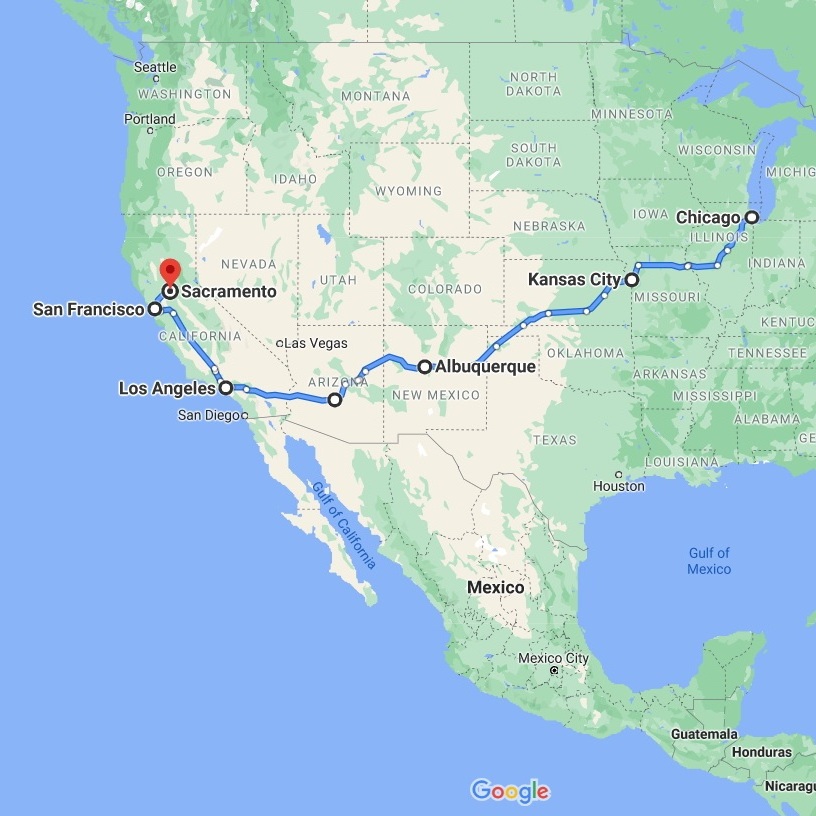
- Chicago to Los Angeles: A typical driving route covers about 2,000 to 2,200 miles (3,200 to 3,540 km). This journey usually takes around 30 to 35 hours of pure driving time, translating into a minimum of 3-5 days on the road, factoring in stops for rest, food, and fuel. Popular routes often traverse states like Missouri, Kansas, Colorado, Utah, Arizona, and Nevada before reaching California. Historic Route 66, though no longer a continuous highway, still provides a legendary, albeit longer, path.
- Chicago to San Francisco: This northern route is slightly longer, typically ranging from 2,150 to 2,300 miles (3,460 to 3,700 km). Driving time would be approximately 33-38 hours, requiring 4-6 days for a comfortable road trip. This path might lead through Nebraska, Wyoming, Utah, and Nevada.
Factors Influencing Travel Distance and Time
Beyond the sheer mileage, several factors can influence your actual travel time and the perceived distance:
- Road Networks and Traffic: Major interstates offer the most direct routes, but construction, accidents, and rush-hour traffic in urban areas (especially approaching Chicago or California’s metropolitan hubs) can add significant delays.
- Geographical Features: Crossing the Rocky Mountains means navigating passes and winding roads, which slows travel considerably compared to the flatter Midwest plains.
- Weather Conditions: Winter storms can close mountain passes or make driving hazardous, adding hours or even days to a journey. Summer heat in desert regions requires frequent breaks and careful vehicle maintenance.
Modes of Travel: Reaching the Golden State from the Windy City
The choice of transportation from Chicago to California dictates not only the duration of your trip but also the experience itself. Each mode offers distinct advantages and caters to different travel priorities, whether speed, scenic beauty, or budget.
Flying: The Fastest Option
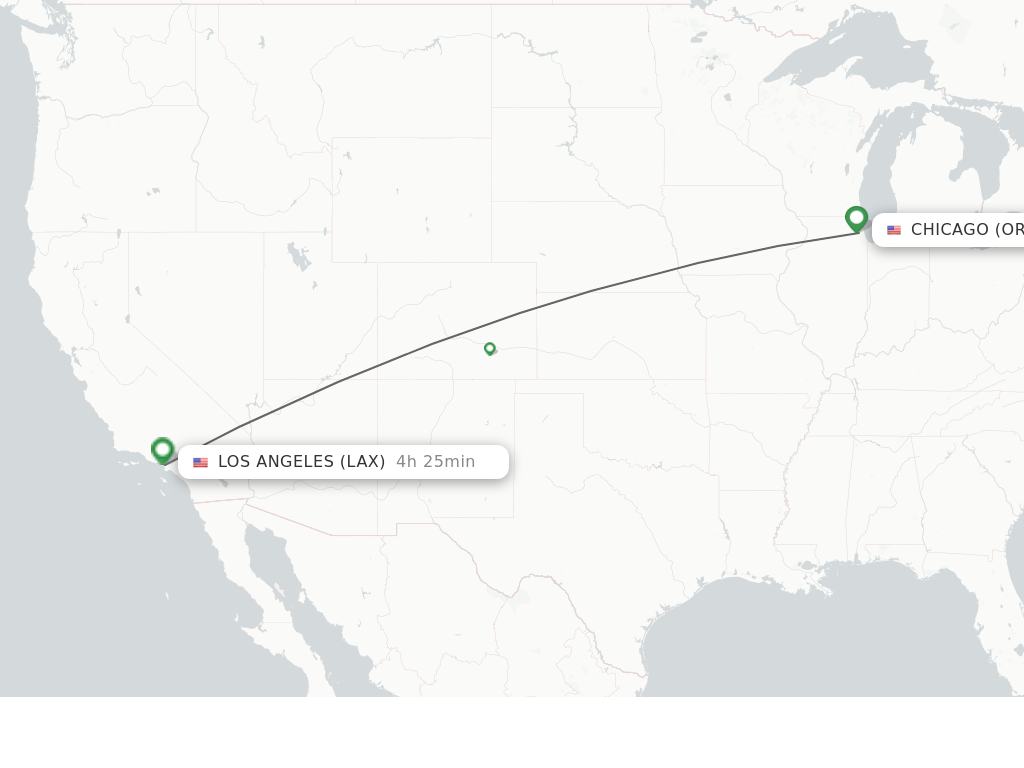
For most travelers prioritizing speed and convenience, flying is the unequivocal choice. Non-stop flights from Chicago to major California cities typically range from 4 to 5 hours.
- Major Airports in Chicago: O’Hare International Airport (ORD) and Midway International Airport (MDW) serve as primary gateways.
- Major Airports in California: Key arrival points include Los Angeles International Airport (LAX), San Francisco International Airport (SFO), and San Diego International Airport (SAN), among others.
- Considerations: While the flight time is short, remember to factor in travel to and from airports, security checks, and potential layovers if a direct flight isn’t available or affordable. Booking in advance, especially during peak seasons, is crucial for securing competitive fares. The cost of flights can vary widely based on airline, time of year, and how far in advance you book.
Driving: The Quintessential American Road Trip
The cross-country drive from Chicago to California is an iconic American experience, offering unparalleled freedom and the chance to discover hidden gems along the way.
- Time Commitment: As mentioned, this journey requires 3-6 days of dedicated driving, depending on your pace and destination. It’s not a trip to rush.
- Popular Routes: The most direct routes generally follow I-80/I-70 west, connecting with other interstates like I-15 or I-5. For a more nostalgic and scenic adventure, portions of historic Route 66 can be incorporated, adding character (and mileage) to your trip. Stops at landmarks like the Gateway Arch in St. Louis, the Grand Canyon in Arizona, or the vibrant city of Las Vegas in Nevada are popular detours.
- Costs: Budget for fuel, which can be a significant expense over 2,000+ miles, as well as accommodation for overnight stays, food, and potential vehicle maintenance.
- Experience: A road trip allows for spontaneity, scenic detours, and the flexibility to explore national parks, small towns, and roadside attractions that flying bypasses.
Train Travel: A Scenic and Relaxed Pace
Amtrak offers several routes that connect Chicago to various points in California. While significantly slower than flying, train travel provides a unique, relaxing, and incredibly scenic way to traverse the country.
- Routes: The “California Zephyr” is a popular choice, departing from Chicago and traveling through the heart of the Rocky Mountains and the Sierra Nevada before reaching Emeryville (for San Francisco) or connecting to Los Angeles via bus or other trains.
- Duration: Expect the journey to take approximately 2-3 days, depending on the route and connections.
- Amenities: Trains offer a different level of comfort than a bus, often including dining cars, observation cars, and sleeping accommodations for an added cost.
- Considerations: It’s a journey for those who appreciate the journey itself, rather than just the destination. While more expensive than a bus, it can be a more budget-friendly alternative to flying if booked strategically, especially for longer trips.
Bus Travel: The Most Economical Choice
For budget-conscious travelers, bus services like Greyhound offer the most economical way to travel from Chicago to California.
- Duration: This is the longest option, typically taking 2-4 days (48-96 hours) or more, depending on the number of transfers and layovers.
- Experience: Bus travel involves frequent stops and can be less comfortable than other modes. However, it’s an excellent way to see the country from a ground-level perspective without the responsibility of driving.
- Cost: Fares are generally the lowest, making it an accessible option for many.
Planning Your Journey: Essential Considerations
Regardless of your chosen mode of transport, a well-planned trip from Chicago to California ensures a smoother and more enjoyable experience.
Time of Year: Maximizing Your Experience
The season greatly impacts travel conditions and the overall experience:
- Summer (June-August): Popular for road trips and family vacations. Expect pleasant weather in most of California’s coastal regions, but extremely hot temperatures in desert areas like Death Valley National Park. National Parks are fully accessible. Flights and accommodations can be more expensive and crowded.
- Fall (September-November): Often considered ideal. Cooler temperatures, fewer crowds, and beautiful foliage in the Midwest and mountain regions make for excellent driving conditions. California enjoys warm, sunny days and crisp evenings.
- Winter (December-February): Challenging for driving. Rocky Mountain passes can close due to snow, and icy conditions are possible across the plains. Flying is often the most practical choice. However, Southern California still offers mild weather, and winter sports enthusiasts can enjoy destinations like Lake Tahoe.
- Spring (March-May): A lovely time for travel, with wildflowers blooming across the deserts and generally mild temperatures. Some higher elevation passes might still be closed early in the spring.
Budgeting: Understanding the Costs
A comprehensive budget is essential.
- Transportation: Flights (often $150-$500+ round trip), fuel for driving ($300-$800+ depending on vehicle and route), train/bus tickets ($100-$300+ one-way).
- Accommodation: Hotels/motels for overnight road trip stops ($80-$200+ per night), or destination accommodation in California (highly variable by location and type, e.g., Los Angeles or San Francisco can be pricey).
- Food: Factor in meals, snacks, and drinks for the duration of the trip.
- Activities: Entrance fees for national parks, museums, theme parks (Disneyland), and other attractions.
- Contingency: Always set aside funds for unexpected expenses like vehicle repairs or travel delays.
Packing Essentials: Preparing for Diverse Climates
Pack strategically, considering the multiple climates you might encounter.
- Layers: Essential for adapting to temperature changes, especially when crossing multiple states or visiting diverse regions within California (e.g., cool coastal mornings, hot desert afternoons).
- Comfortable Clothing & Shoes: Especially important for long drives or extensive sightseeing.
- Navigation: GPS, maps (physical or digital offline versions), and a power bank for devices.
- Entertainment: Books, podcasts, music, and movies for travel time.
- Snacks and Water: Crucial for road trips and remote areas.
Health and Safety: Prioritizing Well-being
- Vehicle Check: If driving, ensure your vehicle is in top condition (tires, oil, fluids, brakes).
- Rest: Combat driver fatigue by planning frequent breaks and ensuring adequate sleep during road trips. Share driving responsibilities if possible.
- Emergency Kit: Include first-aid supplies, roadside assistance tools, and emergency contacts.
- Travel Insurance: Consider travel insurance, especially for flights and longer trips, to cover unforeseen circumstances like cancellations or medical emergencies.
Exploring California from Chicago: Diverse Destinations
Once you’ve navigated the distance from Chicago, a world of diverse destinations awaits you in California. The state is renowned for its varied landscapes, from sun-drenched beaches to snow-capped mountains, bustling metropolises to serene national parks.
Southern California: Beaches, Theme Parks, and Desert Oases
Southern California offers an iconic blend of sun, surf, and entertainment:
- Los Angeles: Explore Hollywood, Beverly Hills, vibrant beaches like Santa Monica and Venice Beach, world-class museums, and diverse culinary scenes.
- San Diego: Known for its beautiful harbor, Balboa Park, the San Diego Zoo, and laid-back beach communities.
- Theme Parks: Experience the magic of Disneyland Park and Disney California Adventure Park in Anaheim, or the thrills of Universal Studios Hollywood.
- Desert Escapes: Discover the unique beauty of Palm Springs with its mid-century modern architecture and vibrant art scene, or the stark, mesmerizing landscapes of Joshua Tree National Park.
Central Coast: Scenic Drives and Wine Country
The Central Coast is famous for its stunning coastal scenery, charming towns, and world-class vineyards.
- Big Sur: Drive the iconic Highway 1 for breathtaking cliffs, redwood forests, and dramatic ocean views.
- Santa Barbara: Enjoy Spanish colonial architecture, beautiful beaches, and a vibrant food and wine scene.
- Carmel-by-the-Sea and Monterey: Explore picturesque villages, the Monterey Bay Aquarium, and scenic golf courses.
- Wine Regions: Indulge in wine tasting in areas like Paso Robles and Santa Ynez Valley.
Northern California: Redwoods, Mountains, and Iconic Cities
Northern California offers a cooler climate, towering forests, and one of the world’s most recognizable cities.
- San Francisco: Marvel at the Golden Gate Bridge, explore Alcatraz Island, ride a cable car, and immerse yourself in the city’s diverse neighborhoods.
- Napa Valley and Sonoma County: World-renowned wine regions perfect for tastings, gourmet dining, and relaxing retreats.
- Redwood Forests: Stand in awe beneath ancient giants in Redwood National Park or Muir Woods National Monument.
- Lake Tahoe: A stunning freshwater lake nestled in the Sierra Nevada, offering year-round recreation from skiing and snowboarding to hiking and water sports.
National Parks: Natural Wonders
California is home to an incredible array of national parks, each offering unique natural beauty and adventures:
- Yosemite National Park: Famous for its towering granite cliffs, giant sequoia groves, and spectacular waterfalls.
- Sequoia National Park & Kings Canyon National Park: Home to the world’s largest trees by volume and dramatic canyon landscapes.
- Death Valley National Park: A land of extremes, featuring vast salt flats, colorful canyons, and record-breaking temperatures.
The journey from Chicago to California is more than just covering miles; it’s an adventure waiting to unfold. Whether you choose the swiftness of flight, the freedom of a road trip, or the leisurely pace of a train, understanding the immense distance and the diverse travel options available is the first step towards planning a memorable experience. From the urban sophistication of Chicago to the golden allure of California’s coasts, deserts, and mountains, this cross-country trek promises a journey filled with discovery and wonder. Embrace the distance, plan wisely, and prepare to be captivated by the beauty and breadth of the United States.
LifeOutOfTheBox is a participant in the Amazon Services LLC Associates Program, an affiliate advertising program designed to provide a means for sites to earn advertising fees by advertising and linking to Amazon.com. Amazon, the Amazon logo, AmazonSupply, and the AmazonSupply logo are trademarks of Amazon.com, Inc. or its affiliates. As an Amazon Associate we earn affiliate commissions from qualifying purchases.