
Navigating the journey from a major international airport to a vibrant city center can often feel like the first real challenge of any trip. For those arriving in the Windy City, Chicago O’Hare International Airport (ORD) serves as a primary gateway, welcoming millions of travelers annually. A common and crucial question for newcomers and returning visitors alike is: “How far is Chicago O’Hare Airport from Downtown Chicago?” Understanding this distance and the various travel options available is key to a smooth and stress-free transition from tarmac to city exploration. This comprehensive guide will demystify the journey, providing insights into distances, travel times, transportation choices, and essential tips for an efficient transfer to the heart of the city.

The Distance and Travel Time Demystified
The physical separation between Chicago O’Hare Airport and Downtown Chicago is a fundamental piece of information for any traveler. However, the perceived distance and actual travel time can vary significantly based on a multitude of factors, from the mode of transport chosen to the time of day.
Unpacking the Miles: Official Distance
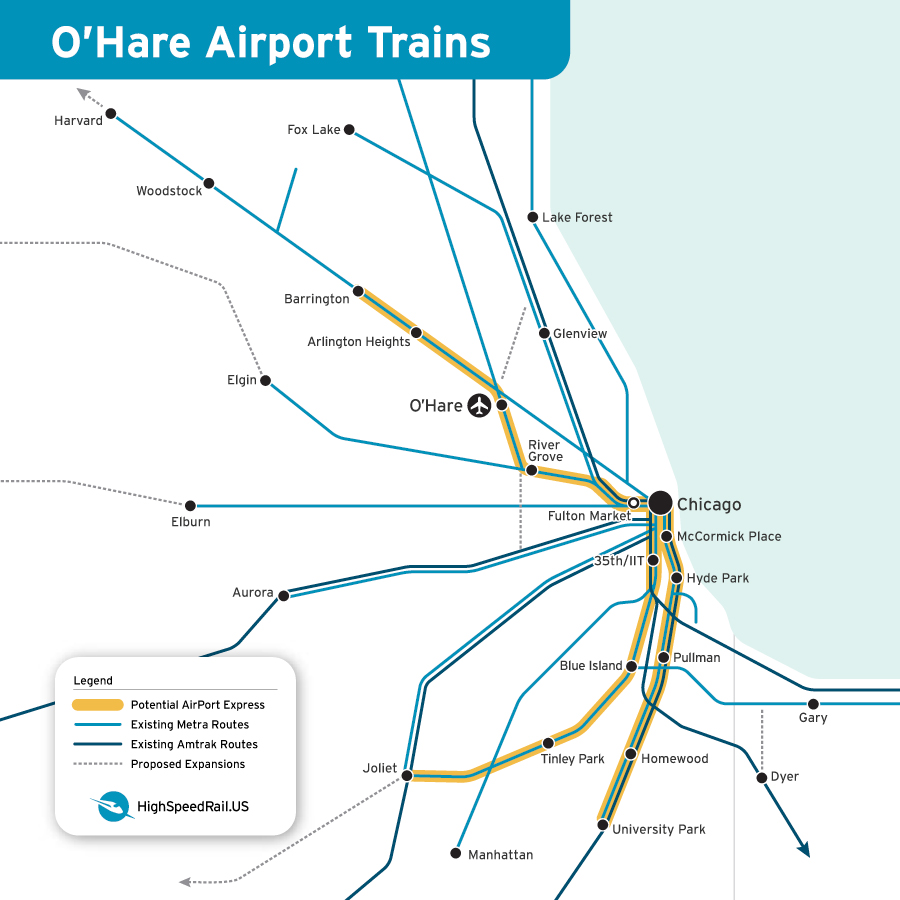
Geographically, Chicago O’Hare Airport is situated approximately 17 to 18 miles (27 to 29 kilometers) northwest of Chicago’s Loop, which is the central business district and the core of Downtown Chicago. This direct distance provides a baseline, but rarely reflects the actual routes taken by roads or public transit, which can be slightly longer due to highway routing or train lines. It’s a manageable distance, neither excessively far nor inconveniently close, striking a balance that allows for efficient airport operations without being right on the city’s doorstep.
Real-World Travel Durations: Factors at Play
While 17-18 miles might sound like a quick hop, real-world travel times are far more dynamic. Several critical factors influence how long your journey will actually take:
- Mode of Transportation: This is perhaps the most significant determinant. Public transit, ride-shares, taxis, shuttles, and rental cars all offer vastly different travel experiences and durations.
- Time of Day: Chicago, like any major metropolitan area in the United States, experiences significant rush hour traffic. Weekday mornings (roughly 6 AM to 9 AM) and afternoons (3 PM to 6 PM) can add substantial time to road-based travel. Even weekends can see traffic congestion, especially during peak travel seasons or major events.
- Day of the Week: Fridays and the eve of holidays often see increased traffic volumes as people leave the city or head to the airport.
- Weather Conditions: Snow, heavy rain, or even dense fog can significantly slow down all forms of transportation, leading to delays and extended travel times.
- Construction: Roadwork and infrastructure projects are an ongoing reality in any large city, and unforeseen construction can occasionally impact travel routes and speeds.
Typically, in optimal conditions (off-peak, good weather), the drive can take 30 to 45 minutes. During peak rush hour, however, this could easily extend to 60 to 90 minutes, or even more in severe cases. Public transit, particularly the train, offers more predictable travel times, largely unaffected by road traffic.
Public Transportation: Efficient and Economical
For many travelers, public transportation represents the most practical and cost-effective way to get from Chicago O’Hare Airport to Downtown Chicago. The city’s robust public transit system provides a reliable and frequent service directly from the airport.
The CTA Blue Line: Your Direct Link
The backbone of airport-to-city public transit is the Chicago Transit Authority (CTA) Blue Line. This ‘L’ train service offers 24/7 operation, providing direct connectivity from all terminals at O’Hare to various stops throughout Downtown Chicago and beyond. The Blue Line station at O’Hare is conveniently located on the lower level of Terminal 2 parking garage, accessible via pedestrian tunnels from all terminals (Terminals 1, 2, and 3) and shuttle from Terminal 5. Follow the “Trains to City” signs.
One of the significant advantages of the Blue Line is its independence from road traffic. This means its travel times are remarkably consistent, offering predictability that other modes often lack.
Navigating the CTA System
Upon arriving at the Blue Line station, travelers will need to purchase a Ventra card or single-ride ticket. Ventra vending machines are available at the station, accepting cash and credit/debit cards. A single fare from O’Hare to Downtown typically costs more than a standard CTA fare but is still significantly cheaper than private transport.
The Blue Line makes several stops within the Loop, including Clark/Lake, State/Lake, Washington, Monroe, Jackson, and LaSalle. Depending on your final destination within Downtown Chicago, you can select the most convenient stop and potentially transfer to other CTA train lines (Red, Brown, Green, Orange, Pink, Purple Lines) or bus routes if needed.
Costs and Frequency
A one-way fare from O’Hare to Downtown Chicago on the Blue Line typically costs around $5. This offers tremendous value, especially for solo travelers or those on a budget. The trains run very frequently, usually every 5-10 minutes during peak hours and every 15-30 minutes during off-peak times and late nights. The entire journey from O’Hare to the heart of the Loop typically takes 45 to 55 minutes, making it a highly efficient option regardless of road conditions.
Private and Ride-Share Options: Convenience at a Premium
For those prioritizing comfort, directness, or traveling with significant luggage or a group, private transportation options offer a compelling alternative to public transit. These services generally provide door-to-door convenience but come at a higher price point.
Taxis and Ride-Shares: Door-to-Door Service
Taxis are readily available at designated taxi stands outside each terminal at O’Hare. The journey to Downtown Chicago typically ranges from $40 to $60, excluding tip, and depending on traffic and exact destination. Chicago taxi fares are metered, but flat rates for airport trips might be an option with some services.
Ride-sharing services like Uber and Lyft also operate extensively at O’Hare. Pick-up areas are clearly marked, and requesting a ride is done directly through their respective apps. Fares for ride-shares can fluctuate based on demand (surge pricing), time of day, and the specific service level chosen (e.g., standard, XL, premium). Expect prices generally to be in the $35 to $65 range, again, excluding tip. The travel time for both taxis and ride-shares will be heavily influenced by road traffic, as detailed earlier, ranging from 30 minutes (off-peak) to 90+ minutes (peak).
Shuttle Services: Shared Savings
Various private shuttle services offer shared-ride or private-car options from O’Hare to hotels and residences in Downtown Chicago. Companies like Go Airport Express are popular choices. Shared-ride shuttles are more economical than a private taxi or ride-share for a single traveler, with fares typically in the $25 to $35 range. However, they involve multiple stops to drop off other passengers, which can extend the overall travel time significantly, sometimes reaching 1.5 to 2 hours depending on the route and number of passengers. Private shuttles offer direct service for a higher, pre-booked rate, comparable to or slightly above a taxi fare. These are particularly useful for groups or families.
Rental Cars: Freedom and Flexibility
For travelers planning to explore areas beyond Downtown Chicago or who simply prefer the independence of driving, renting a car at O’Hare is an option. All major rental car agencies have operations at the airport’s Multi-Modal Facility (MMF), accessible via the Airport Transit System (ATS). While a rental car offers maximum flexibility, it also comes with associated costs (rental fees, insurance, gas, tolls, and potentially expensive downtown parking) and the challenge of navigating city traffic. The drive duration will align with taxi and ride-share times, heavily dependent on traffic conditions. For those staying exclusively in Downtown Chicago, a rental car is often unnecessary and can be more of a hindrance due to traffic and parking difficulties.
Planning Your Journey: Essential Tips for a Smooth Transfer
Regardless of your chosen mode of transport, a little pre-planning can make a significant difference in the efficiency and enjoyment of your journey from Chicago O’Hare Airport to Downtown Chicago.
Time of Day: Avoiding Rush Hour
If your flight arrival time allows for flexibility, try to schedule your transfer outside of peak weekday rush hours (6 AM to 9 AM and 3 PM to 6 PM). This is especially critical if you plan on using road-based transportation (taxi, ride-share, shuttle, rental car). The CTA Blue Line, as mentioned, is your best bet for predictable times during these periods.
Luggage Considerations
The amount and type of luggage you have can influence your transportation choice. While the Blue Line is generally accommodating, navigating busy trains with multiple large suitcases can be cumbersome. Taxis, ride-shares, and shuttles offer more space and direct loading, which can be a significant advantage if you’re traveling with heavy bags, sports equipment, or multiple pieces of luggage.
Accessibility and Special Needs
Travelers with accessibility needs should research options in advance. The CTA Blue Line stations are generally accessible, but it’s always wise to check the latest status of elevators and escalators. Taxis and ride-share services may offer wheelchair-accessible vehicles (WAVs) upon request, though availability can vary. Pre-booking an accessible shuttle service might be the most reliable option for specific requirements.
Staying Informed: Real-Time Updates
Utilize technology to your advantage. Apps like Google Maps, Apple Maps, and the CTA’s own ‘Transit’ app provide real-time traffic updates, public transit schedules, and estimated travel times. Checking these apps upon landing can help you make an informed decision on the best transport method for that specific moment, potentially saving you time and frustration. For road-based options, monitor traffic conditions for any unexpected delays.
Exploring Downtown Chicago Upon Arrival
Once you’ve successfully navigated the journey from Chicago O’Hare Airport to Downtown Chicago, a world of urban adventure awaits. The Loop and surrounding downtown areas are rich with iconic landmarks, cultural institutions, and vibrant streetscapes.
Iconic Attractions Awaiting Your Visit
Upon arrival, you’ll find yourself just moments away from some of Chicago’s most celebrated attractions. The architectural marvels of the Willis Tower (formerly Sears Tower), the sprawling green oasis of Millennium Park with its famous Cloud Gate sculpture (affectionately known as “The Bean”), and the world-renowned Art Institute of Chicago are all within easy reach. Stroll along the Magnificent Mile for unparalleled shopping, or head to Navy Pier for entertainment and stunning lakefront views.
Connectivity Within the City Center
One of the great advantages of Downtown Chicago is its excellent internal connectivity. The CTA ‘L’ train system, with its elevated tracks weaving through the cityscape, provides easy access to almost every neighborhood and attraction. A comprehensive bus network complements the trains, ensuring that no destination is out of reach. For shorter distances, Chicago is also a highly walkable city, especially in the downtown core, offering a fantastic way to experience its unique atmosphere up close.
In conclusion, the journey from Chicago O’Hare Airport to Downtown Chicago is a straightforward one, covering approximately 17-18 miles. With a variety of transportation options, from the economical and efficient CTA Blue Line to convenient taxis and ride-shares, travelers can choose the method that best suits their budget, timeline, and comfort preferences. By understanding the distance, anticipating travel times, and leveraging available tools, your arrival in Chicago will be as smooth and enjoyable as the rest of your visit to this magnificent city.
LifeOutOfTheBox is a participant in the Amazon Services LLC Associates Program, an affiliate advertising program designed to provide a means for sites to earn advertising fees by advertising and linking to Amazon.com. Amazon, the Amazon logo, AmazonSupply, and the AmazonSupply logo are trademarks of Amazon.com, Inc. or its affiliates. As an Amazon Associate we earn affiliate commissions from qualifying purchases.