
For professionals frequently on the road, especially those with recurring business engagements in the Golden State, understanding local labor laws is as crucial as knowing the best routes or top California hotels for an extended stay. The question “Do sick days roll over in California?” isn’t just an HR query for companies; it’s a vital piece of information for the modern business traveler, impacting everything from personal well-being during a critical project to the operational efficiency of their trips. In a state known for its progressive labor policies and a dynamic business landscape spanning tech hubs like Silicon Valley to entertainment epicenters like Hollywood, comprehending sick leave entitlements, particularly their rollover mechanisms, is essential for both employees enjoying a “lifestyle of business travel” and the companies managing these valuable assets.

This article delves into the specifics of California’s paid sick leave law, focusing on its implications for business stays. We’ll explore how these provisions affect planning, compliance, and employee experience, ensuring that whether you’re working remotely from a Los Angeles co-working space or attending a conference in San Francisco, you’re fully informed and prepared.
The Interplay of Business Travel and Employee Rights in California
The concept of a “sick day” takes on a unique dimension when an employee is away from their primary residence and usual workplace on a business trip. In California, where labor protections are robust, these rights extend to individuals working within its borders, regardless of their company’s home base. For frequent business travelers, this means their lifestyle of travel is underpinned by specific legal entitlements.
Understanding California’s Paid Sick Leave Law for Business Travelers
California’s Paid Sick Leave law (Healthy Workplaces, Healthy Families Act of 2014, updated multiple times since) mandates that employees who work for the same employer for 30 or more days within a year in California, including temporary, part-time, and seasonal employees, are entitled to paid sick leave. This isn’t just for full-time residents; it applies to anyone physically working in the state. So, if a business professional from New York is on an extended project in Sacramento for several weeks, they accrue sick leave under California law.
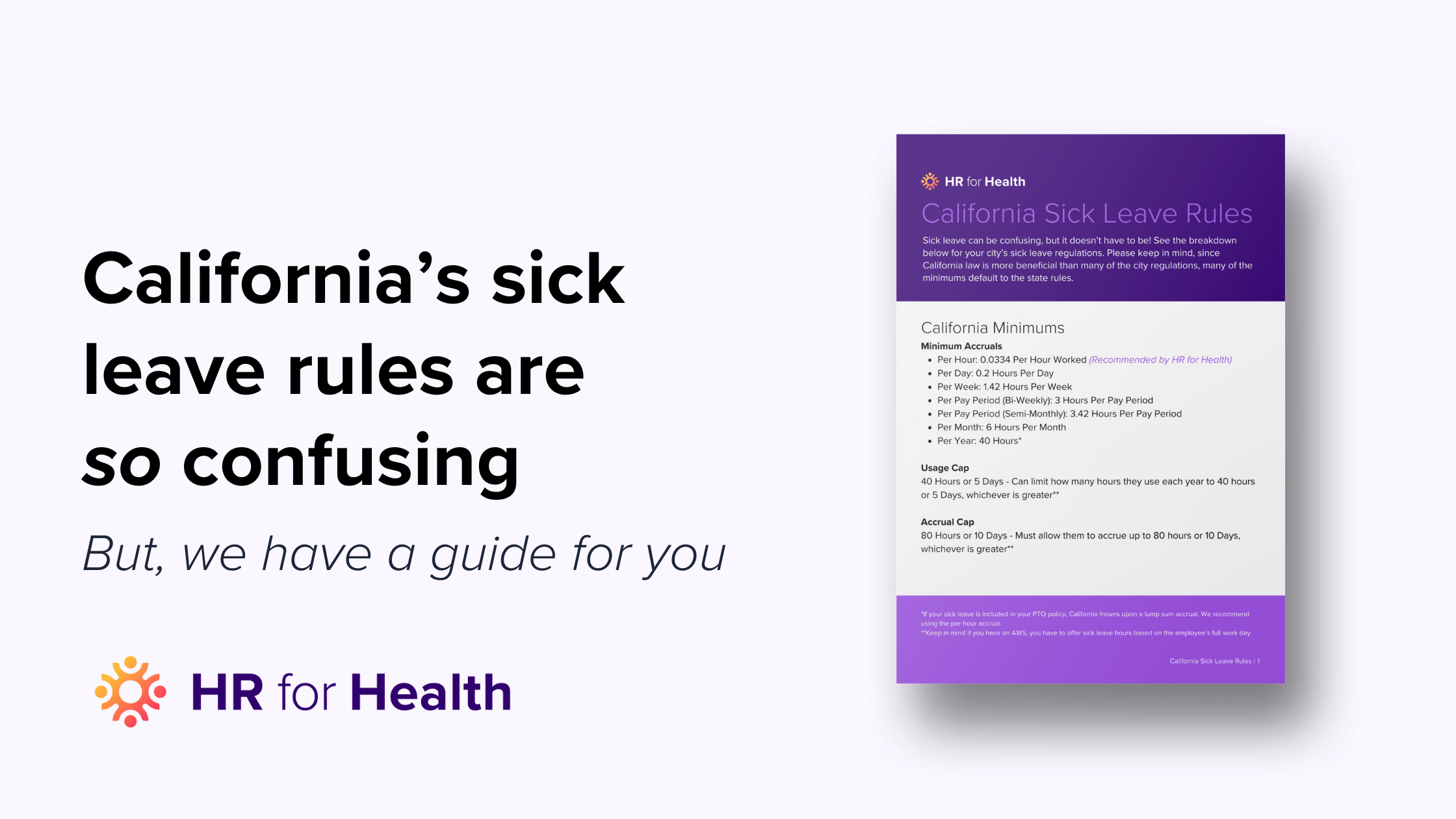
The law requires employers to provide at least one hour of paid sick leave for every 30 hours worked. This accrual system is crucial. For someone whose business lifestyle involves frequent, often intensive, travel, accruing these hours can provide a vital safety net. Whether it’s a sudden illness, a family emergency back home, or even attending to a routine medical appointment that couldn’t be scheduled outside a demanding travel schedule, knowing these hours exist can alleviate significant stress.
Implications for Companies Managing Business Stays
For companies that regularly send employees to California for business, understanding and complying with this law is paramount. It’s not just about legal obligation; it’s about fostering a supportive work environment that values employee well-being, which directly impacts productivity and retention, especially for valuable professionals whose lifestyle often includes extensive travel.
Companies must:
- Track Accrual: Accurately track sick leave accrual for all employees working in California, even if their primary employment is elsewhere. This might require integrating California’s specific rules into broader HR and payroll systems.
- Communicate Policy: Clearly communicate their sick leave policy, outlining how it applies to business travelers in California, including details on accrual rates, usage, and rollover provisions.
- Ensure Accessibility: Make sure employees on business stays can easily request and use their accrued sick leave, even when they’re away from their usual managerial oversight.
Failing to comply can lead to significant penalties, making proactive management of this aspect of employee benefits critical for companies with a presence, however temporary, in the California business landscape.
Decoding California’s Sick Leave Rollover Provisions
The core of our inquiry focuses on the rollover aspect of sick days. This feature often distinguishes more robust sick leave policies, offering greater flexibility and security to employees, particularly those whose work-life balance is often challenged by a business travel lifestyle.
The General Rule: Rollover and Caps
Yes, sick days do generally roll over in California. The law stipulates that accrued, unused paid sick leave must roll over to the following year. This is a significant protection, ensuring that employees don’t lose their earned time off simply because they remained healthy or didn’t need it in a given year. This is particularly beneficial for business travelers who might have unpredictable schedules; a light travel year might mean more accrued time for a demanding year ahead.
However, there’s a crucial caveat: employers are generally allowed to cap the total amount of accrued sick leave an employee can carry over to 48 hours or six days. This cap ensures that while employees retain a substantial bank of sick leave, the employer’s liability for carrying over unlimited hours is contained. It’s important to note that while employers can cap accrual at 48 hours, they cannot cap an employee’s use of sick leave to less than 24 hours or three days per year.
Variations and Employer Policies
While the state law sets the minimum standard, employers in California often implement their own specific policies, which can sometimes be more generous. For example:
- Upfront Grant: Some employers choose to grant the full 24 hours (or 3 days) of sick leave upfront at the beginning of the year, rather than using the accrual method. If an employer uses this method, they are not required to allow unused sick leave to roll over, as long as they provide the full entitlement upfront each year. This is a key distinction for business travelers to understand, as it affects how they plan for potential illness.
- More Generous Accrual/Caps: Companies might offer more than the statutory minimum accrual rate or allow for a higher rollover cap. For employees whose lifestyle involves extensive travel, these enhanced benefits can be a significant perk, offering greater peace of mind.
Understanding these employer-specific variations is just as important as knowing the state minimums. Business travelers should consult their company’s HR policies in conjunction with California law.
What Constitutes a “Sick Day” for Business Professionals?
The law defines “sick days” broadly. It includes not only the employee’s own illness or injury, or for the purpose of receiving medical diagnosis, treatment, or preventative care, but also:
- Care for a family member (child, spouse, parent, grandparent, grandchild, sibling, domestic partner).
- Seeking aid or treatment for domestic violence, sexual assault, or stalking.
For a business traveler, this broad definition is incredibly important. A sudden illness while presenting at a conference in San Diego, a need to fly home quickly to care for an ailing parent, or even dealing with an unforeseen personal crisis can all fall under the purview of paid sick leave. It allows for a more integrated approach to managing a demanding travel lifestyle and personal responsibilities.
Strategic Planning for Business Trips: Integrating Sick Leave Policies
The successful management of a business travel lifestyle in California isn’t just about booking flights and hotels; it also involves proactive planning around potential disruptions, including those related to health and personal emergencies. Integrating sick leave policies into this planning is a mark of a well-prepared professional and a responsible employer.
Preparing for Unforeseen Illness During a California Business Stay
For the individual business traveler, preparation is key. Knowing your accrued sick leave balance before embarking on a significant California trip can help you make informed decisions.
- Emergency Contacts: Ensure your employer and colleagues have emergency contacts.
- Health Information: Carry necessary health insurance details and a list of any essential medications.
- Contingency Plans: Have a contingency plan for critical meetings or deadlines if you were to become ill. This might involve preparing colleagues to step in or ensuring digital access to critical files.
The ability to use accrued sick leave, knowing it rolls over and doesn’t expire with the calendar year (up to the cap), provides a much-needed layer of psychological comfort, empowering business travelers to prioritize their health without fear of losing pay or jeopardizing their professional standing.
Advising Employees on Their Rights and Responsibilities
Employers play a critical role in educating their business travelers. Beyond simply stating the policy, companies should offer clear guidance on:
- How to Request Leave: Explain the process for requesting sick leave while on a business trip, especially if it differs from the standard procedure.
- Documentation: Clarify what, if any, documentation is required (e.g., doctor’s note) when away from the usual office environment.
- Impact on Travel Plans: Discuss how taking sick leave might affect travel itineraries, rebooking expenses, and project timelines.
By doing so, companies empower their employees to make responsible decisions about their health and well-being, contributing to a more sustainable business travel lifestyle.
Budgeting and Operational Considerations for Employers
From an operational standpoint, companies must factor California’s sick leave laws into their budgeting and staffing models for business trips. This includes:
- Cost Implications: Understanding the potential costs associated with paid sick leave, especially if an employee needs to extend a hotel stay or rebook flights due to illness.
- Staffing Redundancy: Building in some level of redundancy or cross-training for critical roles that involve frequent California business travel, to mitigate the impact of an employee unexpectedly needing to take sick leave.
- Travel Insurance: Considering comprehensive business travel insurance that might cover certain expenses related to illness or emergency leave, complementing the sick leave policy.
These considerations are part of a holistic approach to managing a workforce that embraces a mobile, dynamic lifestyle.
Ensuring Compliance and Employee Well-being During California Business Travel
Navigating the nuances of California’s sick leave laws, particularly for a transient workforce, underscores a broader commitment to compliance and employee well-being. For companies operating in or sending employees to California, this is not just a legal exercise but a strategic imperative that shapes their reputation and operational resilience.
Best Practices for Companies with Employees in California
To ensure seamless integration of sick leave policies with a business travel lifestyle, companies should adopt several best practices:
- Centralized Tracking System: Implement robust HR and payroll systems capable of tracking sick leave accrual and usage specifically for California work, especially for employees whose primary base is outside the state.
- Regular Policy Reviews: Periodically review and update sick leave policies to align with any changes in California law or company-specific enhancements.
- Training for Managers: Equip managers with the knowledge and tools to effectively administer sick leave requests from employees on business trips.
- Transparent Communication: Maintain open and transparent communication channels regarding sick leave entitlements, ensuring all business travelers are fully aware of their rights and the process for utilizing them.
By adhering to these practices, businesses can cultivate a culture of trust and support, which is invaluable for employees maintaining a demanding travel schedule.
Empowering Employees on the Go
For the individual business traveler, being empowered means having easy access to their sick leave balance and understanding how to use it, even when geographically separated from their main HR department. This might involve:
- Self-Service Portals: Providing online portals where employees can check their sick leave balance and submit requests.
- Mobile Accessibility: Ensuring these resources are accessible via mobile devices, recognizing that business travelers often rely on their smartphones for work-related tasks.
- Clear Contact Points: Designating clear points of contact within HR for sick leave inquiries, especially for urgent situations during a trip.
This accessibility enhances the quality of the business travel lifestyle, reducing administrative burdens and allowing employees to focus on their work and well-being.

Future Trends and Legislative Updates
California’s labor laws are dynamic, often setting precedents for other states. Businesses and business travelers alike should stay abreast of any potential legislative updates concerning paid sick leave. As the nature of work evolves, with increasing remote work and hybrid models, the application of such laws to individuals frequently crossing state lines for business may also see further refinement. Subscribing to HR updates, legal bulletins, and industry news is vital for maintaining compliance and proactively adjusting to new requirements.
In conclusion, the answer to “Do sick days roll over in California?” is a resounding “Yes,” albeit with specific caps and nuances. This provision is a cornerstone of employee protection in the state, profoundly impacting the lifestyle of business travelers and the operational strategies of companies sending them there. By understanding and embracing these regulations, both individuals and organizations can navigate the demanding world of business travel with greater confidence, care, and compliance, ensuring that well-being remains a priority amidst professional pursuits.
LifeOutOfTheBox is a participant in the Amazon Services LLC Associates Program, an affiliate advertising program designed to provide a means for sites to earn advertising fees by advertising and linking to Amazon.com. Amazon, the Amazon logo, AmazonSupply, and the AmazonSupply logo are trademarks of Amazon.com, Inc. or its affiliates. As an Amazon Associate we earn affiliate commissions from qualifying purchases.