
Embarking on a journey from the bustling metropolis of Chicago, Illinois, to the vibrant shores of Cleveland, Ohio, offers a quintessential American Midwest travel experience. Whether for business, leisure, or family visits, understanding the distance and myriad travel options between these two significant cities is the first step in planning an unforgettable trip. This comprehensive guide delves into every aspect of this popular route, providing insights into distances, travel modes, estimated times, and even points of interest along the way, ensuring your journey is as smooth and enjoyable as the destinations themselves.
The Geographic Reality: Distance and Overview
The question “How far is Chicago to Cleveland?” is more complex than a simple number, as it depends significantly on the mode of transport and the specific route taken. However, understanding the basic geographic relationship is crucial.
Straight Line vs. Road Distance
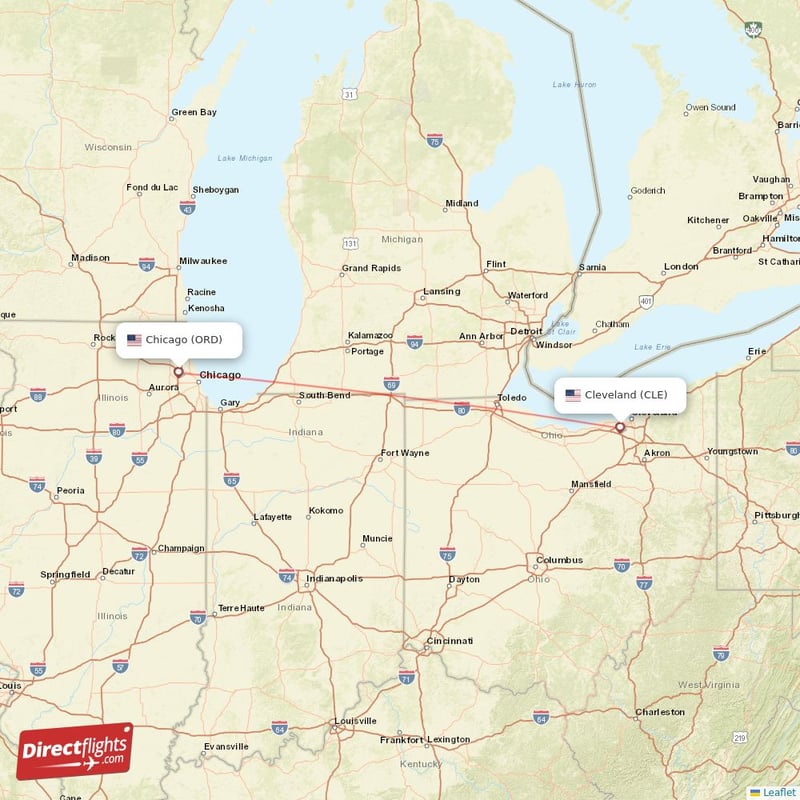
As the crow flies, the air distance between Chicago and Cleveland is approximately 300 miles (483 kilometers). This measurement, while useful for understanding the general proximity, doesn’t reflect the reality of ground travel, which must contend with natural barriers, road networks, and populated areas.
For practical purposes, the driving distance is what most travelers consider. The most common driving routes typically span between 340 to 355 miles (547 to 571 kilometers). This variance is due to slight differences in highways chosen, particularly through Indiana and Ohio. This journey primarily follows Interstate 80/90, also known as the Indiana Toll Road and the Ohio Turnpike, making it a relatively straightforward drive across the heartland.
Why the Journey Matters
The route between Chicago and Cleveland is more than just a logistical challenge; it’s a gateway to diverse experiences. From the architectural marvels and cultural institutions of Chicago to Cleveland’s rich industrial heritage and thriving arts scene, the journey itself can be tailored to be part of the adventure. Whether you prioritize speed, cost, comfort, or scenic beauty, there’s a travel option perfectly suited to your needs.
Navigating the Midwest: Travel Options Between Chicago and Cleveland
The journey between Chicago and Cleveland offers a variety of transportation methods, each with its own advantages and considerations.
Driving: The Most Flexible Choice
Driving remains the most popular option for many travelers, offering unparalleled flexibility and the ability to explore at one’s own pace.
Route Options and Road Conditions
The primary route is via Interstate 80 East, which merges with Interstate 90 East, traversing northern Indiana and then continuing as the Ohio Turnpike. This route is generally well-maintained, with multiple lanes, and serves as a major commercial and travel artery.
- Interstate 80/90 (Toll Roads): This is the fastest and most direct route. Travelers will encounter tolls in both Indiana and Ohio. The roads are designed for efficiency, with ample rest stops and service areas.
- Alternative Routes (Non-Toll): While possible to avoid tolls, these routes often involve more local roads, slower speeds, and add significant time to the journey. They may offer a glimpse into smaller towns but are generally not recommended for those prioritizing speed.
Road conditions are usually good, but travelers should be aware of potential congestion around major cities, especially during peak hours (morning and evening commutes) in Chicago, Gary, Indiana, and as one approaches Cleveland. Winter travel can also introduce challenges such as snow and ice, requiring extra caution and potentially extending travel times.
Estimated Driving Time and Fuel Considerations
Under ideal conditions (no significant traffic, good weather), the drive from Chicago to Cleveland typically takes approximately 5 to 6 hours. This estimate does not include stops for fuel, food, or rest. For a comfortable journey, most people plan for at least one or two stops, extending the total travel time to 6-7 hours.
Fuel costs will vary based on vehicle efficiency and current gas prices. Given the distance, a full tank in most standard vehicles should cover a significant portion of the journey, but planning for at least one refill along the route is wise.
Rail Travel: A Scenic and Relaxing Alternative
For those who prefer to avoid driving, train travel offers a comfortable and often scenic option. Amtrak provides service between Chicago and Cleveland.
Amtrak Routes and Experience
Amtrak operates several routes that connect Chicago’s Union Station to Cleveland’s Lakefront Station. The Capitol Limited and the Cardinal are two primary services that pass through Cleveland.
- Journey Duration: Train journeys typically take longer than driving, averaging 7 to 8 hours. This duration can vary based on specific train schedules, stops, and potential delays.
- Amenities: Amtrak trains offer a range of amenities, including comfortable seating, dining cars, restrooms, and often Wi-Fi, allowing passengers to work, relax, or enjoy the passing landscapes without the stress of driving.
- Cost: Ticket prices fluctuate based on demand, how far in advance you book, and the class of service. It’s advisable to check Amtrak’s website for the most current pricing and schedules.
Bus Services: Budget-Friendly and Convenient
Bus travel is often the most economical choice for travel between Chicago and Cleveland, catering to budget-conscious travelers and those who prefer not to drive or fly.
Major Operators and Journey Length
Several major bus companies, such as Greyhound and FlixBus, operate daily services between the two cities.
- Journey Duration: Bus trips are generally the longest option, often taking 8 to 10 hours, including stops for passenger pick-ups, drop-offs, and driver changes.
- Cost: Bus fares are typically the lowest among all travel modes, making them an attractive option for students or those on a tight budget.
- Departure/Arrival Points: Buses usually depart from major transportation hubs in Chicago, such as the Greyhound station, and arrive at similar terminals in Cleveland.
Air Travel: The Fastest Connection
For those prioritizing speed above all else, flying is the quickest way to travel from Chicago to Cleveland.
Major Airports and Flight Duration
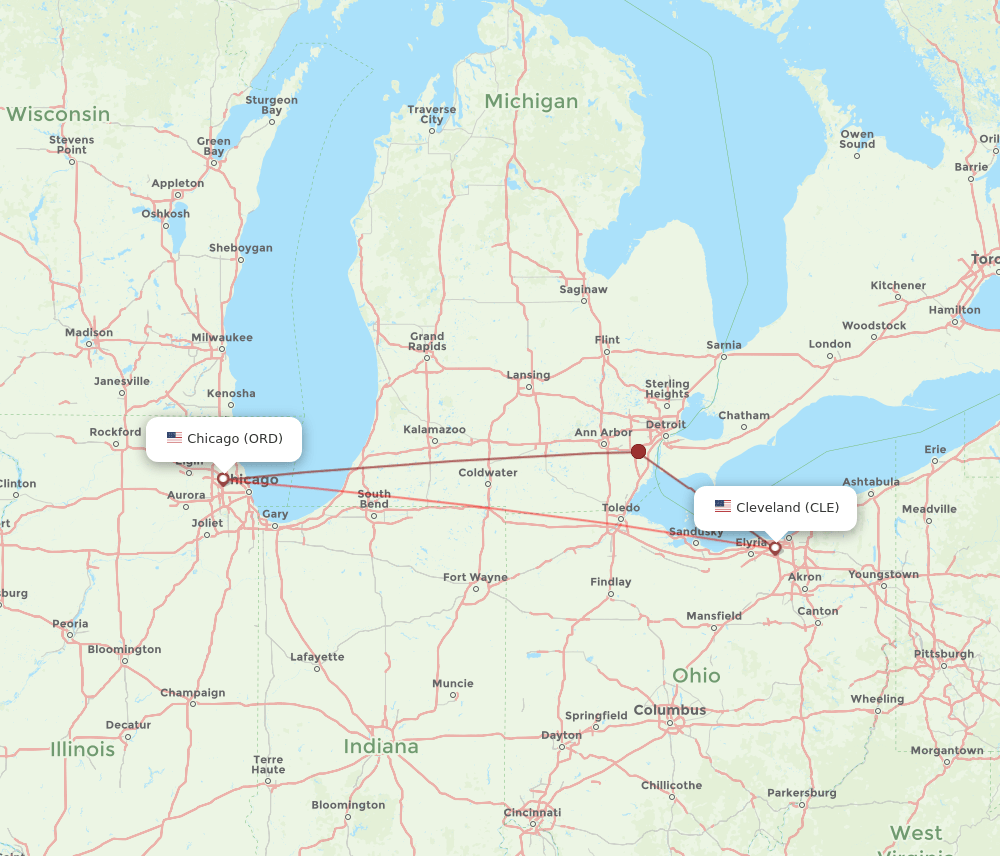
Travelers flying from Chicago will typically depart from O’Hare International Airport (ORD) or Midway International Airport (MDW) and arrive at Cleveland Hopkins International Airport (CLE).
- Flight Time: The actual flight time is remarkably short, usually around 1 hour to 1 hour and 15 minutes.
- Total Travel Time: However, this short flight time doesn’t account for the entire travel experience. When factoring in travel to and from airports, security checks, boarding, and baggage claim, the total door-to-door travel time can easily extend to 4 to 6 hours.
- Cost: Airfares can vary significantly, often being more expensive than bus or train travel, especially if booked last minute. However, competitive pricing can sometimes make flights a viable option if booked in advance.
Unveiling the Journey: What to Expect Along the Way
The drive between Chicago and Cleveland offers more than just miles of highway. It’s a cross-section of the American Midwest, with opportunities for interesting stops and scenic views.
Midwest Charm: Notable Stops and Attractions
While the primary route is efficient, travelers with extra time can transform a simple drive into a mini-road trip.
- South Bend, Indiana: Home to the University of Notre Dame, South Bend offers a chance to see its iconic Golden Dome and beautiful campus. It’s a convenient stop roughly two hours into the drive from Chicago.
- Toledo, Ohio: Situated on the Maumee River and near Lake Erie, Toledo is another viable stop, roughly two hours before Cleveland. The Toledo Museum of Art is particularly renowned for its glass collection.
- Sandusky, Ohio / Lake Erie Shore: For families or thrill-seekers, a slight detour north from the turnpike near Sandusky leads to Cedar Point, one of the world’s premier amusement parks, located on a peninsula jutting into Lake Erie. This would add significant time but could be a highlight of a leisure trip.
Practical Considerations for Travelers
Planning ahead can make a significant difference in the quality of your travel experience.
Best Time to Travel
- Spring and Fall: These seasons generally offer the most pleasant weather for driving, with milder temperatures and beautiful foliage.
- Summer: Popular for family vacations, summer can bring warmer temperatures and increased traffic, especially on weekends and holidays. Consider booking accommodations and attractions in advance.
- Winter: Travel during winter months (December to March) can be challenging due to snow, ice, and freezing rain, particularly through Indiana and Ohio. Always check weather forecasts and road conditions before departing.
Packing Essentials
Regardless of your chosen mode of transport, a well-packed bag can enhance your comfort. Consider bringing snacks, water, entertainment (books, headphones), and a portable charger for electronic devices. For drivers, a car emergency kit is always a good idea.
Destinations Await: A Glimpse into Chicago and Cleveland
Understanding the distance is only the beginning. Both Chicago and Cleveland are rich in culture, history, and attractions, making the journey between them a rewarding endeavor.
Exploring the Windy City: Chicago’s Allure
Chicago is a world-class city, renowned for its stunning architecture, vibrant arts scene, and diverse culinary landscape.
- Iconic Landmarks: Visit Millennium Park to see “The Bean” (Cloud Gate), explore the grandeur of the Art Institute of Chicago, or take in panoramic views from the Willis Tower Skydeck.
- Cultural Experiences: Enjoy a show in the historic Chicago Theatre district, explore the interactive exhibits at Navy Pier, or delve into the city’s rich history at the Field Museum.
- Culinary Delights: Indulge in Chicago’s famous deep-dish pizza, explore Michelin-starred restaurants, or sample diverse international cuisine in its many neighborhoods.
Discovering the Rock and Roll City: Cleveland’s Charms
Cleveland, situated on the southern shore of Lake Erie, is a city of resilience and cultural rebirth, offering a unique blend of industrial heritage and modern attractions.
- Musical Heritage: The undisputed highlight is the Rock & Roll Hall of Fame, a pilgrimage site for music lovers worldwide.
- Arts and Culture: Explore the world-class collections at the Cleveland Museum of Art, enjoy a performance at Playhouse Square, the second-largest performing arts center in the U.S., or wander through the historic West Side Market for a taste of local flavors.
- Outdoor Activities: Enjoy the scenic beauty of the Cleveland Metroparks, often called the “Emerald Necklace,” or relax by the shores of Lake Erie.
Making Your Decision: Choosing the Right Travel Mode
The best way to travel between Chicago and Cleveland depends entirely on your personal preferences, budget, and schedule.
Factors to Consider
- Time: If speed is paramount, flying is the clear winner, despite the airport overhead. If you have a full day, driving, train, or bus are viable.
- Cost: Bus travel is typically the most budget-friendly, followed by train, driving (especially for multiple passengers sharing fuel costs), and then flying.
- Flexibility: Driving offers maximum flexibility for stops and departure times. Train and bus adhere to fixed schedules but relieve the stress of driving.
- Comfort: Trains generally offer more space and comfort than buses, while driving comfort depends on your vehicle. Flights are short but involve airport hassles.
- Group Size: For families or groups, driving can be significantly more cost-effective and convenient than purchasing multiple plane, train, or bus tickets.
- Purpose of Travel: Business travelers might prioritize speed (flights), while leisure travelers might prefer the scenic route and flexibility of driving or the relaxation of a train.

Planning Your Itinerary
Once you’ve decided on your mode of transport, meticulous planning will ensure a smooth journey. Book tickets for flights, trains, or buses well in advance, especially during peak travel seasons. If driving, map out your route, identify potential rest stops, and check for any road closures or construction. Both Chicago and Cleveland are cities best explored with a planned itinerary, taking into account opening hours, booking attractions, and making dinner reservations.
In conclusion, the journey from Chicago to Cleveland is an accessible and rewarding one, with a variety of travel options to suit every need. By understanding the distances, considering the travel modes, and planning thoughtfully, your trip across the Midwest will be an enjoyable part of your overall experience.
LifeOutOfTheBox is a participant in the Amazon Services LLC Associates Program, an affiliate advertising program designed to provide a means for sites to earn advertising fees by advertising and linking to Amazon.com. Amazon, the Amazon logo, AmazonSupply, and the AmazonSupply logo are trademarks of Amazon.com, Inc. or its affiliates. As an Amazon Associate we earn affiliate commissions from qualifying purchases.