
For anyone considering a journey through the heart of Illinois, understanding the distance and travel implications between the bustling metropolis of Chicago and the historic state capital, Springfield, is paramount. This isn’t just about a simple mileage count; it’s about navigating the diverse landscapes of the Midwest, choosing the optimal mode of transport, and appreciating the nuances of a journey that connects two of the state’s most significant cities. Whether for business, leisure, or a deeper dive into American history, the route from Chicago to Springfield offers a quintessential Illinois experience, rich with practical considerations for the discerning traveler.
The Distance Unpacked: Understanding the Journey
The question “How far is Chicago to Springfield?” seems straightforward, yet the answer varies depending on how one measures it and, more importantly, how one plans to travel. Unlike a straight line on a map, real-world travel involves roads, rails, and air routes, each with its own unique characteristics that influence the perceived distance and duration.
Straight-Line vs. Driving Distance
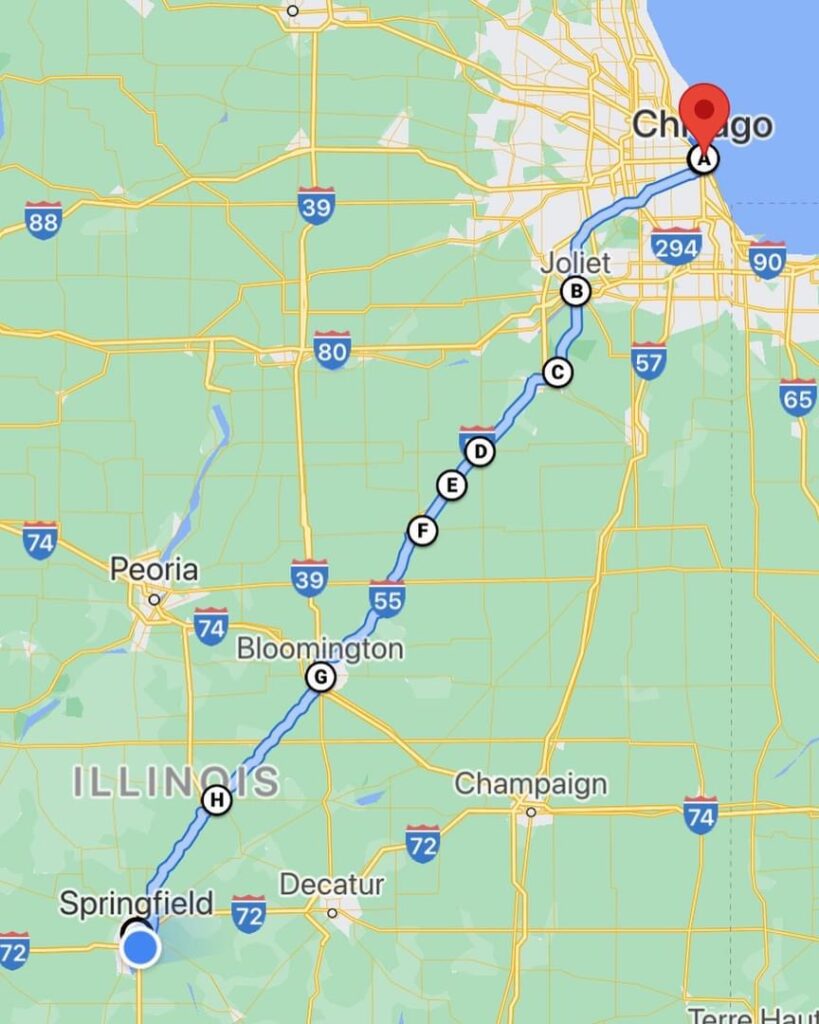
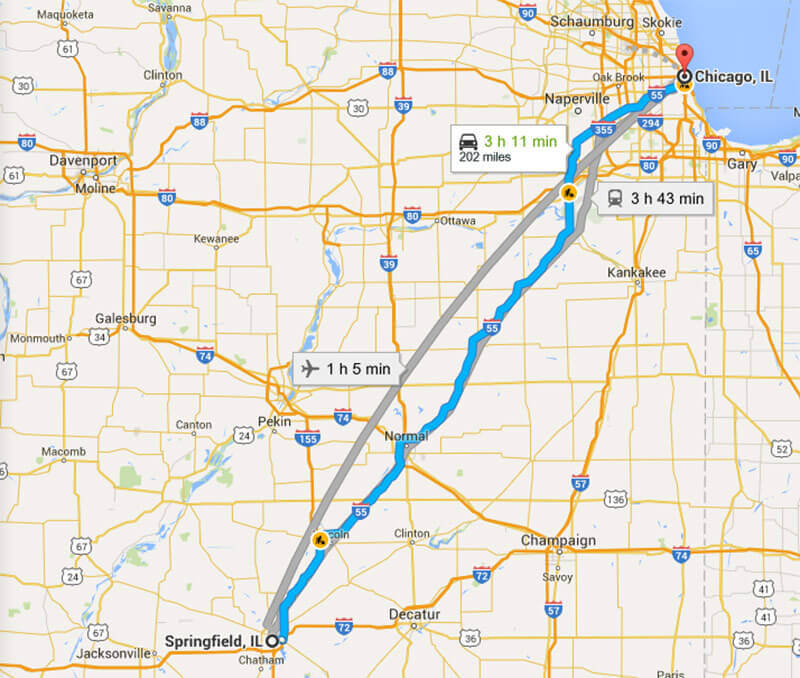
Geographically, the straight-line (or “as the crow flies”) distance between the heart of Chicago and Springfield is approximately 185 miles (around 298 kilometers). However, for practical travel purposes, this figure is largely theoretical. The actual driving distance, which is what most travelers will concern themselves with, is typically around 190 to 200 miles (305 to 322 kilometers), depending on the specific starting point in Chicago and destination in Springfield, as well as the exact route taken.
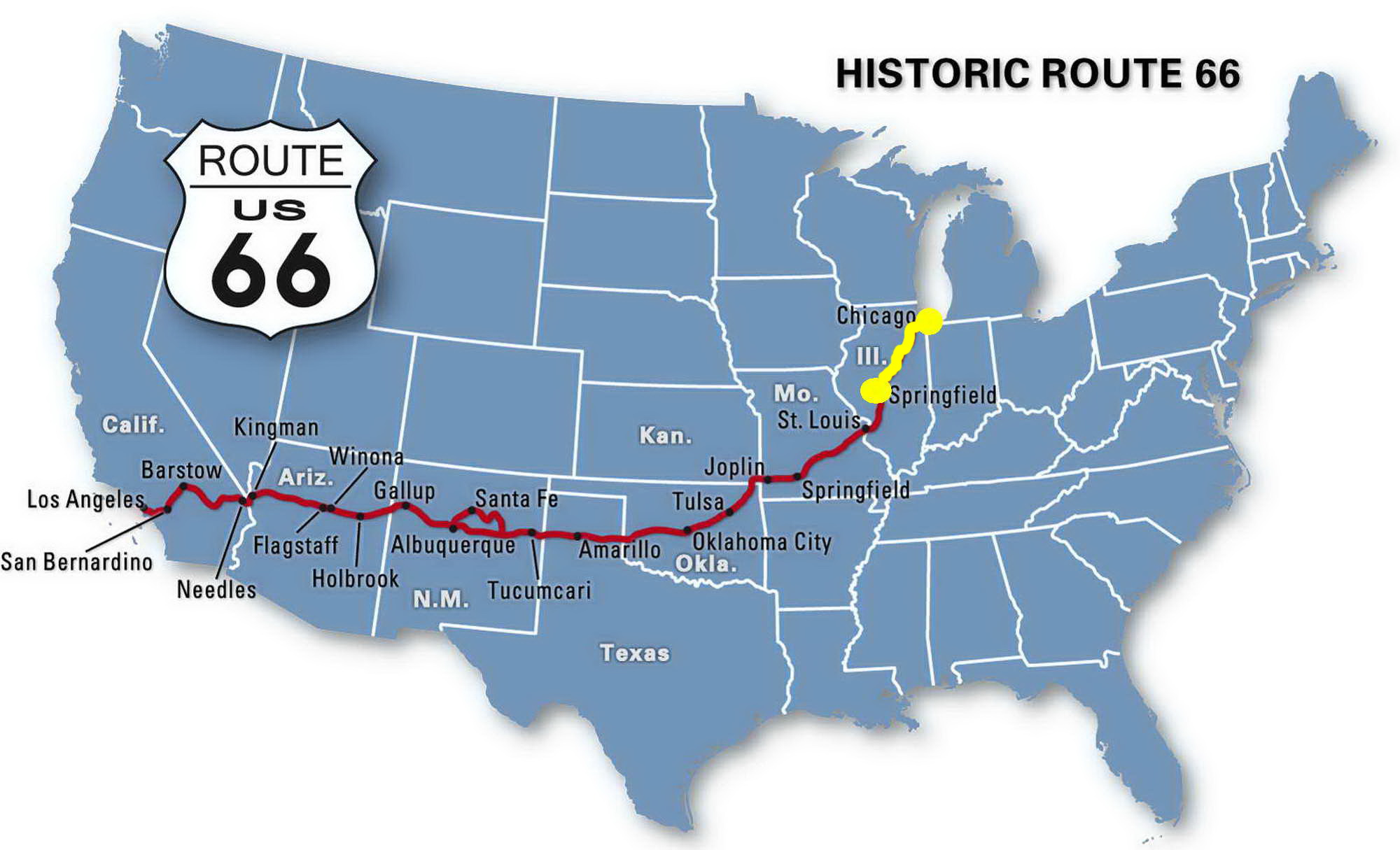
The primary artery connecting these two cities by road is Interstate 55 (I-55), a well-maintained four-lane highway that offers a relatively direct path through central Illinois. While I-55 is the most common and efficient route, some travelers might opt for more scenic or historic paths, such as segments of the legendary Route 66, which would add miles and, consequently, travel time to the journey. The slight variance in driving distance underscores the importance of route planning, especially when time is a critical factor.
Why the Difference Matters for Travelers
Understanding this distinction is crucial for effective travel planning. The difference between straight-line and driving distance isn’t merely academic; it translates directly into estimates for fuel consumption, travel time, and potential stops along the way. For instance, a 190-mile drive implies a certain amount of time behind the wheel, factoring in speed limits, traffic conditions, and necessary breaks. This directly impacts itinerary development, especially when connecting flights, meetings, or scheduled attractions are involved.
Furthermore, the choice of route can significantly alter the travel experience. A direct I-55 trip is efficient but largely utilitarian, whereas a detour onto Route 66 offers a nostalgic journey through small towns and historic sites, albeit at a slower pace. The traveler’s priorities—be it speed, cost-efficiency, or experiential enrichment—will dictate which “distance” truly matters most for their specific trip.
Navigating the Route: Transportation Options
Traveling from Chicago to Springfield offers a variety of transportation choices, each with its own set of advantages and considerations. The best option often depends on personal preferences regarding comfort, cost, speed, and flexibility.
Driving: Flexibility and Scenic Stops
Driving remains the most popular option for many travelers making the journey. The roughly 3- to 3.5-hour drive via I-55 provides unparalleled flexibility. Travelers can depart at their leisure, carry as much luggage as their vehicle allows, and make spontaneous stops. The route is predominantly flat, traversing the rich agricultural lands of central Illinois.
For those interested in a more historical journey, sections of the original Route 66 run parallel to I-55 and offer a charming alternative. While slightly longer, this route allows for visits to iconic roadside attractions and classic diners in towns like Joliet, Pontiac, and Lincoln. Renting a car in Chicago is straightforward, with numerous rental agencies available at both O’Hare International Airport and Midway International Airport, as well as downtown locations.
Rail Travel: The Amtrak Experience
For a comfortable and scenic alternative to driving, Amtrak offers regular train service between Chicago’s historic Union Station and Springfield. The train journey typically takes between 3 to 3.5 hours, comparable to driving time without the stresses of navigating traffic or finding parking. Passengers can relax, enjoy the passing Illinois countryside, and often have access to Wi-Fi and dining cars.
Amtrak is particularly appealing for business travelers who wish to work en route, or for those who prefer not to drive long distances. Reservations are highly recommended, especially during peak travel seasons, to secure preferred seating and fares. The Springfield Amtrak station is conveniently located near downtown attractions, making it easy for arrivals to access the city’s offerings.
Bus Services: Economical and Convenient
Bus travel presents the most economical option for reaching Springfield from Chicago. Several bus companies operate daily services, with travel times typically ranging from 3.5 to 4.5 hours, depending on the number of stops. While generally slower than driving or taking the train, buses offer a no-frills, cost-effective solution, especially for budget-conscious travelers or those without access to a car.
Bus terminals in Chicago are centrally located, often near Union Station, and the drop-off points in Springfield are usually convenient to public transportation or taxi services. While amenities might be more basic compared to train travel, many modern buses now offer Wi-Fi and power outlets, enhancing the travel experience.
Air Travel: When Speed is Paramount
While there are airports in both Chicago (primarily O’Hare International Airport and Midway International Airport) and Springfield (Abraham Lincoln Capital Airport), direct commercial flights between the two cities are uncommon due to their relative proximity. Flying would involve connecting flights, significantly increasing both travel time and cost when accounting for airport transfers, security checks, and layovers.
For this specific route, air travel is generally not a practical or efficient option compared to driving, taking the train, or bus. It might only be considered in very niche circumstances, such as private charter flights, but for the vast majority of travelers, ground transportation methods are overwhelmingly superior in terms of convenience and efficiency.
Planning Your Trip: Key Considerations
Successful travel hinges on meticulous planning. For the Chicago-Springfield route, understanding seasonal impacts, budgeting, and essential preparations can elevate a mere journey into a seamless travel experience.
Best Time to Travel
The ideal time to travel from Chicago to Springfield largely depends on personal preference and the purpose of the visit.
- Spring (April-May): Mild temperatures and blooming landscapes make for pleasant driving conditions. Springfield’s Lincoln-related historical sites are generally less crowded than in summer.
- Summer (June-August): Warm weather, but also peak tourist season. Expect more traffic, higher prices for accommodation, and potentially crowded attractions. Driving during midday can be hot, and afternoon thunderstorms are possible.
- Fall (September-October): Often considered the best time to visit. The weather is crisp, and the autumn foliage along the route provides a beautiful backdrop. Fewer crowds than summer, and comfortable temperatures for exploring.
- Winter (November-March): Can present challenges due to snow, ice, and cold temperatures. Driving requires extra caution, and delays are possible for all modes of transport. However, attractions are often less crowded, and winter events can be charming.
Estimated Travel Times and Costs
- Driving: Approximately 3 to 3.5 hours. Costs include fuel (variable, depending on vehicle efficiency and gas prices) and potential tolls, though I-55 is largely toll-free in Illinois. Parking in Springfield is generally easier and more affordable than in Chicago.
- Train (Amtrak): Roughly 3 to 3.5 hours. Fares can range from $20-$50+ for a one-way coach ticket, depending on how far in advance you book and the class of service.
- Bus: Around 3.5 to 4.5 hours. Fares are typically the most budget-friendly, often ranging from $15-$30 for a one-way ticket.
It’s advisable to check current prices and schedules closer to your travel date, as these can fluctuate based on demand, season, and specific operator.
What to Pack and Prepare
Regardless of your mode of transport, a few preparations can enhance your journey:
- Navigation: If driving, ensure your GPS or mapping app is updated. For train or bus, confirm departure and arrival times.
- Connectivity: Portable chargers for electronic devices are essential. Many trains and buses offer Wi-Fi, but it’s not always reliable.
- Comfort: A good book, headphones, neck pillow, and snacks can make a long journey more enjoyable.
- Clothing: Dress in layers, especially when traveling across seasons, as temperatures can vary.
- Identification: Keep your ID, tickets, and reservation details readily accessible.
Making the Most of Your Journey: Points of Interest Along the Way
While the primary objective might be to reach Springfield, the journey itself can be an integral part of the travel experience. The corridor between Chicago and Springfield is dotted with sites that offer glimpses into Illinois’s rich history and diverse landscape.
Historical and Cultural Stops
For those driving along I-55 or the parallel Route 66, several towns offer compelling reasons to pause. Pontiac, for instance, boasts an impressive Route 66 Hall of Fame and Museum, along with numerous vibrant murals depicting the mother road’s legacy. Further south, the city of Lincoln holds the unique distinction of being the first town named after Abraham Lincoln before he became president. Travelers can visit the Historic Postville Courthouse or see the statue of Lincoln holding a watermelon. These stops not only break up the drive but also provide context to the historical significance of Springfield as the state capital and a Lincoln stronghold.
Natural Beauty and Outdoor Breaks
The journey also offers opportunities to connect with Illinois’s natural beauty. While vast corn and soybean fields dominate the landscape, state parks and recreation areas are accessible with slight detours. For example, Starved Rock State Park, though a bit off the direct route north of Springfield, is a highly acclaimed natural area featuring canyons, waterfalls, and hiking trails, making for an excellent extended stop if time allows. Even shorter breaks at rest stops along I-55 provide a chance to stretch legs and breathe in the fresh Midwest air, offering a moment of tranquility amidst the journey.
Arriving in Springfield: What to Expect
Upon arrival in Springfield, travelers transition from the journey itself to the destination experience. Knowing what to expect regarding local navigation and the city’s general ambiance can facilitate a smooth arrival and immediate immersion.
Navigating the City
Springfield is considerably smaller and less congested than Chicago, making navigation relatively straightforward. The downtown area, where many of Springfield’s key attractions like the Abraham Lincoln Presidential Library and Museum and the Old State Capitol are located, is walkable. For exploring beyond the immediate city center, a car is beneficial, or one can utilize local taxi services and ride-sharing apps. Public transportation in Springfield is available, though it operates on a more limited schedule and network compared to larger cities. If arriving by Amtrak, the station’s central location simplifies access to downtown hotels and sites.
Initial Impressions for Visitors
Visitors often find Springfield to be a charming city with a palpable sense of history, particularly its deep ties to Abraham Lincoln. The pace is slower than in Chicago, offering a more relaxed environment. The architecture often reflects its historical significance, and the overall atmosphere is welcoming. Expect friendly locals and a civic pride rooted in the city’s role as the state capital and a monument to a pivotal figure in American history. Preparing for this transition from urban dynamism to historic tranquility can help travelers adjust quickly and fully appreciate all that Springfield has to offer.
In conclusion, the journey from Chicago to Springfield is more than just a measurement of distance; it’s a planned expedition requiring consideration of travel mode, timing, and personal interests. At approximately 190-200 miles, this route is easily traversable by car, train, or bus, each offering a distinct travel experience. By understanding the options and planning thoughtfully, travelers can ensure their trip is not just efficient, but also an enjoyable exploration of Illinois’s diverse heartland.
LifeOutOfTheBox is a participant in the Amazon Services LLC Associates Program, an affiliate advertising program designed to provide a means for sites to earn advertising fees by advertising and linking to Amazon.com. Amazon, the Amazon logo, AmazonSupply, and the AmazonSupply logo are trademarks of Amazon.com, Inc. or its affiliates. As an Amazon Associate we earn affiliate commissions from qualifying purchases.