
Embarking on a journey from the shores of Lake Erie in Cleveland, Ohio, to the vibrant metropolis hugging Lake Michigan in Chicago, Illinois, is a classic American travel experience. Whether you’re planning a business trip, a family vacation, or a solo adventure, understanding the distance and various travel options is the first step towards a smooth and enjoyable expedition. This guide delves into the specifics, offering a comprehensive look at how to navigate the route between these two significant Midwestern cities.
The Straightforward Answer: Distance and Time
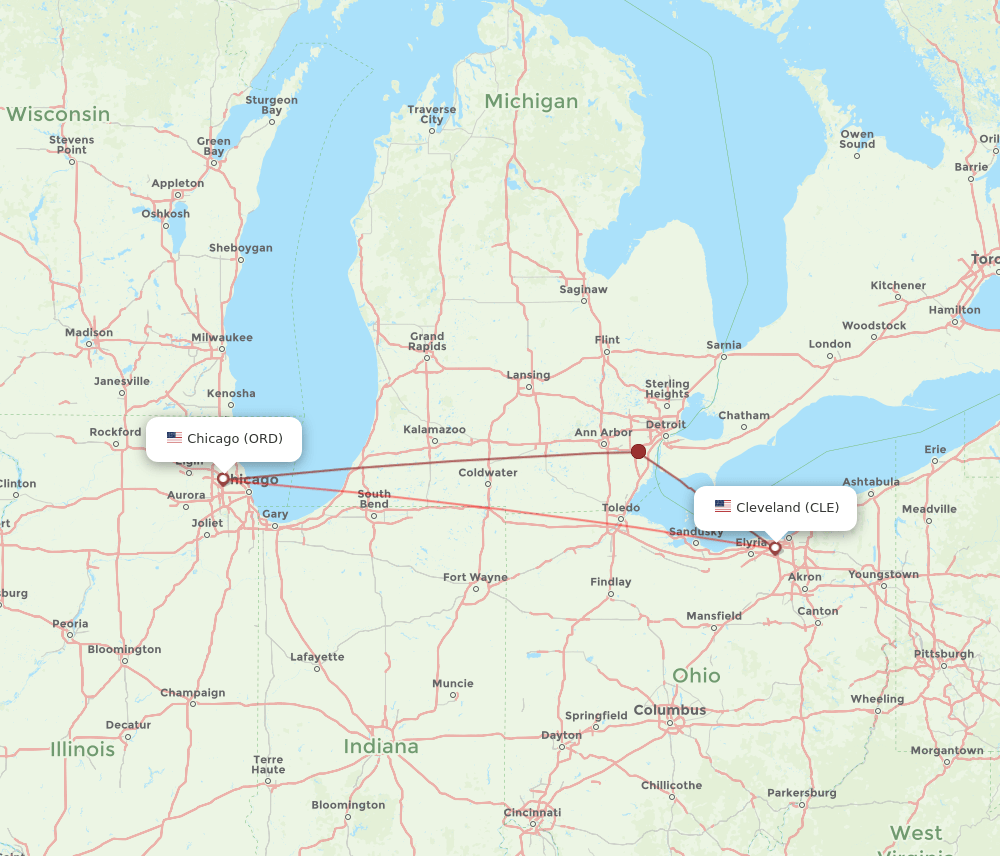
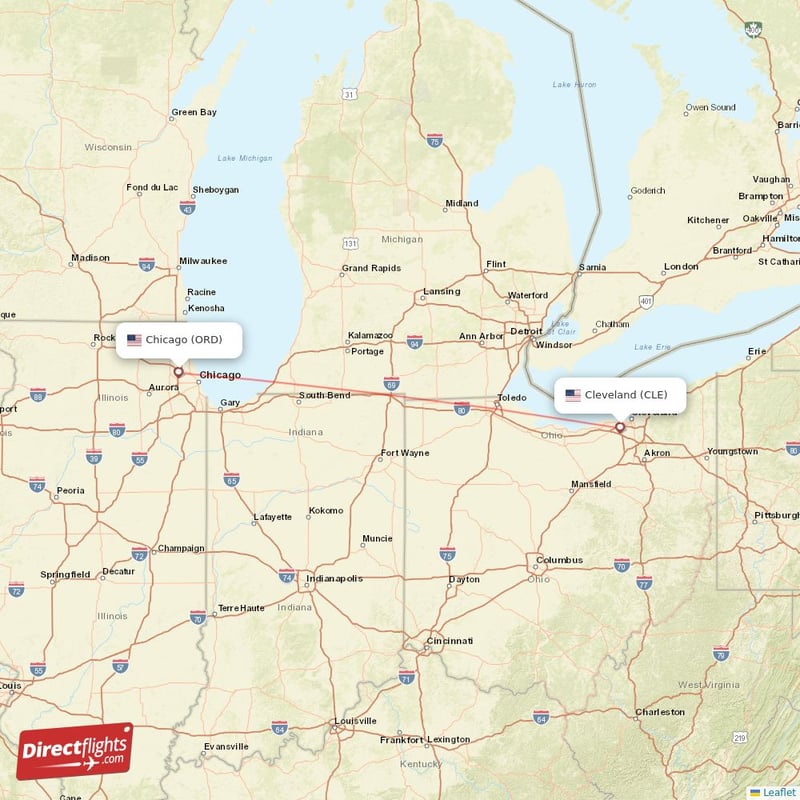
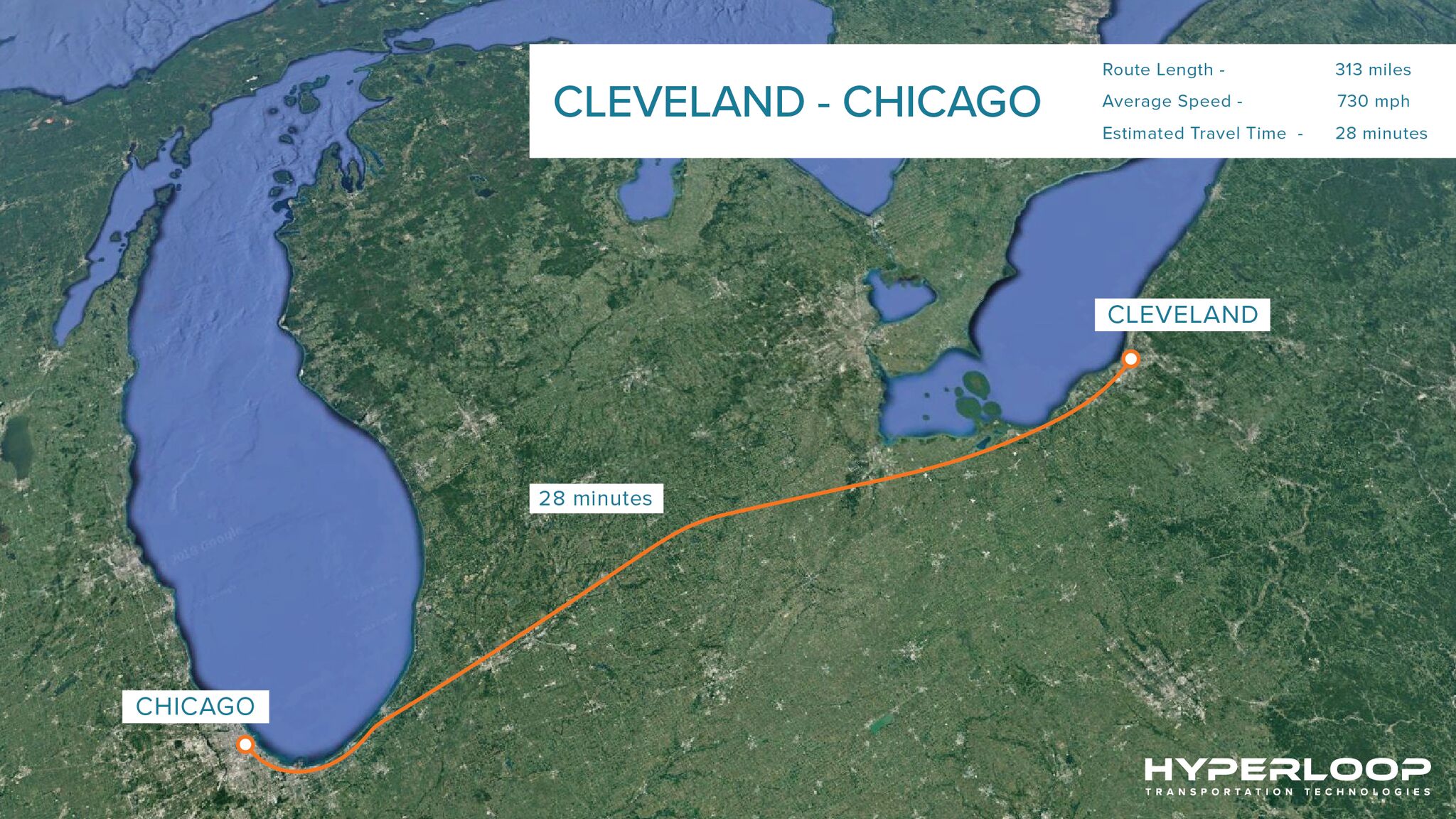
The geographical distance between Cleveland and Chicago spans approximately 350 miles (about 560 kilometers) as the crow flies. However, actual travel distance varies slightly depending on the specific routes taken, especially by road. The time it takes to cover this distance is influenced heavily by your chosen mode of transportation, traffic conditions, and any planned stops along the way. Planning is key to optimizing your travel time and experience.
Driving the I-80/90 Corridor
For many, a road trip remains the preferred method of travel, offering flexibility and the opportunity for spontaneous detours. The primary driving route between Cleveland and Chicago typically follows the Interstate 80 (I-80) and Interstate 90 (I-90) corridors, often combined as the Ohio Turnpike and the Indiana Toll Road.
- Distance: The driving distance is generally around 340 to 355 miles (547 to 571 kilometers), depending on your exact start and end points within each city.
- Time: Under ideal conditions, with no significant traffic or stops, the drive can take approximately 5.5 to 6 hours. However, accounting for fuel stops, quick breaks, and potential traffic, especially around major urban areas like Gary or entering Chicago, it’s more realistic to budget 6.5 to 7.5 hours for the journey. This route involves tolls, so factor those costs into your budget.
Driving offers unparalleled freedom to explore, making it a popular choice for those with time to spare and an inclination for the open road. It’s also often the most cost-effective option for groups or families.
Rail Travel: A Scenic Alternative
Traveling by train provides a different perspective, allowing passengers to relax, work, or simply enjoy the passing scenery without the stress of driving. Amtrak operates services that connect Cleveland and Chicago.
- Route: The most common Amtrak service between these cities is the Lake Shore Limited. While it offers a direct connection, the route often involves stops in other cities like Toledo and South Bend.
- Time: A typical train journey can range from 6.5 to 7.5 hours, sometimes longer due to operational factors. While comparable to driving time, the experience is distinctly different, emphasizing comfort over speed.
- Benefits: Passengers can enjoy spacious seating, dining options, and the ability to move around, making it a less tiring option for many. It’s also an environmentally friendlier choice compared to individual car travel or short-haul flights.
Bus Journeys: Economical and Convenient
For budget-conscious travelers, intercity bus services like Greyhound offer an economical way to travel between Cleveland and Chicago.
- Time: Bus travel typically takes longer than driving or taking the train, with durations usually ranging from 7 to 9 hours, depending on the number of stops and transfers. Some express routes might be quicker.
- Cost: Bus tickets are often the most affordable option, especially if booked in advance.
- Convenience: Buses usually depart from and arrive at central terminals in both cities, offering good connectivity to local public transport networks. While generally longer, it removes the burden of driving, parking, or navigating unfamiliar urban areas.
Air Travel: The Fastest Route
When time is of the essence, flying is undoubtedly the quickest way to traverse the distance between Cleveland and Chicago.
- Flight Time: Direct flights between Cleveland Hopkins International Airport (CLE) and Chicago O’Hare International Airport (ORD) or Midway International Airport (MDW) typically take just over 1 hour.
- Total Travel Time: However, the total travel time extends considerably when you factor in getting to and from airports, security checks, boarding procedures, and potential delays. Realistically, expect a total door-to-door travel time of 3.5 to 5 hours.
- Airlines: Major carriers like United Airlines, American Airlines, and Southwest Airlines frequently operate this route.
- Cost: Airfare can vary wildly based on booking lead time, airline, and time of year. While potentially more expensive, it saves significant time for those on tight schedules.
Factors Influencing Your Journey
Beyond the chosen mode of transport, several variables can impact the duration and comfort of your trip from Cleveland to Chicago. A savvy traveler considers these elements when planning their itinerary.
Traffic and Road Conditions
For drivers, traffic is the most significant variable. Major choke points include the metropolitan areas around Cleveland and Chicago themselves, particularly during morning and evening rush hours. Construction zones on Interstate 80 or Interstate 90 can also cause substantial delays. Utilizing real-time navigation apps can help in rerouting or predicting traffic patterns, but flexibility is always advisable.
Weather Considerations
The Midwest experiences a full range of seasons, each bringing its own travel challenges.
- Winter: Snow and ice can severely impact driving conditions, lead to flight delays or cancellations, and slow down train and bus services. Heavy snowfall can extend a 6-hour drive to 10 hours or more.
- Spring/Fall: These seasons generally offer pleasant travel conditions, though spring can bring heavy rains, and fall might see occasional fog.
- Summer: While often warm and sunny, summer can also bring thunderstorms, which can affect all modes of transport, especially air travel.
Always check the weather forecast for your travel dates, particularly if driving or flying.
Time of Day and Week
Travel times can differ dramatically based on when you depart.
- Weekends vs. Weekdays: Weekday commutes, especially on Friday afternoons, tend to be the busiest for road travel. Traveling during off-peak hours (mid-day or late evening) on weekdays can often save significant time.
- Holidays: Major holidays see increased traffic volume across all transport modes, leading to longer travel times, higher prices, and more crowded terminals. Booking well in advance for holiday travel is essential.
Planning Your Trip: What to Consider
A well-planned trip enhances the entire travel experience. When journeying from Cleveland to Chicago, consider these practical aspects.
Budgeting for Travel
Costs vary significantly by mode of transport.
- Driving: Factor in fuel costs (around 350 miles), tolls (on the Ohio Turnpike and Indiana Toll Road), potential parking fees in Chicago, and vehicle wear and tear.
- Train/Bus: Tickets are generally fixed but can fluctuate based on demand and how far in advance you book. Consider the cost of getting to and from the stations.
- Flying: Airfare can be the highest variable, influenced by peak travel times, airline choice, and baggage fees. Don’t forget costs for airport transfers.
Comparing total costs, including ancillary expenses, will help you make the most economical decision for your trip.
Stops and Detours
For those driving, the route offers opportunities for interesting stops. While the main corridor is largely industrial and agricultural, brief detours can reveal hidden gems. You might consider a stop in Toledo, Ohio, for a quick meal or to stretch your legs, or explore smaller towns in Indiana. For a more direct route, however, minimizing stops is key. Remember, Chicago is a major destination, so factor in some exploration time upon arrival.
Packing Essentials
Regardless of your transport method, a few packing considerations can enhance your journey:
- Snacks and Water: Especially important for long drives or bus/train rides where food options might be limited or expensive.
- Entertainment: Books, podcasts, music, or downloaded movies are crucial for passing the time, particularly on longer journeys.
- Comfort Items: A neck pillow, blanket (for train/bus), and comfortable clothing can make a world of difference.
- Chargers: Keep your devices powered for navigation, entertainment, and communication.
Why Make the Journey? Exploring Cleveland and Chicago
Both Cleveland and Chicago are compelling destinations, each offering a distinct blend of culture, history, and modern attractions. The journey between them is often undertaken for the enriching experiences that await at either end.
Discovering Cleveland’s Charms
Cleveland, a revitalized city on the rise, boasts a rich musical heritage and a burgeoning culinary scene. The iconic Rock and Roll Hall of Fame is a must-visit for music lovers, while the Cleveland Museum of Art offers world-class collections with free admission. The historic West Side Market provides a vibrant experience for food enthusiasts, showcasing local produce and international delicacies. Cleveland’s lakefront access and growing number of craft breweries and trendy neighborhoods make it an attractive starting or ending point for any journey.
The Allure of the Windy City: Chicago
Chicago needs little introduction. Renowned for its stunning architecture, world-class museums, and vibrant arts scene, it promises an unforgettable experience. Visitors can marvel at the public art in Millennium Park, explore masterpieces at the Art Institute of Chicago, or take in panoramic views from the Willis Tower Skydeck. A stroll along Navy Pier or an architectural boat tour on the Chicago River offers unique perspectives of the city’s grandeur. From deep-dish pizza to diverse neighborhoods, Chicago offers endless opportunities for exploration and enjoyment.
Making the Most of Your Travel Experience
Ultimately, how far Cleveland is to Chicago is not just a matter of miles, but of the journey itself. Whether you opt for the autonomy of a road trip, the comfort of a train, the economy of a bus, or the speed of a flight, each option presents its own set of advantages and challenges. By carefully considering your priorities – be it budget, time, or experience – and planning accordingly, your travel between these two magnificent Midwestern cities can be as rewarding as the destinations themselves. Embrace the adventure, enjoy the transition, and prepare to immerse yourself in the rich tapestry of American culture that awaits you.
LifeOutOfTheBox is a participant in the Amazon Services LLC Associates Program, an affiliate advertising program designed to provide a means for sites to earn advertising fees by advertising and linking to Amazon.com. Amazon, the Amazon logo, AmazonSupply, and the AmazonSupply logo are trademarks of Amazon.com, Inc. or its affiliates. As an Amazon Associate we earn affiliate commissions from qualifying purchases.