
Navigating the complexities of legal disputes can be daunting, especially when they involve seemingly minor amounts of money. However, in the vibrant and dynamic lifestyle of Florida, disagreements—whether with a service provider, a landlord, or a neighbor—are an inevitable part of life. When these disputes cannot be resolved informally, a small claims lawsuit offers an accessible and often cost-effective pathway to justice. This guide provides a comprehensive overview of how to file a small claims lawsuit in the Sunshine State, empowering you to protect your rights and assets, thereby maintaining a balanced and secure lifestyle.
Understanding Small Claims in Florida’s Lifestyle Context
Small claims courts in Florida are designed to provide individuals and businesses with a streamlined process for resolving civil disputes involving relatively small sums of money. These courts are an essential component of the state’s judicial system, offering an avenue for recourse without the need for extensive legal representation, although having an attorney is always an option. For many, especially those who frequently engage in lifestyle-related transactions such as renting properties, purchasing services, or handling consumer goods, understanding this process is crucial.
What Qualifies as a Small Claim?
In Florida, a small claims lawsuit typically involves monetary disputes up to a specific limit. As of the time of writing, this limit is usually $8,000, excluding interest, attorneys’ fees, and court costs. This threshold covers a wide array of common lifestyle-related disagreements. For example, a traveler might file a claim against a tour operator for failing to deliver promised services, or a resident might seek recompense from a contractor who performed shoddy work on a home renovation. Other common scenarios include:
- Breach of Contract: Disputes over written or oral agreements, such as unfulfilled service contracts for home repairs, event planning, or vehicle maintenance.
- Property Damage: Claims for damage to personal property, such as a damaged car in a minor accident where insurance isn’t covering the full amount, or property damaged by a tenant.
- Unpaid Debts: Recovery of money lent to another individual or business that has not been repaid.
- Landlord-Tenant Issues: Disagreements over security deposit returns, minor property damages, or unpaid rent (within the monetary limit).
- Consumer Disputes: Issues with faulty products or services where a refund or replacement is due.
These types of cases are prevalent in the daily lives of Florida residents and visitors, making small claims court a vital resource for consumer protection and dispute resolution.
Jurisdiction and Monetary Limits in Florida
Every small claims case must be filed in the correct county court. This is known as proper jurisdiction. Generally, you should file your lawsuit in the Florida county where the defendant resides, where the business operates, or where the incident that led to the dispute occurred. For instance, if you had a problem with a rental car company in Miami-Dade County, you would likely file your claim in the Miami-Dade County small claims court. The monetary limit, as mentioned, is usually $8,000, but it is always prudent to verify the current limit with the specific County Court clerk’s office as it can change. Exceeding this limit would necessitate filing in a higher civil court, a more complex and typically more expensive process.
Preparing Your Case: Essential Steps Before Filing
Before you even consider stepping into a Florida courthouse, meticulous preparation is key. A well-prepared case significantly increases your chances of a favorable outcome and can often lead to a resolution without formal litigation, aligning with a proactive and less stressful lifestyle.
Gathering Evidence
The success of your small claims lawsuit hinges on the quality and quantity of your evidence. Think of your evidence as the storytellers of your claim. This includes:
- Contracts and Agreements: Any written contracts, invoices, receipts, or warranties related to the dispute.
- Communication Records: Emails, text messages, letters, or voicemails documenting attempts to resolve the issue, promises made, or acknowledgments of fault.
- Photographs and Videos: Visual proof of damages, faulty workmanship, or conditions relevant to your claim.
- Witness Information: Names, contact details, and statements from anyone who witnessed the events related to your dispute.
- Financial Records: Bank statements, cancelled checks, or credit card statements showing payments made or received.
Organize all this information chronologically and clearly. Being thorough here can save considerable time and stress later.
Attempting Resolution
Florida courts often look favorably upon plaintiffs who have made a genuine effort to resolve the dispute outside of court. Before filing, send a formal demand letter to the defendant. This letter should clearly state:
- The facts of the dispute.
- The amount of money you are owed or the specific action you are seeking.
- A reasonable deadline for the defendant to respond or resolve the issue.
- Your intention to pursue legal action if a resolution is not reached.
Send this letter via certified mail with a return receipt requested, providing proof that the defendant received it. This step is not only a good faith effort but also serves as powerful evidence in court that you attempted to resolve the matter amicably, showcasing a responsible approach to personal disputes within your lifestyle.
Identifying the Defendant
Accurately identifying the correct party to sue is paramount. If you’re suing an individual, ensure you have their full legal name and current address. If it’s a business, you’ll need the legal name of the entity (e.g., LLC, corporation) and the name and address of its registered agent for service of process. You can often find this information through the Florida Department of State’s Sunbiz website. Suing the wrong party or an incorrectly named entity can lead to delays or even dismissal of your case.
Navigating the Filing Process in Florida
Once your preparation is complete, the actual filing process begins. While designed to be user-friendly, it still requires precision and attention to detail.

Completing the Statement of Claim
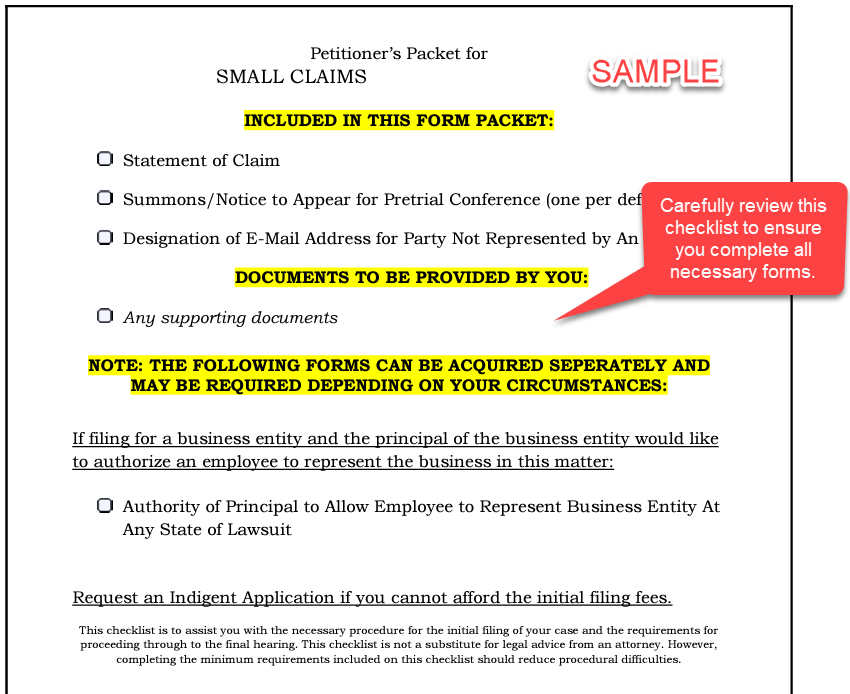
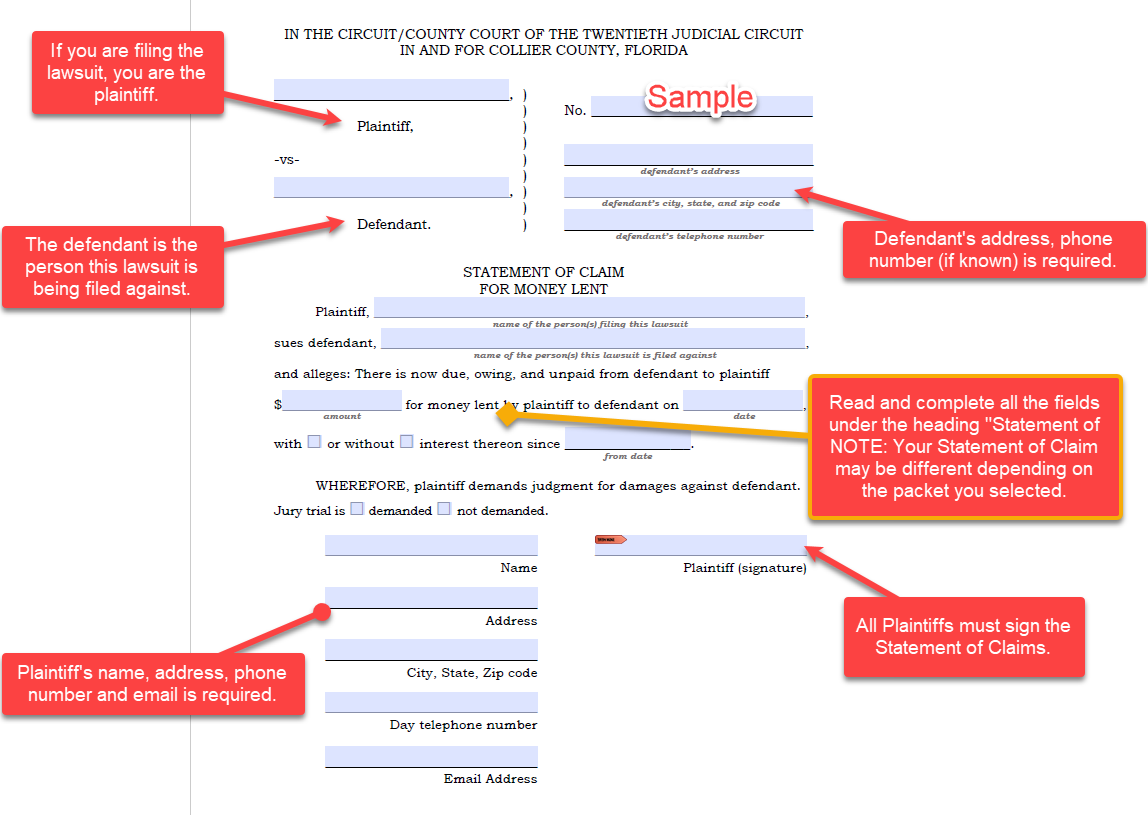
The primary document you will file is called a “Statement of Claim.” This form, typically available from your local County Court clerk’s office or online via the Florida State Courts website, requires you to clearly state:
- Your name (the plaintiff) and the defendant’s name.
- The amount of money you are seeking.
- A brief, clear explanation of why the defendant owes you money or why they caused the damages.
- The date(s) the incident occurred.
Be concise but thorough. Attach copies of your key evidence, but keep your originals safe. Remember to sign the document, as it is filed under oath.
Serving the Defendant
After filing your Statement of Claim, the defendant must be officially notified of the lawsuit. This is called “service of process.” In Florida, service typically must be performed by a sheriff’s deputy or a certified private process server. You cannot personally serve the papers. The purpose of service is to ensure the defendant receives proper legal notice and has an opportunity to respond. Without proper service, your case cannot proceed. There is a fee associated with service, which you will typically pay upfront.
Court Fees and Costs
Filing a small claims lawsuit involves certain fees, including the filing fee and the cost of serving the defendant. These fees can vary slightly by county. While these costs can add up, if you win your case, the judge may order the defendant to reimburse you for these expenses. If you cannot afford the filing fees, you may be able to file a “Motion to Determine Indigency” or “Application for Civil Indigent Status” with the court clerk, which, if approved, can waive or defer these costs. Budgeting for potential legal actions is a pragmatic part of managing one’s financial lifestyle.
What to Expect: From Mediation to Judgment
The journey through small claims court involves several stages, each designed to facilitate a fair and just resolution.
Mediation
In Florida, small claims courts often require or strongly encourage mediation before a formal hearing. Mediation involves a neutral third party (the mediator) who helps both sides discuss their dispute and try to reach a mutually agreeable settlement. This process is non-binding unless an agreement is reached, offering a chance to resolve the issue without a judge’s ruling. It’s an excellent opportunity to save time, reduce stress, and maintain some control over the outcome, a desirable aspect for anyone valuing their lifestyle.
The Court Hearing
If mediation fails, your case will proceed to a court hearing before a judge. During the hearing, both you and the defendant will have the opportunity to present your side of the story, present evidence, and call witnesses. Dress appropriately, be respectful, and speak clearly. The judge will listen to both sides, review the evidence, and then make a decision. This decision is called a judgment.
Enforcing a Judgment
Winning a judgment is a significant step, but it doesn’t automatically mean you’ll receive your money. If the defendant doesn’t pay voluntarily, you may need to take further steps to enforce the judgment. This could involve:
- Writ of Garnishment: Requesting the court to seize money from the defendant’s bank account or wages.
- Writ of Execution: Requesting the court to seize and sell the defendant’s non-exempt personal property.
These processes involve additional court fees and can be complex. Consulting with the County Court clerk or a legal aid service can provide guidance on these post-judgment procedures. Effectively enforcing a judgment is essential for the financial security aspect of your lifestyle.
Key Considerations for Florida Residents and Visitors
While the process is generally straightforward, a few additional points are particularly relevant for those living in or visiting Florida.
Online Resources and Legal Aid
The Florida State Courts website (flcourts.gov) is an invaluable resource, offering forms, rules, and local County Court information. Many local county court websites also provide specific instructions and FAQs. For those seeking legal assistance, the Florida Bar provides a lawyer referral service. Additionally, various legal aid organizations throughout Florida offer free or low-cost legal services to eligible individuals, especially for landlord-tenant issues and consumer protection. These resources are critical for ensuring access to justice, regardless of one’s financial standing.
Statutes of Limitations
It’s crucial to be aware of the “statute of limitations,” which is the legal deadline for filing a lawsuit after an incident occurs. These deadlines vary depending on the type of claim. For example, in Florida, the statute of limitations for a written contract is typically five years, while for an oral contract or personal property damage, it’s generally four years. Missing this deadline means you forfeit your right to sue, regardless of the merits of your case. Being mindful of these timeframes is a practical aspect of managing your affairs and protecting your lifestyle in Florida.
Filing a small claims lawsuit in Florida can be a powerful tool for resolving disputes and protecting your interests. While it requires diligent preparation and adherence to specific procedures, the process is designed to be accessible. By understanding these steps, you empower yourself to navigate the occasional legal challenges that arise in life, ensuring a more secure and just lifestyle in the beautiful state of Florida.
LifeOutOfTheBox is a participant in the Amazon Services LLC Associates Program, an affiliate advertising program designed to provide a means for sites to earn advertising fees by advertising and linking to Amazon.com. Amazon, the Amazon logo, AmazonSupply, and the AmazonSupply logo are trademarks of Amazon.com, Inc. or its affiliates. As an Amazon Associate we earn affiliate commissions from qualifying purchases.