
The shimmering waters of the Florida Straits have long fascinated travelers, historians, and geographers alike. At its heart lies the captivating question of the proximity between two distinct yet intertwined locales: Miami, Florida, and the island nation of Cuba. This seemingly simple query unlocks a rich tapestry of geography, history, politics, and travel potential, revealing a relationship far deeper than mere nautical miles suggest. For anyone contemplating a journey or simply curious about this iconic stretch of the Caribbean, understanding this distance is the first step in appreciating the unique dynamics at play.
The Geographical Proximity: A Short Strait’s Tale
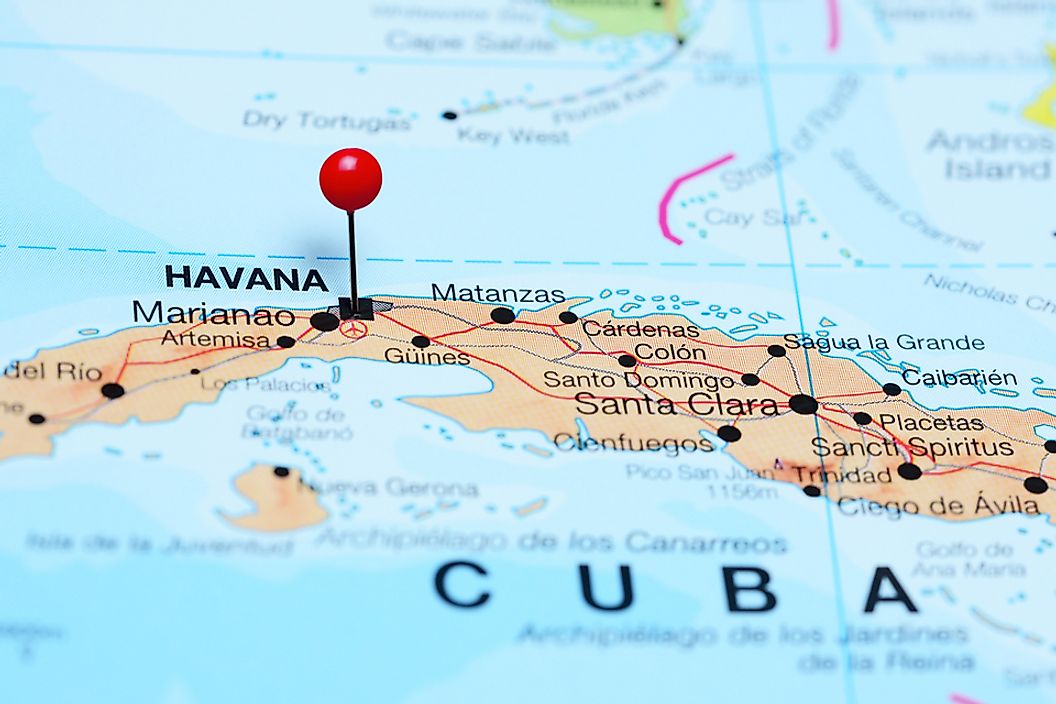
The closeness of Cuba to Florida is a geographical reality that has shaped centuries of human interaction, migration, and political discourse. It’s a distance that feels both vast due to historical barriers and incredibly intimate when viewed on a map.
Straight-Line Distance: A Bird’s Eye View
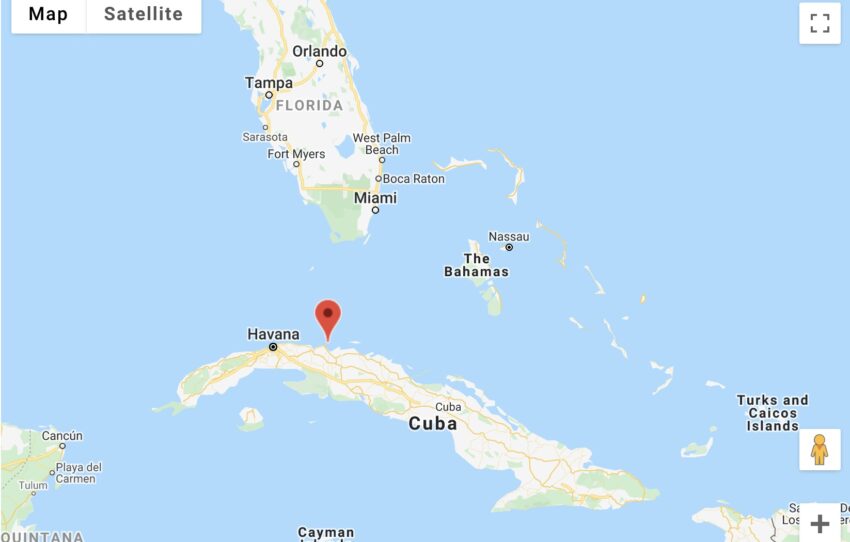
The most direct answer to “How far is Cuba from Miami?” involves a straight-line measurement across the water. From the southernmost point of Florida, Key West, Cuba is remarkably close – approximately 90 miles (145 kilometers) from Havana. When specifically measuring from downtown Miami to the northern coast of Cuba, the distance extends slightly to about 228 miles (367 kilometers). This seemingly short hop across the ocean is a testament to the powerful geological forces that shaped the Caribbean basin. Imagine standing on a clear day at the tip of the Florida Keys and knowing that less than a hundred miles away lies a completely different world, rich in its own culture and history. This narrow stretch of water, known as the Florida Straits, acts as both a physical divider and a historical bridge.
The Florida Straits: A Historical Waterway
The Florida Straits are more than just a body of water; they are a historical artery. This vital shipping lane connects the Atlantic Ocean with the Gulf of Mexico, making it a strategic corridor for trade and travel for centuries. Its currents, including the powerful Florida Current (which feeds into the Gulf Stream), have influenced everything from maritime routes to migration patterns. For explorers, pirates, merchants, and refugees, these waters have represented a path to new beginnings, danger, and opportunity. The geological youth of the Florida peninsula itself, having emerged from the sea much later than Cuba, further underscores the dynamic nature of this region. The Florida Straits remain a significant waterway today, bustling with commercial and recreational vessels, a constant reminder of the geographical link between the United States and Cuba.
Implications of Short Distance
The minimal distance between Cuba and Florida carries profound implications. Geopolitically, it has placed Cuba at the forefront of United States foreign policy for over a century. Culturally, it has fostered an undeniable bond, especially between Miami and the Cuban diaspora. Environmentally, the shared waters mean that ecological events, from hurricanes to marine life movements, affect both shores. For travelers, this short distance suggests the potential for relatively quick and accessible journeys, even if political realities have often complicated direct transit. It implies a region where cultures could naturally intertwine, creating a unique blend of influences.
Navigating the Journey: Travel Routes and Options
Despite their geographical proximity, traveling between Miami and Cuba is not as straightforward as a short ferry ride might suggest. Political landscapes have historically dictated the feasibility and methods of travel.
Air Travel: The Most Common Path
For most international travelers, air travel is the primary and most efficient way to bridge the distance between the United States and Cuba. Direct flights from Miami International Airport (MIA) to José Martí International Airport in Havana take approximately one hour. These flights typically cover the 228 miles in a swift journey, making the physical distance feel negligible. While commercial flights have seen periods of suspension and resumption due to political shifts, they remain the backbone of legal travel between the two nations for authorized categories of travelers. Other U.S. cities also offer direct flights, but Miami often serves as a primary hub due to its large Cuban-American population and historical ties. Charter flights have also played a significant role, particularly during periods when scheduled commercial services were more restricted.
Maritime Routes: A Glimpse into the Past and Future
Historically, sea travel was the dominant mode of transport between Florida and Cuba. Ferries regularly plied the waters, connecting Key West with Havana and other Cuban ports. While current regulations largely restrict regular passenger ferry services from the U.S. to Cuba, the concept of a maritime link remains a potent symbol of potential future relations. Occasional cruise ships have been granted permission to visit Cuban ports, typically as part of a larger Caribbean itinerary, albeit with strict adherence to U.S. travel regulations concerning passenger activities in Cuba. The prospect of direct, regular ferry service is often discussed as a significant step towards normalizing relations, evoking images of a more accessible, leisurely journey across the Florida Straits. For private vessels, strict rules and permits are required for travel between the U.S. and Cuba, making it generally inaccessible for casual travel.
Current Restrictions and Regulations
Traveling from the United States to Cuba is subject to specific U.S. government regulations. Tourism, as defined by the U.S. Treasury Department, is generally prohibited. However, there are 12 authorized categories of travel that Americans can utilize, such as “support for the Cuban people,” “family visits,” “religious activities,” and “educational activities.” Travelers must ensure their itinerary aligns with one of these categories and keep records of their activities for five years. These regulations mean that while the physical distance is short, the bureaucratic distance can be considerable. Visitors also need a Cuban visa, often referred to as a “tourist card,” which can be obtained through airlines, visa services, or the Cuban embassy. Understanding and adhering to these rules is paramount for a smooth and lawful journey.
Beyond the Miles: Cultural and Historical Connections
The physical closeness of Cuba and Miami has fostered a deep and complex relationship, extending far beyond geographical coordinates into the realms of culture, history, and identity.
A Shared Past: Immigration and Influence
The late 19th and early 20th centuries saw significant Cuban immigration to Florida, particularly to Key West and later Miami, driven by economic opportunity and political upheaval. The Cuban Revolution of 1959, however, marked the beginning of a massive exodus, transforming Miami into a major center for Cuban exiles and their descendants. This continuous flow of people has created an unparalleled cultural exchange. Cuban influences are deeply embedded in Miami’s food, music, language, and politics, making it a vibrant cultural melting pot with a distinctly Cuban flavor. This shared past means that for many in Miami, Cuba is not just a neighboring island but a homeland, a part of their personal and collective memory.
Miami’s Cuban Heart: Little Havana
Nowhere is Cuba’s influence more palpable than in Miami’s Little Havana neighborhood. Calle Ocho, its bustling main street, is a sensory feast of Cuban culture, complete with cigar shops, art galleries, vibrant murals, and the intoxicating rhythms of salsa music. Here, you can watch skilled artisans roll cigars, play dominoes with locals at Maximo Gomez Park (Domino Park), and savor authentic Cuban coffee and cuisine. Little Havana is more than just a tourist attraction; it’s a living, breathing testament to the enduring spirit of the Cuban people and their profound impact on Miami. It’s a place where the proximity to Cuba feels not just geographical, but intensely personal and cultural.
Cuba’s Enduring Appeal: A Time Capsule
Conversely, Cuba itself offers a unique window into a bygone era. Decades of isolation and distinct political development have preserved much of its colonial architecture, vintage American cars, and traditional way of life. Havana’s Old Havana, a UNESCO World Heritage site, captivates visitors with its crumbling grandeur and vibrant street life. Beyond the capital, cities like Trinidad and Cienfuegos offer distinct regional flavors, while the Vinales Valley showcases stunning natural beauty and traditional tobacco farming. For travelers, Cuba’s appeal lies in its authenticity, its rich history, and the warmth of its people, all just a short flight across the strait.
Planning Your Trip: Practical Considerations for Travel
For those inspired to bridge the short distance between Miami and Cuba, thoughtful planning is essential to ensure a rewarding and compliant journey.
Entry Requirements for Cuba
As mentioned, U.S. citizens and residents must adhere to specific regulations set forth by the U.S. government for travel to Cuba. This means selecting one of the 12 authorized travel categories. Beyond this, a valid passport is mandatory, and a Cuban visa (tourist card) must be obtained prior to arrival. Airlines often sell these tourist cards at the departure gate, or they can be acquired through visa services or the Cuban embassy. It is also crucial to have valid travel insurance that covers medical emergencies, as this is often a requirement for entry into Cuba. Travelers should also be aware of the restrictions on bringing certain items into the U.S. from Cuba, especially related to Cuban cigars and rum, which are subject to varying limits.
What to Expect When Traveling
Cuba offers a unique travel experience distinct from many other Caribbean destinations. Infrastructure can be less developed than in the U.S., and internet access can be spotty and expensive, encouraging travelers to disconnect and immerse themselves in the local environment. The dual currency system (CUP for locals and MLC for foreigners, with the MLC predominantly used for payment cards linked to foreign currencies) requires some understanding, though U.S. debit and credit cards generally do not work there due to the embargo. Cash (Euros or Canadian Dollars are often preferred over U.S. Dollars due to a 10% surcharge on USD exchange) is king, so planning your finances accordingly is vital. Accommodation options range from state-run hotels to private guesthouses known as casas particulares, which offer a more authentic experience and directly support the Cuban people, aligning with the “support for the Cuban people” travel category.
Essential Packing and Preparation
Given the specific conditions, packing for Cuba requires foresight. Bring necessary medications, toiletries, and any personal comfort items, as these may be difficult to find or expensive locally. A universal adapter, portable power bank, and comfortable walking shoes are highly recommended. Learning some basic Spanish phrases will significantly enhance your experience and interactions with locals. Furthermore, downloading offline maps and translation apps before you go can be incredibly helpful. Embrace flexibility and an open mind; Cuba is a country of improvisation, and embracing its unique rhythm is part of the adventure.
The Allure of Proximity: Why This Short Distance Matters
The question of “How far is Cuba from Miami?” transcends a simple geographical measurement. It speaks to a deep, often tumultuous, yet undeniably captivating relationship that continues to evolve.
Bridging Continents, Connecting Cultures
This short distance makes Cuba an accessible and intriguing destination for those in Florida and beyond. It highlights the incredible diversity within a relatively small geographical area, where a quick plane ride can transport you from the modern skyscrapers of Miami to the colonial streets of Havana. It’s a testament to how human history and political landscapes can create profound distinctions even when geography dictates closeness. The proximity ensures that the cultures will forever be intertwined, influencing each other in myriad ways, regardless of current political climates.
A Unique Travel Corridor
Despite existing restrictions, the Miami-Cuba corridor remains one of the most historically significant and sought-after travel routes in the Caribbean. Its allure lies not just in the destination itself, but in the journey—a passage across a narrow strait that holds centuries of stories. For travelers, it represents an opportunity to witness a vibrant culture, explore a unique historical narrative, and engage with a resilient people, all within what is geographically a short hop.

The Future of Cuba-Miami Travel
As political relations continue to shift and evolve, the question of how far Cuba is from Miami may one day be answered by easily accessible, regular travel options for all. The physical closeness will always be a reminder of the potential for connection, collaboration, and shared experiences. For now, the journey is one of careful planning and respectful engagement, offering an unparalleled opportunity to explore a destination that is geographically near, yet culturally and historically distinct, making every mile traveled a profound experience.
LifeOutOfTheBox is a participant in the Amazon Services LLC Associates Program, an affiliate advertising program designed to provide a means for sites to earn advertising fees by advertising and linking to Amazon.com. Amazon, the Amazon logo, AmazonSupply, and the AmazonSupply logo are trademarks of Amazon.com, Inc. or its affiliates. As an Amazon Associate we earn affiliate commissions from qualifying purchases.