
The very notion of a beloved show like Maine Cabin Masters facing cancellation can send ripples of concern through its dedicated fanbase. For many, this isn’t just a television program; it’s a window into a lifestyle, a source of inspiration for rustic living, craftsmanship, and the enduring charm of Maine. The question, “Why was Maine Cabin Masters canceled?” frequently surfaces online, fueled by changes in network programming and the dynamic landscape of home renovation television. However, the definitive answer might surprise those who fear the end of their favorite cabin-centric series. While the show experienced a significant transition that led many to perceive a cancellation, the reality is more nuanced, reflecting broader shifts within media and the enduring appeal of the lifestyle it champions.
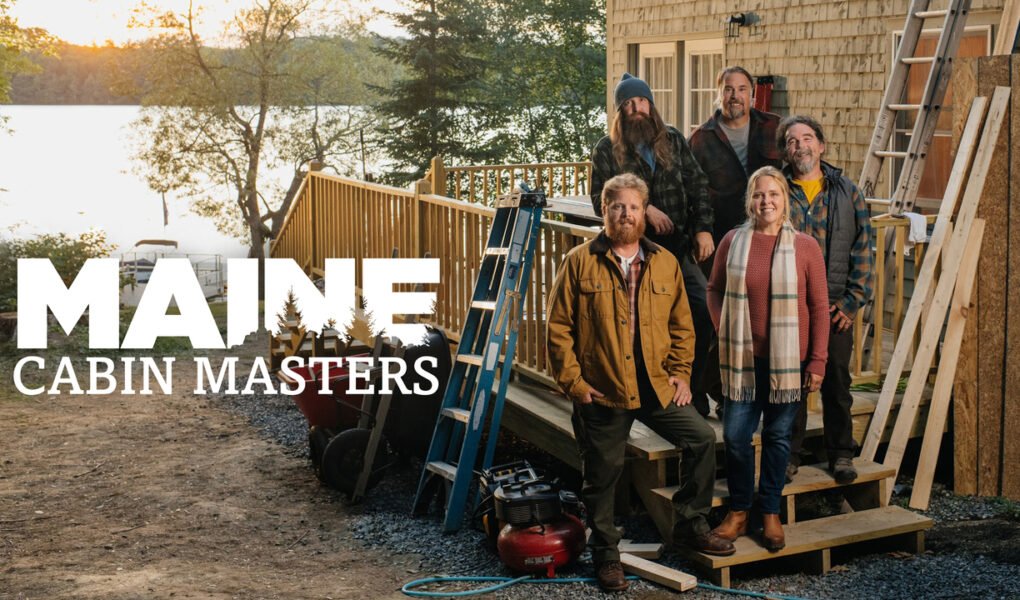
The Persistent Rumor: Was Maine Cabin Masters Truly Canceled?
The short, emphatic answer is no, Maine Cabin Masters was not canceled. This widespread misconception primarily stems from the show’s move from one network to another, a common occurrence in the competitive world of television broadcasting. For viewers who diligently followed the Morrill family and their team on a particular channel, its disappearance from that familiar slot often felt like an abrupt cancellation. This perceived void in the programming schedule led to understandable confusion and speculation among fans eager to continue their vicarious journey through Maine’s charming, often dilapidated, cabins.
The Network Transition: From DIY Network to Magnolia Network
The truth behind the “cancellation” rumors lies in a strategic shift within the broader media conglomerate that owns the show. Initially a cornerstone of the DIY Network, Maine Cabin Masters found a new home on the Magnolia Network. This wasn’t a punitive action against the show but rather a planned consolidation and rebranding effort by Discovery Inc., which sought to transform the DIY Network into the unified lifestyle brand spearheaded by Chip and Joanna Gaines. The transition aimed to create a cohesive platform for content focused on home, garden, and lifestyle, with popular shows like Maine Cabin Masters serving as key programming for the new venture. This move, far from signifying an end, signaled a renewed investment in the show’s potential to reach a broader audience dedicated to quality home and lifestyle content.
The Role of Streaming and Content Accessibility
Another factor contributing to viewer confusion was the evolving landscape of content consumption. With the rise of streaming services like Discovery+, shows often become available across multiple platforms, blurring the lines of traditional linear television schedules. While new episodes debuted on Magnolia Network, past seasons and current episodes often became simultaneously accessible on streaming platforms. For viewers accustomed to tuning in at a specific time on a specific channel, this distributed availability could make the show seem harder to find or imply its absence from their preferred viewing method, further fueling the “canceled” narrative. Ultimately, the show has continued to thrive, showcasing the team’s dedication to preserving and enhancing Maine’s unique cabin culture.
Maine Cabin Masters’ Enduring Influence on the Rustic Lifestyle
Beyond the specifics of its network migration, Maine Cabin Masters has cultivated a significant following due to its authentic portrayal of a beloved lifestyle. The show doesn’t just renovate cabins; it celebrates a way of life deeply rooted in nature, community, and the satisfaction of skilled craftsmanship. This resonance with viewers is a key reason the show continues to be a valuable asset for any lifestyle-focused network.
Inspiring DIY and Home Renovation Enthusiasts
At its core, Maine Cabin Masters is a masterclass in creative problem-solving and hands-on construction. For many, it’s more than entertainment; it’s an educational resource. Viewers are often inspired by Chase Morrill’s vision, Ashley Morrill’s design acumen, and Ryan Eldridge’s (and the rest of the Kennebec Cabin Company team including Lance Nery and Jared Baker) practical execution. This inspiration translates into real-world lifestyle choices: people are encouraged to undertake their own home improvement projects, appreciate vintage aesthetics, and even consider purchasing and renovating a rustic property. The show demystifies the process, making the dream of a charming cabin retreat seem attainable, fostering a broader appreciation for the “fixer-upper” lifestyle.
Promoting the Charm of Maine and Cabin Culture
The show serves as an unofficial ambassador for the state of Maine itself. Through stunning cinematography and genuine affection for the region, it highlights the natural beauty, rugged landscape, and unique architectural heritage of Maine’s cabins. This showcases a specific “cabin culture” lifestyle, one where tranquility, outdoor activities, and close-knit communities are paramount. For those living in bustling urban environments, the show offers a tranquil escape and fuels aspirations for a simpler life, even if only for a weekend getaway. It positions cabin ownership not just as real estate, but as an investment in a specific kind of peaceful, nature-connected existence. This cultural promotion is invaluable for a lifestyle network seeking to offer diverse and aspirational content.

Valuing Heritage and Sustainable Living
A significant aspect of the Maine Cabin Masters philosophy, and a key element of the lifestyle it promotes, is the emphasis on preserving existing structures and utilizing reclaimed materials. In an age of rapid consumption and disposable trends, the team’s dedication to honoring the history of each cabin and working with its inherent character resonates deeply. This approach promotes a sustainable lifestyle, encouraging viewers to consider renovation over demolition, and to appreciate the stories embedded within older homes. It’s a subtle yet powerful message about valuing heritage, craftsmanship, and minimizing environmental impact, all integral components of a mindful, rustic lifestyle.
Navigating the Shifting Sands of Television: The Network Transition Explained
The decision to move a successful show like Maine Cabin Masters from one network to another is rarely arbitrary. It’s typically driven by overarching business strategies designed to maximize audience reach, strengthen brand identity, and consolidate content offerings. For lifestyle programming, these decisions are particularly important as they aim to create a cohesive viewing experience that aligns with a specific brand ethos.
Strategic Rebranding and Content Consolidation
The primary driver for the Maine Cabin Masters move was the strategic rebranding of DIY Network into Magnolia Network. This transformation was a significant corporate undertaking by Discovery Inc. to leverage the immense popularity of Chip and Joanna Gaines and create a unified, premium lifestyle destination. Rather than canceling shows, the goal was to curate the best existing content, alongside new productions, under the Magnolia banner. Shows that fit the core aesthetic and thematic focus of the Gaines’s vision for home, design, food, and well-being were selected to be part of this new ecosystem. Maine Cabin Masters, with its emphasis on authentic craftsmanship, family values, and unique home transformations, was a natural fit for this refined lifestyle channel.
Reaching a Broader Lifestyle Audience
By moving to Magnolia Network, Maine Cabin Masters was strategically positioned to tap into a potentially larger and more engaged lifestyle audience. The Gaines’s brand already commanded significant attention from viewers interested in home renovation and design. Integrating Maine Cabin Masters into this fold meant exposing it to a demographic that was already primed for high-quality, inspiring content about transforming living spaces. This cross-pollination of audiences ensures the show remains relevant and continues to inspire those who cherish the lifestyle it embodies, potentially even introducing new viewers to the allure of Maine’s rustic charm and the Kennebec Cabin Company’s incredible work.
The Future of Cabin Renovation and Maine Living
The “cancellation” rumors surrounding Maine Cabin Masters ultimately highlight the profound connection viewers have with shows that authentically represent their aspirations and values. Far from being canceled, the show’s transition underscores its continued relevance in the lifestyle television landscape and its enduring appeal to those drawn to the unique blend of history, craftsmanship, and natural beauty.
Sustaining the Dream of Rustic Retreats
As long as there’s a desire for escape, for a connection to nature, and for the satisfaction of creating something beautiful with one’s own hands, shows like Maine Cabin Masters will remain vital. The program fuels the dream of owning a rustic retreat, of transforming a forgotten structure into a cherished haven. This lifestyle aspiration is not fleeting; it’s deeply ingrained in many who seek solace and simplicity away from the modern world. The continuation of the show on Magnolia Network ensures that this source of inspiration remains readily available.
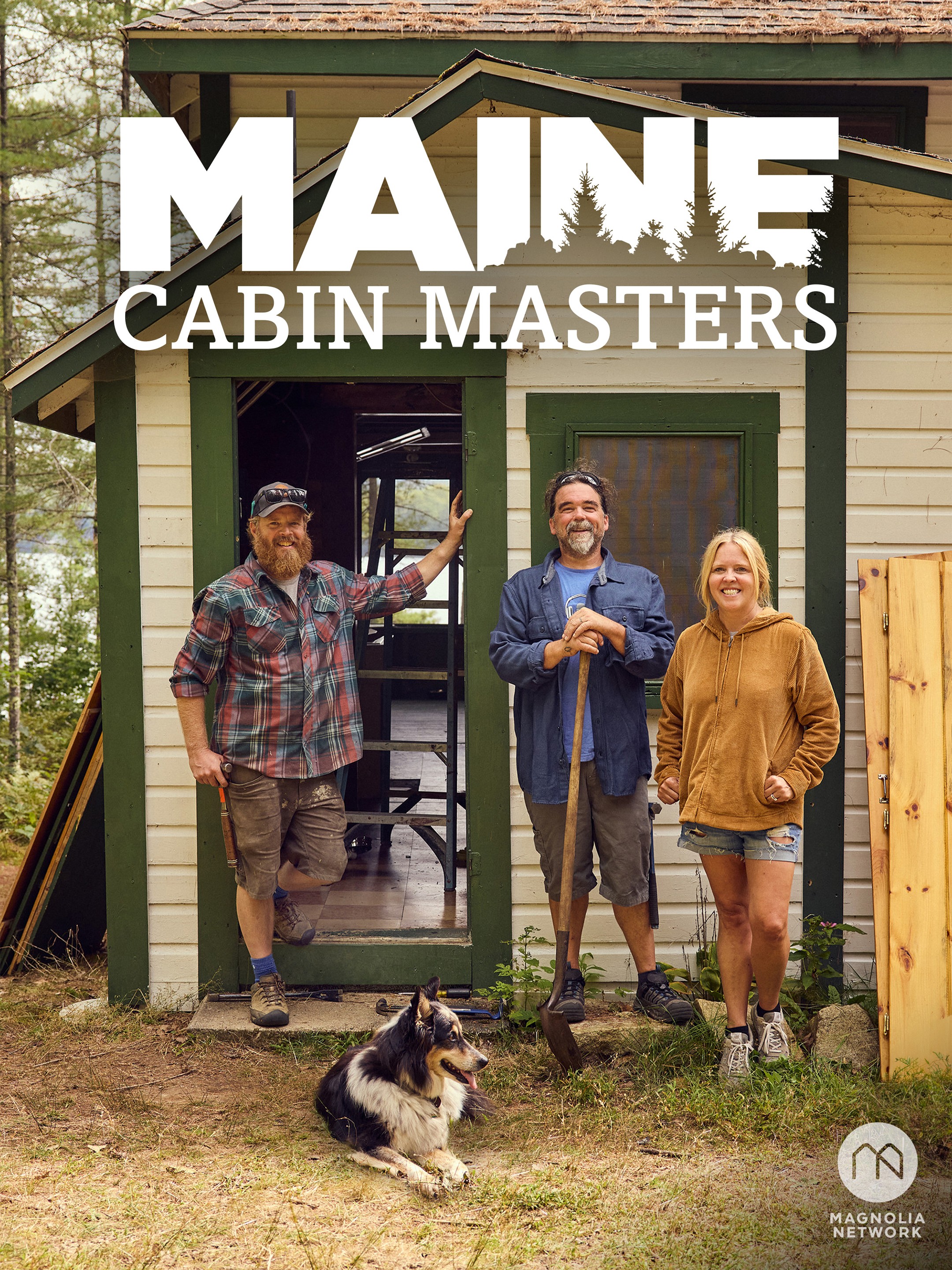
The Evolving Landscape of Lifestyle Content
The experience of Maine Cabin Masters also serves as a microcosm for the broader trends in lifestyle content. As television networks evolve into comprehensive lifestyle brands, and as streaming platforms offer unprecedented access, the way viewers discover and engage with their favorite shows changes. While initial confusion is inevitable, the ultimate goal is to provide a richer, more streamlined experience for those seeking specific types of content. For fans of cabin renovation and the Maine aesthetic, this means a curated environment where their passion is celebrated and continuously fed with new stories of transformation. The future looks bright for the team at Kennebec Cabin Company and the lifestyle they so beautifully bring to life on screen.
LifeOutOfTheBox is a participant in the Amazon Services LLC Associates Program, an affiliate advertising program designed to provide a means for sites to earn advertising fees by advertising and linking to Amazon.com. Amazon, the Amazon logo, AmazonSupply, and the AmazonSupply logo are trademarks of Amazon.com, Inc. or its affiliates. As an Amazon Associate we earn affiliate commissions from qualifying purchases.