
Embarking on a journey across the vast and vibrant landscape of Texas often involves navigating the distances between its iconic cities. Two of the state’s most celebrated urban centers, Dallas and Austin, beckon travelers with distinct personalities, cultural offerings, and a myriad of experiences. Whether you’re a business traveler shuttling between major hubs, a tourism enthusiast eager to soak in local culture, or simply planning a weekend getaway, understanding the journey between these two powerhouses is key to a smooth and enjoyable travel experience.
Dallas, a gleaming metropolis in North Texas, is renowned for its impressive skyline, thriving arts scene, and rich historical significance. It’s a city that blends Southern charm with sophisticated urban living, offering everything from high-end shopping and gourmet food to poignant landmarks that tell compelling stories. Austin, the self-proclaimed “Live Music Capital of the World” and the state capital, embodies a more laid-back, quirky, and fiercely independent spirit. Nestled in the heart of Central Texas Hill Country, it boasts a vibrant music scene, lush outdoor spaces, and a culinary landscape dominated by innovative food trucks and Tex-Mex delights.
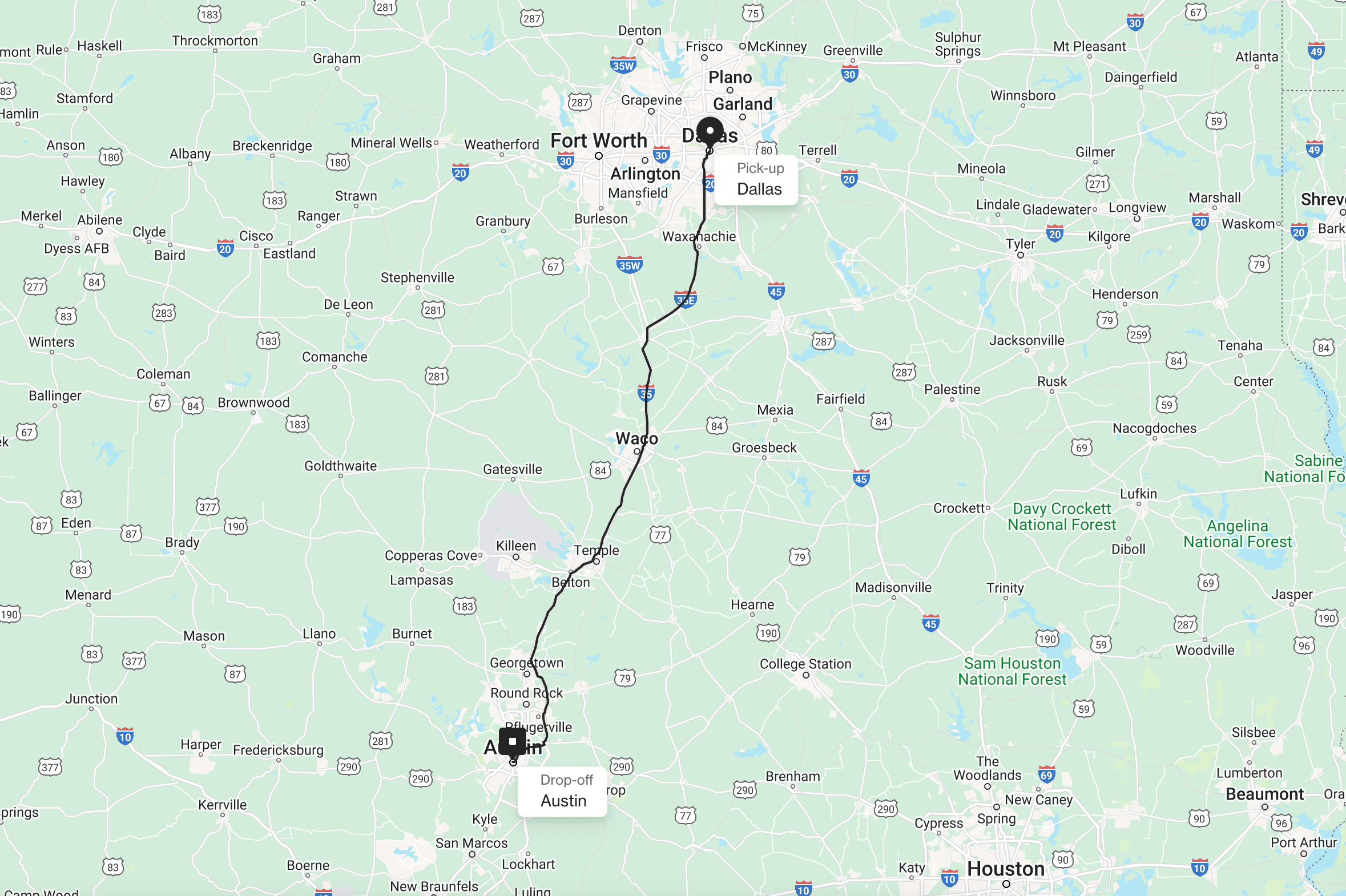
The distance separating these two magnetic cities is more than just miles; it represents a cultural transition, a shift in pace, and an opportunity to explore the diverse facets of the Lone Star State. This comprehensive guide will not only detail the physical distance and optimal routes but also delve into what makes each city a compelling destination, providing insights into attractions, accommodation options, and lifestyle choices to help you plan an unforgettable Texas adventure.
The Journey Between Two Texas Titans: Distance and Driving Routes
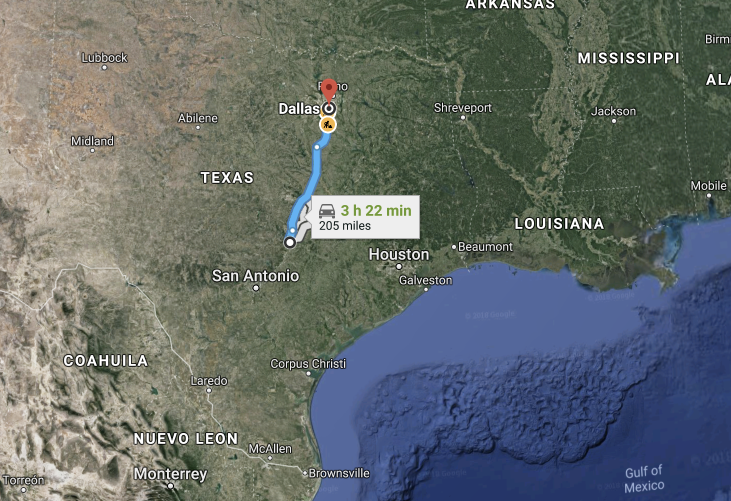
The journey from Dallas to Austin is a quintessential Texas road trip, covering a significant stretch of the state’s central corridor. The distance typically ranges between 195 to 200 miles (approximately 314 to 322 kilometers), depending on the specific starting and ending points within each metropolitan area and the route chosen. While this might seem like a considerable distance, it’s easily manageable within a few hours, making it perfect for a day trip or a seamless transition between two different vacation experiences.
The driving time for this route generally falls between 3 to 3.5 hours under optimal conditions, meaning clear weather and light traffic. However, anyone familiar with Texas knows that traffic, especially around major cities like Dallas, Fort Worth, and Austin, can significantly impact travel times. Peak hours, particularly weekday mornings and evenings, and holiday weekends, can easily extend the drive by an hour or more. Therefore, planning your departure strategically is crucial for a smooth journey. Early mornings, late mornings, or mid-afternoons often provide the clearest roads.
Navigating the Most Common Paths
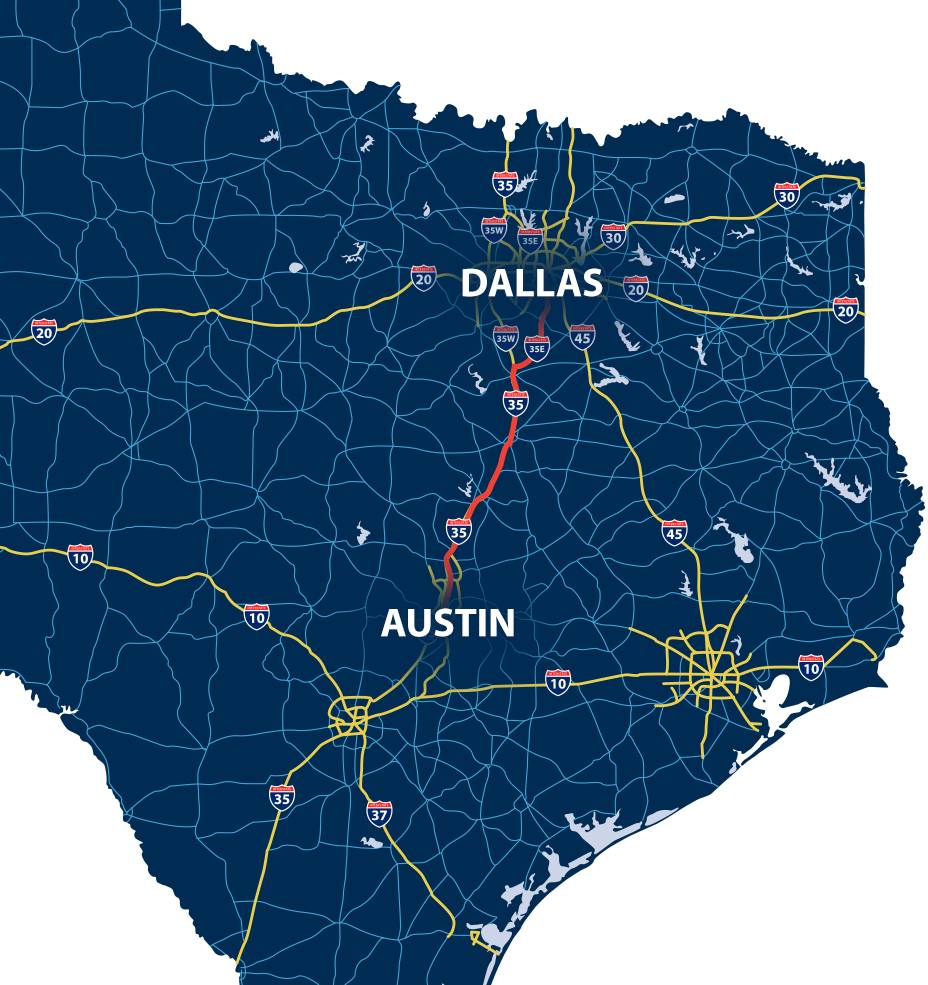
The primary artery connecting Dallas and Austin is Interstate 35 (I-35). This major north-south highway is the most direct and widely used route, cutting through the heart of Texas and offering a straightforward drive.
- Interstate 35 (I-35): This is the most popular choice for its efficiency and directness. Starting from Dallas, you’ll head south on I-35E, which merges with I-35W south of Fort Worth to become I-35. The route passes through several smaller cities and towns, most notably Waco, which serves as a convenient halfway point and offers opportunities for a quick stop. As you approach Austin, I-35 becomes a multi-lane freeway that runs directly through the city center, offering access to most major districts. While direct, I-35 can be prone to congestion, especially in urban sections, so checking real-time traffic updates is always recommended.
For those looking for a slightly different experience, or to avoid potential I-35 traffic, alternative routes exist, though they may add a bit more time to your journey:
- U.S. Route 77 and U.S. Route 79: This route offers a more scenic drive, albeit slightly longer. From Dallas, you might take I-45 south for a stretch before veering onto state highways that connect to U.S. Route 77 and U.S. Route 79. These roads pass through smaller towns like Cameron and Taylor, providing a glimpse into rural Texas life and an opportunity to explore local eateries or shops. This option is ideal for those who prefer a more relaxed pace and enjoy discovering off-the-beaten-path destinations.
Alternative Transportation Options
While driving is the most common and flexible way to travel between Dallas and Austin, other transportation options are available, catering to different preferences and budget travel needs.
- Bus Services: Several bus companies, including Greyhound and Megabus, offer regular daily services between Dallas and Austin. Bus journeys typically take longer than driving, often ranging from 4 to 5 hours, depending on the number of stops. However, they are a cost-effective alternative, allowing travelers to relax, read, or work without the stress of driving. Tickets should be booked in advance, especially during peak travel seasons.
- Train (Amtrak): Amtrak offers limited train service between the two cities via its Texas Eagle route. The train journey provides a unique and comfortable way to see the Texas landscape, but it is generally the slowest option, often taking over 5 hours due to indirect routing and scheduled stops. This option is more for those who prioritize a scenic and leisurely experience over speed.
- Flights: While both Dallas and Austin have major airports (Dallas/Fort Worth International Airport (DFW) and Austin-Bergstrom International Airport (AUS)), direct flights between them are infrequent and often involve layovers, making them impractical for such a relatively short distance. The time spent on airport security, check-in, and transit often outweighs the benefit of a short flight, making it less efficient than driving or even bus travel for most travelers. This option is generally not recommended unless connecting to another flight.
Unveiling the Charms of Dallas: A City of Modernity and History
Dallas stands as a beacon of modern Texas, a city that has gracefully evolved from its frontier roots into a sophisticated urban center. With a population that rivals many states, it’s a hub for business, fashion, and a burgeoning culinary scene. Yet, amidst its gleaming skyscrapers and bustling districts, Dallas preserves its rich history, offering visitors a compelling blend of past and present. From world-class museums to vibrant entertainment venues, the city provides an array of attractions suitable for all types of travelers, whether on a family trip, a business stay, or a luxury travel escape.
Iconic Dallas Landmarks and Attractions
Exploring Dallas means immersing yourself in a city of diverse experiences. Its landmarks not only define its skyline but also tell significant stories.
- Sixth Floor Museum at Dealey Plaza: A poignant historical site dedicated to the life, death, and legacy of President John F. Kennedy. Located in the former Texas School Book Depository, it offers a somber yet essential educational experience.
- Dallas Arts District: This is the largest contiguous urban arts district in the United States, home to the Dallas Museum of Art, the Nasher Sculpture Center, and the Winspear Opera House. It’s a cultural powerhouse offering world-class exhibitions and performances.
- Reunion Tower: Instantly recognizable by its geodesic dome, Reunion Tower offers breathtaking panoramic views of the Dallas skyline from its GeO-Deck observation deck. It’s an ideal spot for stunning photos and a unique dining experience at the rotating Cloud Nine Café.
- Klyde Warren Park: This innovative urban park, built over the Woodall Rodgers Freeway, connects the Arts District with Uptown and Downtown. It’s a vibrant hub for outdoor activities, food trucks, free events, and a perfect spot for families and relaxation.
- Deep Ellum: Known for its lively music scene, colorful murals, and diverse restaurants and bars, Deep Ellum is the go-to district for nightlife and alternative culture.
- Bishop Arts District: A charming historic neighborhood filled with independent boutiques, art galleries, and acclaimed eateries, offering a quaint and artistic escape from the city bustle.
Where to Stay in Dallas: From Luxury to Budget
Dallas provides a wide spectrum of accommodation options, ensuring every traveler finds their ideal base, whether seeking luxury or practicality.
- Luxury Hotels & Resorts: For those seeking unparalleled comfort and service, Dallas boasts numerous high-end hotels. The Ritz-Carlton, Dallas offers opulent suites and a renowned spa, while the Omni Dallas Hotel provides direct access to the Dallas Convention Center and stunning skyline views. The Four Seasons Resort and Club Dallas at Las Colinas offers a resort-style experience with golf courses and extensive amenities. The Joule Dallas, a boutique hotel in a revitalized 1920s neo-Gothic building, combines art, architecture, and luxury.
- Mid-Range Hotels: Excellent value can be found in districts like Uptown, Downtown, and the Medical District. Brands like Hyatt, Marriott, and Hilton offer comfortable rooms, modern amenities, and convenient access to attractions.
- Budget-Friendly Stays & Apartments: Travelers on a tighter budget can find affordable options further from the city center or look for extended-stay hotels which often include kitchenettes, ideal for long-term stays or families. Booking in advance and comparing reviews are key to securing the best deals.
- Boutique Hotels: For a more unique and personalized experience, consider boutique hotels in areas like Bishop Arts District or Deep Ellum, which often reflect the vibrant local culture.
Exploring Austin’s Unique Vibe: Live Music, Nature, and Culinary Delights
Austin, the capital city of Texas, stands in stark contrast to its northern counterpart. Known for its eclectic blend of tech innovation, outdoor recreation, and a fiercely independent spirit, Austin truly lives up to its motto: “Keep Austin Weird.” It’s a city where cowboy boots meet corporate casual, where live music spills from every corner, and where natural beauty is intertwined with urban sprawl. From its shimmering lakes to its bustling food truck parks, Austin offers a vibrant and laid-back lifestyle that captivates visitors and residents alike.
Austin’s Must-See Sights and Sounds
Austin’s unique appeal lies in its diverse offerings, catering to history buffs, nature enthusiasts, and music lovers.
- Texas State Capitol: An iconic landmark and National Historic Landmark, the Texas State Capitol is an architectural marvel. Visitors can take free guided tours to learn about Texas history and government, or simply admire its impressive dome and grounds.
- Zilker Park & Barton Springs Pool: Often referred to as “Austin’s most loved park,” Zilker Park is a massive urban oasis offering vast green spaces for recreation, festivals, and events. Within the park lies Barton Springs Pool, a natural spring-fed pool with refreshingly cool waters, perfect for swimming year-round.
- Congress Avenue Bridge Bats: From March to October, the Congress Avenue Bridge becomes home to the largest urban bat colony in North America. Witnessing the spectacular emergence of 1.5 million bats at dusk is an unforgettable Austin experience.
- South Congress Avenue (SoCo): This bustling street is the epitome of “Keep Austin Weird.” It’s lined with quirky boutiques, vintage shops, delicious food trucks, lively music venues, and iconic street art. It’s the perfect place to stroll, shop, eat, and people-watch.
- Lady Bird Lake: The heart of Austin’s outdoor recreation, Lady Bird Lake (formerly Town Lake) offers kayaking, paddleboarding, and a scenic hike-and-bike trail that wraps around its perimeter, providing stunning views of the city skyline.
- Sixth Street: For those seeking a vibrant nightlife, Sixth Street is the epicenter of Austin’s legendary live music scene, with countless bars and venues showcasing local and national talent.
Finding Your Perfect Austin Accommodation
Austin’s accommodation landscape is as diverse as the city itself, offering everything from luxurious downtown hotels to charming boutique stays and budget-friendly options.
- Luxury Hotels & Resorts: Downtown Austin is home to several upscale hotels that offer premium amenities and excellent service. The Four Seasons Hotel Austin provides a serene retreat right on Lady Bird Lake, while The Driskill Hotel, a historic landmark on Sixth Street, offers timeless elegance. The JW Marriott Austin and W Austin are other popular choices for luxury travel in the heart of the city.
- Boutique Hotels: For a more unique and locally infused experience, Austin excels in boutique hotels. Hotel San José on South Congress Avenue is known for its minimalist design and vibrant courtyard. The Hotel Ella, housed in a historic mansion, blends classic architecture with contemporary style.
- Mid-Range & Budget-Friendly Stays: Areas like North Austin or closer to the University of Texas at Austin often provide more affordable hotel options without sacrificing comfort. Many chains offer convenient suites or apartments suitable for family trips or longer visits. Hostels are also available for budget travelers looking for a social atmosphere.
- Vacation Rentals: For a truly local experience or long-term stays, Austin offers a wide selection of vacation rentals, from cozy bungalows to stylish urban apartments, particularly in neighborhoods like South Austin or East Austin.
Maximizing Your Texas Road Trip Experience
The journey between Dallas and Austin is more than just a drive; it’s an integral part of the Texas experience. To truly maximize your adventure, consider not just the destination but the journey itself, embracing the unique local culture and making the most of every mile. Whether you’re planning a swift business trip or a leisurely vacation, a little foresight can transform a simple drive into a memorable part of your overall travel itinerary.
Essential Travel Tips for the Dallas-Austin Route
Preparation is key to an enjoyable and stress-free road trip across Texas.
- Best Time to Travel: Spring (March-May) and Fall (September-November) offer the most pleasant weather for driving and exploring, avoiding the intense summer heat and potential winter chills. Weekday travel outside of rush hours is ideal to bypass traffic congestion, especially around Dallas and Austin.
- Traffic Management: Utilize real-time navigation apps like Google Maps or Waze to monitor traffic conditions on I-35 and identify potential slowdowns or alternative routes. This is particularly important when passing through Waco and approaching both major cities.
- Fuel & Rest Stops: I-35 is well-equipped with numerous gas stations, rest areas, and fast-food options. However, for a more charming stop, consider pulling off in Waco to visit the Magnolia Market at the Silos or grab a bite at a local diner.
- Vehicle Check: Before embarking on any road trip, ensure your vehicle is in good condition. Check tire pressure, fluid levels, and bring an emergency kit, especially if you plan to explore more rural routes.
- Packing Essentials: Don’t forget essentials like water, snacks, phone chargers, and a good playlist. If traveling with family, plan for entertainment for children. Comfortable shoes are a must for exploring the walking-friendly cities of Dallas and Austin.
Beyond the Drive: Embracing the Local Culture
The journey from Dallas to Austin offers more than just a change of scenery; it’s an opportunity to dive into the nuanced differences that make each city unique.
- Culinary Explorations: In Dallas, indulge in upscale dining, diverse international cuisine, and classic Texas BBQ. Upon arrival in Austin, shift your focus to innovative food trucks, authentic Tex-Mex, and farm-to-table restaurants. Each city offers a distinct food journey that reflects its local culture.
- Music and Arts: Experience Dallas’s vibrant Arts District with its museums and performance venues. Then, immerse yourself in Austin’s legendary live music scene on Sixth Street or South Congress Avenue, where local talent thrives in intimate clubs and outdoor stages.
- Outdoor Activities: While Dallas offers beautiful urban parks and trails, Austin truly shines with its abundance of natural attractions. Take advantage of Lady Bird Lake for kayaking or paddleboarding, hike the trails in the Greenbelt, or swim in the refreshing waters of Barton Springs Pool.
- Lifestyle & Vibe: Observe the subtle yet significant differences in lifestyle. Dallas often feels more fast-paced, polished, and business-oriented, while Austin maintains a more relaxed, creative, and community-focused atmosphere. Embracing these distinctions enriches your understanding of Texas as a whole.
In conclusion, the distance between Dallas and Austin is not merely a matter of miles but an invitation to explore the dynamic diversity of Texas. From the metropolitan grandeur of Dallas to the quirky charm of Austin, each city promises a unique array of experiences and discoveries. With careful planning and an open mind, your journey between these two Texas titans will undoubtedly become a highlight of your travels.
LifeOutOfTheBox is a participant in the Amazon Services LLC Associates Program, an affiliate advertising program designed to provide a means for sites to earn advertising fees by advertising and linking to Amazon.com. Amazon, the Amazon logo, AmazonSupply, and the AmazonSupply logo are trademarks of Amazon.com, Inc. or its affiliates. As an Amazon Associate we earn affiliate commissions from qualifying purchases.